
Transitioning from a child-sized standalone potty to a full-sized adult toilet is a major milestone in your child’s development. A squatting toilet stool helps bridge this gap by elevating your child’s feet, mimicking a natural squatting posture that makes bowel movements easier and more comfortable. By providing physical stability and proper anatomical alignment, this simple tool can reduce straining, alleviate anxiety, and build lasting bathroom confidence.
Using a squatting stool correctly requires understanding your child’s developmental readiness, selecting a design that fits your bathroom layout, and teaching proper posture. This guide outlines the practical steps to introduce, use, and eventually transition away from a squatting toilet stool safely.
When and Why to Introduce a Squatting Toilet Stool
Before introducing a squatting stool, observe your child for physical and behavioral readiness signs. Your child should be able to walk steadily, climb small steps without assistance, and sit upright comfortably on a toilet seat insert. Behavioral cues, such as expressing interest in using the adult toilet or communicating when they need to go, indicate they are ready to transition from a standalone potty chair.
Products mentioned in this guide
![[SG Stock]Anti Slip Design Bathroom Chair Squat Step Stool Potty Toilet Portable Sturdy Footstool Toilet Training](https://img.lazcdn.com/g/p/6aef88552f03e0481efb01a91808244c.jpg_400x400q80.jpg_.webp)
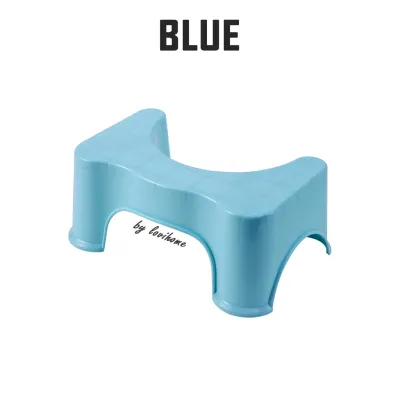
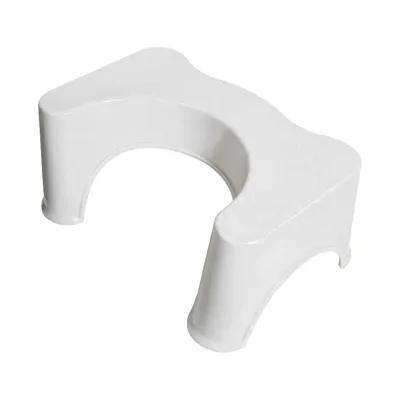
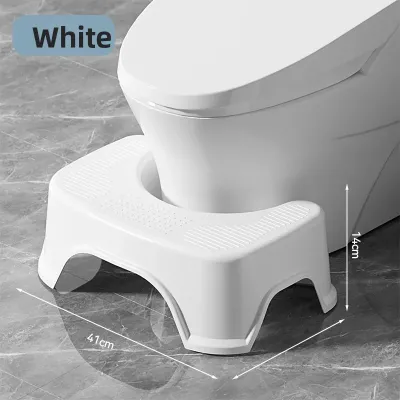
Prices are valid at publication and may change. Please refer to the product page for the latest price.
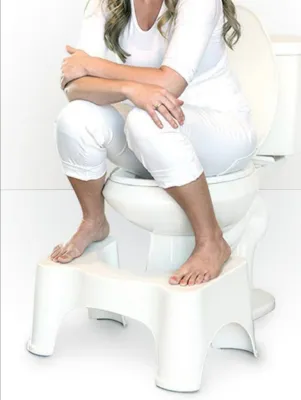
From an anatomical perspective, a squatting position supports natural bowel movements far better than standard sitting. When sitting at a ninety-degree angle on a standard toilet, the puborectalis muscle remains partially contracted, creating a bend in the rectum that can make elimination difficult for small children. Elevating the feet on a squatting stool relaxes this muscle, straightening the path for a smoother, more effortless bowel movement.
Setting realistic expectations is key to a stress-free transition. The timeline for moving to the adult toilet varies widely, typically occurring between ages two and four. Introducing the stool as a helpful tool rather than a strict requirement allows your child to adapt at their own pace without feeling pressured.
How to Choose a Safe and Stable Squatting Stool
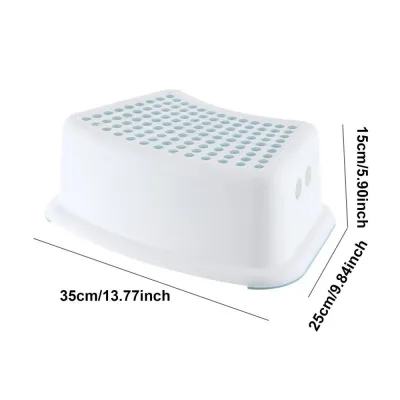
When shopping for a squatting toilet stool, safety and stability must be your top priorities. Look for models with robust, non-slip rubber bases that grip the floor securely to prevent sliding when your child steps on them. The top surface should feature a textured, slip-resistant grip to ensure secure footing, even when wet.

Always verify the weight limits and height specifications on the manufacturer’s label before purchasing. The stool must be rated to support your child’s weight safely, and its height should allow your child’s knees to sit comfortably above their hips when seated. Never infer suitability from the product name alone; rely strictly on the documented dimensions and weight capacities.
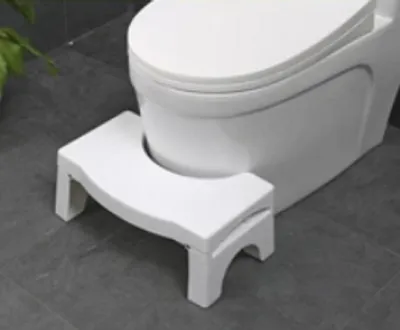
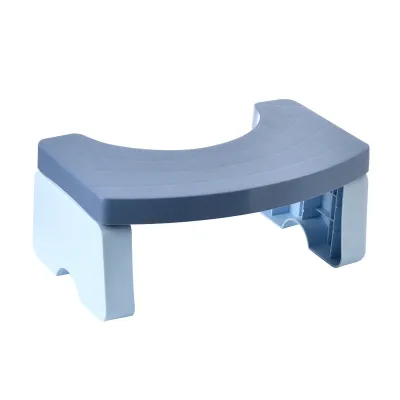
Consider your bathroom layout when choosing between fixed-height, adjustable, or foldable designs. In Singapore, where residential bathrooms—especially in HDB flats—often feature compact layouts and wet-floor designs, space-saving options are highly practical. A curved stool that wraps snugly around the base of the toilet bowl keeps the floor clear when not in use, while foldable models can be tucked away easily in shared family bathrooms.
Step-by-Step Guide to Using the Stool for Potty Training
To ensure safety and build your child’s confidence, follow a structured routine when positioning and using the squatting stool. Begin by sliding the stool securely against the toilet bowl, ensuring there are no wide gaps where a foot or leg could slip through. The stool must sit flat on a dry, level surface to prevent tipping.
Guide your child to step up safely, holding their hands for support as they turn around and sit on the toilet seat. If you are using a child-sized toilet seat insert, ensure it is securely fitted before they step up. Once seated, help them position their feet flat on the stool, spaced roughly shoulder-width apart to maintain balance.
Establishing a consistent pre-toilet and post-toilet routine helps build long-term independence. Teach your child to pull down their pants and underwear completely—ideally to their ankles—before stepping up, which allows their legs to spread comfortably on the stool. After they finish, assist them in stepping down carefully before starting the cleanup process.
Teaching Proper Posture and Bathroom Hygiene
Achieving the correct physical alignment is essential for the squatting stool to be effective. Adjust your child’s foot placement so their knees are positioned slightly higher than their hips. If their knees are level with or lower than their hips, the stool is too low, and you may need to switch to a taller model or an adjustable version.
Encourage your child to lean forward slightly while keeping their feet flat on the stool. They can rest their elbows on their knees to maintain this position comfortably. This forward lean relaxes the pelvic floor muscles, allowing them to eliminate without straining or holding their breath.
Hygiene education should go hand-in-hand with posture training. Teach your child to wipe thoroughly from front to back to prevent the spread of bacteria. Once they step down from the stool, guide them directly to the sink to wash their hands with soap and water for at least twenty seconds, establishing a healthy habit they will carry into adulthood.
Troubleshooting Common Challenges and Safety Concerns
Bathroom floors can become slick, particularly in humid climates or wet-room layouts. If the squatting stool shifts or slides during use, place a non-slip silicone bath mat underneath the base to secure it. Always supervise your child during bathroom visits to prevent accidental slips or falls.
If your child expresses a fear of heights or resists using the adult toilet, do not force the issue. The transition can feel intimidating, so consider using a lower-profile stool temporarily or returning to the standalone potty chair for a few weeks. Forcing the process can lead to anxiety and stool withholding.
Monitor your child’s physical comfort closely during potty training. If they experience persistent pain, show signs of severe constipation, or consistently resist bowel movements, pause the training immediately. Consult a pediatrician or qualified healthcare professional to address any underlying physical concerns before resuming.
When and How to Transition Away from the Stool
As your child grows, their physical proportions will change, and they will eventually outgrow the need for an elevated squatting stool. Look for height and leg-length milestones, such as when their feet can rest flat and comfortably on the bathroom floor while sitting directly on the standard toilet seat.
Transitioning away from the stool should be a gradual process. You can first replace the specialized squatting stool with a standard, lower step stool to help them climb onto the toilet independently. Over time, as they grow taller, they will be able to use the toilet comfortably without any foot elevation.
Once the squatting stool is no longer needed, clean and sanitize it thoroughly according to the manufacturer’s instructions. You can store it away for younger siblings or repurpose it as a general household step stool, provided it meets the weight capacity requirements for older family members.
Frequently Asked Questions (FAQ)
Can a squatting toilet stool be used for both the toilet and the sink?
Generally, a dedicated squatting toilet stool is not recommended for sink use. These stools are specifically contoured to curve around the base of a toilet bowl, which often makes them unstable or awkwardly angled when placed against a flat cabinet or pedestal sink. Additionally, the height required to reach a standard bathroom sink safely is usually much higher than the height of a squatting stool. For sink activities like handwashing and teeth brushing, it is safer to use a dedicated, flat-backed step stool designed specifically for that purpose.
What should I do if my child's feet do not reach the stool comfortably?
If your child’s feet cannot rest flat on the stool, the current setup is too low for their leg length, which can cause their legs to dangle and strain their muscles. Do not attempt to make unsafe modifications, such as stacking loose cushions, towels, or plastic blocks on top of the stool, as these can easily slide and cause a fall. Instead, verify the manufacturer’s height specifications and consider switching to a taller or adjustable squatting stool that allows you to raise the foot platform to the correct height.

Community discussion
Share your experience or ask a question. Comments are reviewed before publication.