
Determining when your child is ready to transition from diapers to the toilet is a highly individualized milestone that depends on developmental cues rather than a specific age on a calendar. While many children show signs of readiness between 18 and 24 months, others may not be fully prepared until they are closer to three years old or even older. In Singapore’s warm, tropical climate, the process can sometimes feel slightly more manageable because toddlers often wear lighter, easily removable clothing, but physiological and psychological readiness remains the absolute foundation.
Instead of rushing into training based on peer pressure or a strict timeline, observing your child’s daily habits and behaviors will give you the clearest indication of when to begin. Forcing a child who is not yet ready can lead to anxiety, power struggles, and prolonged training periods. By focusing on a combination of physical, cognitive, and emotional signals, you can ensure a much smoother and more positive transition for both you and your little one.
Physical and Cognitive Readiness Signs
Before starting potty training, your child must possess the physical control and cognitive understanding necessary to manage the process. A key physical indicator is bladder and bowel control. If your child’s diaper remains dry for at least two consecutive hours during the day, or if they wake up dry after a nap, their bladder muscles are maturing. Predictable, regular bowel movements also indicate that their digestive system is ready for a structured routine.
Products mentioned in this guide
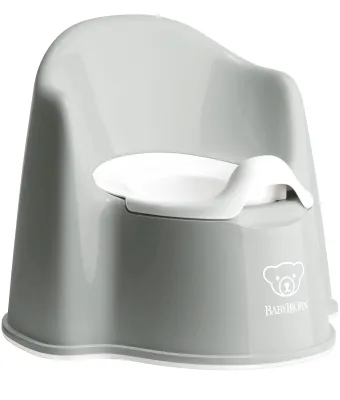

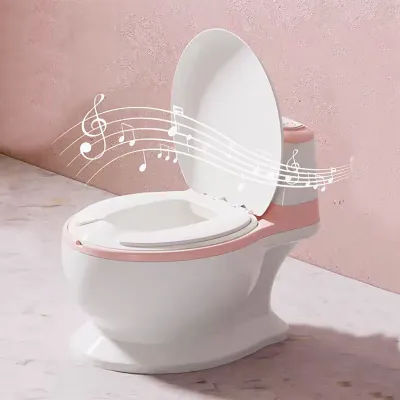
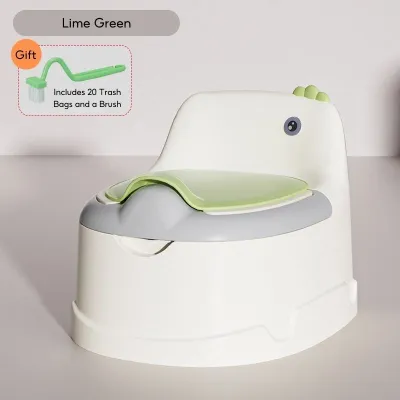
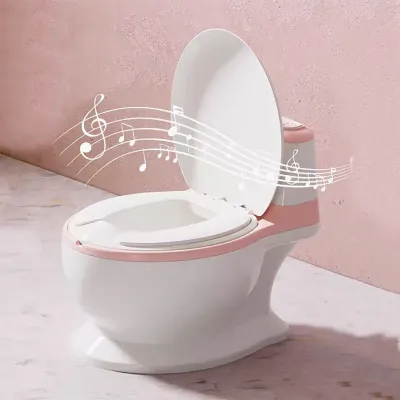
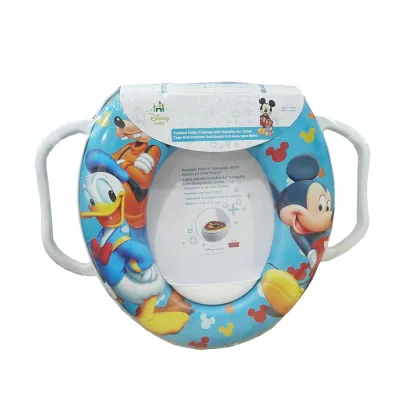


Prices are valid at publication and may change. Please refer to the product page for the latest price.
Motor skills are equally crucial for independent toileting. Your child needs the physical coordination to walk steadily to the bathroom, step up onto a stool if necessary, and sit comfortably on a potty chair without losing balance. They should also have the fine motor skills required to pull their pants down and up, though they may still need some assistance with tight waistbands or complex fasteners.
Cognitive readiness involves the brain-to-body connection. Your child must recognize the physical sensation of a full bladder or bowel before the release happens, rather than just realizing they have already soiled their diaper. They should be able to communicate this urge to you through words, specific gestures, or facial expressions, giving you enough warning to reach the bathroom together.
Behavioral and Emotional Readiness Signals
Emotional willingness often dictates how smoothly the transition goes. A key behavioral sign is a sudden curiosity about bathroom habits. Your child might follow family members into the bathroom, watch intently as you use the toilet, or ask questions about how the flush works. They may also show a keen interest in wearing “big kid” underwear instead of diapers.

An aversion to dirty diapers is another powerful motivator. If your child begins pulling at a wet diaper, bringing you a clean diaper, or explicitly asking to be changed immediately after an accident, they are developing a preference for staying dry and clean. This sensory awareness is a prime indicator that they are emotionally ready to try the potty.
A general drive for independence also signals readiness. When toddlers enter a phase where they insist on doing tasks by themselves, imitate adult chores, and respond cooperatively to simple two-step instructions, they are highly likely to cooperate with a structured potty routine. Their willingness to follow directions makes it much easier to establish a positive bathroom habit.
When to Wait: Signs Your Child Is Not Ready
Recognizing when to delay potty training is just as important as spotting readiness. If your child cannot yet communicate their basic needs or struggles to understand simple directions, attempting potty training will likely lead to confusion and frustration. Pushing through without these foundational communication skills can turn the bathroom into a source of anxiety.
Active resistance is a clear signal to pause. If your child screams, cries, or physically tenses up when brought near a potty chair, or if they hide in a corner to soil their diaper, they are not emotionally prepared. Forcing the issue can lead to stool withholding, which can cause painful constipation and prolong the overall training process.
Major life disruptions also warrant a delay. If your family is currently navigating a major transition—such as moving to a new home, welcoming a newborn sibling, changing childcare arrangements, or dealing with a family illness—it is best to postpone potty training. Toddlers thrive on routine, and introducing a major physical transition during a period of high stress often triggers regression. Wait until daily life stabilizes before introducing the potty.
Preparing for the Transition: Next Steps After Spotting the Signs
Once you have observed a consistent cluster of readiness signs, you can begin preparing your home environment. Start by selecting the right equipment. You can choose between a standalone baby potty chair or a toilet seat reducer that fits over your existing toilet. Whether you live in a cozy HDB flat or a spacious landed home, choosing compact, easy-to-clean potty gear that fits your bathroom layout is a practical first step. Always verify the manufacturer’s weight limits, age recommendations, and safety guidelines to ensure the equipment matches your child’s size.
Establish a low-pressure, consistent routine. Place the potty chair in a visible, easily accessible spot in your bathroom. Invite your child to sit on it fully clothed at first, just to get used to the sensation. Gradually transition to scheduled potty breaks, such as right after waking up, after meals, or before bath time. Use positive reinforcement, such as verbal praise or a simple sticker chart, to celebrate their efforts rather than just their successes. Never scold or punish your child for accidents, as this can create negative associations.
Be prepared to adjust your approach or pause if necessary. If your child begins withholding urine or stool, experiences painful bowel movements, or shows sudden, persistent distress, stop the training immediately and return to diapers for a few weeks. If these physical or behavioral concerns persist, consult a pediatrician or qualified healthcare professional to rule out any underlying medical issues and to receive personalized guidance.
Frequently Asked Questions (FAQ)
Is there a specific age when all babies are ready for potty training?
No, there is no universal age for potty training readiness. While many children begin showing signs between 18 and 30 months, some may not be fully ready until after their third birthday. Development varies widely from child to child. It is far more effective to focus on your child’s individual physical, cognitive, and behavioral milestones rather than trying to meet a specific calendar deadline.
What should I do if my child shows some signs but refuses to use the potty?
If your child exhibits partial readiness but resists actually using the potty, it is best to step back and avoid a power struggle. Keep the potty chair visible and let them explore it at their own pace. You can read books or watch educational videos about potty training together to build comfort. If the resistance continues, pause the process entirely for a few weeks before gently trying again.
Can starting potty training too early cause problems?
Yes, initiating potty training before a child is developmentally ready can lead to setbacks. It often results in a much longer training process filled with frequent accidents, power struggles, and frustration. In some cases, early pressure can cause children to develop stool withholding behaviors, which can lead to chronic constipation, painful bowel movements, and a deep-seated fear of using the toilet.

Community discussion
Share your experience or ask a question. Comments are reviewed before publication.