
Determining whether a 24mm flange is the correct size for your Spectra breast pump relies on accurate physical measurement and observing your body’s feedback during a pumping session. A proper fit is essential for comfortable milk expression and maintaining your milk supply. This guide will help you measure your anatomy, recognize the signs of a correct or incorrect fit, and decide on the right next steps if an adjustment is needed.
A 24mm flange is the right fit for your Spectra breast pump if your nipple moves freely within the tunnel during pumping without rubbing against the sides, and only a minimal amount of the areola is drawn into the tunnel. To confirm this, you need to measure the diameter of your nipple base before pumping and monitor your comfort and milk flow during use. If you experience pinching, friction, or low milk expression, the 24mm flange—which is the standard size included with most Spectra pumps—may not be your correct size.
How to Measure Your Nipple for a 24mm Flange
To find your baseline measurement, timing is critical. You should measure your nipple diameter before you begin a pumping session or when your breasts are at rest. Measuring immediately after pumping can lead to inaccurate results because the mechanical suction temporarily swells and stretches the tissue.
Products mentioned in this guide
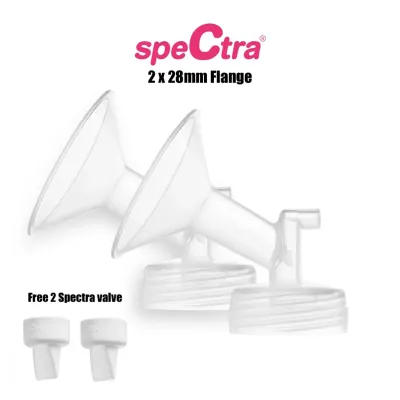
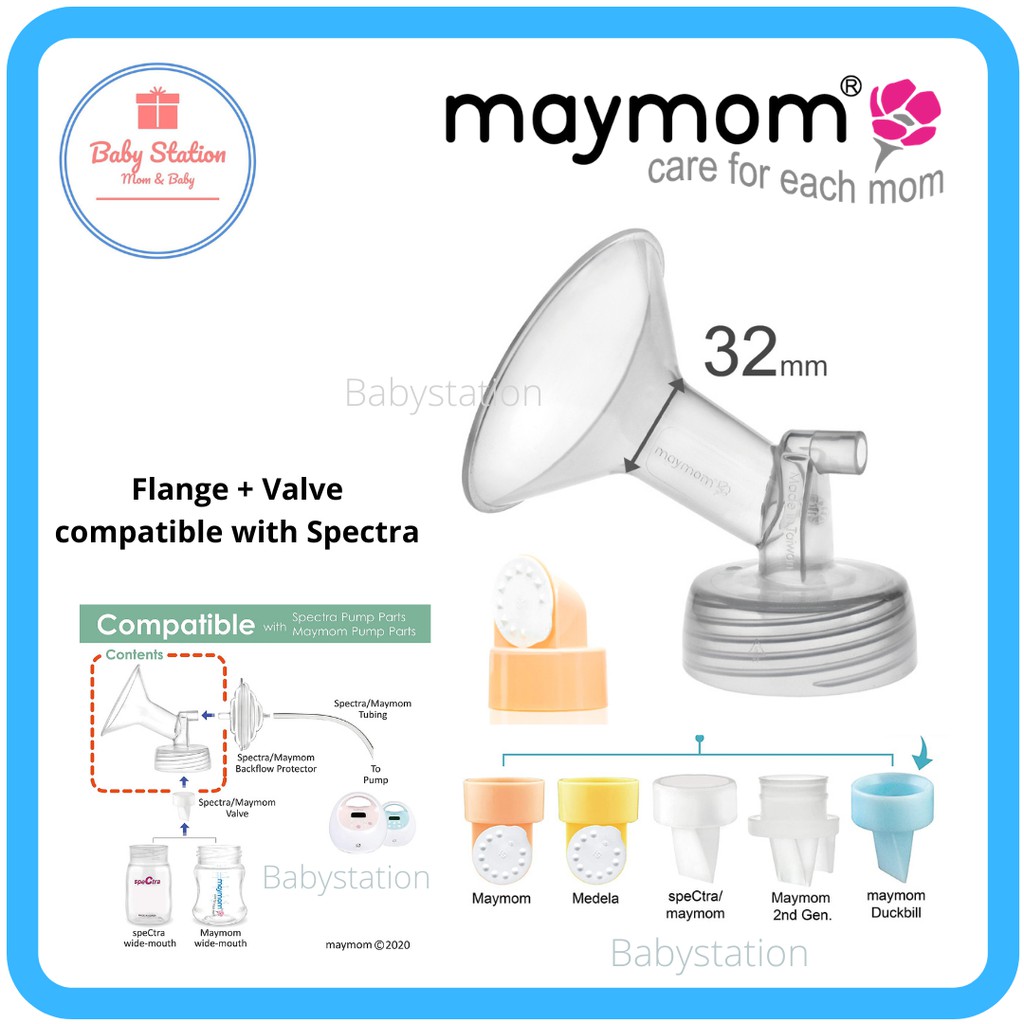
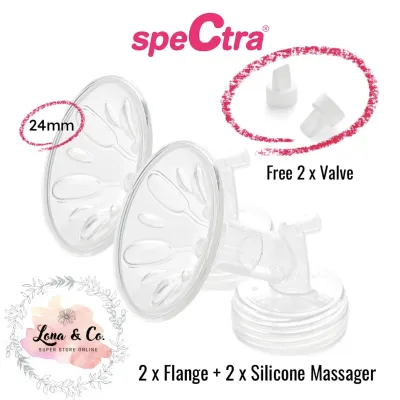
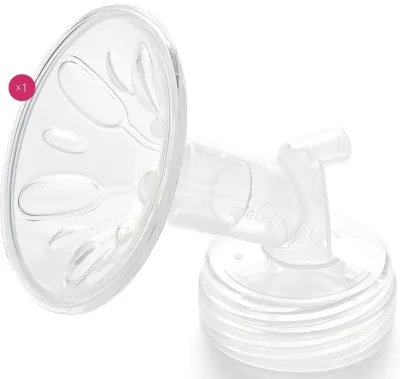
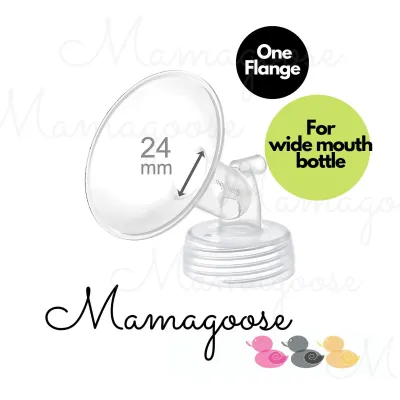
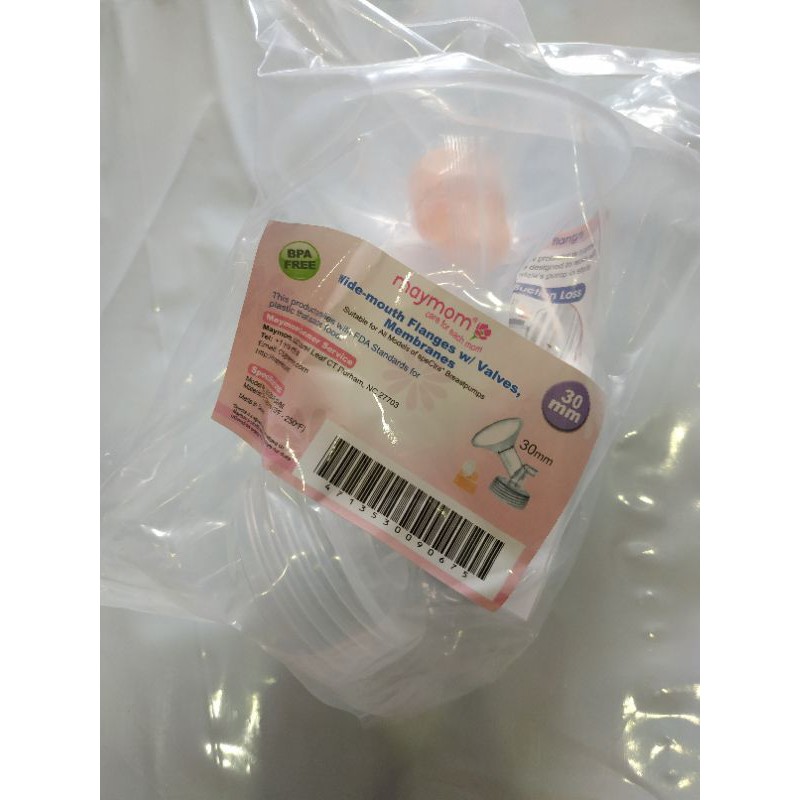
Prices are valid at publication and may change. Please refer to the product page for the latest price.
To perform the measurement, you will need a ruler, a flexible measuring tape, or a dedicated printable nipple sizing tool. Focus solely on the diameter of the nipple base, which is the point where the nipple meets the darker skin of the areola. Do not include the areola itself in this measurement, as doing so will result in a flange that is far too large.
Once you have the measurement in millimeters, you must cross-reference this number with the official Spectra sizing guidelines. Generally, the flange size needs to be slightly larger than your nipple diameter to allow room for expansion during suction. For example, a nipple measuring around 20mm to 21mm at the base often aligns well with a 24mm flange, but you should always verify this against the manufacturer’s official chart rather than guessing.
Avoid relying on past sizes from previous pregnancies or general assumptions. Your body undergoes significant changes during each postpartum journey, meaning your required size can differ from what you used previously. Taking a precise measurement now prevents discomfort and ensures your pumping setup is tailored to your current anatomy.
Signs Your 24mm Flange Fits Correctly
When your 24mm flange is the correct fit, you will observe specific visual cues during your pumping session. The nipple should align directly with the center of the flange tunnel, moving back and forth freely. It should not rub against the plastic walls of the tunnel or feel restricted as the pump cycles through its suction phases.

Another key indicator is how much of the surrounding tissue is drawn into the tunnel. A well-fitting flange allows only a very small portion of the areola, or none at all, to enter the tunnel during the let-down and expression phases. The suction should feel like a firm, rhythmic pull rather than a sharp pinch or painful stretch.
Comfort is a primary signal of a proper fit. While pumping involves a distinct physical sensation, it should never be painful. If you can sit comfortably throughout your session without feeling the need to constantly adjust the breast shields, your flange is likely the correct size.
Finally, look at your milk expression efficiency. A correct fit supports a steady, consistent milk flow and allows your breasts to feel soft and empty at the end of the session. If you notice that your breasts still feel full or firm after a full cycle, it may indicate that the flange size is hindering complete milk removal.
Warning Signs That Your 24mm Flange Is the Wrong Size
If you experience sudden pain, sharp pinching, or severe discomfort while pumping, you should stop the session immediately. Pumping through pain is not only counterproductive to milk expression but can also cause physical damage to your breast tissue.
Pay close attention to the physical appearance of your nipples during and after use. If you notice blistering, swelling, or significant color changes—such as the nipple turning white, purple, or red—cease pumping right away. These are clear warning signs that the 24mm flange is not compatible with your anatomy and requires immediate evaluation.
Indicators the Flange Is Too Large
When a 24mm flange is too large for your anatomy, the most common symptom is that an excessive amount of the areola is pulled deep into the tunnel. This excess tissue rubbing against the plastic can cause friction, swelling, and a highly uncomfortable stretching sensation. Over time, this friction can lead to skin irritation and soreness around the base of the nipple.
A loose fit also compromises the mechanical performance of your breast pump. When the flange is too wide, it becomes difficult to maintain a proper seal against the breast, leading to a frequent loss of suction. You might find yourself increasing the vacuum settings to compensate, which only worsens the discomfort without improving milk expression.
Consequently, a flange that is too large often results in reduced milk output. Because the suction is distributed over the elastic areola rather than focused on the nipple ducts, the pump cannot stimulate the breast tissue effectively. If you notice low milk volume despite high pump settings and visible swelling of the areola, your flange is likely too big.
Indicators the Flange Is Too Small
Conversely, if the 24mm flange is too small, your nipple will rub constantly against the interior walls of the tunnel. This persistent friction restricts the natural movement of the nipple during the suction cycle, leading to chafing, soreness, and potential skin breakdown. You may feel a sharp, localized pinching sensation every time the pump pulls.
A narrow tunnel also compresses the milk ducts, which physically restricts the flow of milk. This compression can prevent the breast from emptying fully, increasing the risk of localized milk stasis, plugged ducts, or mastitis. If you find that milk is only trickling out or stopping entirely despite active let-down sensations, the tunnel may be pinching your ducts closed.
Visual signs of a tight fit are often easy to spot immediately after you turn off the pump. The nipple may appear flattened, distorted, or turn white at the tip or base—a condition known as blanching, which indicates restricted blood flow. If your nipple looks compressed or takes a long time to return to its normal shape and color, you need a larger size.
What to Do If the 24mm Flange Does Not Fit
If you determine that the 24mm flange is not the right fit, the first step is to adjust the size based on your observations. If the current flange is too large and pulling in too much areola, you will need to size down to a smaller option, such as a 20mm or 21mm shield. If your nipple is rubbing against the tunnel walls, you should size up to a larger option, such as a 28mm shield.
When adjusting sizes, always check the manufacturer’s guidelines for compatible alternative sizes. Spectra offers several standard flange sizes, but you can also explore food-grade silicone inserts that fit inside your existing 24mm flange to reduce the tunnel diameter. These inserts can be a cost-effective way to customize the fit without purchasing entirely new breast shield assemblies.
For persistent fit issues, ongoing pain, or concerns about your milk supply, it is highly recommended to consult an International Board Certified Lactation Consultant (IBCLC) or a qualified healthcare provider. A professional can observe your pumping session, assess your breast anatomy, and provide personalized recommendations to ensure you pump comfortably and effectively.
Remember that your comfort and physical well-being are essential for a successful breastfeeding and pumping journey. Taking the time to find the correct flange size protects your tissue from injury and helps support a robust milk supply over the long term.
Frequently Asked Questions (FAQ)
Can my nipple size change and affect my 24mm flange fit over time?
Yes, your nipple size can change significantly throughout your breastfeeding journey, which may require you to adjust your flange size. In the early postpartum weeks, tissue engorgement, hormonal fluctuations, and increased fluid retention can temporarily alter the size and elasticity of your breasts and nipples. As your milk supply stabilizes and swelling subsides, your nipples may shrink, making a previously comfortable 24mm flange too large.
Additionally, frequent pumping can cause the nipple tissue to become more elastic over time, meaning it may stretch further into the tunnel than it did initially. It is a good practice to remeasure your nipples and reassess your comfort level every few weeks, especially if you notice a sudden drop in milk output or new sensations of friction and discomfort.
Do 24mm Spectra flanges fit all Spectra breast pump models?
Spectra 24mm flanges are designed to be compatible with the standard wide-neck bottle system used by most of their popular double electric breast pump models. However, compatibility can vary depending on the specific model configuration, especially when dealing with portable, wearable, or hands-free cup systems. You should always verify the connection type and assembly instructions in your pump’s user manual before purchasing replacement parts.
If you are using a specialized wearable model or a hands-free collection cup, the flange design may differ from the traditional breast shield. In some cases, you may need specific adapters or model-compatible silicone inserts to achieve a 24mm fit. Checking the official product specifications ensures you select parts that maintain a secure, airtight seal with your specific pump motor.

Community discussion
Share your experience or ask a question. Comments are reviewed before publication.