
To determine if a 19mm flange is the correct size for your Spectra breast pump, you must measure your active nipple diameter and compare it to the physical dimensions of the flange tunnel. A 19mm flange is typically suitable for individuals whose pre-pumping nipple diameter measures between 15mm and 17mm. This difference provides a necessary clearance margin of 2mm to 4mm, allowing your nipple to expand and move freely under vacuum suction without rubbing against the plastic walls.
Using the correct flange size is essential for comfortable milk expression, maintaining your milk supply, and preventing tissue damage. Because breast pump parts directly impact your physical comfort and feeding efficiency, taking the time to verify your measurements ensures a safer and more productive pumping experience.
How to Measure Your Nipple Diameter for a 19mm Flange
Establishing an accurate baseline measurement is the first step in determining if a 19mm flange is appropriate for your body. To do this, you will need a rigid ruler, a measuring tape with millimeter markings, or a printable circular sizing guide. Printable guides are highly recommended as they allow you to slide your nipple into pre-cut circles to find the closest match without compressing the tissue.
Products mentioned in this guide
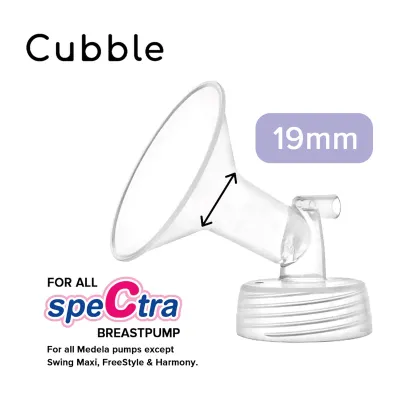
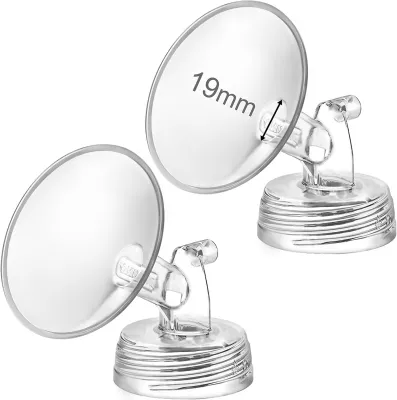
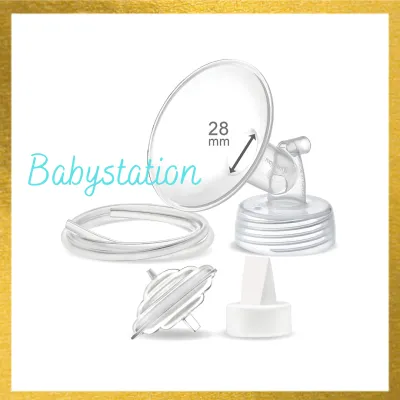
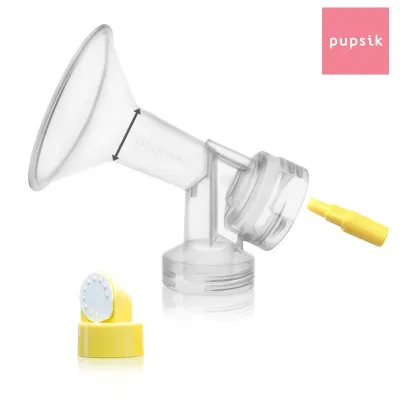
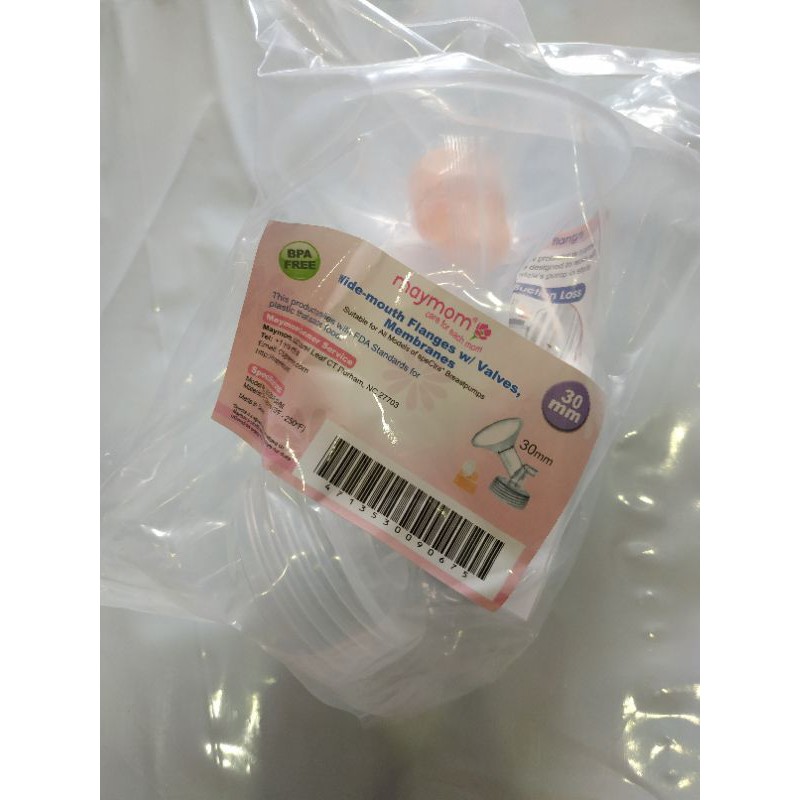
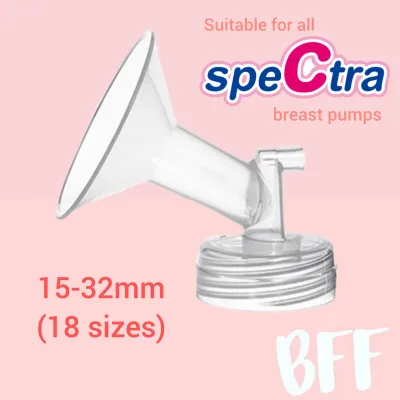
Prices are valid at publication and may change. Please refer to the product page for the latest price.
When measuring, focus on the correct anatomical landmark: the base of the nipple bud where it meets the breast tissue. Do not include any part of the surrounding dark skin, known as the areola, in your measurement. Including the areola will result in an artificially large measurement, leading you to select a flange that is too wide and potentially causing discomfort during use.
Timing is also a critical factor when taking these measurements. Your nipples can fluctuate in size due to postpartum swelling, hormonal changes, or the physical stimulation of pumping. For the most accurate baseline, measure your nipples before you begin a pumping session while they are at rest. Keep in mind that during the first few weeks postpartum, localized tissue swelling is common, meaning your measurements may change as your body recovers and your milk supply stabilizes.
What a Correct 19mm Flange Fit Looks and Feels Like
Once you have selected a 19mm flange, you should perform visual and physical checks during your pumping sessions to confirm the fit is correct. When the pump is active, look closely at the tunnel. Your nipple should draw straight into the center of the 19mm tunnel, moving back and forth smoothly. There should be minimal to no friction against the plastic walls, and very little of the surrounding areola tissue should be pulled into the opening.

Physical comfort is one of the most reliable indicators of a proper fit. While the sensation of breast pumping involves a firm, rhythmic pull, it should never feel painful, sharp, or pinch-like. A correct fit ensures that the suction is distributed evenly across the nipple tissue, allowing you to pump comfortably at your preferred vacuum level without experiencing localized pressure or soreness.
In addition to comfort, pay attention to your overall pumping performance. A well-fitting 19mm flange supports efficient milk letdown and thorough breast drainage. After a typical session, your breasts should feel noticeably softer, lighter, and free of hard spots or engorgement. If you find that you are emptying your breasts efficiently within a reasonable timeframe, it is a strong sign that the 19mm specification matches your anatomy.
Physical Signs Your 19mm Flange Is the Wrong Size
Using an incorrect flange size can lead to discomfort, reduced milk output, and tissue irritation. If the 19mm flange is too small for your nipple, you will likely experience constant rubbing against the sides of the tunnel. This friction can cause the tip or sides of your nipple to turn white, a condition known as blanching, which indicates restricted blood flow. You may also notice restricted movement within the tunnel and feel a sharp, burning pain during suction.
Conversely, if the 19mm flange is too large, too much of your areola tissue will be drawn into the tunnel along with your nipple. This can compress the milk ducts, leading to swelling, a weak vacuum seal, and inefficient milk expression. You might feel like the pump has poor suction, or you may notice that your breasts do not feel empty even after a long pumping session.
It is vital to establish clear stop conditions for your safety. If you experience severe pain, notice bleeding, or observe visible skin abrasions or blisters on your nipples, stop pumping immediately. Continuing to use an ill-fitting flange under high suction can cause long-term tissue damage and increase the risk of infection. If these symptoms occur, discontinue use, adjust your equipment, and consult a healthcare professional or lactation specialist.
When to Remeasure and Adjust Your Flange Size
Your breast and nipple dimensions are not static; they change in response to physiological transitions. During the early postpartum period, localized swelling and fluid retention are common. As this initial swelling subsides over the first few weeks, your baseline nipple size may actually decrease, meaning a 19mm flange that felt tight initially might become a perfect fit, or you may need to downsize further.
Fluctuations can also occur later in your breastfeeding journey. Changes in your milk supply, hormonal shifts during your menstrual cycle, or the gradual process of weaning can all alter your physical dimensions. If you notice a sudden drop in milk output or feel new discomfort during your usual pumping routine, it is a good indicator that it is time to remeasure.
When sourcing replacement parts or alternative sizes in Singapore, parents can find compatible flanges at local baby specialty stores or reputable online marketplaces. Always verify the manufacturer’s compatibility guidelines for your specific Spectra model before purchasing. If your sizing remains unclear or if pumping continues to cause discomfort despite adjusting sizes, consult a certified lactation consultant (IBCLC) for personalized guidance.
Frequently Asked Questions (FAQ)
Can I use a 19mm flange if my nipple measures exactly 19mm?
No, you should not use a 19mm flange if your nipple measures exactly 19mm at rest. Because your nipple expands and stretches under the vacuum suction of the pump, it requires a clearance margin to move freely. If your nipple is 19mm, a 19mm tunnel will cause painful friction and restrict milk flow. You should check the manufacturer’s sizing chart, which typically recommends adding 2mm to 4mm to your baseline measurement to find your ideal flange size.
Do I need to measure my nipples before every pumping session?
You do not need to measure your nipples before every session. Frequent measurements are highly beneficial during the first few weeks postpartum when your body is transitioning rapidly. Once your milk supply stabilizes and your tissue swelling subsides, you only need to remeasure if you experience new physical discomfort, notice signs of friction, or experience a sudden decrease in milk expression efficiency.
What should I do if my left and right nipples require different flange sizes?
It is entirely normal and common for your left and right nipples to require different flange sizes. Asymmetry is standard, and using two different sizes simultaneously is an effective way to ensure comfort and optimal milk expression on both sides. You can purchase individual Spectra-compatible flanges in different sizes from authorized retailers or online marketplaces to customize your setup to your specific needs.

Community discussion
Share your experience or ask a question. Comments are reviewed before publication.