
Potty training is a major milestone in a toddler’s development, marking a transition toward personal independence. While much of the focus remains on the toilet itself, the complete routine includes the crucial step of handwashing. A Montessori learning tower provides a secure, elevated platform that allows your child to reach the bathroom sink comfortably, transforming a potentially frustrating stretch into an empowering, self-directed task.
Setting up this tool in the bathroom requires careful preparation, precise positioning, and consistent safety habits to ensure a smooth and secure experience. By structuring the environment thoughtfully, you can foster your child’s autonomy while maintaining peace of mind.
Preparing Your Bathroom for Independent Handwashing
Before introducing a learning tower, you must thoroughly evaluate your bathroom layout. Many residential bathrooms, particularly compact apartment layouts, have limited floor space. Start by clearing the area directly in front of and surrounding the sink vanity. Remove loose bath mats, laundry hampers, scale units, or stray toys that could cause a tripping hazard for a toddler navigating the steps.
Products mentioned in this guide
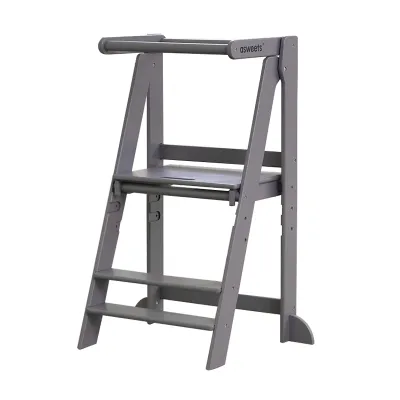
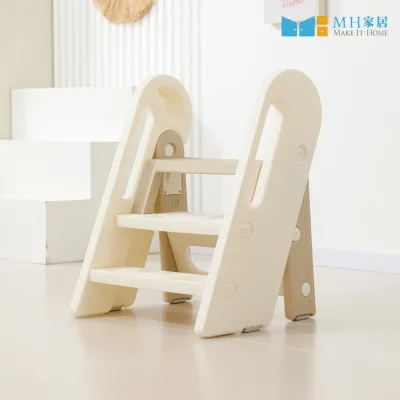
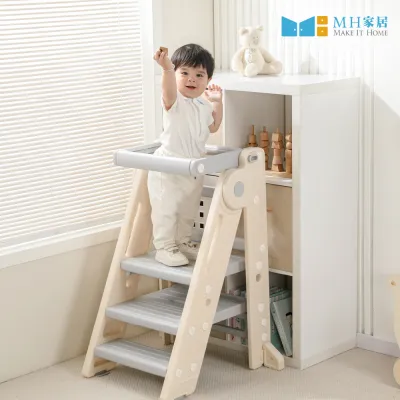
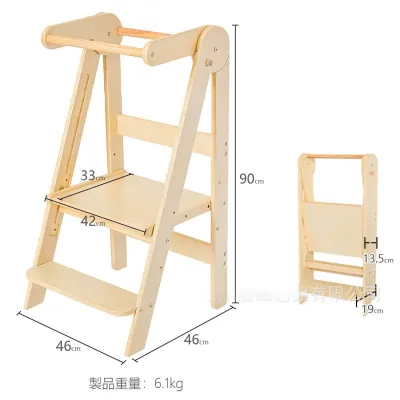
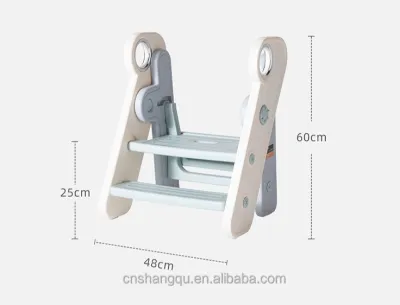
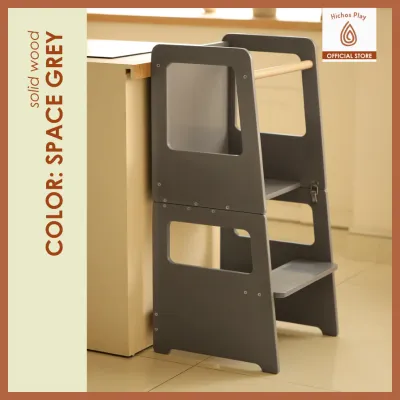

Prices are valid at publication and may change. Please refer to the product page for the latest price.
Next, secure all potential hazards within the child’s new reach. Elevating your child to sink height means they can now access areas that were previously out of bounds. Relocate cleaning chemicals, detergents, razors, cosmetics, medicines, and electrical appliances like hair dryers to locked cabinets or high shelves. Ensure that any under-sink cabinets are fitted with childproof latches, as these will be directly adjacent to where the tower stands.
Water temperature regulation is another critical safety check. Many home water heaters can deliver water at temperatures high enough to cause accidental scalding. Before your child begins washing their hands independently, adjust your water heater’s maximum temperature setting to a safe, lukewarm level. Alternatively, test the water flow yourself to ensure the mixing valve cannot easily be turned to an excessively hot setting by curious hands.
Finally, optimize the lighting in the room. A dim bathroom can make it difficult for a toddler to judge distances or see wet patches on the floor. Ensure the pathway to the sink is bright and clear, allowing your child to confidently step onto the tower and focus on their handwashing routine without straining their eyes.
Positioning the Montessori Learning Tower Safely
The physical placement of the Montessori learning tower determines its stability and safety during daily use. Begin by placing the tower completely flush against the bathroom vanity cabinet. Any gap between the tower’s front edge and the cabinet structure creates a dangerous void where a child’s foot could slip, or where they might lose their balance and fall forward. The front guardrail or platform edge must meet the vanity securely.

The floor surface beneath the tower must be flat, dry, and slip-resistant. Bathroom tiles are highly susceptible to moisture, and even a small splash of water can cause the tower’s feet to slide when a child climbs aboard. Always wipe the floor dry before positioning the tower. For added security, verify that the tower is equipped with high-quality rubber or silicone non-slip feet. If your bathroom floor is particularly slick, consider placing a low-profile, heavy-duty rubber grip mat underneath the tower’s base, ensuring it lies completely flat without curling edges.
Carefully assess the surrounding fixtures when choosing where to position the tower. It must be kept at a safe distance from the toilet bowl, glass shower screens, mirrors, open windows, and heated towel rails. Toddlers are naturally curious and may attempt to use the elevated platform of the tower to climb onto adjacent surfaces. Keeping the tower isolated to the sink area prevents these secondary climbing hazards.
Lastly, adjust the platform height to match your child’s physical proportions. Most high-quality learning towers feature adjustable platforms. The ideal height allows your child’s waist to align comfortably with the top edge of the sink vanity. If the platform is too low, the child will struggle to reach the faucet; if it is too high, their center of gravity will be elevated above the safety rails, increasing the risk of tipping over. Double-check that all adjustment pins or screws are locked tightly into place before allowing your child to climb.
Teaching the Handwashing Routine Step-by-Step
Introducing your child to the learning tower should be a gradual, structured process. Begin by demonstrating how to climb up and down safely when the bathroom is dry and there is no rush to use the toilet. Show them how to grip the side rails or cut-out handles with both hands while placing their feet firmly on each step. Practice this climbing sequence several times together, offering gentle physical guidance until they can manage the ascent and descent smoothly.
To facilitate true independence, equip the sink with child-friendly accessories. Standard bathroom faucets are often positioned too far back for a toddler’s short reach. Installing a simple, food-grade silicone faucet extender channels the water stream closer to the front of the basin, allowing your child to wash their hands without leaning precariously forward. Place a mild, foaming pump soap dispenser within easy reach, and hang a soft hand towel at their eye level using a secure suction hook on the side of the vanity.
As your child becomes familiar with the physical mechanics of the tower, transition your role from active physical support to close supervision. In the beginning, you may need to stand directly behind them with your hands near their hips. Over time, as their balance and confidence grow, step back slightly to allow them to complete the steps on their own, guiding them with clear, encouraging verbal prompts instead of physical intervention.
Establishing clear safety rules is essential for preventing accidents. Teach your child that the learning tower is a tool for washing hands, not a toy for play. Enforce strict rules: no standing on the safety rails, no leaning over the edge of the sink basin, no rocking or shaking the tower, and no adjusting the water temperature dials without help. Consistency is key; if your child begins to play or ignore the safety rules, calmly guide them down and pause the activity until they are ready to cooperate.
Cleaning and Maintaining the Tower in a Humid Space
Bathrooms are inherently humid environments, which presents unique maintenance challenges for children’s furniture. Whether your learning tower is constructed from sealed wood or durable plastic, it requires regular cleaning to prevent the buildup of mold, mildew, and soap scum. Wipe down all surfaces of the tower at least once a week using a damp cloth and a mild, child-safe detergent. Avoid harsh chemical cleaners that could degrade the protective finish or leave harmful residues.
Moisture and temperature fluctuations can affect the structural integrity of the tower over time. Periodically inspect all joints, screws, and hardware to ensure nothing has loosened. Wood can expand and contract slightly in response to humidity, which may gradually back screws out of their threads. Keep a screwdriver handy to tighten any loose fasteners immediately, and check that the non-slip pads on the feet remain securely attached and free of dust or hair.
Proper ventilation is your best defense against moisture damage. Always run the bathroom exhaust fan during and after baths or showers, or keep a window cracked to encourage airflow and reduce humidity levels. After your child finishes washing their hands, take a moment to wipe up any water that has splashed onto the tower’s platform or steps to prevent the wood from warping or becoming slippery.
If your bathroom is exceptionally compact or lacks adequate ventilation, consider investing in a foldable learning tower. This allows you to easily fold the unit and store it in a dry, well-ventilated hallway or closet when it is not in use. Keeping the tower out of a damp bathroom during long periods of non-use will significantly extend its lifespan and maintain a hygienic environment for your toddler.
Frequently Asked Questions (FAQ)
At what age can a toddler start using a learning tower for handwashing?
Rather than relying on a specific age, look for key developmental milestones to determine readiness. Your child is generally ready to use a learning tower when they can stand steadily unassisted, climb stairs confidently, and follow simple verbal instructions. For most toddlers, this stage is reached between 18 and 24 months. Always assess your child’s individual physical coordination and balance before introducing the tower, and ensure the platform height is adjusted correctly to support their current height.
Should I leave my child unattended on the learning tower?
No, you should never leave your child unattended while they are using the learning tower in the bathroom. Even the most stable, high-quality towers cannot eliminate the risks associated with water, hard tiled floors, and nearby bathroom fixtures. Continuous visual and auditory supervision is necessary to ensure your child follows safety rules, avoids playing with hot water, and climbs down safely when finished. Your presence provides the essential safety net that makes independent learning possible.

Community discussion
Share your experience or ask a question. Comments are reviewed before publication.