
Selecting the right toddler snacks in Singapore requires looking past colorful packaging and marketing claims to evaluate the actual nutritional profile, ingredient list, and developmental suitability of each product. Because toddlers have small stomachs but high nutritional requirements, every bite counts toward their daily growth. By focusing on specific priorities—such as iron fortification, low sugar content, and whole-grain fiber—parents can build a safe, balanced snack rotation that supports healthy development. This guide outlines how to systematically evaluate snack brands available in Singapore, decode their labels, and verify their safety to make informed choices for your child.
Core Standards for Evaluating Toddler Snack Brands
Toddlers develop oral motor skills at different rates, making it essential to match snack textures to their current chewing and swallowing abilities. Parents must verify the manufacturer’s age recommendations on the packaging, as these guidelines account for choking hazards and physical dissolution rates. For example, early snacks like meltable puffs are designed for infants transitioning to solids, while firmer biscuits or chewy bars require advanced grinding teeth and mature chewing patterns. Always supervise your toddler during snack times, ensuring they are seated upright to minimize choking risks.
Many commercial snacks contain elevated levels of sodium and saturated fats to enhance flavor and extend shelf life, which can strain a toddler’s developing kidneys and establish a preference for highly salty foods. When evaluating brands, check the nutrition facts panel for low-sodium options, ideally aiming for snacks with minimal added salt. Saturated fats should also be kept to a minimum, with a preference for snacks utilizing healthier fat sources, such as seed oils or nut butters, provided there are no known allergies.
Products mentioned in this guide
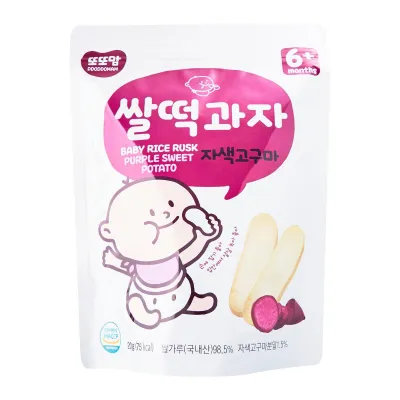
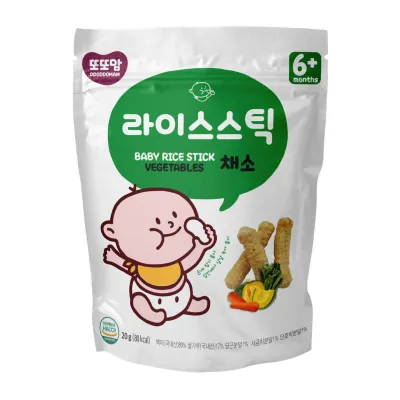
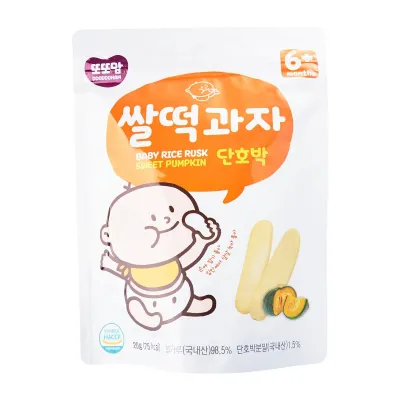
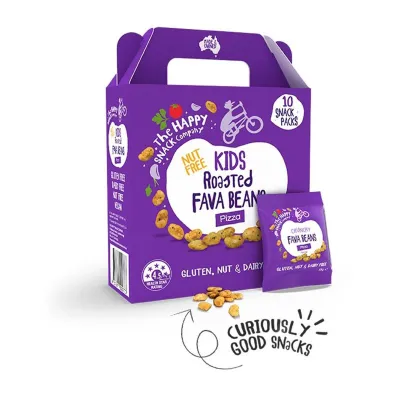
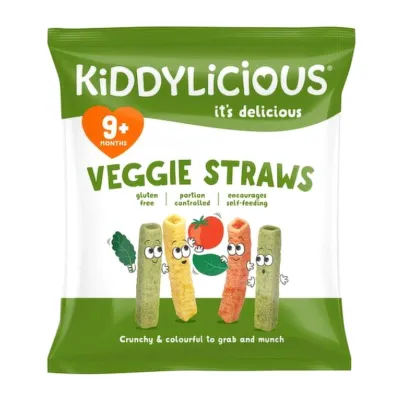
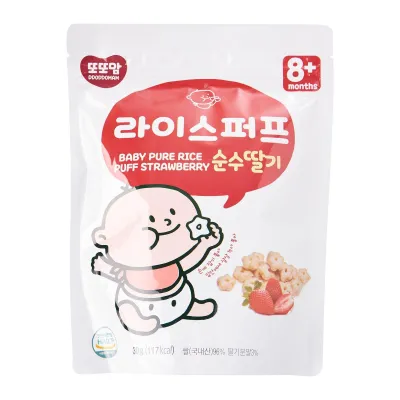
Prices are valid at publication and may change. Please refer to the product page for the latest price.
Early childhood is a critical window for taste preference development, making it highly beneficial to avoid artificial colors, synthetic flavors, and unnecessary chemical preservatives. These additives offer no nutritional value and may mask the natural flavors of whole foods, potentially leading to selective eating habits later on. Choosing brands that prioritize simple, recognizable ingredients helps foster an appreciation for natural tastes and reduces exposure to synthetic compounds.
Reliable toddler food brands provide clear, unambiguous labeling regarding manufacturing practices and potential cross-contamination. In Singapore, imported food products must display clear allergen declarations, which is vital for parents managing sensitivities to common allergens like dairy, soy, gluten, peanuts, or tree nuts. Look for brands that explicitly state their allergen-control protocols and provide transparent sourcing information on their official websites or packaging.
Building a Shortlist for Specific Nutritional Goals
Between the ages of one and three, toddlers experience rapid physical and cognitive development, yet their appetite can be highly unpredictable. Snacks should not be viewed merely as quiet-time distractions, but as valuable opportunities to fill nutritional gaps that may occur during main meals. By identifying your child’s specific dietary needs—whether they require an iron boost, more dietary fiber, or a reduction in added sugars—you can curate a targeted shortlist of snacks.

When browsing local supermarket shelves or online marketplaces in Singapore, using a structured filtering process saves time and prevents impulse purchases driven by attractive packaging. Parents can categorize potential snacks into functional groups, such as iron-fortified options for energy, low-sugar choices for dental health, and whole-grain selections for digestive support. This systematic approach ensures that every snack in your pantry serves a distinct nutritional purpose.
Identifying Iron-Fortified Options
Iron is a critical nutrient for brain development and red blood cell production, yet iron deficiency is a common concern during the toddler years. Commercial toddler snacks often feature non-heme iron, which is plant-based and naturally less bioavailable than the heme iron found in animal products. To maximize absorption, look for snacks that pair iron-fortified grains with natural sources of vitamin C, such as freeze-dried strawberries, organic fruit purees, or citrus elements, or serve them alongside fresh fruit.
While iron fortification is beneficial, parents must carefully review the nutrition facts label to understand the percentage of daily value provided per serving. Over-supplementation can lead to digestive discomfort or more serious health complications, so it is crucial to balance fortified snacks with natural dietary sources. Always verify the serving size on the package and consult a pediatrician to determine if your toddler’s overall diet requires additional iron support.
Iron-fortified toddler snacks typically come in the form of specialized infant cereals, baked grain puffs, or teething biscuits. These formats are designed to dissolve easily in the mouth while delivering a controlled dose of essential minerals. When selecting these products, ensure that the fortification is clearly listed in the ingredient statement, usually as ferrous fumarate or electrolytic iron, indicating active mineral enrichment.
Selecting Low-Sugar and No-Added-Sugar Choices
Many products marketed for toddlers contain high levels of sugar hidden under technical or natural-sounding names on the ingredient list. Ingredients such as brown rice syrup, organic cane sugar, maltodextrin, barley malt extract, and fruit juice concentrates are all forms of added sugar that contribute to tooth decay and rapid blood glucose spikes. Carefully read the entire ingredient list, keeping in mind that ingredients are listed in descending order by weight; if any form of sugar appears near the top, the snack may not be suitable for daily consumption.
It is important to distinguish between “no added sugar,” “sugar-free,” and “unsweetened” claims on packaging. A “no added sugar” label means no extra sugar was introduced during manufacturing, though the product may still contain high levels of naturally occurring sugars from concentrated fruit purees. “Unsweetened” typically indicates that neither sugar nor artificial sweeteners have been added, making it a highly reliable choice for parents looking to minimize sweet preferences in early childhood.
While snacks sweetened with natural fruit purees or juices are often marketed as healthier alternatives, they can still pose risks to a toddler’s dental health. Concentrated fruit sugars stick to developing teeth, creating an environment conducive to cavities, especially when consumed frequently throughout the day. To protect your toddler’s teeth, limit sticky fruit-based snacks, encourage water consumption after eating, and maintain a consistent dental hygiene routine.
Choosing Whole-Grain and High-Fiber Snacks
Whole grains retain the bran, germ, and endosperm, providing essential B vitamins, minerals, and dietary fiber that refined grains lack. To verify if a toddler snack is genuinely whole-grain, check the ingredient list to ensure terms like “whole wheat,” “whole oats,” “brown rice,” or “quinoa” are listed as the very first ingredient. Avoid products where refined flours, such as “enriched wheat flour” or “wheat flour,” dominate the recipe, as these have been stripped of their natural fiber content.
The term “multigrain” simply means the product contains more than one type of grain, but it does not guarantee that any of those grains are whole or unrefined. A multigrain snack can consist entirely of refined flours, offering minimal nutritional benefit compared to a true whole-grain product. Look for official whole-grain stamps or explicit ingredient declarations to ensure your toddler is receiving the full digestive benefits of intact grains.
Dietary fiber is essential for maintaining healthy bowel movements and supporting a diverse gut microbiome in growing toddlers. However, introducing too much fiber too quickly can overwhelm a toddler’s sensitive digestive system, leading to gas, bloating, or loose stools. Introduce high-fiber snacks gradually, ensure your child drinks plenty of water throughout the day, and monitor their digestive comfort to find the right balance for their individual tolerance.
Decoding Labels and Comparing Nutritional Profiles
Manufacturers often list nutritional values based on small serving sizes that may not reflect what a hungry toddler actually consumes in one sitting. When comparing brands, calculate the nutrient density based on the actual amount your child is likely to eat rather than the arbitrary serving size listed on the box. This step is particularly important for monitoring sodium and sugar intake, as a seemingly low-sugar snack can quickly become high-sugar if your toddler eats multiple servings.
| Label Claim | What It Suggests | How to Verify on the Packaging |
|---|---|---|
| Organic | Grown without synthetic pesticides or GMOs. | Look for recognized organic certification logos and check the ingredient list for organic-certified components. |
| Fortified / Enriched | Added vitamins or minerals to boost nutritional value. | Check the nutrition facts panel for specific nutrient percentages and verify the active compound in the ingredient list. |
| Natural | Free from artificial ingredients or synthetic additives. | Read the ingredient list fully to ensure there are no artificial colors, flavors, or chemical preservatives. |
| Gluten-Free | Safe for individuals with gluten sensitivities or celiac disease. | Look for a clear gluten-free declaration and check for cross-contamination warnings on the allergen label. |
Some snacks are strategically placed in the baby and toddler aisle with playful packaging, yet their nutritional profiles closely resemble adult junk food. Red flags include high sodium levels, the inclusion of artificial preservatives, and long lists of synthetic additives designed to extend shelf life. If a toddler snack contains similar sugar or salt levels per gram as standard adult biscuits, it is best to seek alternative brands that prioritize clean, age-appropriate formulations.
Safety Checks and Sourcing Toddler Snacks in Singapore
In Singapore, all imported food products must comply with strict food safety regulations, which often require an official English-language sticker detailing the importer, ingredients, and allergen warnings if the original packaging is in another language. When purchasing toddler snacks, verify that these compliance labels are present and legible, as they indicate the product has entered the country through authorized, inspected channels.
Before offering any snack to your toddler, inspect the packaging for signs of damage, such as broken seals, bloated pouches, or tears, which can expose the food to harmful bacteria. Given Singapore’s warm and highly humid climate, even minor packaging defects can lead to rapid spoilage, mold growth, or loss of crispness. Additionally, periodically check local food safety authority websites for active recall notices concerning imported baby and toddler food brands to ensure your pantry remains safe.
To guarantee product authenticity and proper storage conditions, purchase toddler snacks from reputable physical supermarkets, established pharmacies, or official brand stores on recognized e-commerce platforms. Avoid unauthorized third-party sellers who may not utilize climate-controlled warehousing, as prolonged exposure to high temperatures can degrade the nutritional quality and safety of sensitive food products. Storing opened snacks in airtight containers at home is also essential to protect them from Singapore’s humidity and household pests.
Frequently Asked Questions (FAQ)
How many snacks should a toddler eat per day?
Most pediatric guidelines suggest offering toddlers two to three small, nutrient-dense snacks per day, spaced evenly between their three main meals. This frequency helps maintain their energy levels and supports their rapid growth without spoiling their appetite for larger, balanced meals. If you notice your toddler refusing main meals or picking at their food, try adjusting the timing of their snacks, ensuring there is at least a two-hour gap before lunch or dinner.
Are organic toddler snacks always nutritionally better?
Organic certification guarantees that the ingredients were grown without synthetic pesticides or genetically modified organisms, but it does not automatically make a snack nutritionally superior. An organic biscuit can still contain high amounts of organic cane sugar, sodium, and saturated fats, making it just as indulgent as a conventional equivalent. Always prioritize reading the nutrition facts panel and ingredient list over organic logos to ensure the snack meets your child’s specific nutritional requirements.
What should I do if my toddler refuses fortified snacks?
If your toddler rejects a new fortified snack, avoid forcing them to eat it, as pressure can increase mealtime anxiety and food aversion. Instead, try pairing the new snack with a familiar, highly accepted food, or modify its presentation by crumbling puffs over yogurt or mixing fortified cereals into a favorite fruit puree. If your child exhibits persistent feeding aversions, refuses entire food groups, or shows signs of lethargy, consult a pediatrician or a registered pediatric dietitian to assess their nutritional status and discuss safe alternatives.

Community discussion
Share your experience or ask a question. Comments are reviewed before publication.