
Finding a reliable foldable baby play mat is essential for mobile parents in Singapore who need a safe, clean, and comfortable space for their little ones during frequent outings. Whether you are visiting relatives, heading to a staycation, or enjoying a day at the park, the right mat must balance portability with durability. This guide helps you evaluate key features, verify safety standards, and build a practical shortlist of candidate brands based on verifiable specifications rather than marketing claims, ensuring you choose a mat that truly fits your on-the-go lifestyle.
Defining Your Portability and Comfort Requirements
Many families in Singapore live in high-density housing like HDB flats or condominiums where space is at a premium. A play mat cannot permanently occupy the living room floor if the space is multi-functional. Furthermore, weekend trips to visit grandparents—often a weekly ritual in Singaporean families—require a mat that can be packed quickly into a car boot or carried onto public transport.
Outdoor activities are also popular, from picnics at Marina Barrage to playdates at shaded parks. The primary use cases dictate the type of mat you need. If you are mostly using it indoors in air-conditioned environments, you might prioritize cushioning and thermal insulation. If you are taking it to shaded outdoor areas, you need something lightweight, water-resistant, and easy to clean.
Products mentioned in this guide
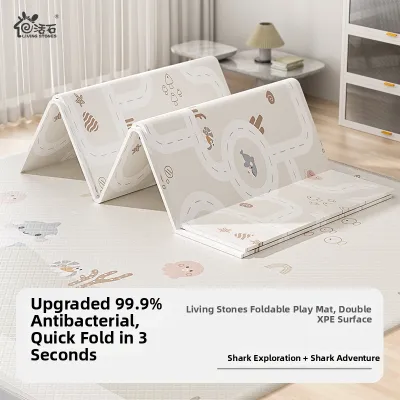
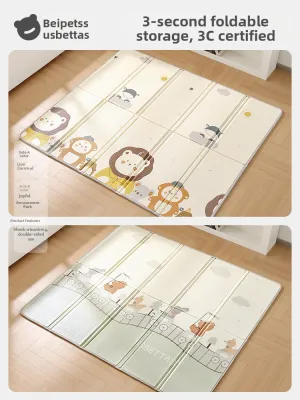
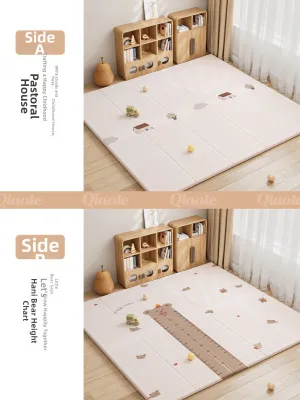
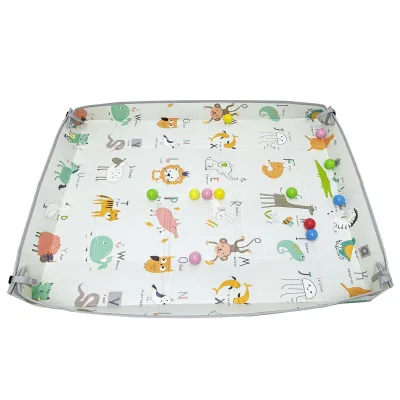
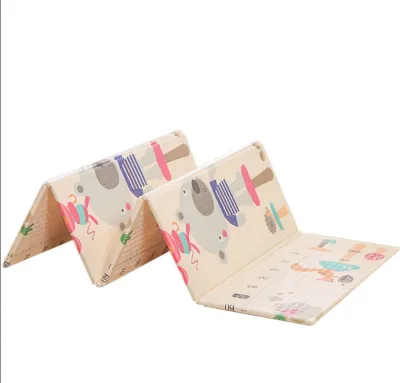
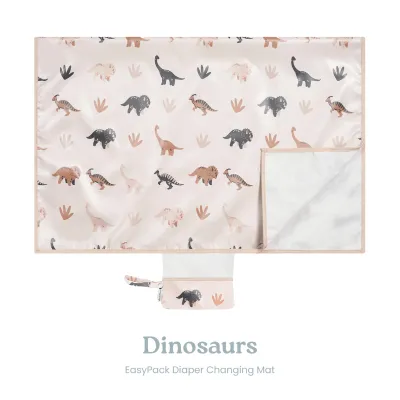
Prices are valid at publication and may change. Please refer to the product page for the latest price.
Dimensions are critical. When unfolded, the mat must provide enough space for your baby to roll, crawl, or play safely. However, when folded, it must fit into your designated storage spaces, whether that is a narrow gap beside the wardrobe, a stroller basket, or the boot of a compact car.
Budget is another key consideration. In Singapore, foldable play mats can range from budget-friendly options around S$40 to premium, high-density designer mats costing upwards of S$200. Setting a realistic budget based on how often you plan to travel with the mat and how long you expect your child to use it will help narrow down your choices.
Verifying Material Safety and Durability Standards
When selecting a foldable baby play mat, material safety is paramount. Because babies spend a significant amount of time in direct contact with the mat—often face down during tummy time—you must verify that the materials used are non-toxic and free from harmful chemicals.

Look for recognized safety certifications on product labels and official brand documentation. Standards such as EN71, ASTM, or KC certification indicate that the product has undergone testing for mechanical safety and chemical composition. Specifically, verify the confirmed absence of phthalates, heavy metals, formamide, and BPA. Since these certifications are dynamic, always check the manufacturer’s latest official documentation rather than relying solely on retail listings.
The type of foam used in the mat determines its weight, cushioning, and heat retention. Expanded Polyethylene (XPE) is highly popular for portable mats because it is extremely lightweight, offers excellent shock absorption, and has a closed-cell structure that resists moisture. Ethylene-Vinyl Acetate (EVA) is another common option, often found in puzzle-mat formats, though it can sometimes retain more heat and may have a distinct odor when new. Thermoplastic Polyurethane (TPU) and Polyurethane (PU) covers with internal foam cores offer a premium, fabric-like feel and durability, but they tend to be heavier and more expensive.
In Singapore’s hot and humid climate, heat retention is a crucial factor. Some dense foams can trap body heat, making the baby sweaty and uncomfortable during extended play sessions. Look for mats with breathable surface textures or those that specify low heat retention.
Additionally, inspect the surface texture. A good travel mat should have a slip-resistant texture to help babies grip the surface as they learn to push up, crawl, or stand. The outer layer must also be highly tear-resistant to withstand friction from toys, zippers, and outdoor surfaces, while remaining easy to wipe clean with a damp cloth.
Matching Fold Mechanisms and Weight to Your Transit Style
Your primary mode of transport in Singapore heavily influences which folding play mat is most practical for your family. If you rely on public transport like buses and the MRT, carrying a heavy, bulky mat alongside a stroller, diaper bag, and baby is highly challenging. In this scenario, every gram counts, and you should prioritize ultra-lightweight mats that can be folded compactly enough to fit into a large tote bag or a stroller’s under-seat basket.
For parents who primarily drive, car boot space is the main constraint. While weight is less of an issue, the folded dimensions still matter, especially if your boot is already occupied by a stroller, groceries, or luggage. A thicker, sturdier tri-fold or quad-fold mat might fit perfectly in a car boot but would be too cumbersome for public transit.
The folding mechanism itself plays a major role in how easily you can deploy and pack up the mat. Accordion-style folding mats are highly convenient because they can be unfolded in seconds with one hand and folded back up just as quickly. However, the numerous creases in accordion mats can collect dust, crumbs, and spills, requiring more detailed cleaning. Bi-fold or tri-fold mats have fewer seams and creases, making them easier to clean, but they generally have a larger folded footprint. Roll-up mats are highly durable and have no creases at all, but they are often the bulkiest to transport and store.
Look for practical travel features that facilitate on-the-go use. Integrated carrying handles are incredibly useful for quick transfers. Secure fastening straps or buckles prevent the mat from unfolding unexpectedly during transit. Some brands include a dedicated travel bag, which not only makes carrying easier but also protects the mat from dirt and damage when stored in a car boot or public transit luggage area.
Building a Shortlist: Key Specs to Compare Before Buying
To make an informed decision, compile a shortlist of candidate brands and compare their specifications directly. Start by matching the mat’s thickness and density to your baby’s current developmental stage. For newborns practicing tummy time, a firmer, thinner mat (around 1 cm to 1.5 cm) provides the necessary stability for pushing up. As babies transition to sitting, crawling, and early walking, they require better impact absorption to protect against inevitable tumbles. A thicker mat (2 cm to 4 cm) offers superior cushioning, but keep in mind that increased thickness usually translates to greater bulk and weight when folded.
When comparing brands, look beyond the product features and evaluate the customer support and purchasing terms. Review the return policies and warranty terms offered by the brand’s official store or authorized retailers in Singapore. A reliable warranty can protect you against manufacturing defects, such as premature peeling of the outer membrane or seam splitting.
User reviews on local e-commerce platforms and parenting forums are invaluable for assessing long-term durability. Pay close attention to feedback regarding seam integrity and material resilience after repeated folding. A mat that looks great in the store may develop tears along the fold lines after a few weeks of frequent packing and unpacking. Look for reviews from parents who have used the mat in similar conditions to yours, such as frequent outdoor trips or daily folding and storage in a humid environment.
Maintaining Hygiene and Material Integrity on the Go
Keeping a portable play mat clean is essential for your baby’s health, especially when using it in public spaces or outdoors. Always follow the manufacturer’s specific care instructions to avoid damaging the materials.
Routine maintenance should involve wiping down the mat after every use. Pay special attention to the fold crevices, as these are prime spots for sweat, drool, crumbs, and dirt to accumulate. In Singapore’s high humidity, trapped moisture in these crevices can quickly lead to mold and mildew growth. Ensure the mat is completely dry before folding it up for storage.
When cleaning, use safe, baby-friendly cleaning agents. A mild solution of dish soap and warm water is usually sufficient for daily cleaning. Avoid using harsh chemicals, bleach, or alcohol-based sanitizers unless explicitly approved by the manufacturer, as these substances can degrade the foam core, strip away protective coatings, or cause colors to fade.
Proper storage is critical to preserving the mat’s structural integrity. Avoid storing the folded mat in direct sunlight, such as near a sunny window or in a hot car boot for extended periods. High temperatures and UV rays can cause the foam to break down, lose its cushioning properties, or become brittle. Store the mat in a cool, dry, and shaded area when not in use to prevent permanent creasing and material degradation.
Frequently Asked Questions (FAQ)
Can I use a foldable play mat directly on outdoor grass or sand?
Most foldable play mats are designed primarily for indoor use, but many can be used outdoors with proper precautions. Before placing the mat on grass or sand, check the manufacturer’s guidelines to ensure the material is suitable for outdoor surfaces. Sharp objects like twigs, pine needles, or small stones can easily puncture lightweight foam mats, especially XPE or EVA. Damp grass can also introduce moisture that may seep into seams. To protect your mat, consider placing a durable, waterproof groundsheet or outdoor picnic blanket underneath it. Always clean and dry the mat thoroughly before folding it back up.
How do I remove stubborn stains or odors from a travel mat?
To tackle stubborn stains or odors without damaging the mat, always consult the care label first. For general stains, apply a mild soap solution or a mixture of water and baking soda to the affected area, gently wiping with a soft sponge or microfiber cloth. Avoid abrasive scrubbing pads, which can scratch or tear the outer protective layer. For persistent odors, wiping the surface with a highly diluted vinegar solution can help neutralize smells naturally. Never submerge the entire mat in water or put it in a washing machine unless the manufacturer explicitly states it is safe to do so. Ensure the mat is completely air-dried in a well-ventilated, shaded area before folding.
Is a thicker foldable mat always better for traveling?
A thicker mat is not always the best choice for travel, as there is a direct trade-off between cushioning and portability. While a 4 cm thick mat provides excellent impact protection for a toddler learning to walk, it is significantly bulkier and heavier, making it difficult to carry on public transport or pack into a crowded car boot. For on-the-go use, a thickness of 1 cm to 1.5 cm often strikes the ideal balance, offering sufficient protection on flat surfaces while remaining lightweight and compact when folded. Consider your primary transit style and your baby’s developmental stage to determine the most practical thickness for your needs.

Community discussion
Share your experience or ask a question. Comments are reviewed before publication.