
Finding the right portable baby floor mat for outdoor use in Singapore requires balancing convenience, durability, and safety. With the city’s abundant green spaces, from the manicured lawns of the Singapore Botanic Gardens to the sandy stretches of East Coast Park, outdoor play is a wonderful way to support your baby’s sensory development. However, the local tropical climate—characterized by high humidity, sudden downpours, and intense afternoon sun—presents unique challenges for baby gear. A reliable outdoor mat must serve as a protective barrier against damp ground, rough terrain, and heat, while remaining light enough to carry alongside strollers, diaper bags, and other essentials.
To make an informed decision, parents must look beyond aesthetic designs and focus on verifiable product specifications. A truly reliable outdoor mat is defined by its structural integrity, material safety certifications, and ease of maintenance. Rather than choosing a brand based solely on popularity, you should evaluate how well a mat’s design matches your specific outdoor activities, whether that involves weekend picnics on damp grass or playdates on sandy beaches. By understanding what features to prioritize and how to verify manufacturer claims, you can select a high-quality mat that keeps your baby comfortable and safe during every outdoor adventure.
Key Features to Evaluate for Outdoor Portability and Durability
When assessing a baby floor mat for outdoor excursions, portability is often the first practical hurdle you will encounter. A mat that is too bulky or difficult to fold will quickly become a burden, leading to it being left behind at home. Look for designs that feature intuitive folding mechanisms, such as accordion-style folds or secure roll-up systems, which allow you to pack and unpack the mat in seconds. Carrying straps or dedicated travel bags are essential additions, as they free up your hands to manage your baby or push a stroller. The overall weight of the mat should also be a key consideration; lightweight foam or fabric options are generally easier to transport over long distances than heavy, dense rubber alternatives.
Products mentioned in this guide

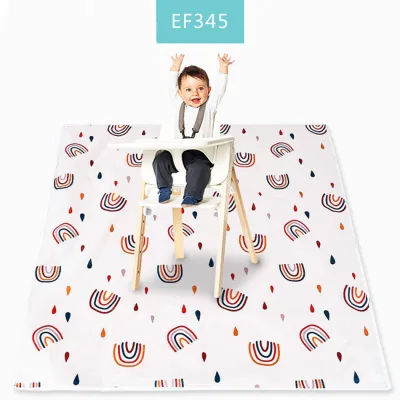
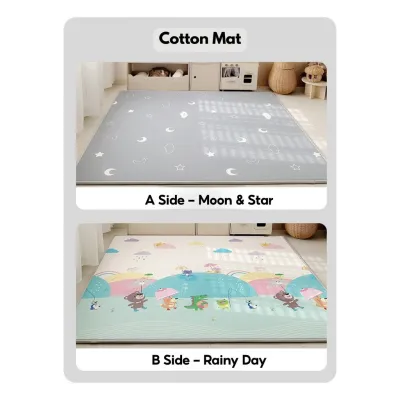
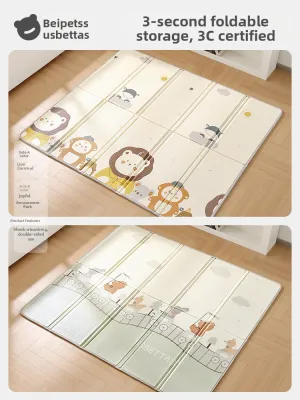
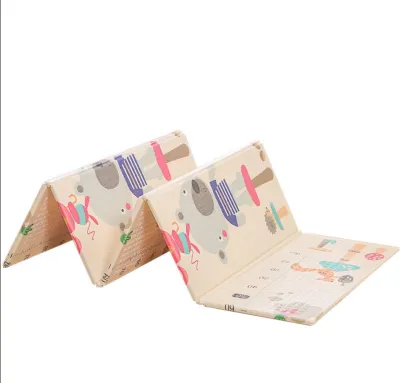
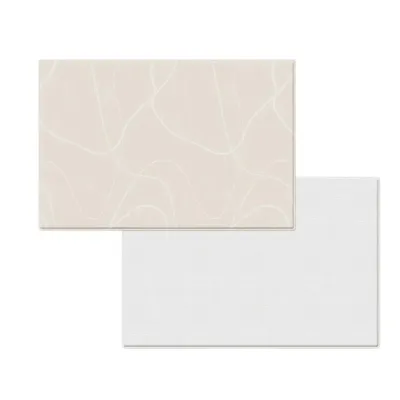
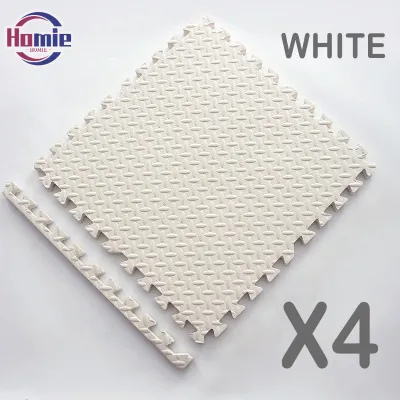
Prices are valid at publication and may change. Please refer to the product page for the latest price.
The construction of the bottom layer is critical for protecting your baby from the elements. Outdoor surfaces in Singapore are frequently damp due to morning dew or tropical humidity, meaning a high-quality moisture barrier is indispensable. Check the product specifications for a waterproof or highly water-resistant bottom layer, often made from materials like polyurethane or specially treated polyester. This layer must also provide adequate slip prevention to keep the mat stable on slick grass, loose sand, or smooth park pavements. A textured or high-grip underside helps prevent the mat from sliding when your baby starts to crawl, roll, or take their first steps.
On the top surface, the texture and material must be optimized for easy cleaning and resistance to outdoor debris. Grass clippings, sand, dirt, and spilled snacks are inevitable during outdoor play, so the surface should allow you to easily wipe away messes with a damp cloth or baby wipe. Avoid deeply textured patterns that can trap dirt and crumbs, opting instead for smooth or lightly embossed surfaces that resist staining. The material should also be durable enough to withstand friction from outdoor footwear, toys, and the occasional rough surface underneath without tearing or puncturing.
Finally, Singapore’s intense sunlight requires you to pay close attention to heat tolerance and UV resistance. Some materials can degrade rapidly when exposed to direct sunlight, leading to fading, cracking, or a sticky surface texture. Review the manufacturer’s labels to see if the mat has been treated for UV resistance or if it is rated for high-temperature exposure. A mat that absorbs too much heat can quickly become uncomfortable or even unsafe for a baby’s delicate skin, so choosing materials that remain cool to the touch under moderate sunlight is a significant advantage for local outdoor use.
Material Safety and Comfort Checks for Outdoor Surfaces
Ensuring the material safety of an outdoor baby mat is paramount, as your baby’s bare skin will have direct, prolonged contact with the surface. Start by thoroughly reading the product tags, packaging, and manufacturer specifications to confirm the absence of harmful chemicals. Look for explicit statements verifying that the mat is free from bisphenol A (BPA), phthalates, lead, latex, and heavy metals. Because babies frequently explore their environment by touching and tasting surfaces, verifying these chemical-free claims through recognized safety standards is a crucial step in protecting their health.

Cushioning is another vital factor, especially when placing the mat on hard or uneven outdoor ground like concrete plazas, wooden decking, or root-filled park lawns. Compare the foam thickness and density indicators provided by the manufacturer. While a thicker mat generally offers better impact protection, density is equally important; high-density foam provides firm support that prevents your baby from sinking straight through to the hard ground below. For outdoor use, a thickness of at least one to two centimeters of high-density foam is often recommended to cushion falls during tummy time or early sitting milestones.
The local climate demands materials that offer excellent breathability to prevent your baby from overheating. In Singapore’s warm and humid weather, non-breathable synthetic surfaces can trap body heat and sweat, leading to discomfort and heat rashes. Look for mats that incorporate breathable top layers or specialized foam structures that promote airflow. If you choose a waterproof synthetic mat, ensure you dress your baby in lightweight, breathable clothing, or consider placing a thin, washable cotton muslin sheet over the mat to enhance comfort during warm afternoons.
Over time, exposure to outdoor elements, friction, and frequent cleaning will inevitably cause wear and tear. It is essential to recognize when a mat has reached the end of its safe lifespan. Inspect the mat regularly for signs of degradation, such as peeling coatings, crumbling foam, or deep tears. These damaged areas not only compromise the cushioning and moisture protection of the mat but can also harbor harmful bacteria and mold that are difficult to clean. If you notice any structural breakdown or if the material begins to flake off, stop using the mat immediately to prevent your baby from inhaling or ingesting loose particles.
How to Build a Shortlist of Trustworthy Brands
Building a shortlist of reliable baby mat brands requires a systematic approach that filters out marketing hype in favor of verifiable quality. Begin your research by visiting official brand websites and authorized local retailers. Reliable brands typically provide clear, accessible information regarding their warranty policies, return conditions, and customer support channels. A brand that stands behind its product will offer a reasonable warranty period against manufacturing defects, which is a strong indicator of durability and manufacturing quality.
Transparency in manufacturing is another hallmark of a trustworthy brand. Look for companies that openly disclose the origins of their materials and provide detailed information about their compliance with international safety standards, such as EN71 in Europe or ASTM in the United States. Brands that are vague about their material composition or manufacturing processes should be approached with caution. By choosing manufacturers that prioritize transparency, you can have greater confidence in the safety and consistency of the product you are bringing home for your baby.
To gauge real-world performance, analyze verified purchaser reviews, paying close attention to feedback that specifically mentions outdoor use. Look for comments detailing how well the mat holds up over months of park visits, whether the seams remain intact after repeated folding, and how easily the surface cleans after exposure to mud or sunscreen. Be analytical when reading reviews; look for consistent patterns of praise or complaint rather than isolated comments. Reviews that describe how the mat performs in tropical or humid conditions are particularly valuable for parents living in Singapore.
Be skeptical of brands that make unsubstantiated or exaggerated claims, such as promising absolute waterproofing under all conditions or declaring their mats to be completely indestructible. All materials have physical limits, and honest brands will provide realistic guidelines on how to use and care for their products. Avoid manufacturers that fail to provide clear care instructions, as improper cleaning can quickly ruin a high-quality mat. By focusing on brands that offer realistic product descriptions, clear safety certifications, and robust customer support, you can build a reliable shortlist that meets your family’s outdoor needs.
Cleaning, Storage, and Maintenance for Longevity
Proper maintenance is key to keeping your outdoor baby floor mat hygienic and extending its usable lifespan. Always follow the manufacturer’s specific cleaning instructions, as different materials require different care routines. For general maintenance after an outdoor trip, wipe down the surface with a soft cloth and mild, baby-safe soapy water to remove dirt, grass stains, and sunscreen residue. Avoid using harsh chemical cleaners, bleach, or abrasive scrubbing pads, as these can degrade the protective waterproof coatings and damage the foam structure.
A thorough drying routine is essential to prevent the growth of mold and mildew, which thrive in Singapore’s warm, humid environment. After wiping down your mat, allow it to air dry completely in a well-ventilated, shaded area before folding or rolling it up for storage. Never pack away a damp mat, as trapped moisture can quickly lead to unpleasant odors and mold spots that are incredibly difficult to remove. If the mat gets caught in a sudden tropical downpour, dry it off as much as possible with a towel before transporting it, and unfold it fully to dry as soon as you return home.
When storing the mat at home, choose a cool, dry location away from direct sunlight and extreme heat sources. Prolonged exposure to heat, such as inside a hot car trunk or near a sunny balcony, can warp the foam and cause the outer layers to peel or crack. Keep the mat away from sharp household objects, pet claws, and heavy items that could puncture the surface or leave permanent indentations. Storing the mat in its original travel bag or a protective sleeve can help shield it from dust and accidental damage between outings.
Finally, know when it is time to consult the manufacturer or replace the mat entirely. If you notice persistent musty odors that do not disappear after cleaning, deep creases that do not flatten out, or structural damage like separating seams, the mat’s safety and hygiene may be compromised. Some manufacturers offer replacement parts or specific repair advice for minor issues, but if the core foam is damaged or the moisture barrier is breached, replacing the mat is the safest course of action to ensure your baby continues to have a clean, cushioned space to play.
Frequently Asked Questions (FAQ)
Can I use an indoor baby floor mat for outdoor picnics?
While it may be tempting to take your indoor baby floor mat to the park, indoor mats are generally not designed to withstand outdoor conditions. Indoor mats often lack the necessary moisture barriers on the bottom layer, meaning dampness from the grass can seep through and wet your baby’s clothing. They also typically lack the puncture resistance required to protect against sharp twigs, pebbles, or rough ground surfaces, which can easily tear delicate indoor materials.
Furthermore, indoor mats are often made from materials that are difficult to clean when exposed to outdoor elements like mud, grass stains, and sand. Taking an indoor mat outside can also expose it to UV rays that can degrade the material quickly, causing it to fade, crack, or become sticky. To ensure safety, hygiene, and product longevity, always check the manufacturer’s guidelines to confirm if a mat is explicitly rated for outdoor use before taking it outside.
How do I know if a portable mat is thick enough for my baby?
The ideal thickness of a portable mat depends largely on your baby’s developmental stage and the specific outdoor terrain you plan to visit. For younger babies who are primarily practicing tummy time or rolling, a slightly thinner mat of around one centimeter may be sufficient if placed on soft grass. However, as your baby begins to sit up, crawl, or attempt to stand, they will require more substantial cushioning to protect them from accidental tumbles on hard park pavements or uneven ground.
To assess whether a mat is thick enough, test it on the actual outdoor surface by pressing your hand firmly into the foam; you should not feel the hard ground underneath. Keep in mind that you must balance thickness with portability. Extremely thick mats can be heavy and bulky to fold, making them difficult to carry on outdoor trips. Look for high-density foam mats that offer excellent impact absorption without excessive bulk, allowing you to enjoy both comfort and convenience during your outings.
Community discussion
Share your experience or ask a question. Comments are reviewed before publication.