
To store expressed breast milk safely using breast pump storage bags, you must maintain a strict hygiene routine, leave adequate space for expansion, seal the bag tightly after removing excess air, and store it at the correct temperature. In Singapore’s warm and humid tropical climate, maintaining the cold chain is especially critical to prevent bacterial growth and preserve the nutritional value of your breast milk. Using dedicated storage bags designed specifically for freezing breast milk ensures that the delicate nutrients are protected from freezer burn and contamination. While the process may seem straightforward, mastering the nuances of handling, sealing, and thawing these bags can prevent costly leaks and ensure your baby receives safe, high-quality nutrition.
Preparing for Safe Milk Expression and Storage
Hygiene is the foundation of safe milk storage, as breast milk is a living substance that can easily harbor bacteria if exposed to contaminants. Before you begin handling your breast pump or storage bags, wash your hands thoroughly with soap and water for at least 20 seconds, paying close attention to the backs of your hands, between your fingers, and under your nails. Clean and sanitize the countertop, table, or surface where you will be preparing the bags to prevent environmental pathogens from transferring to the sterile plastic. If you are pumping in a communal space or office lactation room, using a clean paper towel or a dedicated sanitizing wipe on the surface is an excellent precautionary measure.
Before opening a new breast pump storage bag, inspect its physical integrity to ensure it remains sterile. Check the outer packaging for any signs of damage, punctures, or tears, and verify that the bags are pre-sterilized as indicated by the manufacturer. Avoid using bags that have passed their expiration date or show visible defects in the seams, as these can compromise the sterile environment inside and lead to premature spoilage. It is also wise to check the manufacturer’s instructions regarding the material composition, ensuring the bags are free from bisphenol A (BPA) and other potentially harmful chemicals.
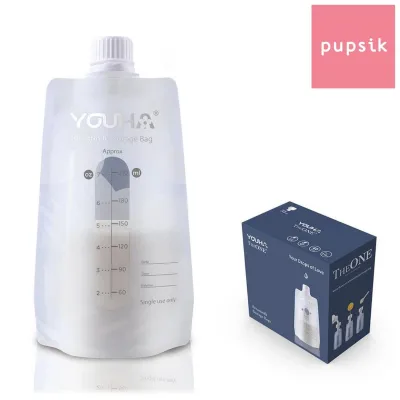
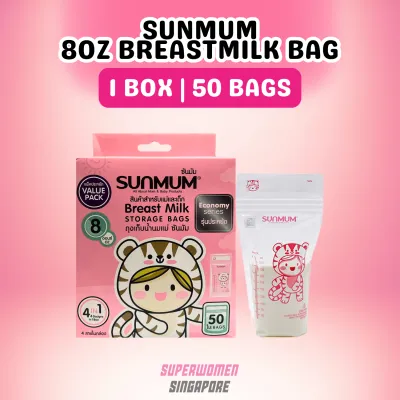
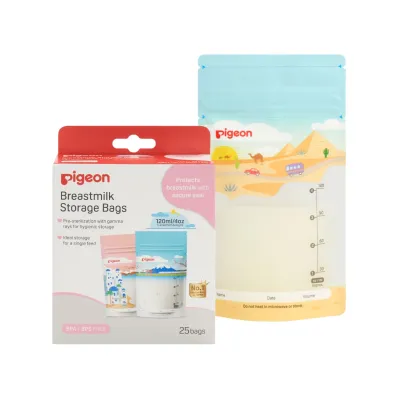
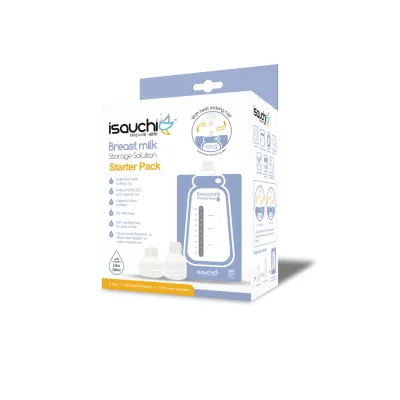
Products mentioned in this guide
![[ARIA] Breast Pump Pouch | Breast Pump Storage Bag | Breast Pump Bag | Food Storage Bag | Food Container](https://img.lazcdn.com/g/ff/kf/S58e14a65e2f14be1b6f1487bbb0b967cF.jpg_400x400q80.jpg_.webp)
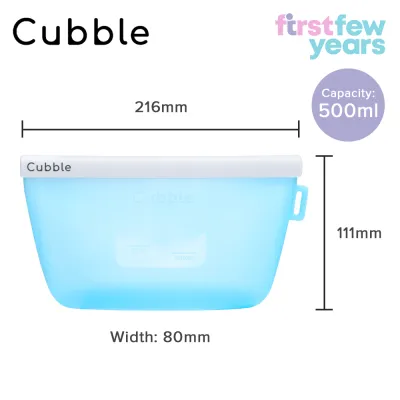
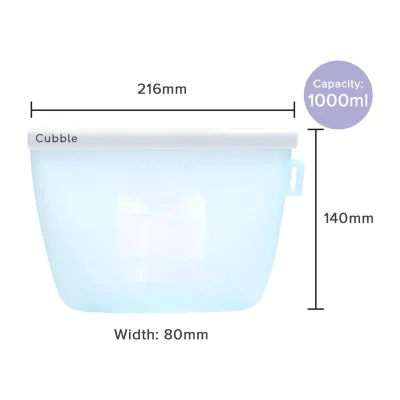
Prices are valid at publication and may change. Please refer to the product page for the latest price.
If you plan to pump directly into the storage bag, verify the compatibility between your breast pump flanges and the bag before you begin. Many brands require a specific breast pump adapter—such as a clip, screw-on connector, or slide-on attachment—to secure the bag directly to the pump body. Ensure these adapters are clean, sanitized, and fit snugly to prevent the bag from slipping off mid-pump, which could lead to spilled milk and contamination. Taking a moment to test the connection before starting your pump session can save you from the frustration of lost milk.
Step-by-Step Guide to Filling and Sealing Bags
When transferring expressed milk into the storage bag, pay close attention to the volume markings on the side of the plastic. Liquid expands when frozen, so it is vital to leave at least an inch of space at the top of the bag, below the zipper line. Overfilling the bag past the recommended maximum line is a primary cause of split seams and leaks during the freezing process, as the expanding ice needs room to spread. If you are pumping large volumes, it is safer to distribute the milk across multiple bags rather than pushing the limits of a single container.

Before sealing the bag, gently press out any excess air from the bottom upward, moving your fingers toward the opening. Removing air minimizes oxidation, which helps preserve the quality of the milk fats and prevents the development of off-flavors during storage. Once the air is expelled, firmly press the ziplock seal from one end to the other, verifying that both tracks are fully locked. Many high-quality bags feature a double-zipper design that provides an audible click or a visible color change to confirm a secure seal, which you should always double-check visually.
Always label the bag immediately after sealing, before it goes into the refrigerator or freezer. Use a permanent, non-toxic marker to write the date, time of expression, and the volume on the designated label area, which is usually separated from the main milk compartment to prevent ink from leaching through the plastic. If your child attends a childcare centre in Singapore, you should also write their full name on the label to avoid any mix-ups with other children’s milk. Keeping accurate labels ensures you can easily track the freshness of your stash and maintain a safe feeding schedule.
Storing and Organizing Expressed Milk
To maximize freezer space and ensure even freezing, lay the filled storage bags completely flat on a clean shelf or tray. Once the bags are frozen solid, you can stack them vertically in a storage bin, container, or dedicated freezer organizer. Flat-frozen bags not only thaw much faster and more evenly but are also less prone to developing sharp edges that can puncture adjacent bags. If you have limited freezer space, laying the bags flat is the most efficient way to build an organized, space-saving milk bank.
Understanding temperature zones within your appliance is crucial for maintaining milk safety. Store the bags in the coldest part of the refrigerator or freezer, which is typically at the back of the shelf, away from the door. Avoid storing milk in the door shelves, as the frequent opening and closing causes temperature fluctuations that can accelerate spoilage. In Singapore’s tropical climate, where ambient kitchen temperatures can be high, keeping your cooling appliances running efficiently and avoiding prolonged door-opening is essential for preserving the cold chain.
Because storage guidelines can vary based on your specific appliance and local health recommendations, always verify the safe storage durations with local health authorities, such as Singapore’s Health Promotion Board, or consult your pediatrician. Generally, milk can be kept in a standard refrigerator for a few days or in a deep freezer for several months, but verifying these limits ensures you are always serving the freshest milk. If you are unsure about the temperature stability of your freezer, keeping a dedicated appliance thermometer inside can help you monitor and verify that it remains at or below the recommended freezing temperatures.
Implement a strict “first in, first out” (FIFO) system to organize your stored milk. Arrange the bags chronologically so that the oldest milk is positioned at the front or top of your storage container, making it the first to be thawed and used. This simple organizational habit prevents older bags from being forgotten at the back of the freezer and eventually expiring. You can use color-coded bins or labeled dividers to make this system easy for other family members or caregivers to follow.
Thawing and Warming Milk Safely
Thawing frozen breast milk requires a gentle approach to preserve its immunological properties and delicate nutrients. The safest method is to transfer the frozen storage bag to the refrigerator and let it thaw slowly overnight. If you need the milk immediately, you can place the sealed bag into a bowl of lukewarm water or hold it under running warm water, ensuring the water level stays below the bag’s seal to prevent contamination. Avoid using hot water, as rapid temperature changes can degrade the milk’s quality.
Never use a microwave or boiling water to thaw or heat breast milk. Microwaves heat liquids unevenly, creating localized “hot spots” that can severely burn your baby’s mouth, and the intense heat destroys the beneficial antibodies and enzymes in the milk. Similarly, boiling water can degrade the plastic of the storage bag, potentially releasing chemicals or causing the bag to burst. Stick to gentle, controlled warming methods to ensure the milk remains safe and nutritious for your infant.
Once the milk is thawed, gently swirl the bag to redistribute any fat that has separated during storage; avoid shaking the bag vigorously, as this can break down the milk’s protective proteins. If your storage bag is not explicitly designed with a built-in spout for direct feeding, carefully pour the milk into a clean, sanitized feeding bottle before warming it to body temperature. Always test the temperature of the milk on the inside of your wrist before offering it to your baby to ensure it is comfortably warm and safe.
Troubleshooting Leaks and Avoiding Common Mistakes
Leaking seals are a common frustration but are highly preventable. If you notice milk seeping from the top of the bag, it is usually due to overfilling or failing to clear milk residue from the ziplock track before sealing. To prevent this, always pour milk slowly, keep the seal area dry, and double-check that the double-zipper is completely locked before laying the bag flat. If you discover a bag has leaked during the thawing process, discard the milk immediately, as it may have been exposed to external contaminants.
Before feeding your baby, always inspect the thawed milk for signs of spoilage. While breast milk naturally separates into a creamy layer and a watery layer, these layers should easily recombine when gently swirled. If the milk has a sour, rancid smell, or if the separated layers remain clumpy and refuse to mix, the milk may have spoiled and should be discarded. Trust your senses, and if you are ever in doubt about the safety of a batch of milk, consult a lactation consultant or healthcare professional.
Never refreeze breast milk once it has been completely thawed. Thawing allows bacteria to begin multiplying, and refreezing does not destroy these microorganisms; instead, it can lead to bacterial contamination that poses health risks to your baby. Additionally, any milk left over from a feeding session must be discarded within two hours, as bacteria from the baby’s saliva can quickly multiply in the remaining milk. Understanding these boundaries is key to protecting your baby’s developing immune system.
Frequently Asked Questions (FAQ)
Can I reuse breast pump storage bags?
No, commercial breast pump storage bags are strictly designed for single-use only. Standard household washing and sterilization methods cannot guarantee the complete removal of milk fat residues and microscopic bacteria from the tight corners and seams of the plastic. Furthermore, the plastic material and ziplock seals degrade after their first use, significantly increasing the risk of leaks, tears, and contamination if reused. For safe storage, always use a fresh, pre-sterilized bag for each expression session.
Can I pump directly into the storage bag?
Yes, you can pump directly into many storage bags, provided you use compatible equipment. You will need to verify if your breast pump brand offers dedicated adapters that securely clamp or screw onto the storage bag’s opening. When pumping directly, ensure the bag is suspended securely and supported from underneath so that the weight of the collecting milk does not pull the bag off the flange, resulting in spills. Always handle the bag gently during the pumping process to avoid putting unnecessary stress on the plastic seams.

Community discussion
Share your experience or ask a question. Comments are reviewed before publication.