
Cleaning a newborn baby requires a gentle touch and a clear understanding of infant anatomy. Many new parents feel anxious about grooming delicate areas like the ears and nose, wondering how to maintain hygiene without causing accidental harm. The most important rule of infant grooming is that cotton buds should only ever be used on the visible, outer surfaces of your baby’s ears and nose. Under no circumstances should any object be inserted into the ear canal or deep nasal passages. By mastering the correct techniques and choosing the right tools, you can safely keep your baby clean and comfortable.
Newborn skin is exceptionally thin and sensitive, making it highly susceptible to scratches, irritation, and infections. The lining of the nasal passages and the ear canal is even more delicate, containing tiny blood vessels that can easily rupture if disturbed. Because of these vulnerabilities, infant grooming requires specialized techniques that differ significantly from adult personal care routines. Understanding these physical differences is the first step toward establishing a safe and stress-free grooming routine for your little one.
Understanding the Safety Boundaries of Baby Cotton Buds
To clean your newborn safely, you must first understand where the boundaries of safe cleaning lie. The primary rule of infant ear and nose care is to focus exclusively on the exterior surfaces. This means cleaning only the parts of the ear and nose that you can easily see from the outside. Attempting to clean inside the ear canal or deep within the nostrils is not only unnecessary but also highly risky.
Products mentioned in this guide


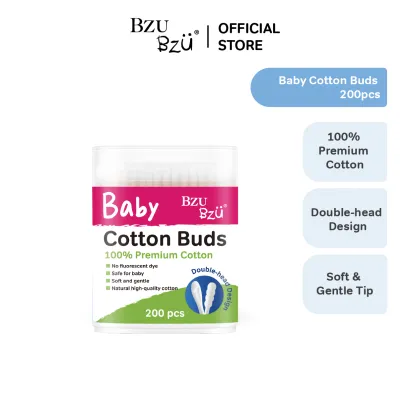

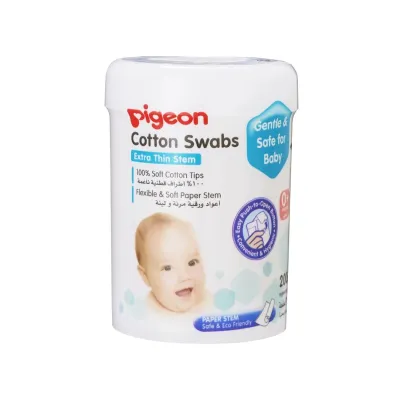
Prices are valid at publication and may change. Please refer to the product page for the latest price.
The human ear is equipped with a highly efficient, natural self-cleaning mechanism. Earwax, or cerumen, is not dirt; rather, it is a protective substance produced by the body to trap dust, debris, and bacteria. Over time, this wax naturally migrates from the inner ear canal to the outer ear, carrying trapped particles with it. Once the wax reaches the outer ear, it can be safely wiped away during regular bath time. Inserting a cotton bud into the canal disrupts this natural process, pushing the wax deeper and potentially causing painful impactions.
Similarly, the nasal passages are lined with microscopic hairs and mucus that naturally trap and expel airborne particles. While it is common for newborns to accumulate visible, dried mucus near the entrance of their nostrils, the deeper nasal cavity should be left alone. Pushing a cotton bud into the nose can irritate the sensitive mucous membranes, trigger swelling, or cause nosebleeds.
There are specific situations where you should avoid using cotton buds altogether. If you notice any redness, swelling, or skin peeling around your baby’s ears or nose, hold off on grooming those areas. Visible discharge that is yellow, green, or foul-smelling can indicate an infection, which requires professional medical evaluation rather than home cleaning. If your baby shows signs of discomfort, such as pulling at their ears or crying when the area is touched, consult your pediatrician before attempting any grooming.
Choosing and Preparing the Right Tools
Selecting the appropriate tools is critical for ensuring your baby’s safety during grooming. Standard adult cotton buds are entirely unsuitable for infants because their tips are too narrow and their stems are often too rigid. Instead, look for cotton buds specifically designed for babies, which feature a unique safety bulb shape. This design includes a wider base just behind the cotton tip, which physically prevents the bud from being inserted too deeply into delicate cavities.

When shopping for grooming supplies, products like tolly joy baby cotton buds serve as an excellent reference point for infant-safe design. These specialized buds typically feature soft, high-quality cotton tips securely bonded to flexible paper stems. The flexibility of a paper stem is a crucial safety feature, as it bends under pressure rather than snapping or applying excessive force against your baby’s skin. Always inspect the product packaging to verify that the cotton is pure and free from harsh chemical treatments, optical brighteners, or artificial fragrances.
Before you begin cleaning, take a few moments to prepare yourself and your environment. Choose a well-lit room where you can clearly see the fine details of your baby’s ears and nose. Ensure the room is warm and free from drafts, especially if you are grooming your baby after a bath. Wash your hands thoroughly with soap and warm water for at least twenty seconds to prevent transferring any bacteria to your newborn’s sensitive skin.
It is equally important to ensure your baby is in a calm and cooperative state before starting. Attempting to clean a hungry, tired, or crying baby increases the risk of sudden movements that could lead to injury. Many parents find that the best time for grooming is immediately after a bath when the baby is relaxed and any dried mucus or earwax has been naturally softened by the warm moisture. Keep all your supplies, including the baby cotton buds and a clean damp washcloth, within arm’s reach so you never have to leave your baby unattended.
Safe Steps for Cleaning Your Newborn's Ears
When you are ready to clean your newborn’s ears, start by securing them in a stable and comfortable position. Lay your baby flat on their back on a secure surface, such as a changing table or a firm mattress. Gently turn your baby’s head to one side so that the ear you plan to clean is facing upward. Use one of your hands to gently cup and support their head, which helps minimize sudden jerks or turns during the process.
Hold the baby cotton bud near the tip to give yourself maximum control over your movements. Gently wipe the outer folds of the ear, known as the pinna, using light, outward strokes. Focus on clearing away any dried spit-up, milk residue, or dust that may have accumulated in the crevices of the outer ear. In warm, humid climates like Singapore, sweat and dust can easily accumulate behind a baby’s ears, so you can also use the bud to clean the flat area directly behind the earlobe where moisture frequently gathers.
Throughout this process, maintain a strict boundary: never allow the cotton bud to enter the ear canal opening. Even if you see wax sitting just inside the opening, resist the urge to dig it out. Instead, wait for the wax to migrate fully onto the outer ear surface where it can be safely wiped away. If your baby squirms or resists, pause immediately and soothe them before continuing.
Always be prepared to stop the grooming session if your baby becomes distressed. If they begin to cry, thrash, or turn their head away repeatedly, put the cotton bud down and try again another day. Forcing the issue increases the likelihood of an accidental slip, which could scratch the delicate skin of the ear or damage the eardrum. Safety and comfort should always take precedence over complete cleanliness.
Safe Steps for Clearing Your Newborn's Nose
Clearing a newborn’s nose requires a similarly cautious approach, as babies are obligate nasal breathers and rely heavily on clear airways. If you notice visible, dried mucus blocking the entrance of your baby’s nostrils, the first step is to soften it. Attempting to remove dry, crusty debris can pull on the delicate nasal lining, causing pain or minor bleeding. You can soften the mucus by grooming your baby after a warm bath, or by applying a drop of sterile saline solution to each nostril as advised by your pediatrician.
Once the mucus is softened, take a fresh baby cotton bud and hold it securely. Gently place the soft cotton tip against the outer rim of the nostril. Using a slow, rolling motion, lift the visible debris away from the nostril opening. Do not push the cotton bud upward into the nasal cavity; instead, keep the movement superficial and sweep outward.
Never attempt to scrape the inner walls of the nose or use force to dislodge stubborn blockages. The nasal membranes are highly vascular and can swell quickly in response to irritation, which actually worsens congestion. If the mucus does not come away easily with a gentle sweep, leave it alone and allow the natural moisture of the nose to loosen it further over time.
For deeper nasal congestion that interferes with your baby’s feeding or sleeping, cotton buds are not the appropriate tool. In these situations, consult your healthcare provider about using safer alternatives, such as a silicone bulb syringe or a manual nasal aspirator. These devices use gentle suction to draw out mucus from deeper within the nasal passages without making direct contact with the sensitive inner linings.
Common Mistakes and When to Seek Medical Advice
One of the most common mistakes parents make is using standard adult cotton buds for infant grooming. The narrow tips of adult buds can easily slip into tiny ear canals and nostrils, significantly increasing the risk of internal injury. Another frequent error is attempting to clean a baby’s ears or nose while they are actively crying, squirming, or resisting. It is always safer to postpone grooming until your baby is calm, sleepy, or relaxed after a bath.
Parents should also avoid the temptation to perform deep earwax removal at home. Trying to extract deep wax with cotton buds, hairpins, or any other tool can pack the wax tightly against the eardrum, leading to pain, temporary hearing loss, or infection. Remember that a small amount of visible earwax is healthy and normal; it does not require aggressive removal.
You should stop home grooming and seek professional medical advice if you observe any warning signs. Contact your pediatrician if you notice clear, yellow, or bloody fluid draining from your baby’s ears or nose. Other red flags include a foul odor coming from the ear canal, persistent redness or swelling around the outer ear, or if your baby cries inconsolably and rubs or pulls at their ears constantly. These symptoms can point to an ear infection or an accidental scratch that requires medical evaluation.
When it comes to caring for a newborn, the guiding principle should always be “less is more.” Gentle, superficial cleaning of the outer surfaces is all that is required to keep your baby clean. If you are ever uncertain about how to handle a specific grooming challenge, or if your baby seems to have chronic congestion, always prioritize professional medical advice over home remedies or online tips.
Frequently Asked Questions (FAQ)
Can I use regular adult cotton buds if I am careful?
No, you should not use regular adult cotton buds on a newborn, even with extreme care. Adult cotton buds are designed with narrow tips and rigid plastic or wooden stems that do not account for the tiny dimensions and delicate tissues of an infant. Baby-specific cotton buds, such as Tolly Joy baby cotton buds, feature a specialized safety bulb shape that physically limits how deep the tip can go, along with flexible paper stems that bend under pressure to prevent accidental injury. Using adult variants significantly increases the risk of scratching the ear canal or puncturing the eardrum during sudden movements.
How often should I clean my newborn's ears and nose?
Routine daily cleaning of your newborn’s inner ears and nose is unnecessary and can disrupt their body’s natural self-cleaning processes. You should only clean these areas when you see visible dirt, dried spit-up, or softened mucus on the outer surfaces, which typically occurs once or twice a week. Incorporating a quick, gentle wipe of the outer ear folds and the outer rim of the nostrils into your baby’s regular bath time routine is usually sufficient. If there is no visible buildup, it is best to leave these delicate areas alone to prevent unnecessary skin irritation.

Community discussion
Share your experience or ask a question. Comments are reviewed before publication.