
Trimming a newborn’s nails can feel like a daunting task for many new parents. A baby’s tiny fingers and delicate skin require a gentle touch, and the fear of causing accidental discomfort is a common concern. Newborn nails grow surprisingly fast and can be quite sharp, often leading to accidental scratches on their own face. Using a dedicated grooming tool, such as a Pigeon nail trimmer, helps make this routine care task manageable and safe. By understanding the proper techniques, choosing the right moment, and preparing the environment, you can turn what seems like a stressful chore into a calm, bonding routine.
Newborns do not yet have full control over their hand movements, meaning those tiny, fast-growing nails can easily scratch their delicate facial skin. While their nails are soft and pliable, they are also firmly attached to the nail bed, making adult clippers highly unsuitable and risky. Using a tool specifically designed for infants, such as those from the Pigeon range, ensures that the cutting edges or filing surfaces are scaled to fit miniature fingers and toes.
Establishing a regular nail care routine early on helps keep your baby comfortable and scratch-free. The key to success lies not in rushing the process, but in understanding the physical characteristics of newborn nails and matching your technique to the specific tool you have. Whether you are using manual baby scissors or an electric nail file, taking a methodical approach will build your confidence and keep your little one safe.
Products mentioned in this guide
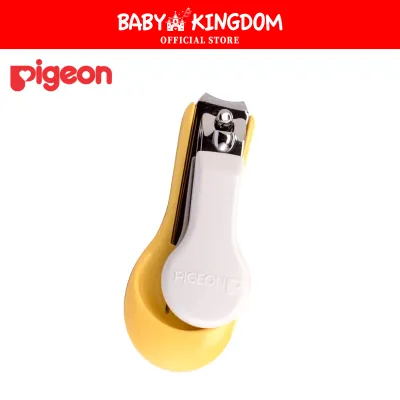
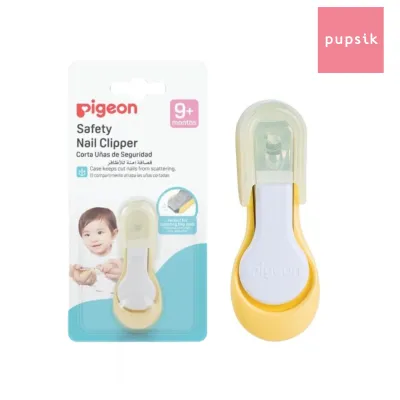
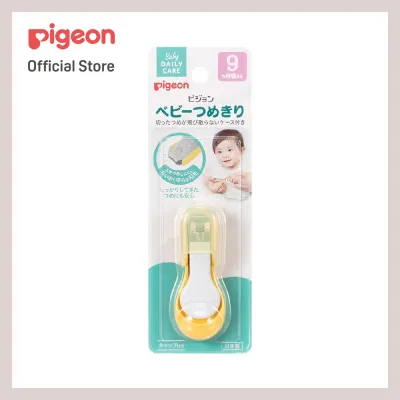
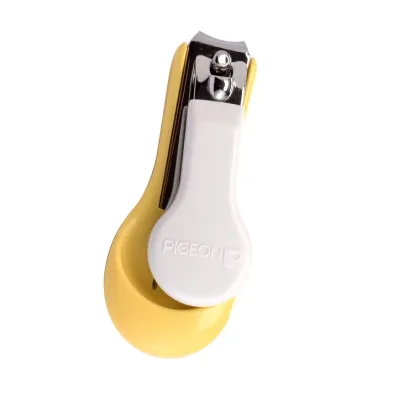
Prices are valid at publication and may change. Please refer to the product page for the latest price.
Preparing for the Nail Trimming Session
Setting up a calm, organized environment before you begin is essential for a smooth trimming session. Trying to locate your tools or adjusting the lighting while holding a squirming baby increases the risk of slips and uneven cuts. By preparing your space and gathering all necessary items beforehand, you can focus entirely on your baby’s hands and feet.
Timing is one of the most critical factors when planning to trim a newborn’s nails. Many experienced caregivers find that the best time to trim is when the baby is deeply asleep, as their hands are relaxed and their fingers are less likely to twitch. Alternatively, trimming during or immediately after a feed can work well, as babies are typically calm, content, and less prone to sudden movements. Some parents also prefer the post-bath window when the nails are at their softest, though you must ensure the baby is warm and settled first.
Adequate lighting is non-negotiable when working with such small surfaces. Position yourself near a bright window during the day, or use a direct, adjustable lamp if you are trimming indoors or at night. You need to clearly distinguish the thin, translucent edge of the nail from the pink nail bed underneath. If the room is dimly lit, you are far more likely to misjudge the distance and accidentally nick the surrounding skin.
Before you bring your baby to the trimming area, gather all your supplies within arm’s reach. This includes your chosen Pigeon trimmer, a clean, dry cloth to wipe away nail dust or clippings, and any comforting items like a favorite swaddle or pacifier. Having everything prepared means you will never have to leave your baby unattended or awkwardly reach across a table mid-session.
Hygiene is paramount when handling tools that come into contact with your baby’s skin. Always wash your hands thoroughly with soap and water before starting. Inspect the trimmer to ensure it is clean and free from any residue from previous uses. If the manufacturer’s care instructions permit, wipe the grooming surfaces with a gentle sanitizing solution or a clean cloth to maintain a hygienic environment for your newborn.
Identifying Your Specific Pigeon Nail Trimmer
Before you begin the actual trimming process, it is vital to identify the exact type of Pigeon nail care tool you are using. The brand offers different designs tailored to various developmental stages, and the physical technique required for manual scissors is completely different from that of an electric file. Using the wrong technique for your specific model can lead to ineffective trimming or accidental injury.

Check the product packaging, manual, or the tool itself to confirm whether you have newborn nail scissors, a standard baby clipper, or an electric nail file. Pigeon’s newborn scissors typically feature thin, curved blades with rounded tips designed specifically for the soft, paper-thin nails of babies under three months. Electric nail files, on the other hand, use rotating cushioned pads of varying grits to gently file down the nail edge without cutting.
Verify the age suitability markings on your specific product to ensure it matches your baby’s current stage. For example, some manual scissors are explicitly labeled for use from birth (0+ months), while others are intended for older infants whose nails have hardened slightly. If you are using an electric nail file, check the color-coded or numbered attachments to identify which pad is designated for newborns, as using an older infant’s attachment can be too abrasive for a newborn’s delicate skin.
Take a moment to inspect the tool for any visible signs of damage, dullness, or wear before placing it near your baby. Manual scissors should open and close smoothly without catching, and the blades must be free of rust or nicks. For electric models, verify that the batteries are functioning properly, the motor runs smoothly at a consistent speed, and the filing pad is securely attached and not worn down.
Always read and follow the manufacturer’s specific safety warnings and operational instructions included with your exact model. These guidelines provide crucial details on how to hold the tool, the recommended angles of use, and any specific cleaning restrictions. Keeping the original instruction manual in a safe, accessible place ensures you can refer back to it whenever you transition to a different attachment or need to troubleshoot the device.
Step-by-Step Trimming Technique for Newborns
Once your environment is prepared and you have verified your tool type, you can proceed to the actual trimming. Start by positioning your baby securely to prevent sudden shifts in posture. You can place the baby flat on a firm, comfortable surface like a changing mat, or hold them securely in your lap. If you are holding them, support their back and arm against your body, which helps stabilize their movements and gives you better control over their hand.
Gently but firmly hold the individual finger or toe you plan to trim. Use your thumb and forefinger to grip the baby’s finger near the joint, ensuring the rest of their hand is tucked away. Gently press the soft skin pad at the tip of the finger downward and away from the nail edge. This simple action creates a clear gap between the nail and the sensitive skin underneath, significantly reducing the risk of pinching or cutting the skin.
If you are using manual newborn scissors, align the curved blades with the natural curve of the baby’s fingernail. Make small, controlled cuts rather than trying to remove the entire nail edge in a single snip. Keep the blades angled slightly away from the finger pad. For toenails, it is generally recommended to cut straight across rather than following a deep curve, which helps prevent the edges from growing into the skin as the nail grows.
If you are operating an electric nail file, turn the device on to the lowest speed setting before bringing it to the nail. Hold the file at a slight angle against the nail edge and apply very gentle, brief touches. Let the rotating pad do the work; there is no need to press hard against the nail. Move the file smoothly along the curve of the nail, checking your progress frequently to avoid filing down too close to the nail bed.
After trimming each nail, use the pad of your own finger to gently feel the edges of your baby’s nail. Look for any sharp corners, jagged points, or leftover spikes that could easily scratch their face. If you find any rough spots, use a gentle baby emery board or the electric file on its lowest setting to smooth them out. Wipe the baby’s hand with a clean, damp cloth to remove any loose nail clippings or fine dust.
Safety Precautions and When to Stop
Safety during nail trimming relies heavily on your ability to read your baby’s cues and maintain control of the situation. Newborns can be unpredictable, and their sudden movements are the primary cause of grooming mishaps. Knowing when to pause or stop the session entirely is just as important as knowing how to cut the nails.
Pay close attention to your baby’s physical responses throughout the session. If your baby begins to squirm, pull their hand away repeatedly, or start crying, treat these as clear signals of distress. Do not attempt to force the trim or hold their hand down against their will. Pause the session immediately, soothe your baby, and plan to finish the remaining nails at a later time when they are more relaxed.
Never use adult nail clippers, adult scissors, or unverified household tools on a newborn’s fingers. Adult grooming tools are designed for much thicker, harder nails and lack the safety features, rounded tips, and small scale required for infant care. Using these tools significantly increases the risk of cutting the deep tissue of the finger pad or causing painful split nails.
Avoid attempting to trim your baby’s nails if you are feeling rushed, tired, or stressed. Your own anxiety or haste can lead to unsteady hands and poor judgment, making a mistake much more likely. If you find yourself struggling to see clearly due to changing light or if the baby is highly active, it is always safer to postpone the task. A half-trimmed hand is far better than an accidental injury.
Immediately after you finish trimming, store your Pigeon nail trimmer and all accessories safely out of reach of children. Even manual baby scissors with rounded tips can pose a hazard if handled by older siblings, and electric files contain small parts and batteries that must be kept secure. Storing the tools in their original protective case also helps keep them clean and free from dust or damage between uses.
Handling Accidental Nicks and Aftercare
Even with the utmost care and the best tools, accidental nicks can occasionally happen. If you do accidentally cut the skin or cause a minor nick, the most important first step is to remain completely calm. Babies take their emotional cues from their caregivers; if you panic or react loudly, your baby is likely to become startled and cry harder, making it more difficult to treat the area.
Immediately apply gentle, direct pressure to the nick using a clean, sterile gauze pad or a clean, soft cloth. Hold the pressure consistently for a few minutes until the bleeding stops completely. Avoid the temptation to repeatedly lift the cloth to check the wound, as this can disrupt the clotting process and prolong the bleeding. Keep the finger elevated slightly if possible to help reduce blood flow to the area.
Do not apply adhesive bandages or liquid plasters to a newborn’s fingers or toes. Newborns frequently put their hands in their mouths, and a loose bandage poses a severe choking hazard. Additionally, their delicate skin can easily become irritated by the strong adhesives used on standard bandages. Keeping the area clean and dry is generally sufficient for minor, superficial nicks.
Monitor the nick closely over the next few days for any signs of irritation or unusual changes. While minor cuts typically heal very quickly on newborns, you should consult a pediatrician if the cut appears deep, if the bleeding does not stop after several minutes of continuous pressure, or if you notice signs of infection such as redness, swelling, warmth, or discharge.
Frequently Asked Questions (FAQ)
How often should I trim my newborn's nails?
You should base your trimming schedule on visual observation of your baby’s nail length and sharpness rather than following a strict calendar. Newborn fingernails grow remarkably fast and may need to be checked or trimmed once or twice a week to prevent scratching. Toenails, however, tend to grow much more slowly and typically require less frequent attention, often only needing a trim once or twice a month. Regularly checking the state of their nails during quiet moments, such as bath time or while they are sleeping, will help you determine when it is time for a quick touch-up.
Can I use a Pigeon electric nail file on a sleeping newborn?
Yes, using an electric nail file while your baby is asleep is a popular method because it minimizes sudden movements. Before attempting this, check your specific model’s manual to understand its noise and vibration levels, ensuring it operates quietly enough not to startle your baby awake. Wait until your baby has entered a deep sleep phase—usually indicated by relaxed, still limbs and slow, regular breathing. Always use the lowest speed setting and ensure you are using the correct newborn-specific filing attachment to keep the process gentle and quiet.
How do I clean and maintain the Pigeon nail trimmer?
Proper maintenance ensures your grooming tools remain hygienic and function correctly over time. For manual tools like baby scissors, wipe the blades thoroughly with a clean, dry cloth or an alcohol wipe after each use, following the manufacturer’s care instructions. If you are using an electric nail file, gently brush away any accumulated nail dust from the attachments and store them in a dry, dust-free container. Never submerge electronic components or unapproved manual parts in water, as moisture can damage the internal motor or cause manual blades to degrade.

Community discussion
Share your experience or ask a question. Comments are reviewed before publication.