
Introducing peanut puffs to your baby is a practical way to introduce peanut protein early, which modern pediatric guidelines suggest can help reduce the risk of developing a peanut allergy. Most babies are ready to start this journey around six months of age, provided they show clear signs of developmental readiness for solid foods. By choosing a calm daytime window, preparing the puff to match your baby’s chewing skills, and closely monitoring their reaction, you can make this milestone both safe and stress-free.
When Is the Right Age to Introduce Peanut Puffs?
Determining the right time to introduce peanut puffs involves looking beyond the calendar. While many families begin introducing solid foods around six months of age, your baby’s physical development is the most reliable indicator of readiness. Before offering any dissolvable solid snack, you must verify that your baby can sit upright with minimal support and maintain excellent head and neck control. These physical milestones are essential for safe swallowing and significantly reduce the risk of choking.
Another critical developmental milestone is the disappearance of the tongue-thrust reflex. This natural reflex causes young infants to push solid objects out of their mouths with their tongue to prevent choking on non-liquid items. Once this reflex fades, your baby will be able to move food from the front of their mouth to the back to swallow it safely. If your baby still automatically pushes spoons or soft food out of their mouth, they are not yet ready for peanut puffs or other solid snacks.
Products mentioned in this guide
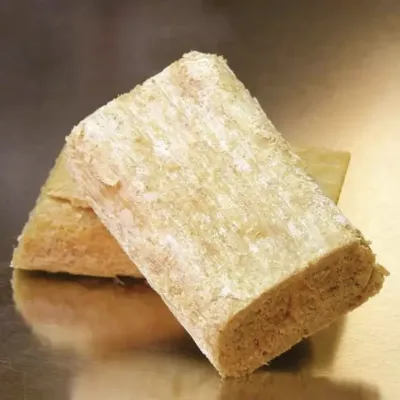
![[Yong Sheng] - Peanut Puff 贡糖](https://img.lazcdn.com/g/p/d8e4ba3bd8ab70ea29a5a56bbb47f046.jpg_400x400q80.jpg_.webp)
Prices are valid at publication and may change. Please refer to the product page for the latest price.
Chronological age alone should never be the sole deciding factor for introducing common allergens. Every infant develops at their own pace, and rushing the process before their digestive and motor systems are ready can lead to feeding aversion or safety hazards. You should always check the manufacturer’s packaging for specific age recommendations, as some brands design their puffs for older infants who have already mastered crawling or chewing more complex textures.
For babies with severe eczema, an existing egg allergy, or a family history of severe food allergies, the timeline requires extra caution. Medical professionals strongly advise consulting your pediatrician or a pediatric allergist before introducing peanut-containing foods to high-risk infants. Your doctor can help determine if an in-office allergy test or a supervised first feeding is necessary, ensuring your baby’s safety is prioritized from the very first bite.
How to Introduce Peanut Puffs Safely (Step-by-Step)
When you are ready to offer your baby their first peanut puff, timing is everything. Choose a feeding window during the day when your baby is fully alert, active, and not overly tired or fussy. It is best to schedule this introduction in the morning or early afternoon rather than close to bedtime. This timing ensures you have several hours of active observation afterward to monitor your baby for any delayed physical reactions or changes in behavior.

Proper positioning and environment are non-negotiable safety requirements during any feeding session. Always seat your baby completely upright in a secured high chair that provides adequate trunk support. Never offer snacks while your baby is reclining, crawling, walking, or playing, as these positions greatly increase the risk of inhalation or choking. Maintain direct, uninterrupted visual contact with your baby throughout the entire meal; do not leave the room or distract yourself with screens while they are eating.
For the very first taste, start with a highly controlled portion and pace. You can soften a single peanut puff with a few drops of breast milk, formula, or warm water to create a smooth, easily manageable puree. This method allows your baby to experience the flavor and protein of the peanut without having to navigate a solid texture immediately. If you choose to offer the puff dry, ensure it is a single, small piece and watch closely to see how your baby manipulates it in their mouth.
Observe how your baby handles the texture before offering more. A safe infant puff should dissolve rapidly when in contact with saliva, but you must verify this yourself by testing a puff from the batch before giving it to your child. Allow your baby plenty of time to chew, swallow, and clear their mouth completely before offering another piece. Keeping a small cup of water nearby can also help clear their palate and assist with swallowing once they are accustomed to the snack.
Recognizing and Managing Peanut Allergy Risks
As a caregiver, being able to identify the signs of an allergic reaction is crucial when introducing any highly allergenic food. Allergic reactions can range from mild skin irritations to severe, life-threatening systemic emergencies. During and after the feeding session, keep a close eye on your baby’s skin, breathing, and general demeanor. Reactions typically occur within minutes to two hours after ingestion, making immediate and focused observation essential.
Mild to moderate allergic reactions often manifest on the skin or in the digestive tract. You might notice hives, which are raised, red, itchy welts, or a localized red rash appearing around your baby’s mouth where the food made contact. Other common mild symptoms include sudden fussiness, mild vomiting, or loose stools shortly after eating. If you observe any of these mild signs, stop feeding the peanut puffs immediately, wash your baby’s face and hands to remove any remaining residue, and contact your pediatrician for guidance.
Severe allergic reactions, known as anaphylaxis, are medical emergencies that require immediate action. Red flags of a severe reaction include swelling of the lips, tongue, or throat, which can cause your baby to wheeze, cough hoarsely, or struggle to breathe. You may also notice sudden pale skin, blue-tinted lips, extreme lethargy, or a limp body. If your baby displays any of these severe symptoms, call emergency services immediately and do not wait to see if the symptoms improve on their own.
To manage these risks effectively, establish a clear protocol before you begin the feeding session. Keep your pediatrician’s contact number and the local emergency services number easily accessible. If any unusual physical symptom or behavioral change occurs, document the exact time, what your baby ate, and take photos of any rashes or hives to show the medical professional. Never attempt to reintroduce the food at home if your baby has had any suspected allergic reaction without explicit medical clearance.
What to Look for When Buying Peanut Puffs
Not all peanut puffs available on supermarket shelves or online marketplaces are formulated with infants in mind. When shopping for baby snacks, you must carefully evaluate the product packaging and ingredient lists rather than relying on marketing claims. The ideal infant peanut puff should have a clean, simple ingredient profile that prioritizes whole foods and minimizes unnecessary additives.
Begin by checking the ingredient list for added sugars, excessive sodium, and artificial preservatives. Babies under twelve months of age do not need added salt or sugar in their diets, and high-sodium snacks can place unnecessary strain on their developing kidneys. Look for products where peanuts or peanut flour and a simple starch, like corn or rice flour, are the primary ingredients. Avoid snacks that contain artificial flavorings, colors, or hydrogenated oils.
Allergen labeling is another critical factor to verify on the packaging. Read the allergen statements carefully to understand if the product was manufactured in a facility that processes other allergens, such as tree nuts, soy, or wheat, if your baby has known sensitivities to those ingredients. While cross-contamination warnings are voluntary for manufacturers, they provide valuable context for families managing multiple food allergies.
Finally, verify the physical characteristics of the puff to ensure it matches your baby’s current oral motor skills. The puff should be sized appropriately for small hands to practice the pincer grasp, yet large enough that it does not pose an immediate swallowing hazard before dissolving. Test the texture of the puff between your own fingers; it should crumble or dissolve easily under light pressure and moisture. Always adhere to the manufacturer’s age and developmental stage guidelines printed on the box to ensure a safe feeding experience.
Frequently Asked Questions (FAQ)
Can babies with eczema eat peanut puffs?
Babies with eczema can often eat peanut puffs, but the introduction requires careful medical coordination. There is a well-established medical link between moderate-to-severe infantile eczema and an increased risk of developing food allergies, particularly to peanuts. Because of this connection, you should never introduce peanut products to a baby with severe eczema without first consulting your pediatrician or a pediatric allergist. Your doctor may recommend a skin prick test or a blood test to check for existing sensitivities, or they may advise performing the first introduction under medical supervision in their clinic to ensure immediate care is available if a reaction occurs.
What should I do if my baby gags on a peanut puff?
If your baby gags while eating a peanut puff, it is vital to stay calm and understand the difference between gagging and choking. Gagging is a normal, loud, and protective reflex where your baby may cough, sputter, make retching sounds, or turn red in the face as they push food forward to prevent it from entering their airway. If your baby is gagging, stay close, maintain eye contact, and let them work the food out on their own without sticking your fingers in their mouth, which can accidentally push the food deeper. In contrast, choking is silent and life-threatening; a choking baby cannot cry, cough, or breathe, and their skin or lips may turn blue. If your baby is choking, you must immediately perform infant first aid or chest thrusts and call emergency services.

Community discussion
Share your experience or ask a question. Comments are reviewed before publication.