
Introducing solid foods is an exciting milestone in your baby’s first year, bringing new flavors, textures, and colors to their high chair. Organic strawberries, with their vibrant red hue and natural sweetness, are an appealing option for families looking to expand their infant’s palate. However, because of their unique texture, small seeds, and potential to cause skin reactions, introducing these berries requires a thoughtful approach to timing, preparation, and safety.
Typically, babies can safely try organic strawberries around six months of age, provided they are developmentally ready for solid foods. At this stage, their digestive systems are mature enough to handle a variety of fruits, but the physical structure of the strawberry poses a distinct choking hazard if served whole. By modifying the texture through pureeing, mashing, or slicing, and by monitoring your baby closely, you can safely incorporate this fruit into their weaning journey.
When to Introduce Strawberries to Your Baby
Before offering strawberries, you must evaluate your baby’s individual developmental readiness rather than relying solely on their age. While six months is the standard recommendation for starting solids, babies develop at different rates. Introducing solid foods too early can increase the risk of choking or digestive discomfort, so observing physical milestones is essential.
Products mentioned in this guide
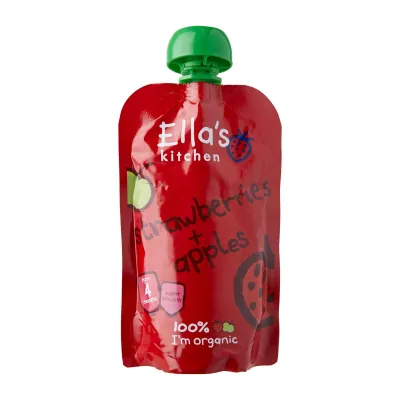
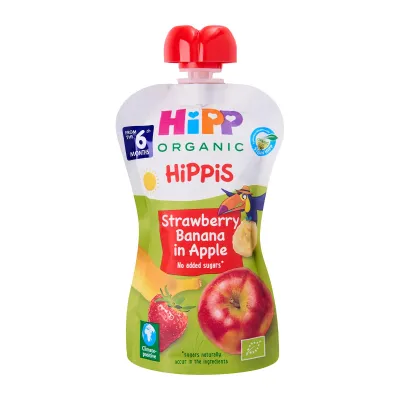

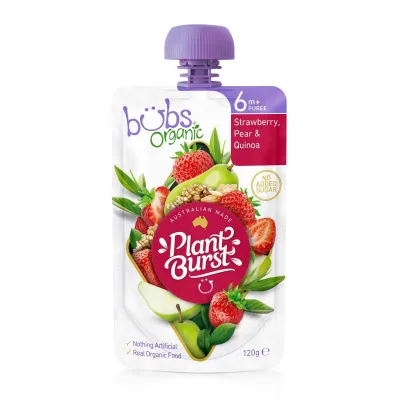
Prices are valid at publication and may change. Please refer to the product page for the latest price.
Your baby is generally ready to begin solids when they can sit upright with minimal support and maintain steady head control. They should also show interest in the food you are eating, reaching out for items or watching your plate intently. Another critical milestone is the disappearance of the tongue-thrust reflex, an involuntary response where infants push solid objects out of their mouth with their tongue.
Strawberries make an excellent early food because they are soft when fully ripe and offer a distinct flavor profile that encourages sensory exploration. However, because they are naturally firm and round, they cannot be served in their natural state to a beginner. Caregivers must commit to strict texture modification and maintain constant supervision during every meal to ensure a safe feeding experience.
How to Prepare Strawberries Safely to Prevent Choking
Whole, round, or firm fruits are among the most common choking hazards for infants and young toddlers. A whole strawberry can easily block a baby’s small airway if they attempt to swallow it without chewing. To eliminate this risk, you must alter the natural shape and firmness of the berry based on your baby’s current feeding stage.

For babies who are just starting solids around six months, the safest preparation method is a smooth puree. You can steam the strawberries slightly to soften them, then blend them until completely smooth, adding a splash of breast milk, formula, or water to achieve a runny consistency. As your baby becomes more adept at swallowing, you can transition to a thick mash, using a fork to crush the ripe berries into small, soft lumps.
When your baby develops their pincer grasp—usually between nine and twelve months—they will begin picking up small pieces of food with their thumb and index finger. At this stage, you can offer very thin, flat, and soft slices of ripe strawberry. Avoid cutting the fruit into thick chunks, cubes, or round spheres, as these shapes can easily lodge in the throat.
Hygiene is another critical safety factor when preparing strawberries for your baby. Even when purchasing certified organic strawberries, thorough washing is mandatory. Organic farming practices avoid synthetic chemical pesticides, but the berries can still carry soil, dust, natural fertilizers, and environmental residues from transit and handling.
To clean the berries, rinse them thoroughly under cool, running water while gently rubbing the surface with your fingers. Avoid soaking them for long periods, as they can absorb water and lose their flavor. Once washed, pat them dry with a clean paper towel, then use a sharp knife to remove the green stem, leaves, and any hard, white, or unripe parts before preparing them for your baby.
Portion Sizes and Serving Suggestions
When offering organic strawberries for the first time, start with a very small portion. A single teaspoon or two of smooth strawberry puree is sufficient for an initial taste. This small amount allows you to gauge your baby’s interest, observe how they swallow the new texture, and monitor their digestive system for any immediate signs of sensitivity.
If your baby tolerates the initial taste well, you can gradually increase the portion size over the following weeks. Pay close attention to their hunger and fullness cues, such as turning their head away, closing their mouth, or pushing the spoon away. Never force your baby to finish a serving, as they are highly capable of self-regulating their food intake.
To make the introduction more familiar, try pairing strawberry puree or mash with foods your baby has already tried and tolerated. Mixing a spoonful of strawberry puree into warm baby oatmeal, infant iron-fortified cereal, or plain, unsweetened yogurt is an excellent way to balance the fruit’s natural acidity. These combinations also introduce complex textures and flavors that support oral motor development.
Allergy Precautions and What to Watch For
When introducing any new food to an infant, following a systematic safety protocol is essential for identifying potential allergies. Introduce organic strawberries as a single ingredient, without mixing them with other new foods. Wait three to five days before introducing another new food, which gives you a clear window to observe any adverse reactions and isolate the cause.
During this observation period, monitor your baby for common signs of food sensitivity or mild allergic reactions. These can include hives, localized skin redness, mild stomach upset, vomiting, diarrhea, or unusual fussiness after eating. Keep in mind that reactions can occur within minutes of ingestion or may take a few hours to develop.
Severe allergic reactions, known as anaphylaxis, are rare but require immediate emergency medical attention. Warning signs include difficulty breathing, wheezing, swelling of the face, lips, tongue, or throat, and a sudden drop in activity or consciousness. If you observe any of these severe symptoms, call emergency services immediately and do not attempt to feed your baby any more of the food.
If your baby experiences a mild reaction, such as a localized skin rash or digestive discomfort, pause feeding them strawberries immediately. Consult your pediatrician or a qualified allergist to discuss the symptoms before attempting to offer the fruit again. They can provide personalized guidance and help determine whether a formal allergy test is necessary.
Choosing and Storing Organic Strawberries
Selecting high-quality organic strawberries ensures your baby receives the best flavor and texture. When shopping at your local market or online grocery platform, perform visual and tactile checks on the fruit. Look for berries that exhibit a vibrant, uniform red color from top to bottom, as strawberries do not continue to ripen once harvested.
Feel the berries gently through the packaging to ensure they are plump and firm, avoiding any containers that show signs of bruising, wet spots, or mold. Because organic strawberries are grown without synthetic preservatives, they are highly perishable and can spoil quickly. Inspect the bottom of the carton carefully, as moisture and mold often accumulate there first.
Proper storage is key to maintaining freshness and preventing rapid spoilage. Keep your organic strawberries in the refrigerator, leaving them unwashed and dry in their original ventilated container until you are ready to use them. Introducing moisture to the berries before storage accelerates mold growth and shortens their shelf life significantly.
Right before preparation, inspect each berry individually. Discard any pieces that have become soft, mushy, or show even minor spots of white or grey mold. It is always safer to discard a questionable berry than to risk serving spoiled fruit to your baby’s sensitive digestive system.
Frequently Asked Questions (FAQ)
Can strawberries cause a rash that is not an allergy?
Yes, strawberries can cause a localized skin rash that is not a true systemic allergy. The natural acidity in strawberries, along with the presence of organic compounds called histamines, can irritate a baby’s sensitive skin upon contact. This typically results in a harmless, temporary red rash around the mouth, chin, or cheeks where the fruit or juice touched the skin during feeding.
To minimize this contact irritation, you can apply a thin barrier of petroleum jelly or a baby-safe skin ointment around your baby’s mouth before they begin eating. After the meal, gently wipe their face with a soft, damp cloth to remove any remaining fruit residue. Unlike a systemic allergic reaction, this contact rash is localized, does not cause hives on other parts of the body, and usually fades within an hour.
Are frozen organic strawberries safe for babies?
Frozen organic strawberries are a safe, convenient, and nutritionally equivalent alternative to fresh berries, especially when fresh fruit is out of season. Because they are typically frozen at peak ripeness, they retain their nutritional value well. However, they require careful preparation before they can be served to an infant.
Always thaw frozen strawberries completely in the refrigerator before serving. Once thawed, they often become very soft and watery, making them ideal for pureeing or mashing with a fork. Ensure there are no remaining icy or hard spots, as these pose a significant choking hazard. Additionally, read the ingredient label carefully to verify that the package contains only organic strawberries, with no added sugars, syrups, or preservatives.

Community discussion
Share your experience or ask a question. Comments are reviewed before publication.