
Choosing the correct flange insert size for your Spectra S1 breast pump is a critical step in establishing a comfortable, efficient, and pain-free milk expression routine. To find the right fit, you must accurately measure the diameter of your nipple base in millimeters, add a small clearance margin of one to three millimeters, and select a compatible silicone or plastic insert that matches this target measurement. Because the Spectra S1 typically comes packaged with standard 24 mm or 28 mm breast shields, using a dedicated flange insert allows you to narrow the tunnel diameter to match your unique anatomy without needing to purchase entirely new, bulky breast shield assemblies. Taking the time to verify this fit protects your delicate breast tissue from friction and ensures that the pump’s vacuum pressure is applied directly to your milk ducts for optimal milk removal.
Why the Correct Flange Insert Size Matters
The mechanics of breast pumping rely on a precise balance of vacuum pressure and physical fit. When you use the Spectra S1, the pump creates a rhythmic vacuum that draws your nipple into the flange tunnel to stimulate milk flow. If the flange tunnel is too small, your nipple will rub continuously against the hard plastic walls during each suction cycle. This constant friction can lead to severe chafing, painful blisters, skin grazing, and restricted milk flow, as the compressed tissue physically blocks the milk ducts from emptying. Over time, incomplete breast emptying can signal your body to decrease milk production, potentially impacting your overall supply.
Conversely, using a flange tunnel that is too large presents a different set of challenges. When the tunnel diameter exceeds your requirements, the vacuum pressure does not just pull the nipple; it also draws a significant portion of the sensitive areola tissue into the tunnel. This excessive pulling can cause deep tissue swelling, bruising, and severe discomfort. Because the areola is being stretched and compressed incorrectly, the pump cannot stimulate the milk ducts efficiently, leading to poor suction dynamics and residual milk left in the breast. Flange inserts serve as a highly effective solution to this problem, acting as sizing reducers that slide directly into your standard Spectra S1 breast shields to customize the tunnel diameter to your exact physical needs.
Products mentioned in this guide
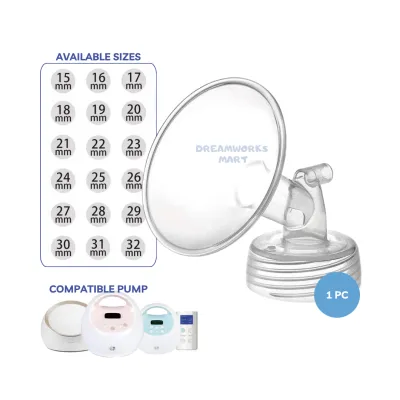
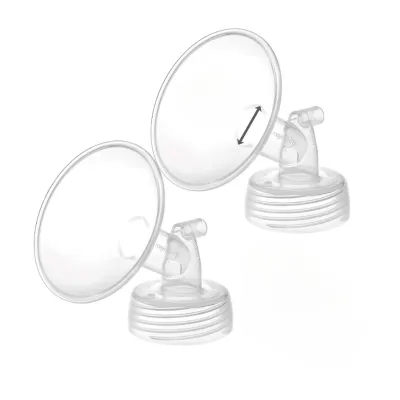
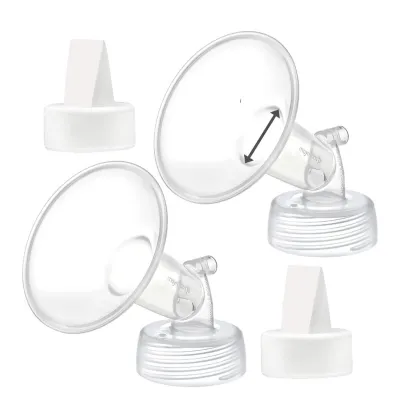
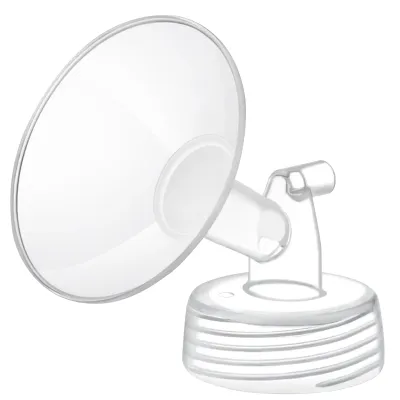
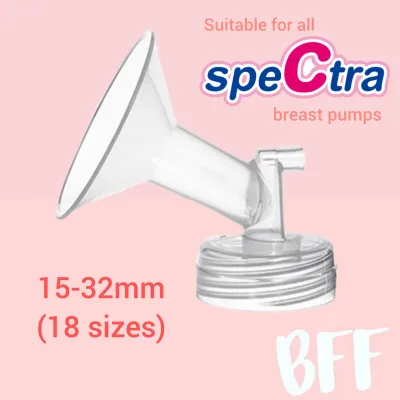
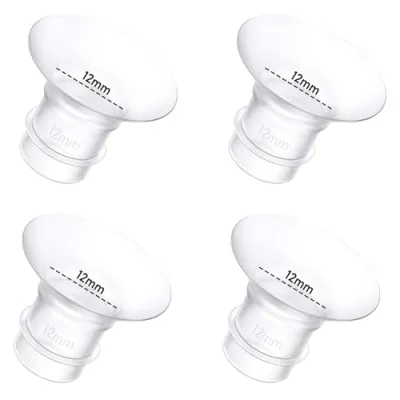
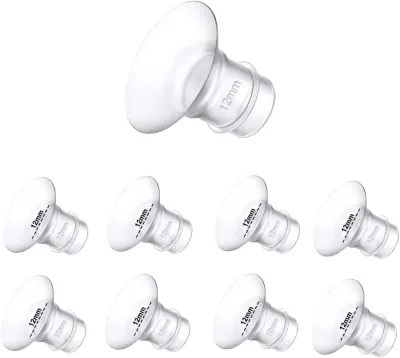
Prices are valid at publication and may change. Please refer to the product page for the latest price.
How to Measure Your Nipple Diameter Accurately
To establish an accurate baseline for your flange insert size, you must measure your nipple diameter using the correct tools and techniques. A specialized circular nipple measuring tool, often made of flexible silicone or cardstock, is the most reliable instrument for this task. These tools feature pre-cut circular holes labeled with millimeter measurements, allowing you to find the exact circle that fits comfortably around the base of your nipple. If you do not have a dedicated nipple ruler, a standard physical ruler with clear millimeter markings or a flexible sewing measuring tape can also work.

Timing is highly influential when taking these measurements. For the most accurate baseline, measure your nipples when they are in a natural, unstimulated state before you begin a pumping session. Measuring immediately after pumping or after physical stimulation can lead to inaccurate results, as the vacuum action causes temporary swelling and tissue expansion. When measuring, focus strictly on the diameter of the nipple bud itself. Place the measuring tool or ruler across the very base of the nipple, right where the nipple tissue meets the darker skin of the areola. Do not include any part of the areola in your measurement, as doing so will result in selecting an insert that is far too large.
It is also essential to measure both nipples individually rather than assuming they are identical. Natural physical asymmetry is incredibly common, and many individuals find that their left and right nipples require completely different flange insert sizes. For instance, you might require a 19 mm insert on one side and a 21 mm insert on the other to achieve equal comfort and milk output. Recording separate measurements for each side ensures that your Spectra S1 setup is fully customized to your body’s unique proportions.
Selecting the Right Spectra S1 Flange Insert Size
Once you have recorded your precise nipple measurements, you can determine the appropriate flange insert size by applying a standard sizing calculation. The general rule of thumb is to select an insert size that is approximately one to three millimeters larger than your measured nipple diameter. This extra space provides the necessary clearance for your nipple to expand and move freely within the tunnel during the suction phase without rubbing against the sides. For example, if your unstimulated nipple base measures 17 mm in diameter, adding two millimeters of clearance points you toward a 19 mm flange insert.
Understanding how these inserts interact with your Spectra S1 equipment is key to making the right purchase. The Spectra S1 typically comes standard with 24 mm or 28 mm breast shields. If your calculated target size is smaller than these standard options—such as 17 mm, 19 mm, or 21 mm—you can purchase silicone flange inserts in those specific sizes. These flexible inserts are designed to slide snugly inside the tunnel of your existing 24 mm or 28 mm plastic flanges, effectively reducing the inner diameter to your target size. Before purchasing, always check the product packaging or the manufacturer’s official sizing guides to verify that the inserts you choose are explicitly compatible with the specific size of your standard Spectra breast shields, as some inserts are designed exclusively for 24 mm tunnels while others fit 28 mm tunnels.
While self-measurement is an excellent starting point, finding the perfect fit can sometimes require professional adjustment. If you find yourself between sizes, experience persistent discomfort, or notice that your milk output remains low despite trying different sizes, it is highly recommended to pause and consult a certified lactation consultant, such as an International Board Certified Lactation Consultant (IBCLC). These professionals can perform a dynamic fitting session, observing your tissue elasticity under active vacuum to recommend the precise insert configuration for your needs.
How to Check if Your Flange Insert Fits Properly
Verifying the fit of your chosen flange insert requires active observation and physical self-awareness during a live pumping session. Once you have assembled your Spectra S1 with the new inserts, turn on the pump at a low suction setting and perform a series of visual checks. Look closely at the tunnel of the insert: your nipple should be positioned directly in the center, moving back and forth freely without rubbing against the silicone walls. There should be a tiny gap of space around the sides of the nipple, and little to no areola tissue should be drawn into the insert tunnel.
Pay close attention to your physical sensations as the pumping session progresses. Pumping should never feel painful. You should experience a firm, rhythmic tugging sensation that feels like a deep massage, but there should be no pinching, stinging, or burning at the nipple base or tip. After you turn off the pump and remove the breast shields, inspect your skin. The nipple should look pink and healthy; if the skin appears white, purple, or severely creased, it indicates that the blood flow is being restricted by an improper fit or excessive vacuum pressure.
Your milk output and physical comfort after pumping are also strong indicators of a proper fit. A well-fitting flange insert allows for efficient milk flow, helping your breasts feel soft, light, and thoroughly emptied at the end of a fifteen-to-twenty-minute session. However, you must establish clear safety boundaries and stop pumping immediately if you experience sharp, sudden pain, notice bleeding, or see visible skin tears or blisters. These are clear stop conditions indicating that the current setup is causing physical trauma, and you should seek guidance from a healthcare professional before pumping again.
Troubleshooting Common Fit Issues
If you experience discomfort or poor milk expression, troubleshooting your setup can help you identify whether your flange insert is too small or too large. When an insert is too small, the most common sign is a burning or pinching sensation as the nipple rubs tightly against the inner walls of the tunnel. You may also notice that your milk flows in slow, painful drips rather than steady streams, because the narrow tunnel is physically compressing your milk ducts and preventing them from opening fully.
On the other hand, if the insert is too large, you will observe a significant portion of your areola being pulled deep into the tunnel with every suction cycle. This often leads to a swelling of the areola tissue, which can block the milk ducts located just behind the nipple, resulting in poor milk drainage. A flange insert that is too large may also cause air leaks around the edges of the breast shield, making it difficult for the Spectra S1 to maintain a consistent vacuum seal, which reduces the overall efficiency of the pump.
It is also important to account for natural nipple elasticity, a condition where the breast tissue stretches exceptionally far under vacuum. If you have highly elastic skin, your nipples may expand to fill almost any size tunnel, making standard measurements less reliable. In these cases, you may need to experiment with different insert materials, such as firmer silicone, or adjust the suction levels on your Spectra S1 to find a balance that prevents excessive stretching. Always refer to your Spectra S1 user manual for instructions on adjusting cycle speeds and vacuum levels safely, and consult a qualified healthcare professional if you continue to experience persistent pain or low milk output.
Frequently Asked Questions (FAQ)
How often should I remeasure my nipple size?
Your nipple size is not static and can change significantly throughout your breastfeeding and pumping journey. It is highly recommended to remeasure your nipples during the first few weeks postpartum, as your milk supply establishes and initial tissue swelling subsides. Hormonal fluctuations, changes in your overall milk capacity, and the gradual weaning process can also cause your nipples to shrink or expand over time. Additionally, if you suddenly experience new physical discomfort, notice changes in how the breast shield fits, or observe a sudden, unexplained drop in your milk output, you should immediately remeasure your nipples to determine if you need to adjust your flange insert size.
Can I use third-party flange inserts with the Spectra S1?
Yes, many parents successfully use third-party silicone flange inserts with their Spectra S1 breast pumps, as many independent manufacturers design inserts specifically to fit standard 24 mm Spectra breast shields. However, you must carefully verify the physical compatibility of any third-party insert with your specific Spectra flange model before use. Always check the product packaging to ensure the inserts are made from safe, food-grade, and BPA-free materials, and review the manufacturer’s specific cleaning and sterilization instructions, as some silicone materials can degrade under high-heat sterilization. Be aware that using poorly fitting or incompatible third-party parts can cause air leaks, reduce suction efficiency, or potentially strain the pump motor, which may affect your pumping performance or void certain product warranties.

Community discussion
Share your experience or ask a question. Comments are reviewed before publication.