
Finding the right straw cleaning brush for your baby’s bottle or transition cup is essential for maintaining proper hygiene and protecting delicate feeding components. In Singapore’s warm, humid climate, milk residue left inside narrow straws can quickly become a breeding ground for bacteria and mold if not thoroughly cleared. Because baby bottle brands design their straws with varying lengths, internal diameters, and mechanisms, a one-size-fits-all approach rarely works. Matching the brush to your specific bottle brand requires understanding the physical dimensions of the straw, evaluating the brush material, and verifying the manufacturer’s official care guidelines. By taking a systematic approach to selecting these small but vital tools, you can ensure a thorough clean without damaging the delicate silicone parts.
Understanding Straw Dimensions and Brush Compatibility
To choose a brush that cleans effectively without causing damage, you must first understand the physical dimensions of the straw you are cleaning. The two primary measurements to consider are the inner diameter and the total length of the straw. You can locate these specifications in your bottle’s user manual, or you can measure them yourself using a standard metric ruler. To find the inner diameter, look directly at the cross-section of the open end of the straw and measure the distance across the inside opening, excluding the thickness of the silicone walls. For the length, measure from the very tip of the straw to the base where it connects to the bottle cap or weight.
The structural design of the straw also dictates the type of brush you will need. Straight straws are the most straightforward to clean, requiring a simple, direct pass with a standard straight brush. Angled straws, which are designed to help babies drink comfortably from various positions, have built-in bends that require a brush with a highly flexible core wire to navigate the corners. Weighted straws feature a heavy anchor at the bottom to keep the straw submerged in liquid; these systems often have very narrow entry points and complex valves that require specialized, ultra-thin brushes to clean around the weight assembly safely.
Products mentioned in this guide
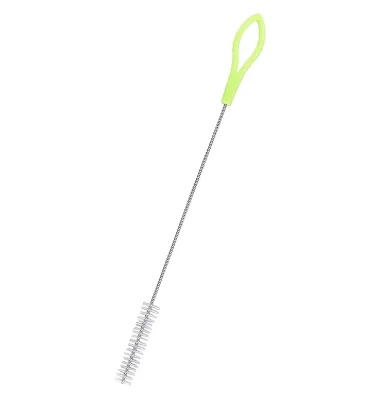
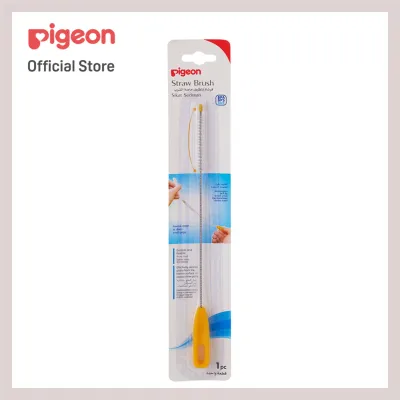
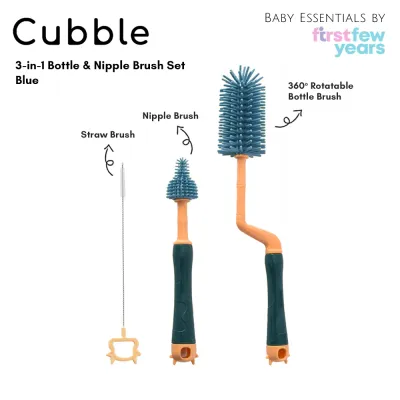
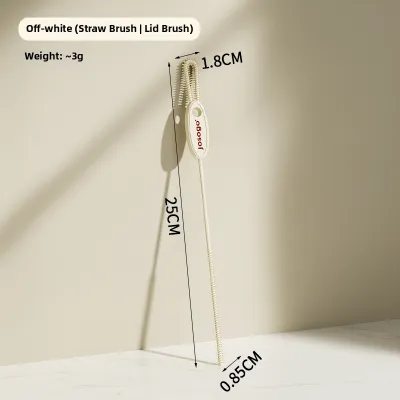

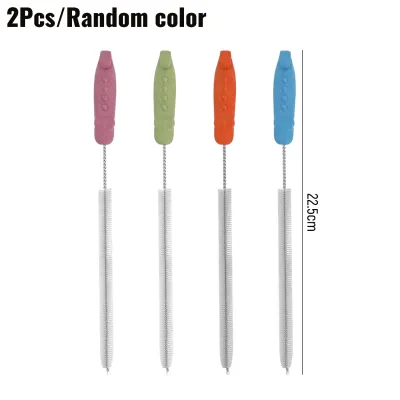
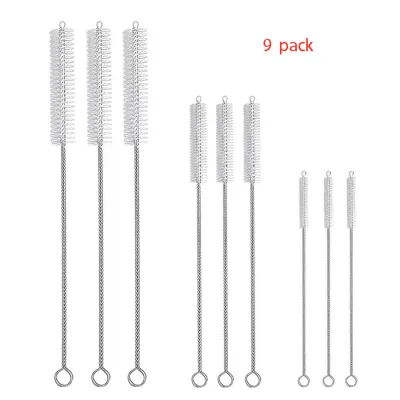

Prices are valid at publication and may change. Please refer to the product page for the latest price.
Using a brush that does not match these dimensions carries distinct risks for your baby’s feeding equipment. If you use a brush that is too thick, the bristles and the metal core wire will exert excessive outward pressure on the soft silicone, which can easily tear or stretch the material. A torn straw can compromise the bottle’s spill-proof seal or create a choking hazard if small pieces of silicone tear off completely. Conversely, using a brush that is too thin means the bristles will not make contact with the inner walls of the straw, leaving behind a thin film of milk fat and proteins that can harbor bacteria.
Key Features to Evaluate in Straw Cleaning Brushes
When evaluating straw cleaning brushes, the choice of bristle material is one of the most important decisions you will make. Nylon bristles are highly common and offer excellent scrubbing power, making them highly effective at removing dried-on milk residue or thick formula film. However, nylon can be abrasive over time, potentially creating microscopic scratches on the inner surface of soft silicone straws where bacteria can hide. Silicone bristles, on the other hand, are exceptionally gentle and highly resistant to wear, but they may require more effort to clear stubborn, dried-on residue due to their smoother texture.

The design of the brush handle and core wire directly affects how easily you can navigate the interior of a straw. A high-quality brush should feature a handle that is long enough to pass completely through the entire length of the straw, allowing you to clean it in a single, smooth motion. For angled or weighted straws, look for a core wire made from flexible stainless steel or specialized plastics that can bend easily around tight curves without kinking or snapping. The grip should be ergonomic and non-slip, even when wet, to give you precise control over the brush’s movement and prevent sudden slips that could puncture the straw.
Safety is another critical factor when examining the construction of a straw brush. The core wire must be made of rust-resistant materials, such as food-grade stainless steel, to prevent rust from contaminating the cleaning process. Additionally, pay close attention to how the bristles are anchored to the core wire; they must be securely bound to prevent individual bristles from shedding during use. A loose bristle left inside a baby’s straw poses a serious choking and ingestion hazard, so choosing a brush with robust, high-quality construction is paramount.
Matching Brush Types to Popular Baby Bottle Brands
Baby bottles and transition cups in Singapore generally fall into distinct categories based on their straw profiles, and matching them correctly is key to effective cleaning. Narrow anti-colic straws, often integrated into specialized venting systems, have extremely small inner diameters that require ultra-fine micro-brushes. These brushes are specifically engineered to slide through tiny air valves and narrow tubes without stretching the delicate silicone. In contrast, wider training cup straws or toddler straw bottles have much larger diameters, allowing you to use thicker, more robust brushes that can sweep away larger volumes of residue quickly.
Weighted straw systems, popular in many transition cups, present a unique cleaning challenge due to their complex design. The weighted base keeps the straw anchored in the liquid, but it also creates a tight junction where the straw meets the weight. To clean these systems thoroughly, you will need an extra-long brush with a highly flexible tip that can navigate past the weight or a brush set that includes a specialized micro-tip designed specifically for cleaning around weighted connections. Attempting to force a standard, rigid brush into a weighted straw system can easily dislodge the weight or rupture the silicone seal.
Before purchasing any cleaning tool, always cross-reference the bottle manufacturer’s official care instructions. Many brands provide specific guidelines regarding the maximum brush diameter allowed, recommended cleaning motions, and whether certain materials like nylon are permitted. Some manufacturers explicitly warn against inserting brushes through specific one-way valves or anti-colic vents, as doing so can ruin the valve’s functionality and cause the bottle to leak. Following these brand-specific instructions ensures you maintain the integrity of your baby’s feeding system while keeping it sanitary.
Proper Cleaning and Maintenance for Straw Brushes
To ensure your straw cleaning brush remains hygienic and safe to use, you must establish a consistent cleaning and maintenance routine. Immediately after cleaning your baby’s bottles and straws, rinse the brush thoroughly under warm, running water to flush away any trapped milk residue, soap suds, or debris. Wash the bristles with a mild, baby-safe dishwashing liquid, gently massaging the bristles with your fingers to ensure no residue remains trapped near the core wire. If the manufacturer’s instructions allow, you may periodically sanitize the brush using steam or boiling water, provided the materials are rated for high temperatures.
Proper drying is essential to prevent the growth of mold, mildew, and bacteria on the brush bristles and handle. After washing, gently shake off excess water and hang the brush vertically by its handle loop, or place it in a dedicated, well-ventilated drying stand. Avoid laying the wet brush flat on a countertop or storing it inside a closed cupboard, as trapped moisture can quickly lead to mold development and compromise the integrity of the core wire. Ensure the drying area is clean and free from potential cross-contamination from raw food preparation zones.
Regularly inspect your straw cleaning brushes for observable signs of wear and tear to determine when they need to be replaced. Look closely for splayed or fraying bristles, which lose their cleaning efficiency and can begin to shed. Examine the core wire for any signs of bending, weakening, or rust spots, especially at the tip where the wire is often bent to form a protective loop. If you notice any discoloration, persistent odors, or a loose handle grip, discard the brush immediately and replace it with a new one to maintain a safe and hygienic feeding environment.
Building Your Shortlist: What to Check Before Buying
When preparing to purchase a straw cleaning brush on an e-commerce platform or at a local retail store in Singapore, start by carefully verifying the product descriptions. Look for explicit details regarding the brush’s physical dimensions, including the maximum straw diameter it can accommodate and the total length of the brush shaft. Many manufacturers list specific brand compatibility claims, which can serve as a helpful starting point, but you should always double-check these claims against your own measurements to ensure a precise fit.
User reviews on online marketplaces can provide valuable, real-world insights into how a brush performs over time. When browsing reviews, filter for feedback specifically mentioning durability, bristle shedding, and handle flexibility. Look for comments from other parents who use the same baby bottle brand as you do, as they can offer practical advice on how well the brush fits the straw and whether it navigates tight bends or weighted systems effectively. Pay attention to any recurring complaints about bent wires or bristles falling out after a few uses.
Finally, always confirm the retailer’s return and exchange policies before finalizing your purchase. Because straw dimensions can be highly precise, there is always a small chance that a brush may not fit your specific bottle model as expected upon arrival. Choosing a seller that offers a straightforward return or exchange policy gives you peace of mind, allowing you to test the fit gently at home and exchange the brush if it turns out to be too thick or too rigid for your baby’s feeding equipment.
Frequently Asked Questions (FAQ)
Can I use a regular pipe cleaner instead of a dedicated straw brush?
No, you should not use standard craft pipe cleaners to clean baby bottle straws. Craft pipe cleaners are not manufactured under food-safe conditions and often feature sharp, exposed wire ends that can easily puncture or tear delicate silicone straws. Additionally, their fibers are prone to shedding, which poses a serious choking and ingestion hazard if left inside the straw. Always use purpose-built, food-grade straw cleaning brushes designed specifically for infant feeding equipment.
How often should I replace my baby's straw cleaning brush?
While there is no strict calendar schedule, you should replace your baby’s straw cleaning brush as soon as you observe physical signs of wear. Inspect the brush regularly for splayed or missing bristles, bent or weakened core wires, rust spots, or persistent discoloration. If the brush is used daily, it is generally recommended to evaluate its condition closely every few weeks and replace it immediately if any degradation is visible to ensure optimal hygiene and safety.
Are silicone straw brushes as effective as nylon ones?
Both materials have distinct trade-offs depending on your cleaning needs. Nylon bristles offer superior scrubbing power, making them highly effective at removing stubborn, dried-on milk fat or formula residue, but they can be slightly abrasive on soft silicone over time. Silicone brushes are exceptionally gentle, highly durable, and hygienic, but they may require more effort to clear heavy residue. For daily maintenance of lightly soiled straws, silicone is excellent, while nylon is preferred for deep cleaning.

Community discussion
Share your experience or ask a question. Comments are reviewed before publication.