
Matching the right straw brush to your baby bottle material is essential for maintaining hygiene and extending the lifespan of your feeding gear. The primary rule of thumb is to match the hardness of the brush bristles to the scratch resistance of the bottle material. Glass bottles are highly durable and pair well with stiffer nylon brushes, while plastic and silicone bottles require gentler tools like silicone or sponge brushes to prevent micro-scratches. Always verify the manufacturer’s care label on both the bottle and the brush before cleaning to ensure compatibility.
Quick Answer: Condition-Based Brush and Bottle Matching
Selecting the safest cleaning tool depends heavily on the surface hardness and scratch tolerance of your baby bottles. Glass bottles possess a hard, scratch-resistant surface that easily tolerates stiffer bristles, making them highly compatible with nylon brushes. In contrast, plastic and silicone bottles are much softer and highly susceptible to micro-scratches, which can harbor harmful bacteria over time.
For delicate surfaces, silicone brushes offer a gentle, scratch-free clean, while sponge brushes provide an effective wiping action for quick plastic bottle maintenance. Nylon brushes should be reserved primarily for durable glass surfaces. Before using any cleaning tool, always verify the specific manufacturer’s care label on both the bottle and the brush to ensure safe usage and prevent accidental damage.
Products mentioned in this guide
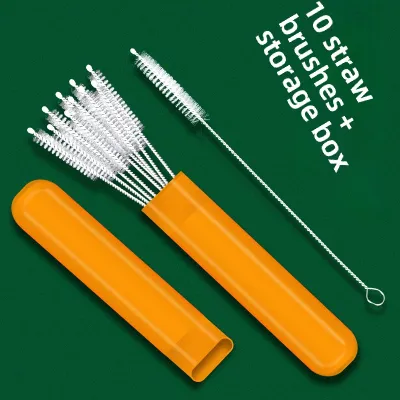
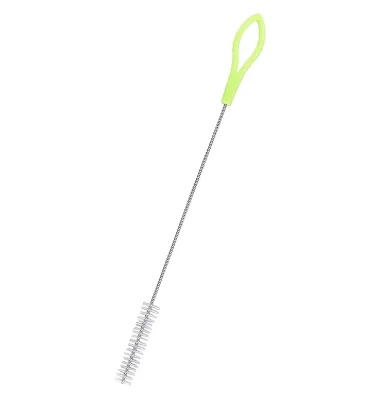
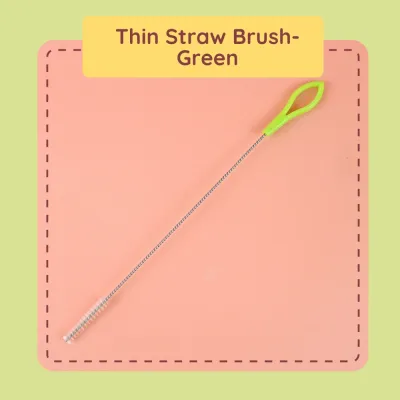
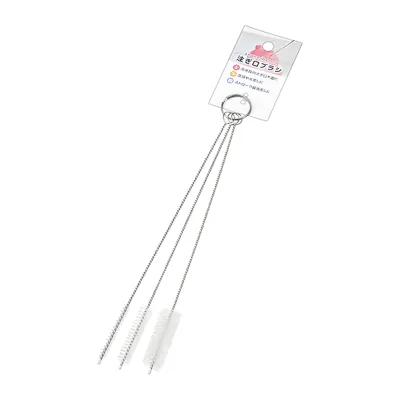
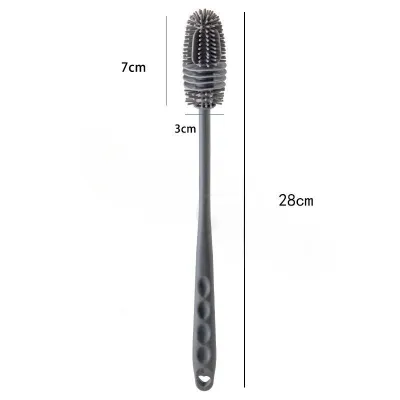
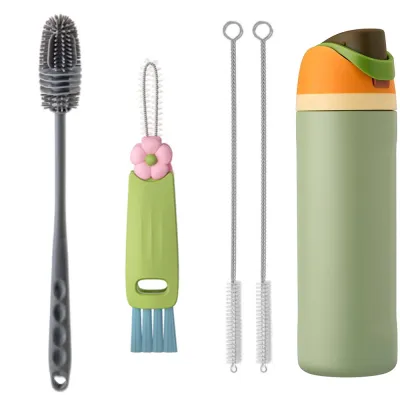
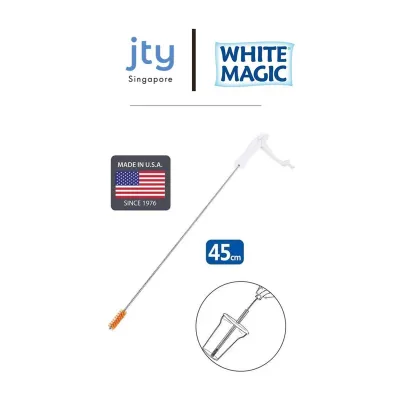
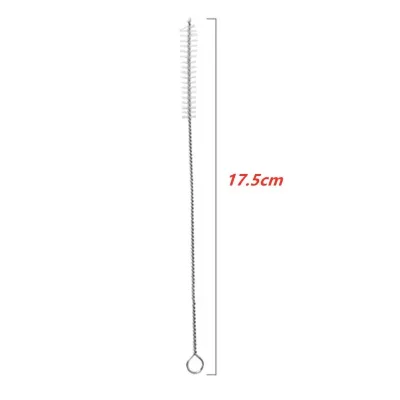
Prices are valid at publication and may change. Please refer to the product page for the latest price.
Understanding Straw Brush Materials: Silicone, Nylon, and Sponge
Silicone bristles are highly flexible, non-porous, and exceptionally durable. Because they do not absorb water, they dry rapidly after use, which significantly reduces the risk of mold, mildew, and bacterial growth. Their soft texture makes them incredibly gentle on all bottle surfaces, virtually eliminating the risk of scratches. However, because silicone is smooth, it lacks the abrasive scrubbing power of traditional materials. Caregivers may find that silicone brushes require more physical effort or a specialized baby bottle soap to thoroughly remove stubborn, greasy breast milk or formula residues.

Nylon bristles are the traditional standard for bottle cleaning due to their stiffness and dense packing. They provide excellent mechanical scrubbing power, making quick work of dried-on milk film and stubborn residues in hard-to-reach corners. Despite their efficiency, nylon fibers are highly abrasive on softer materials. Over time, repeated scrubbing with nylon can create microscopic scratches on plastic and silicone surfaces. These tiny grooves can trap milk proteins and moisture, creating an environment where bacteria can multiply.
Sponge heads consist of soft, highly absorbent foam that excels at creating a rich, soapy lather. They glide smoothly over surfaces, providing a gentle wiping action that is completely non-abrasive and safe for delicate materials. The primary drawback of sponge brushes is their physical fragility. Sponges can easily tear, crumble, or snag on sharp bottle rims or narrow straw openings. Additionally, because sponges are highly porous, they retain moisture for long periods, making them highly susceptible to bacterial colonization if they are not dried in a well-ventilated space.
Matching Brushes to Glass, Plastic, and Silicone Bottles
Glass bottles are highly durable, non-porous, and possess excellent surface hardness. They can withstand vigorous scrubbing without any risk of scratching. For glass bottles, nylon brushes are generally the most efficient choice because they easily scrape away stubborn milk fats and dried residues. While silicone and sponge brushes are perfectly safe to use on glass, they may require more time and physical effort to achieve the same level of cleanliness. When using a nylon brush, ensure the brush head has a protective tip, such as a plastic cap or a sponge end, to prevent the metal wire core of the brush from scratching the bottom of the glass bottle.
Plastic bottles, including those made from polypropylene (PP), polyphenylsulfone (PPSU), and polyethersulfone (PES), are lightweight and shatterproof but have a relatively soft surface. They are highly vulnerable to micro-scratches from stiff nylon bristles. Once a plastic bottle is scratched, the damaged surface can trap milk residues and bacteria, making proper sanitization highly difficult. To protect plastic bottles, opt for silicone brushes or soft sponge brushes. Silicone brushes provide a gentle clean that preserves the smooth interior of the plastic, while sponge brushes offer a highly effective, scratch-free wipe.
Silicone bottles are prized for their soft, flexible, and squeezable texture. However, silicone is a delicate material with a high coefficient of friction, meaning residues can cling to it easily, and it is highly vulnerable to surface abrasions. Cleaning silicone bottles requires the gentlest tools available. Soft silicone brushes are the ideal match because they clean effectively without tearing or scratching the bottle walls. Sponge brushes are also a suitable alternative, but caregivers must inspect the sponge head regularly to ensure no small pieces have torn off, as loose sponge fragments can pose a choking hazard if left inside the bottle.
Verifying Compatibility and Manufacturer Care Instructions
Before purchasing or using a new cleaning tool, locate the manufacturer’s care instructions on the bottle packaging or official website. Look for specific symbols or text detailing the recommended cleaning methods, temperature limits, and approved tool materials. Many bottle brands explicitly state whether their products are compatible with nylon, silicone, or sponge brushes.
Identify any specific warnings against abrasive or stiff cleaning tools. Ignoring these warnings can void product warranties and, more importantly, compromise the hygiene of the bottle. If a manufacturer explicitly warns against nylon brushes, it is crucial to adhere to this guidance to prevent micro-scratches.
Perform a simple visual and tactile inspection of the bottle’s interior after a test clean. Hold the dry bottle up to a bright light source and inspect the inner walls for fine, hazy lines or dull patches, which indicate micro-scratching. Run a clean finger along the inside to check for any rough textures. If you notice any changes in the surface texture, discontinue using that brush material immediately.
When to Replace Your Straw Brush: Wear and Hygiene Signals
Do not rely solely on a fixed calendar schedule to replace your cleaning tools; instead, base your decision on observable physical and hygienic signs. Regular inspection ensures that your brushes remain safe and effective for daily use.
Look for physical signs of material degradation. For nylon brushes, check for splayed, bent, or falling-out bristles, as well as exposed metal wires that could scratch your bottles. For sponge brushes, look for tearing, crumbling, or thinning of the foam head. For silicone brushes, inspect for split bristles or a loose connection between the brush head and the handle.
Monitor hygiene indicators closely. Any persistent sour milk odor, permanent discoloration, or dark spots indicating mold growth near the brush head or handle joints means the brush must be discarded immediately. Ensure the brush handle remains sturdy; a cracked or bent plastic handle can snap during use, potentially damaging the bottle or causing injury.
Frequently Asked Questions (FAQ)
Can I use the same straw brush for the bottle and the straw?
A standard bottle brush is designed for wide cavities and cannot fit into the narrow opening of a straw. Attempting to force a large brush into a straw will likely tear the delicate silicone of the straw or damage the brush bristles.
A dedicated, narrow straw brush is essential for proper hygiene. These specialized tools feature a thin, flexible wire stem and low-profile bristles designed to slide smoothly through the entire length of the straw, ensuring thorough cleaning of milk residues without stretching or damaging the straw.
How should I sterilize my straw brush after washing?
Before attempting to sterilize your straw brush, check the manufacturer’s instructions for heat tolerance. Many brushes feature plastic handles or nylon bristles that can melt, warp, or degrade when exposed to high temperatures in steam sterilizers or boiling water.
If the brush is not rated for high heat, wash it thoroughly with warm, soapy water, rinse it completely, and shake off excess water. Hang the brush in a well-ventilated area to air-dry completely. Proper air-drying is highly effective at preventing bacterial growth on non-heat-tolerant cleaning tools.
Community discussion
Share your experience or ask a question. Comments are reviewed before publication.