
Selecting the right Gerber snack for your baby depends on observing their physical milestones, such as sitting independently and developing a pincer grasp, rather than relying solely on their chronological age. Because every baby develops at their own pace, matching snack textures to their current motor skills and chewing ability is essential for safe self-feeding. This guide will help you interpret developmental cues, read manufacturer packaging accurately, and establish safe snacking practices, ensuring you always verify specific product labels and consult your pediatrician when introducing new foods.
While age ranges printed on packaging offer a helpful starting point, they are general guidelines rather than strict rules. A baby who is nine months old may not yet have developed the coordination required for certain finger foods, while another baby of the same age might handle them with ease. Observing your child’s physical readiness ensures that you introduce new textures only when their digestive system and motor skills are fully prepared to handle them.
Before introducing any packaged snacks, it is highly recommended to discuss your baby’s developmental progress with a pediatrician. A professional evaluation can confirm whether your baby is ready for solid snacks and help you navigate any potential allergen concerns. By combining professional medical advice with careful observation of your baby’s daily physical milestones, you can create a safe and positive transition to independent self-feeding.
Products mentioned in this guide

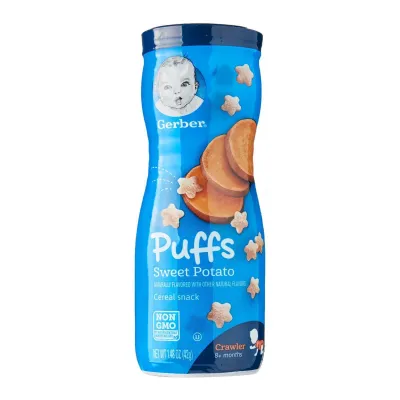
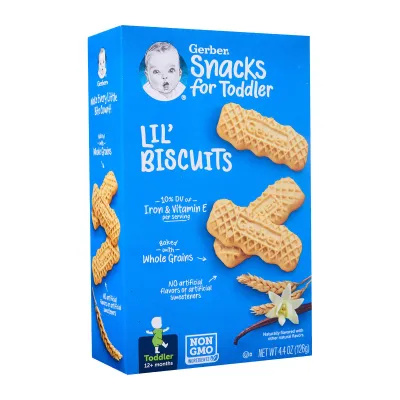
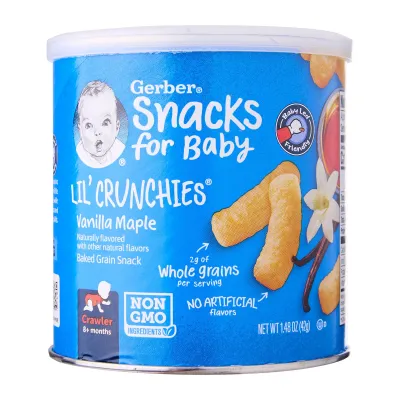
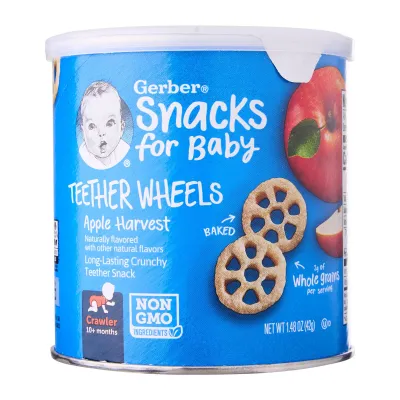
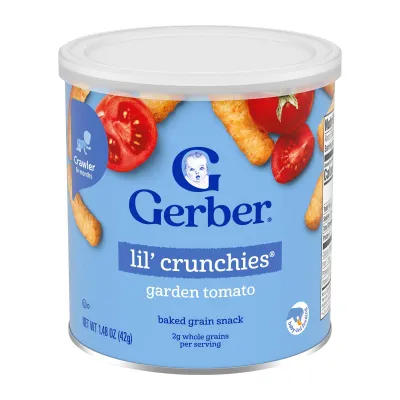
Prices are valid at publication and may change. Please refer to the product page for the latest price.
Recognizing Your Baby's Readiness for Finger Foods
Before offering any finger foods, you must observe whether your baby can sit up unassisted with excellent head and neck control. Sitting upright independently is not just a milestone for play; it is a fundamental safety requirement for swallowing. When a baby can hold their head steady and sit without leaning or tipping over, their airway remains properly aligned, which significantly reduces the risk of choking during feeding sessions.
Another critical milestone to watch for is the transition from the palmar grasp to the pincer grasp. In the early months of solids, babies use their entire palm to scoop up food, which makes handling small, individual snack pieces difficult and frustrating. The pincer grasp, which typically emerges as babies mature, involves using the thumb and index finger to pinch and pick up small objects. Once your baby can consistently pick up small items with their fingers and bring them directly to their mouth, they possess the manual dexterity required for starter finger foods.
Oral motor cues are equally vital when assessing readiness for solid snacks. You should observe how your baby handles purees and mashed foods currently in their diet. If your baby still exhibits the tongue-thrust reflex—where they automatically push solid objects out of their mouth with their tongue—they are not yet ready for finger foods. Ready babies will actively move food from the front of the mouth to the back using their tongue and show coordinated swallowing patterns without coughing or spitting food out.
Finally, look for active chewing motions, even if your baby does not yet have visible teeth. Babies use their strong, flat gums to mash and grind soft foods. If you observe your baby moving their jaw up and down in a chewing motion when eating thicker purees, this indicates that their oral muscles are developing the strength and coordination needed to break down solid snack textures.
Matching Snack Textures to Developmental Stages
For babies who are just beginning their finger food journey, easily dissolvable textures are the safest starting point. These snacks are designed to melt quickly when they come into contact with saliva, requiring minimal jaw movement or gumming to break down. This rapid dissolution helps prevent large, hard pieces from accidentally sliding down the throat before they are fully softened, making them an excellent tool for babies practicing their early chewing and swallowing coordination.

To evaluate whether a snack texture is truly appropriate for a beginner, you can perform a simple manual test. Take a single piece of the snack and press it firmly between your thumb and forefinger, or place it in your own mouth without chewing to see how quickly it dissolves. If the snack softens and breaks down almost instantly with light pressure or moisture, it is generally suitable for babies who are transitioning from purees to solid finger foods.
As your baby’s chewing skills mature and their first teeth begin to emerge, you can gradually transition them to slightly more structured, soft, bite-sized pieces. These intermediate snacks require active gumming and jaw movement to break down but should still be soft enough to yield easily under gentle pressure. Avoid snacks that are rubbery, excessively sticky, or highly fibrous, as these textures can easily become lodged in a baby’s throat or prove too difficult for developing jaw muscles to manage.
Throughout this transition, always treat the manufacturer’s recommended age and stage indicators as a baseline rather than an absolute rule. If a package indicates a snack is suitable for a specific stage, but your baby is still struggling with simpler textures, delay introducing the new snack. Your baby’s actual, observable physical abilities on any given day must always take precedence over the age printed on the box.
Navigating Gerber Packaging and Age Indicators
Gerber packaging utilizes a specific stage-based grading system designed to help caregivers identify which products align with common developmental milestones. These stages, such as “Sitter,” “Crawler,” or “Toddler,” correspond to specific physical abilities rather than age alone. For example, the “Crawler” stage typically indicates that a baby can crawl on hands and knees with their tummy off the floor and is beginning to use their fingers to eat. Familiarizing yourself with these stage definitions on the packaging helps you select products tailored to your baby’s current physical capabilities.
In addition to stage markers, it is essential to carefully review the ingredient list on every package before purchasing. Look closely for potential allergens such as wheat, soy, dairy, peanuts, or tree nuts, especially if your family has a history of food allergies. It is also wise to check the nutrition facts panel for added sugars and sodium, as pediatric nutritional guidelines generally recommend minimizing these ingredients in an infant’s diet to support healthy taste preferences and overall development.
Package integrity and proper storage are critical factors that directly impact snack safety and texture. Before serving any snack, inspect the container to ensure the seal is completely intact and has not been compromised during transit or storage. In humid climates, such as Singapore, open containers of dissolvable snacks can rapidly absorb moisture from the air. This exposure causes the snacks to lose their quick-melting properties, turning them rubbery, tough, and potentially hazardous. Always seal containers tightly after use and consume them within the manufacturer’s recommended timeframe after opening.
Never assume that a product is suitable for your baby simply because of its name or marketing imagery. Always turn the package over to read the detailed developmental cues, age recommendations, and allergen warnings printed on the back. Taking those extra moments to verify the manufacturer’s specific documentation ensures that you are making an informed, safe choice for your baby’s current stage of growth.
Safe Snacking Practices and Supervision
To maintain a safe feeding environment, always ensure your baby is seated completely upright in a high chair or a designated, stable feeding seat during snack times. Never allow your baby to eat while they are crawling, walking, playing, or lying down. Eating while in motion or in a reclined position significantly increases the risk of food accidentally slipping into the airway before it is properly chewed and swallowed.
Active, uninterrupted adult supervision is mandatory whenever your baby is consuming snacks. This means staying within arm’s reach and keeping your eyes on your baby at all times, rather than relying on sound or occasional glances. Choking is often completely silent; a baby who is choking cannot cry out, cough effectively, or make noise to alert you. Only constant visual supervision allows you to detect and respond to a feeding emergency immediately.
It is important for caregivers to understand the difference between normal gagging and actual choking. Gagging is a loud, active, and normal physiological reflex that helps babies push food forward when it goes too far back in the mouth; it often involves coughing, sputtering, or watery eyes. Choking, conversely, is a silent emergency where the airway is blocked, and the baby cannot breathe, make sounds, or cough effectively, and their skin or lips may begin to change color.
If your baby exhibits frequent, severe gagging, shows signs of distress, or consistently struggles to manage a particular snack texture, stop feeding that snack immediately. Remove the food from their reach and consult your pediatrician to re-evaluate your baby’s developmental readiness. It is always better to step back to simpler, smoother textures and try again later when your baby’s oral motor skills have matured further.
Frequently Asked Questions (FAQ)
Can I give my baby Gerber puffs before they have teeth?
Yes, babies do not need teeth to safely consume easily dissolvable snacks like Gerber puffs, provided they have met all other developmental readiness milestones. Babies use their strong, flat gums to mash and grind down soft foods. Puffs are specifically engineered to dissolve rapidly when they come into contact with saliva, making them manageable for gumming. However, you must still verify the specific product’s age and stage recommendations on the label, ensure your baby can sit upright unassisted, and maintain close, active supervision during snack time.
How do I know if a snack texture is too hard for my baby?
A snack texture is too hard if your baby struggles to break it down easily with their gums, or if you notice them coughing, spitting out large pieces, or gagging excessively. You can test the texture yourself by pressing it between your fingers; if it does not easily squash or dissolve with light pressure, it is too firm for a beginner. If your baby shows any signs of difficulty managing a texture, stop feeding the snack immediately and consult the manufacturer’s guidelines or your pediatrician for advice on appropriate food textures.

Community discussion
Share your experience or ask a question. Comments are reviewed before publication.