
Matching Gerber baby food products to your baby’s weaning stage requires aligning their physical developmental milestones with the specific textures, ingredients, and formats designed for each phase. Gerber categorizes its products into clear developmental stages—such as 1st Foods, 2nd Foods, and various finger foods—to help parents transition their infants safely from smooth, single-ingredient purees to complex blends and self-feeding snacks. By observing your baby’s physical readiness and carefully checking product labels, you can select the right options to support their growth.
Recognizing Your Baby's Readiness for Solid Foods
Before introducing any solid foods or purchasing weaning products, it is essential to look for specific physical and behavioral milestones rather than relying strictly on a calendar age. Every infant develops at their own pace, and starting solids too early can pose choking risks or digestive discomfort.
One of the primary physical indicators is the natural loss of the tongue-thrust reflex. When this reflex is active, babies automatically push solid objects out of their mouths with their tongues. Once this reflex diminishes, they can successfully keep food in their mouths and swallow it safely.
Products mentioned in this guide
![Gerber Organic Oatmeal Baby Cereal 227G - From 6 Months [Lids may vary]](https://img.lazcdn.com/g/p/3fb85d6155c54d3f1cad64e6bb90279b.jpg_400x400q80.jpg_.webp)


Prices are valid at publication and may change. Please refer to the product page for the latest price.
Another critical milestone is the ability to sit up with minimal support and maintain good head control. A baby must be able to sit upright in a high chair to ensure they can swallow safely and reduce the risk of choking.
You should also observe your baby’s behavioral cues during family mealtimes. If they show an active interest in the food on your plate, watch you chew, or reach out for your utensils, they may be demonstrating readiness for solids.
Even if your baby displays all of these signs, always consult your pediatrician or a qualified healthcare professional to confirm readiness before introducing any solid foods. A professional evaluation ensures your baby’s digestive system and motor skills are sufficiently developed for this transition.
Matching Gerber Product Lines to Weaning Stages
Gerber structures its product lines to correspond with specific developmental milestones, helping parents navigate the transition from liquid nutrition to solid meals. Choosing the correct product line involves matching your baby’s current chewing and swallowing capabilities with the texture and format of the food.

Early Weaning (First Tastes)
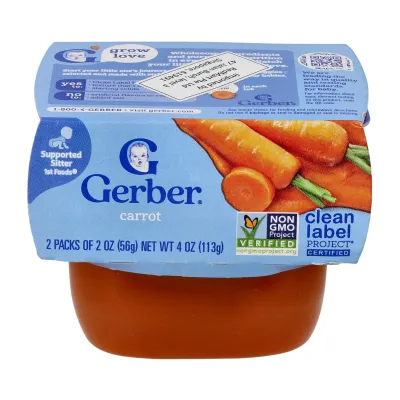
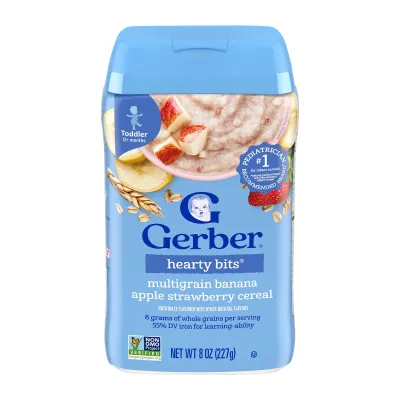
For babies who are just beginning their solid food journey, the focus is on introducing simple, single-ingredient options that are easy to digest. Gerber’s beginner range features single-ingredient purees and iron-fortified infant cereals, which are designed to introduce new tastes without overwhelming a developing digestive system.
When shopping at local supermarkets or online marketplaces in Singapore, parents should check the product packaging for “Stage 1” or “1st Foods” indicators. These products are formulated specifically for infants who are taking their very first bites of solid food.
Before feeding, always verify that the texture of the puree or prepared cereal is completely smooth, uniform, and easily swallowable. There should be no lumps, seeds, or thick fibers. If you are preparing infant cereal, mix it to a very thin, liquid-like consistency initially, gradually thickening it only as your baby becomes more comfortable with swallowing.
Middle Weaning (Exploring Textures and Flavors)
Once your baby has successfully tolerated a variety of single-ingredient foods, they are ready to transition to more complex flavors and slightly thicker textures. This middle weaning stage helps expand their palate and teaches them to manage different food consistencies.
During this phase, you can introduce multi-ingredient purees and mildly textured blends that combine fruits, vegetables, and grains. Look for “Stage 2” or “2nd Foods” markers on the Gerber packaging to identify products designed for this intermediate level.
As you introduce these thicker blends, closely observe your baby’s oral motor skills. They should be able to move the food from the front to the back of their mouth with their tongue and swallow without coughing or spitting it out. If they struggle with the slightly thicker consistency, return to smoother purees for a short period before trying again.
Late Weaning (Self-Feeding and Finger Foods)
As babies grow older and develop their pincer grasp—the ability to pick up small objects between the thumb and index finger—they can begin exploring self-feeding. This stage is crucial for developing hand-eye coordination and independence during meals.
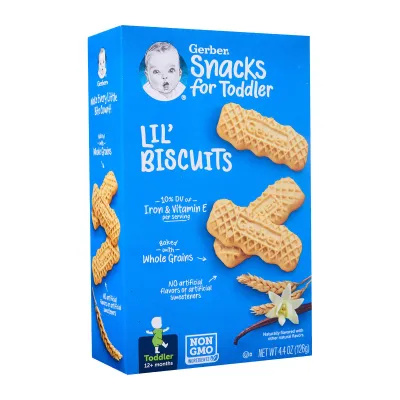
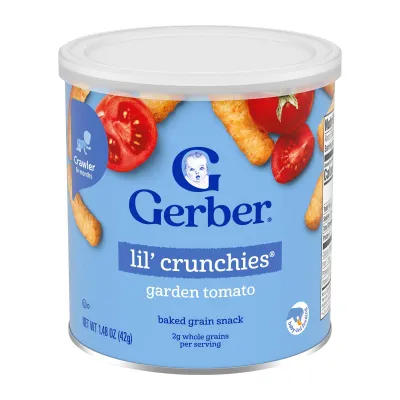
For this phase, parents often select dissolvable snacks such as Gerber Puffs or freeze-dried yogurt melts. These products are specifically designed for older infants because they dissolve quickly in the mouth, reducing the effort required for chewing while still providing a sensory experience.
However, self-feeding introduces a higher risk of choking, making active and direct adult supervision absolutely necessary during every meal and snack time. Never leave your baby unattended while they are eating, and ensure they are sitting completely upright.
Before purchasing or serving any finger foods, carefully check the product packaging for specific choking hazard warnings, stage appropriateness, and the required developmental milestones. The packaging will typically indicate if the product is intended for babies who can crawl on hands and knees, pull themselves up to stand, or chew mashed foods.
Reading Gerber Labels for Safety and Nutrition
Evaluating product labels is a vital step in ensuring the baby food you select aligns with your child’s nutritional needs and safety requirements. Parents should establish a consistent routine of reading the ingredient list and nutritional panels on every package before purchase.
First, verify the absence of added sugars, salt, or unnecessary preservatives in the ingredient list. Infant foods should rely on the natural flavors of the fruits, vegetables, and grains themselves, as introducing added sodium or sweeteners early in life can shape long-term taste preferences and strain developing kidneys.
Second, check the packaging for clear allergen statements and cross-contamination warnings. If your family has a history of food allergies, or if your baby has shown sensitivity, verifying these statements helps prevent accidental exposure to common allergens like wheat, soy, dairy, or tree nuts.
Third, identify key nutrients relevant to your baby’s developmental stage. For instance, iron and zinc are critical nutrients for infants starting around six months of age, as their natural prenatal iron stores begin to deplete. Look for infant cereals and purees that highlight these essential minerals on their nutrition facts panel.
Finally, always confirm the manufacturer’s recommended stage, age guidelines, and specific preparation or storage instructions. Some products require refrigeration after opening, while others must be consumed within a specific number of days to prevent spoilage and bacterial growth.
When to Pause or Adjust the Weaning Plan
Weaning is rarely a perfectly linear process, and parents must remain flexible and responsive to their baby’s physical reactions. Knowing when to pause, slow down, or adjust your approach is just as important as knowing when to advance to the next stage.
Stop feeding any new food immediately if your baby shows signs of an allergic reaction. These symptoms can include a sudden skin rash, hives, swelling around the face or mouth, vomiting, diarrhea, or difficulty breathing. If you observe any of these signs, halt the introduction of all new foods and seek medical advice or emergency care immediately.
You should also be prepared to revert to a smoother texture if your baby experiences frequent gagging, choking, or extreme refusal when trying thicker foods. While occasional gagging can be a normal part of learning to manage new textures, persistent distress indicates that your baby’s oral motor skills may not be ready for the current consistency.
If you encounter persistent feeding difficulties, digestive issues, or adverse symptoms, halt the introduction of new foods and consult a healthcare professional. A pediatrician or pediatric dietitian can help you assess your baby’s development and tailor a safe, comfortable weaning plan.
Frequently Asked Questions (FAQ)
Can I mix Gerber infant cereals with breast milk or formula?
Yes, you can mix Gerber infant cereals with breast milk, infant formula, or water. Parents should refer directly to the specific product’s preparation instructions on the packaging to ensure safe mixing ratios and proper hygiene.
The liquid-to-cereal ratio should be adjusted gradually as your baby’s swallowing skills improve. Start with a very thin, liquid consistency for their first feedings, and slowly increase the thickness over several weeks as they demonstrate better control over the food.
How do I know if my baby is allergic to a specific Gerber puree?
To identify potential food allergies, introduce only one new single-ingredient Gerber puree at a time, and wait three to five days before introducing another new food. This waiting period allows you to isolate the cause if an adverse reaction occurs.
Monitor your baby closely for mild signs of an allergic reaction, such as a mild rash or localized hives, as well as severe signs like vomiting, swelling, or wheezing. If any of these symptoms appear, stop feeding that specific food immediately and consult a healthcare professional for guidance.

Community discussion
Share your experience or ask a question. Comments are reviewed before publication.