
Selecting the right diaper cream requires matching the product’s formulation to your baby’s current skin state. While everyday sensitivity needs lightweight moisture barriers, severe irritation requires thicker, high-concentration pastes. This guide helps you assess observable skin signals, understand label ingredients, and choose the appropriate formulation type, while highlighting when to stop home care and consult a pediatrician.
In tropical, humid climates like Singapore, managing moisture in the diaper area is a constant task. High humidity can trap sweat and urine against delicate skin, accelerating irritation and making the choice of barrier cream even more critical. By understanding how different formulations interact with your baby’s skin, you can prevent mild chafing from developing into a painful, persistent rash.
Identifying Your Baby's Skin Condition and Rash Severity
Before reaching for a tube of cream, take a close look at the diaper area under good lighting. Accurately categorizing the skin’s condition ensures you do not over-treat healthy skin with heavy pastes or under-treat severe irritation with light lotions. Diaper area skin conditions generally fall into three categories: everyday sensitivity, mild friction irritation, and severe diaper rash.
Products mentioned in this guide
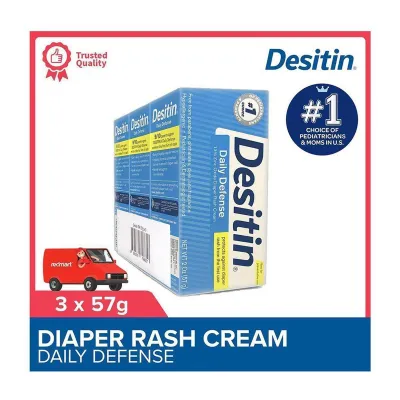
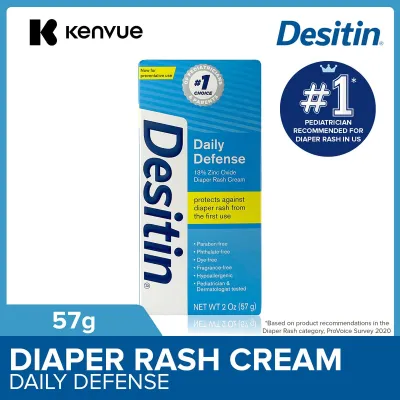
![[Bundle of 3] Desitin Daily Defense Diaper Rash Protection Cream Instantly Soothe Diaper Rash Discomfort 57g](https://img.lazcdn.com/g/p/b74ae21f7b47f8ec6b2c02dbfd829fc2.jpg_400x400q80.jpg_.webp)
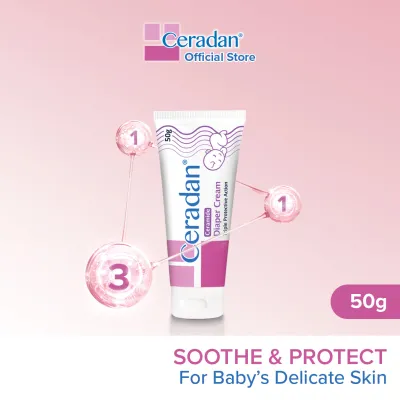
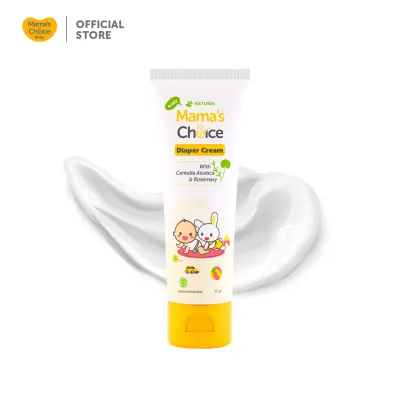
![[Bundle of 2] Bepanthen Baby Triple Action Nappy Care Ointment Exp Oct 2027](https://img.lazcdn.com/g/p/b768c145249ef25a000967475c87ff50.jpg_400x400q80.jpg_.webp)
Prices are valid at publication and may change. Please refer to the product page for the latest price.
Everyday sensitivity often presents as very light pinkness or slight dryness without any broken skin. The skin texture remains mostly smooth, and your baby does not show signs of discomfort during wiping. This state indicates that the skin’s natural barrier is slightly challenged but still intact, requiring only minimal, breathable protection to keep wetness at bay.
Mild friction irritation typically appears as localized redness where the diaper edges rub against the skin, such as the inner thighs, waistline, or leg cuffs. It can also show up as mild pink patches in the skin folds. This is usually caused by physical chafing or brief contact with a wet diaper. The skin may feel slightly warm to the touch, but there are no open sores or peeling areas.
Severe diaper rash is characterized by intense, bright red patches that cover a large portion of the diaper zone. The skin may look swollen, bumpy, or raw, and you might observe peeling, blistering, or small spots of bleeding. Your baby will likely show obvious signs of distress, crying or flinching during diaper changes and bath time. This level of irritation indicates that the skin barrier has broken down completely, leaving the underlying tissue vulnerable to further damage.
Tracking how long the irritation has been present is a vital step in gauging severity. A mild pinkness that appears after a long nap and resolves within twenty-four hours of diligent diaper changes is standard. However, any redness that persists or worsens over three days, despite regular diaper changes and basic hygiene, has transitioned into a more serious concern that requires targeted care.
Certain visual cues serve as immediate warning signs that home care alone is insufficient. If you observe pus-filled pimples, yellow crusting, open sores, or a rash that spreads rapidly up to the abdomen or down the legs, do not apply standard over-the-counter creams. These symptoms suggest a secondary infection or an atypical skin condition that requires immediate evaluation by a pediatrician.
Understanding Active Ingredients and Formulation Types
To choose the right product, you must look past the marketing claims on the front of the packaging and read the active ingredient list on the back. Diaper creams rely on specific barrier agents to isolate the skin from moisture, enzymes, and friction. The two most common active ingredients are zinc oxide and petroleum jelly.

Zinc oxide is a mineral-based ingredient that sits on top of the skin, creating a physical, waterproof barrier. It reflects moisture away from the skin and has mild astringent properties that help soothe irritated tissue. Petroleum jelly, or petrolatum, works by sealing in the skin’s natural moisture while lubricating the surface to reduce friction from the diaper. Other common supportive ingredients include lanolin, beeswax, and plant-based oils, which help soften the skin and improve the cream’s spreadability.
Formulations vary widely in their consistency and purpose, generally falling into four categories:
- Lotions: These have a high water content and are very easy to spread. However, they wash away quickly and do not provide a sufficient barrier against urine or stool. They are rarely recommended for active diaper rash.
- Creams: These are emulsions of oil and water. They are thicker than lotions but still absorb relatively easily, leaving a light, non-greasy protective layer that is suitable for daily maintenance.
- Ointments: Typically petroleum-based, these semi-solid formulations form a slick, long-lasting barrier that keeps external moisture out while preventing the skin from drying out.
- Pastes: These contain a high percentage of solid powder, usually zinc oxide, suspended in an ointment base. They are incredibly thick, sticky, and do not absorb into the skin. Instead, they form a heavy, visible shield that remains intact even after multiple wet diapers.
When selecting a product, always check the ingredient list for potential allergens, synthetic fragrances, or harsh preservatives. Fragrances are a primary cause of contact dermatitis in babies with sensitive skin. If your baby is prone to eczema or allergies, look for products labeled as fragrance-free, dye-free, and hypoallergenic. Avoid products containing alcohol, parabens, or strong essential oils, which can cause a burning sensation on already irritated skin.
It is also important to understand that a higher concentration of active ingredients changes the physical behavior of the product. A paste with 40% zinc oxide will be much thicker and harder to wipe off than a cream with 10% zinc oxide. While the high-concentration paste provides superior physical isolation for raw skin, it requires more effort to apply and remove, which can cause friction if not handled gently.
Matching Cream Types to Specific Skin Concerns
Matching the formulation type to your baby’s specific skin condition ensures effective protection without unnecessary skin buildup. Using a heavy, high-concentration paste on healthy skin can clog pores and make daily cleaning difficult, while a light lotion will fail to protect a severe rash. A targeted approach keeps the skin healthy and comfortable.
For daily prevention and sensitive skin, choose lightweight, breathable ointments or mild creams. These products should contain low concentrations of zinc oxide (around 10% or less) or rely primarily on petroleum jelly and lanolin. They provide a thin, flexible barrier that reduces friction from diaper movement and prevents occasional wetness from penetrating the skin, without creating a heavy buildup that is difficult to wash away during routine changes.
For mild to moderate redness caused by friction or brief exposure to wetness, opt for soothing, barrier-repair formulations. Look for creams or ointments that combine moderate zinc oxide concentrations (between 10% and 20%) with soothing additives like panthenol, calendula, or chamomile, provided your baby has no known sensitivities to these botanicals. These ingredients help calm localized inflammation while reinforcing the skin’s natural defenses.
For severe, weeping, or persistent rashes, high-concentration, thick barrier pastes are necessary. These products typically contain 30% to 40% zinc oxide. The thick paste does not rub in; instead, it acts as a physical wall that completely isolates the raw, broken skin from the highly irritating acids found in urine and stool. This allows the underlying tissue to heal undisturbed by external irritants.
The following table maps common observable skin conditions to the recommended formulation types and key label checks to guide your selection:
| Observable Skin Condition | Recommended Formulation Type | Key Label Checks |
|---|---|---|
| Healthy skin with mild sensitivity | Lightweight ointment or breathable cream | Fragrance-free, low zinc oxide (under 10%) or petroleum base |
| Mild redness, localized chafing, or crease irritation | Soothing cream or moderate ointment | Zinc oxide (10% to 20%), soothing additives like panthenol |
| Severe redness, raw patches, or weeping skin | Thick, high-concentration paste | Zinc oxide (30% to 40%), preservative-free, dye-free |
Safe Application Practices and When to Seek Medical Help
Even the most advanced diaper cream will not work effectively if applied incorrectly. Proper application technique is just as important as choosing the right formulation. Following a consistent, gentle routine protects your baby’s skin from further damage and ensures the barrier cream can do its job.
Before applying any cream, ensure the diaper area is thoroughly clean and completely dry. Wash your hands with soap and water. Gently clean the baby’s skin using warm water and a soft cloth, or a fragrance-free, alcohol-free wipe. Avoid rubbing or scrubbing the skin, which can worsen irritation. Pat the skin dry with a clean towel, or let it air-dry for a few minutes. Applying barrier cream over damp skin traps moisture underneath, which can actually accelerate skin breakdown.
When applying thick pastes to an active rash, use a generous amount and spread it evenly, similar to frosting a cake. Do not attempt to rub the paste completely into the skin; a visible, white layer should remain to protect the raw areas. During subsequent diaper changes, do not scrub off the remaining clean paste. Wiping too vigorously will damage the fragile, healing skin underneath. Instead, gently wipe away only the soiled top layer and any stool, leaving the clean base layer of paste intact, then apply a fresh layer on top.
To remove stubborn, thick zinc oxide paste during bath time, avoid harsh scrubbing. Instead, pour a small amount of mineral oil or baby oil onto a soft cotton pad and gently wipe the area. The oil will naturally dissolve the heavy paste, allowing you to clean the skin easily without causing friction or discomfort to your baby.
While home care is highly effective for standard diaper irritation, you must be able to recognize when a rash has progressed beyond the help of over-the-counter creams. Fungal infections, often caused by yeast, thrive in the warm, moist environment of a diaper. A yeast rash typically presents as a bright red, shiny area with distinct, small red spots (satellite lesions) spreading outward from the main rash. It does not improve with standard zinc oxide creams and requires a specific antifungal treatment prescribed by a professional.
Bacterial infections can also occur when the skin barrier is broken. Signs of a bacterial infection include yellow, crusty scabs, pus-filled blisters, or localized swelling that feels hot to the touch. If you observe any of these signs, or if your baby develops a fever, shows extreme pain, or if the rash does not show clear signs of improvement after three days of consistent care, stop using your current diaper cream and consult a pediatrician or dermatologist immediately.
Frequently Asked Questions (FAQ)
Can I use the same diaper cream for prevention and treatment?
While some versatile products can serve both purposes, it is generally more effective to use different formulations for daily prevention and active treatment. Daily prevention requires a lightweight, breathable barrier, such as a petroleum-based ointment or a low-concentration zinc oxide cream. These products protect the skin from friction and light wetness without creating a heavy, suffocating layer that is difficult to clean off during routine diaper changes.
Active treatment of a moderate to severe rash, however, demands a much thicker, high-concentration zinc oxide paste. These heavy pastes are designed to stay in place and completely isolate raw, broken skin from urine and stool. Using a heavy treatment paste daily on healthy skin can lead to unnecessary buildup and skin irritation from excessive wiping, while a light preventative cream will not provide enough protection to allow an active, weeping rash to heal.
How long should I wait to see improvement before changing creams?
For mild diaper irritation or friction chafing, you should expect to see visible signs of improvement—such as reduced redness and smoother skin texture—within twenty-four to forty-eight hours of consistent barrier cream application and diligent diaper hygiene. If the skin is showing gradual improvement, continue with the current routine until the redness resolves completely.
However, if the rash worsens, spreads, or shows absolutely no improvement after three days of consistent use, you should stop applying the cream. Do not simply switch to another over-the-counter brand, as the underlying cause may be a fungal or bacterial infection rather than simple diaper irritation. In such cases, or if the baby exhibits signs of severe discomfort, consult a pediatrician for a proper diagnosis and targeted treatment plan.

Community discussion
Share your experience or ask a question. Comments are reviewed before publication.