
Finding the right 3-in-1 bottle cap brush depends entirely on matching the brush’s physical components—the main head, the nipple tip, and the detail tool—to the specific structural design of your baby bottles. Because Pigeon, Dr. Brown’s, and Avent use vastly different venting, collar, and nipple designs, a single generic brush rarely cleans all of them perfectly without careful feature verification. In Singapore’s warm, humid climate, milk residue left in tight crevices quickly becomes a breeding ground for bacteria and mold. Choosing a brush that can thoroughly clear these hard-to-reach areas is essential for maintaining infant feeding hygiene.
Quick Answer: Matching Brushes to Specific Bottle Brands
No single brush universally guarantees perfect cleaning for all complex bottle systems without verifying specific component dimensions and brush features.
For Dr. Brown’s bottles, you need a specialized, rigid straw or vent tube brush to clear the narrow internal green or blue vent inserts.
Products mentioned in this guide
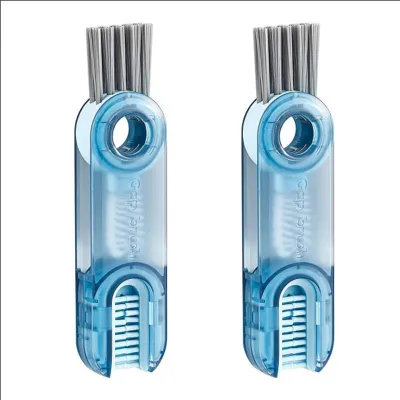
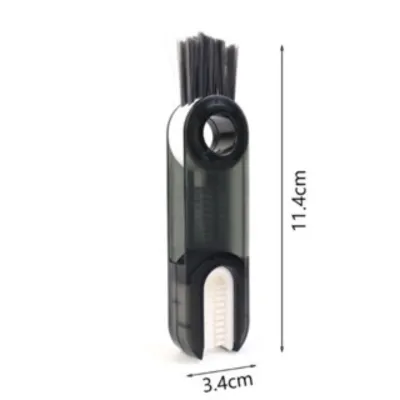
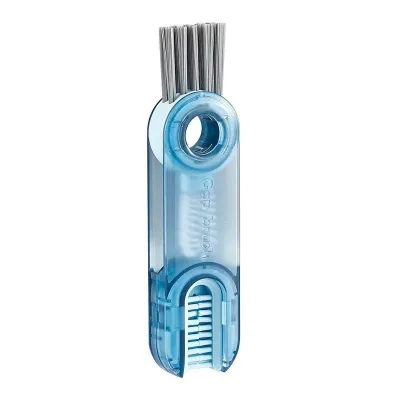

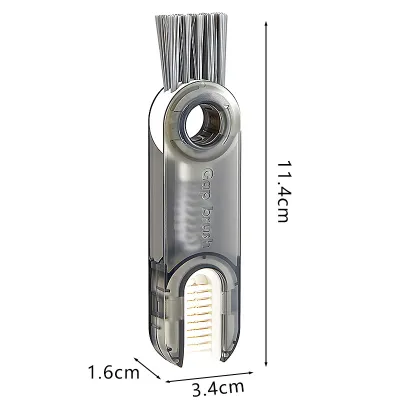

Prices are valid at publication and may change. Please refer to the product page for the latest price.
For Pigeon bottles, look for a flexible, contoured nipple brush that matches the wide-neck teat shape, alongside a main brush head that can sweep the wide-neck cap edges.
For Avent bottles, you require sturdy, dense bristles to scrub the deep, secure cap threads and a precise, fine-tipped detail brush to clear the integrated anti-colic valves without tearing the silicone.
Identifying the Cleaning Challenges of Your Bottle Brands
Baby bottles may look simple from the outside, but their collars, caps, and venting mechanisms feature intricate geometry designed to regulate airflow and prevent leaks. These tight spaces are prime locations for dried milk fats and proteins to accumulate, especially if bottles sit for a few hours before washing.

Standard kitchen sponges or oversized bottle brushes cannot reach into these micro-crevices. Understanding the specific structural hurdles of each brand allows you to inspect a 3-in-1 brush’s tools with a critical eye before making a purchase.
Dr. Brown's: Vent Systems and Complex Collars
Dr. Brown’s bottles are famous for their internal clinical vent systems, which consist of a reservoir tube and a circular insert. These components feature incredibly narrow channels where milk flows constantly during feeding.
Cleaning these parts requires a dedicated, ultra-thin wire-bristle brush or a specialized straw brush that can slide completely through the tube without getting stuck.
Additionally, the collar that holds the nipple has deep, narrow grooves where the vent insert seats. Caregivers must exercise caution when cleaning these areas; using excessive force or an improperly sized brush tip can damage the delicate silicone vent membrane or scratch the plastic, creating microscopic pockets where bacteria can hide.
Pigeon: Wide-Neck Threads and Soft Nipples
Pigeon’s SofTouch wide-neck bottles feature a distinctively wide collar and a highly flexible, soft silicone nipple designed to mimic natural latching. The wide-neck design makes the bottle body easy to clean, but the wide cap threads present a different challenge.
The broad circumference of the collar means a standard narrow brush might slide around without contacting the inner edges, requiring a wider, more flexible main brush head to sweep the entire thread path.
The soft silicone nipples are highly susceptible to damage. Cleaning them requires a dedicated, contoured nipple brush component that matches the internal shape of the teat. Using a stiff, straight brush can easily puncture the Y-cut or round feeding holes, ruining the nipple and altering the milk flow rate.
Avent: Deep Threads and Anti-Colic Valves
Avent bottles, particularly the Natural and Anti-colic ranges, utilize deep, robust cap threads designed to create a secure, leak-free seal. These deep threads have sharp angles where dried milk residue can quickly build up and harden.
To clear these channels, a brush needs sturdy, resilient bristles that can penetrate deep into the thread grooves and scrub away stubborn residue.
Furthermore, Avent nipples feature an integrated anti-colic valve system built directly into the silicone skirt. This valve relies on a tiny, precise slit that opens and closes to vent air. Cleaning this area requires a very fine, precise detail brush tip that can gently clear residue without stretching, tearing, or permanently deforming the valve mechanism.
Evaluating the 3 Components of a 3-in-1 Brush
A standard 3-in-1 bottle cap brush typically houses three distinct tools within a single compact handle: a main brush, a dedicated nipple brush, and a fine detail or straw brush. To ensure the set you choose is up to the task, you must evaluate each component individually.
The main brush head is your primary tool for the bottle body and wide collar threads. When inspecting this component, assess the handle length and the bristle material. Silicone main heads are highly durable, hygienic, and gentle on surfaces, but they require more physical effort to scrub away dried milk. Nylon or polyester bristles offer superior scrubbing power for deep threads but can degrade faster and cause micro-scratches on plastic bottles over time.
The nipple brush is usually nested inside the handle or attaches to the opposite end. Check its size, softness, and contour. A good nipple brush should have a rounded, bulbous tip that matches the internal curve of your bottle’s teats. If the nipple brush is too pointed or rigid, it risks tearing the delicate silicone tip during cleaning.
The detail or straw brush is the smallest component, often hidden inside the core of the handle. For parents using vented bottles, this tool is the most critical. Verify the diameter and stiffness of these micro-bristles. The wire core must be flexible enough to navigate curves but rigid enough to resist bending or snapping under light pressure. Ensure the wire tip is safely coated or rounded to prevent scratching plastic parts or leaving sharp wire fragments behind.
Condition-Based Selection: Which Brush Setup Fits Your Routine?
Your choice of a 3-in-1 brush should align directly with the specific bottle brand that dominates your daily feeding routine.
If Dr. Brown’s bottles are your primary choice, prioritize a 3-in-1 brush set that features a long, rigid wire detail brush. The micro-brush must be long enough to pass through the entire length of the vent reservoir tube. Before buying, verify the exact length of the included detail tool; if the 3-in-1 set’s built-in tool is too short, you will need to supplement your kit with a separate, dedicated vent brush.
If your kitchen is dominated by Pigeon wide-neck bottles, look for a brush set with a highly flexible, soft silicone main head and a dedicated, contoured silicone nipple brush. This setup prioritizes scratch prevention on the soft silicone teats and PPSU bottle bodies while providing enough flexibility to sweep the wide collar threads.
For households relying on Avent bottles, a brush with dense, medium-stiffness nylon bristles and a precise, tapered detail tip is the ideal match. The stiffer bristles will easily clear the deep, secure threads of the Avent collars, while the fine detail tip allows you to clean the anti-colic valve skirt without damaging the silicone.
Always check the physical dimensions of the brush components against your bottle parts before first use. If a tool feels too tight or requires excessive force to insert, stop using it immediately to avoid damaging your feeding equipment.
Maintenance, Hygiene, and When to Replace
In Singapore’s humid environment, bottle brushes can easily trap moisture, leading to rapid mold growth and bacterial colonization if not maintained correctly. Regular visual inspections are crucial for ensuring your cleaning tools remain sanitary.
After every use, disassemble the 3-in-1 brush completely to expose all nested components. Rinse each part thoroughly under warm running water to remove any trapped milk residue or soap suds. Shake off excess water and store the components separately in a well-ventilated, dry area, preferably on a dedicated drying rack away from standing water.
Inspect the brush regularly for signs of wear and tear. Look for frayed or splaying bristles, discoloration, silicone degradation, or rust on wire cores. Pay close attention to the joints and nesting cavities inside the handle, as these dark, enclosed spaces are highly susceptible to mold.
Replace your 3-in-1 brush immediately if you notice bent wire cores, persistent sour odors, loose bristles, or visible mold spots that cannot be washed away. Even without visible damage, replacing nylon brushes every two to three months—and silicone brushes every four to six months—is a safe practice to maintain optimal hygiene.
Frequently Asked Questions (FAQ)
Can I use the same 3-in-1 brush for both glass and plastic bottles?
Yes, but you must choose your bristle material carefully to match the bottle type. Glass bottles are highly scratch-resistant, meaning you can safely use stiffer nylon or polyester bristles to scrub away stubborn residue. Plastic bottles, including PP (polypropylene) and PPSU (polyphenylsulfone), are much softer and prone to micro-scratches. These tiny scratches can harbor bacteria and make the bottle look cloudy. If you use plastic bottles, a soft silicone brush or a very gentle nylon brush is preferred. Always check the manufacturer’s label for material compatibility and replace any brush that has become abrasive over time.
Is a silicone 3-in-1 brush better than a nylon one for bottle caps?
Both materials have distinct trade-offs when it comes to cleaning complex bottle caps. Nylon bristles excel at deep cleaning because their stiff, individual fibers can easily penetrate deep thread grooves and scrub away dried, hardened milk fats. However, nylon degrades faster and can hold onto moisture. Silicone bristles are highly hygienic, easy to dry, and exceptionally durable, making them excellent for preventing scratches on delicate parts. The trade-off is that silicone heads are often bulkier and may struggle to reach into the tightest corners of complex vent systems or deep cap threads, sometimes requiring more physical effort or a secondary wire tool to achieve a thorough clean.

Community discussion
Share your experience or ask a question. Comments are reviewed before publication.