
Transitioning your child from a forward-facing car seat with a five-point harness to a booster seat is a major milestone. However, making this switch too early can compromise their safety. To know if your child is ready for a booster seat, you must verify that they meet three critical criteria simultaneously: they have outgrown their current forward-facing harness seat, they meet the minimum physical requirements of the new booster, and they possess the behavioral maturity to sit correctly for the entire duration of every ride.
In Singapore, where road safety is strictly regulated, ensuring your child is in the correct restraint is both a safety priority and a legal requirement. Moving to a booster seat is not an upgrade to be rushed; a premature transition reduces the level of protection your child receives in a collision. By carefully evaluating their height, weight, and developmental readiness, you can make an informed decision that keeps your child secure on every trip.
The 3 Core Signs of Booster Seat Readiness
To understand why this transition requires careful timing, look at the functional differences between these two child restraints. A forward-facing car seat utilizes an integrated five-point harness. This system secures the child at the shoulders and hips, distributing crash forces across the strongest parts of their skeletal frame and keeping them firmly contained within the protective shell of the seat. In contrast, a belt-positioning booster seat does not have an integrated harness. Instead, it elevates the child so that the vehicle’s adult seat belt fits properly across their smaller frame.
Products mentioned in this guide
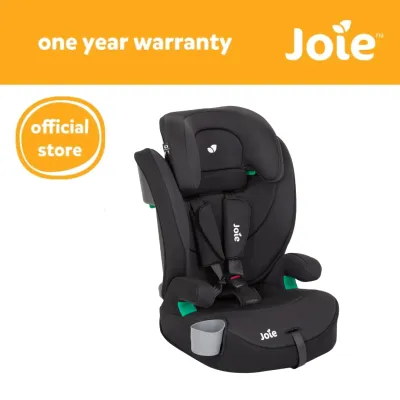
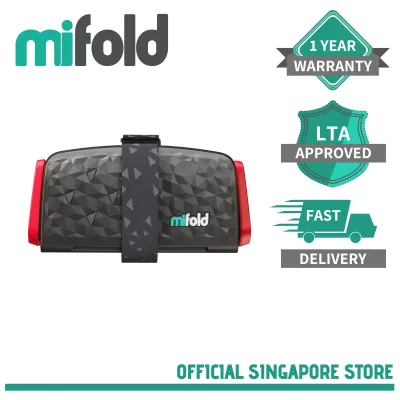
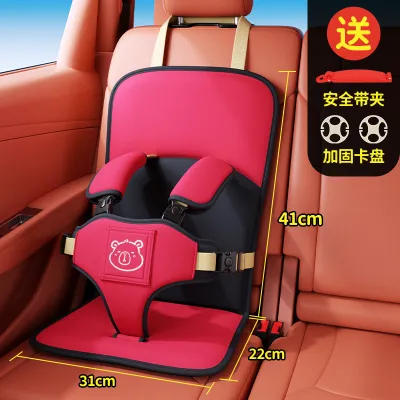
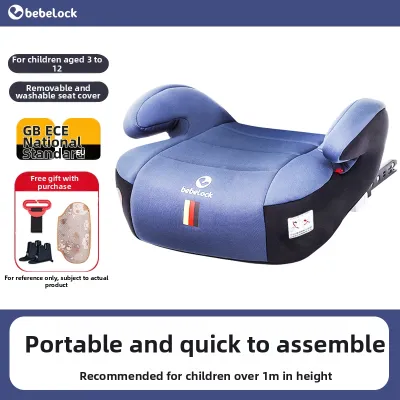
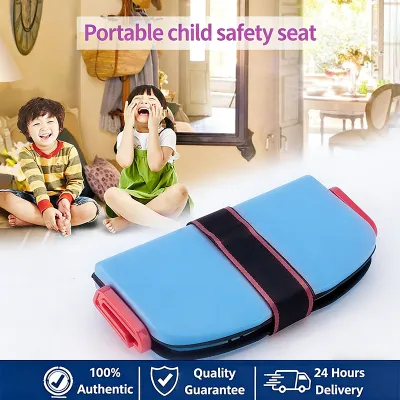
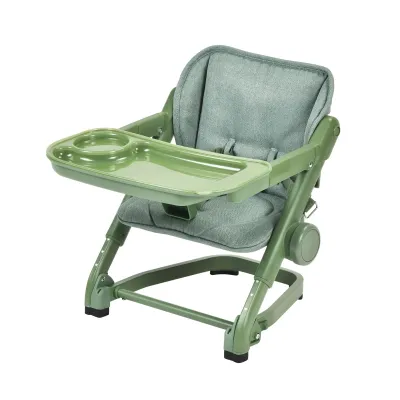
Prices are valid at publication and may change. Please refer to the product page for the latest price.
Because a booster seat relies entirely on the vehicle’s seat belt to restrain the child, the transition should only occur when three non-negotiable criteria are met at the same time:
- Outgrowing the Current Seat: Your child must have reached the maximum height or weight limit allowed for the harness mode of their current forward-facing car seat.
- Meeting the Booster's Minimum Limits: Your child must meet the minimum weight and height thresholds specified by the manufacturer of the new booster seat.
- Demonstrating Behavioral Maturity: Your child must be developmentally capable of sitting completely upright, keeping the seat belt positioned correctly over their shoulder and hips without slouching, leaning, or playing with the buckle.
If your child fails to meet even one of these conditions, they are not yet ready for a booster. A child who is physically large enough but lacks the maturity to sit still without twisting or pulling the shoulder strap behind their back must remain in a five-point harness. Keeping them in a harness ensures they are held securely in place, whereas a booster seat would allow them to wiggle into a dangerous position that could lead to severe injury in a sudden stop or collision.
How to Check If Your Child Has Outgrown Their Forward-Facing Seat
Before assuming your child is ready to move on to a booster, you must determine whether they have actually outgrown their current forward-facing car seat. Many parents mistakenly believe that a child has outgrown their seat simply because their feet touch the vehicle’s seat back or because they look “too big” for it. In reality, car seats are engineered to accommodate children up to very specific physical limits. To find these limits, locate and read the manufacturer’s label on the shell of your car seat or consult the user manual, as physical limits vary significantly between brands and models.

To systematically verify if your child has outgrown their forward-facing harness, perform the following physical checks:
- Harness Height Limit: Sit your child upright in the seat with their back flat against the seat back. For a forward-facing seat, the harness straps must be at or slightly above your child's shoulders. If the top harness slots are below your child's shoulders when the headrest is adjusted to its highest position, your child has outgrown the harness height limit.
- Head Height Limit: While your child is seated upright, check the position of the top of their head relative to the seat shell or headrest. In most forward-facing seats, the child has outgrown the seat when the tops of their ears reach the top edge of the car seat shell or the designated limit line on an adjustable headrest. Refer to your specific product manual to verify the exact head height rule.
- Maximum Weight Limit: Find the manufacturer's specification sticker on the side or bottom of the seat shell. Once your child's weight reaches or exceeds this specified limit, they can no longer safely use the harness.
It is vital to rely strictly on the documented limits of your specific car seat rather than general age, height, or weight averages. A tall, lean child might outgrow the harness height limit long before reaching the maximum weight limit, while a heavier child might reach the weight limit while still being well below the height threshold. Outgrowing any single physical limit means the current seat is no longer safe to use in harness mode.
Evaluating Your Child's Maturity and Behavioral Readiness
While physical size is easy to measure, behavioral maturity is a separate and critical component of booster seat readiness. Many parents overlook this aspect, assuming that if a child fits the physical dimensions of a booster, they are ready to use it. However, the safety of a booster seat depends entirely on the child’s ability to maintain a proper sitting position for the entire duration of every ride. Unlike a five-point harness that physically restrains a child, a booster seat allows complete freedom of movement.
To assess whether your child has the developmental focus and self-control required to transition to a booster seat, observe their behavior closely during your daily commutes. Use the following behavioral checklist to evaluate their readiness:
- Consistent Upright Position: They must sit with their back flat against the back of the booster seat and their bottom completely in the seat crease without slouching forward or sliding down.
- Proper Belt Routing: They must leave the seat belt alone, never pulling the shoulder belt under their arm, tucking it behind their back, or draping it over their neck.
- No Excessive Movement: They must refrain from leaning forward to reach for fallen toys, turning sideways to talk to a sibling, or bending over to look out the side window.
- Respect for the Buckle: They must understand that the seat belt buckle must remain clicked at all times and never play with the buckle or attempt to unclick it mid-ride.
- Maintaining Position When Tired: They must maintain this correct posture even when they are exhausted, cranky, or falling asleep, rather than slumping forward or to the side.
If your child meets the physical size requirements but fails to consistently demonstrate these behaviors, they are not ready for a booster seat and must remain in a five-point harness. A child who is wiggling, slouching, or playing with the belt during a trip through busy traffic is at a significantly higher risk of injury if you have to brake suddenly. For these children, the physical restraint of a harness is necessary to keep them safe until their impulse control catches up with their physical growth.
The 5-Step Seat Belt Fit Test for Boosters
Once you believe your child has met the physical and behavioral criteria, perform a practical, hands-on test in your actual vehicle to verify that the booster seat correctly positions the adult seat belt on their body. Because vehicle seats, seat belt anchor points, and booster designs vary, a booster seat that fits your child perfectly in one vehicle might not provide a safe fit in another. The “5-Step Fit Test” is an industry-standard diagnostic tool that allows you to visually confirm whether the seat belt is doing its job of protecting your child’s skeletal structure.
To perform the test, secure the booster seat in your vehicle, have your child sit in it, and buckle the vehicle’s three-point seat belt over them. Then, verify the following five points:
- Back Flat Against the Seat: Your child’s back and bottom must be flat against the back of the booster seat (or the vehicle seat back if using a backless booster) without any gaps.
- Comfortable Knee Bend: Your child’s knees must bend comfortably over the front edge of the booster seat or vehicle seat cushion. If their legs are too short, they will slouch forward to bend their knees, pulling their lower back away from the seat and misaligning the belt.
- Low and Snug Lap Belt: The lap belt portion of the seat belt must sit low and flat across your child's upper thighs and hips, making contact with the pelvic bones. It must never rest on or ride up onto their soft stomach area.
- Centered Shoulder Belt: The shoulder belt must cross the middle of your child's chest and rest securely on the collarbone, halfway between their neck and the edge of their shoulder. It must not rub against their neck or slip off their shoulder.
- Long-Term Position Maintenance: Your child must be able to maintain this exact sitting position naturally for the entire duration of the ride, without slouching, shifting, or leaning.
If your child fails even a single step of this test, they are not ready to use that specific booster seat in that vehicle. A failed step indicates that either your child is still too small for the booster transition, or the specific booster model you are testing does not align properly with the geometry of your vehicle’s seats and seat belts.
What to Do If Your Child Is Not Ready to Transition
If your child fails any of the physical, behavioral, or fit checks, do not attempt to force the transition. Keeping your child in a safer, more supportive restraint is always the best course of action. Depending on which specific criteria your child did not meet, you can choose one of three safe alternative paths to ensure they remain protected during travel:
- Path 1: Keep Them in Their Current Harness Seat. If your child has not yet reached the maximum weight or height limits of their current forward-facing car seat but failed the maturity or seat belt fit tests, simply keep them in their current seat. There is no safety benefit to transitioning early; a five-point harness is always the safest option for as long as it fits.
- Path 2: Invest in an Extended-Harness Car Seat. If your child has outgrown the physical limits of their current seat but lacks the developmental maturity to sit properly in a booster, look for a forward-facing car seat with higher weight and height limits. Many combination seats are designed to keep children harnessed up to higher weights (such as 25kg or more) and taller heights, giving them more time to mature.
- Path 3: Reassess and Try Different Booster Models. If your child passes physical and maturity checks but fails the seat belt fit test, they may need a different style of booster. For instance, if you are testing a backless booster and the shoulder belt rubs against their neck, switching to a high-back booster with an adjustable shoulder belt guide can help route the belt correctly. Alternatively, wait a few months for your child to grow slightly taller and perform the 5-step test again.
When managing these transitions, verify compliance with local traffic regulations in Singapore. Under the Road Traffic Act, anyone under 1.35 metres in height must be secured in an approved child restraint. Ensure that any seat you use carries an approved safety standard mark and is installed according to both the car seat manufacturer’s instructions and your vehicle’s owner manual. If instructions conflict or you are unsure about the fit, consult the manufacturer or a certified child passenger safety professional before proceeding.
Frequently Asked Questions (FAQ)
What if my child outgrows the harness limits but still lacks maturity?
If your child has exceeded the maximum height or weight limits of their current forward-facing harness but is still too active, wiggles constantly, or cannot be trusted to keep the vehicle seat belt in place, they are not ready for a booster. In this situation, the safest option is to purchase a car seat with extended harness limits. Look for a model specifically rated for higher weight capacities and taller torso heights in five-point harness mode. This allows your child to remain safely and physically restrained until they develop the self-control required to transition to a belt-positioning booster.
How do I choose between a high-back and a backless booster?
Choosing between a high-back and a backless booster depends on your child’s physical development and your vehicle’s design. High-back boosters are highly recommended for younger children transitioning from a harness, as they provide crucial head, neck, and torso support, and feature built-in guides to route the shoulder belt perfectly. They are also mandatory if your vehicle’s seats do not have adequate headrests. Backless boosters are more compact and suitable for older, taller children who already have the maturity to sit upright and whose heads are supported by the vehicle’s built-in headrests. Always check the booster manufacturer’s documentation for specific height and weight specifications for each model.

Community discussion
Share your experience or ask a question. Comments are reviewed before publication.