
Introducing a toilet step stool is a pivotal milestone in your toddler’s potty training journey. It transforms a daunting, oversized adult fixture into an accessible, child-sized station, fostering the physical confidence your child needs to transition away from diapers. By providing a stable platform, a step stool allows your toddler to climb up independently, turn around safely, and sit with their feet securely supported. This physical support is not just about reach; it also positions their body in a natural squatting posture, which relaxes the pelvic muscles and makes bowel movements significantly easier.
To introduce this tool successfully, you must blend careful product selection with a patient, multi-step introduction strategy. Rushing the process or using an unstable platform can lead to slips, causing setbacks in their potty training progress. By focusing on readiness, gradual familiarization, and consistent safety rules, you can help your child build a lifetime of independent bathroom habits.
Assessing Readiness and Choosing the Right Toilet Step Stool
Before purchasing a toilet step stool, observe your toddler’s physical development and interest in the bathroom routine. Your child should display steady balance when walking, the ability to climb low stairs with minimal assistance, and a clear interest in mimicking adult bathroom habits. If your toddler frequently watches you use the toilet or expresses a desire to sit on the “big potty,” they are likely ready to transition from a standalone potty chair to a step stool.
Products mentioned in this guide
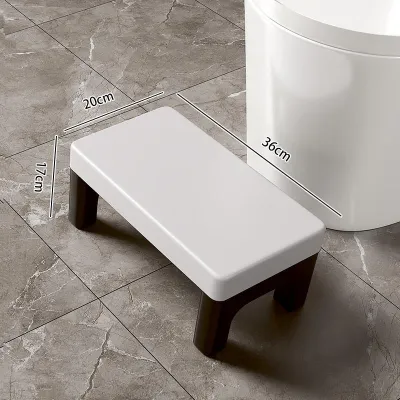
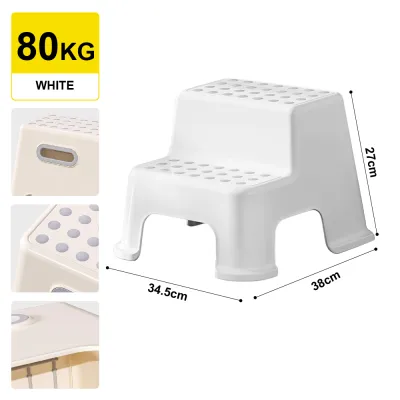
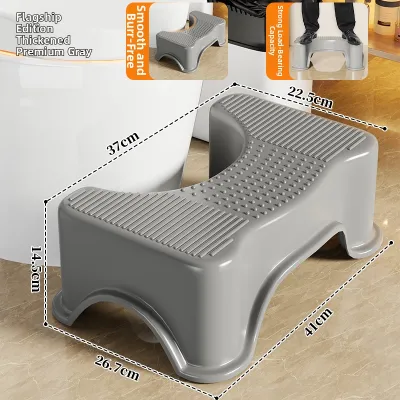
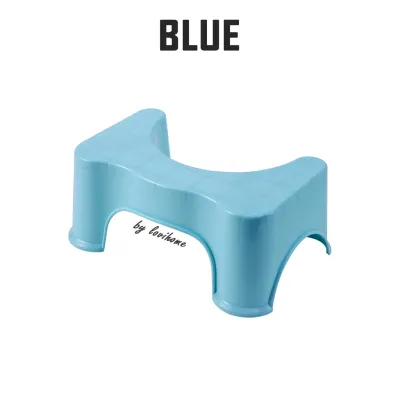
![[SG] Potty Seat Training ✨ Kids Toilet Bowl Baby Toilet Toddlers Toilet Seat Step Stool Ladder](https://img.lazcdn.com/g/p/6b5ac1003ca1b17970f28eaf9850907d.jpg_400x400q80.jpg_.webp)
Prices are valid at publication and may change. Please refer to the product page for the latest price.
When evaluating different models, prioritize safety and design features over aesthetic appeal. Look for a stool with a wide, stable base that resists tipping even when weight is placed on the very edge. The stepping surface must feature a textured, non-slip rubber grip to prevent sliding, especially when your child has wet feet or is wearing socks. Additionally, check the manufacturer’s label for weight limits and verify that the materials are sturdy enough to support your growing child without flexing.
Measuring your bathroom setup is a critical step that parents often overlook. Measure the height of your toilet bowl from the floor to the rim, and compare this with the height of the stool’s steps. The ideal stool allows your toddler to sit on the toilet seat with their knees slightly higher than their hips and their feet resting completely flat on the step. If their feet dangle or if they must tiptoe to touch the surface, the stool is too low, which can cause instability and physical strain during use.
Consider your bathroom’s layout and floor material as well. In many homes, bathroom floors are tiled and can become exceptionally slippery when wet or humid. Choose a stool equipped with robust rubberized feet on the bottom to grip the tiles securely. If you have limited space, look for a contoured design that fits snugly against the base of the toilet bowl when not in use, keeping the walkway clear for other family members.
Step-by-Step Guide to Introducing the Toilet Step Stool
Introducing a new piece of equipment directly in the bathroom can sometimes overwhelm a young child. Start with a familiarization phase in a low-pressure environment, such as the living room or playroom. Place the new stool on the floor and let your toddler explore it at their own pace. Encourage them to sit on it, carry it around, or use it as a seat while reading a book. This positive, non-functional interaction helps strip away any anxiety associated with the toilet.

Once your child is comfortable handling the stool, transition to guided practice sessions outside of actual potty times. Keep your toddler fully clothed and demonstrate how to step up and down safely. Show them where to place their feet in the center of the step rather than on the outer edges. Teach them to hold onto the sides of the stool or a secure wall grab bar if you have one installed. Practice this climbing motion several times, offering enthusiastic praise for their coordination and balance.
Next, move the stool to its permanent position in front of the adult toilet. During actual potty training sessions, guide your child through the routine using clear, consistent verbal cues. Walk them to the toilet, assist them in pulling down their pants, and guide them as they step up, turn around, and sit down. In these early stages, keep your hands lightly on their waist or shoulders to provide physical reassurance and prevent sudden slips.
As your toddler becomes more confident, begin gradually fading your physical support. Instead of holding their waist, stand close by with your hands hovering a few inches away, ready to assist if they lose their balance. Encourage them to complete the steps independently while you provide verbal guidance, such as “step up,” “turn around,” and “sit back.” This transition builds their self-reliance while ensuring they remain safe under your close supervision.
Consistency is key to cementing this new routine into their daily habits. Ensure the stool is always placed in the exact same spot and orientation every time your child enters the bathroom. If you have multiple bathrooms, consider placing a similar stool in each one to maintain a uniform experience. This predictability helps your toddler develop muscle memory, making the physical acts of climbing and turning second nature over time.
Safety Checks and Daily Usage Rules
Maintaining a safe environment requires daily vigilance and simple maintenance habits. Before your child uses the stool each day, perform a quick visual and physical check. Ensure the stool is sitting completely flat on the floor without wobbling, and verify that no toys, towels, or bathmats are trapped underneath. Wipe away any water droplets or condensation on the steps, as even a small amount of moisture can compromise the non-slip surface.
Establish clear, non-negotiable rules for how your child interacts with the stool. Teach them that the stool is strictly a tool for reaching the toilet and washing their hands, not a toy. They must always face forward when climbing up or down, and they should never stand on the very edge, jump off the step, or use it as a climbing frame. If you observe any unsafe behavior, calmly pause the activity, explain the rule, and guide them through the correct movement.
Caregiver supervision remains essential throughout the potty training process, though the level of involvement will change. During the initial weeks, always stay within arm’s reach of your child so you can physically intervene if they slip. Once your toddler demonstrates consistent balance and adheres to the safety rules, you can transition to visual monitoring from the bathroom doorway. Never leave a young toddler completely unattended in the bathroom, as wet surfaces present unpredictable hazards.
Regular cleaning is vital to keep the stool safe and hygienic. Bathroom environments are naturally humid, which can encourage the growth of mold, mildew, and bacteria on plastic or wooden surfaces. Wash the stool weekly using warm water and a mild, child-safe soap, paying close attention to the textured grooves on the steps and the rubber feet underneath. Avoid using heavy wax-based cleaners or slick polishes, as these can leave a dangerous, slippery residue on the stepping surfaces.
Troubleshooting Common Potty Training Hurdles
It is common for toddlers to experience occasional setbacks, fears, or resistance when using a toilet step stool. If your child suddenly expresses a fear of heights or of the large toilet bowl, do not force them to climb. Instead, temporarily adjust the stool’s position or use a model with a lower, wider first step to reduce the perceived height. You can also place a secure toddler seat insert on the toilet rim to make the opening smaller and less intimidating, giving them a greater sense of security.
If your toddler struggles with the physical coordination required to turn around and sit, they may refuse to use the stool altogether. This clumsiness often happens when children try to turn too quickly on a narrow step. To resolve this, teach them a slow, deliberate turning technique. Guide them to step up, place both feet firmly on the top platform, and then take small, incremental baby steps to turn their body around before sitting. Practice this slowly, holding their hands until the movement becomes smooth.
Another frequent challenge is when a child begins using the stool as a climbing frame to reach high countertops, shelves, or cabinets. To curb this behavior, establish a strict boundary that the stool must remain in its designated spot by the toilet. If the temptation is too great, choose a folding stool that you can easily store out of reach when potty time is over. Consistently redirecting their attention to safe activities will help them understand that the stool is a functional bathroom tool, not a plaything.
Frequently Asked Questions (FAQ)
When should I remove the toilet step stool?
You can consider removing the toilet step stool once your child’s physical growth allows them to sit comfortably on the adult toilet seat with their feet resting flat on the bathroom floor. This transition typically occurs when their legs have lengthened sufficiently to avoid dangling, which can cause leg numbness or poor posture. Additionally, ensure your child has mastered the coordination to climb onto and off the toilet unassisted, maintains consistent independent hygiene habits, and no longer requires a boost to reach the sink for handwashing.
Can I use a regular household step stool instead of a toddler-specific one?
It is highly recommended to avoid using standard household utility stools for potty training. General-purpose stools often lack the specialized safety features designed for small children, such as low-profile steps, extra-wide non-slip rubber treads, and contoured bases that fit snugly against a toilet. Standard household stools are frequently taller and narrower, which significantly increases the risk of tipping when a toddler shifts their weight to turn around. Always check the manufacturer’s specifications to ensure any stool used is explicitly rated for toddler use and bathroom environments.

Community discussion
Share your experience or ask a question. Comments are reviewed before publication.