
Introducing a toilet squat stool during potty training is a practical way to help your child transition from a toddler potty to the adult toilet. By elevating your child’s feet, this simple bathroom accessory mimics a natural squatting posture, which aligns the digestive tract and makes bowel movements significantly easier. Successfully integrating this tool requires selecting the right design, introducing it gradually through play, and establishing a safe, consistent routine.
Many parents find that while a child may be physically ready to use the toilet, the transition to a large adult seat causes anxiety. A major source of this discomfort is the feeling of instability when their feet dangle in the air. A dedicated squat stool solves this issue by providing a solid, secure platform where your child can plant their feet, instantly boosting their confidence and physical comfort.
To make this transition as smooth as possible, it is helpful to understand the physical benefits of proper toilet posture and how to guide your child through each step of the process. With a patient approach and the right setup, you can turn what is often a stressful milestone into a positive, empowering experience for your toddler.
Products mentioned in this guide
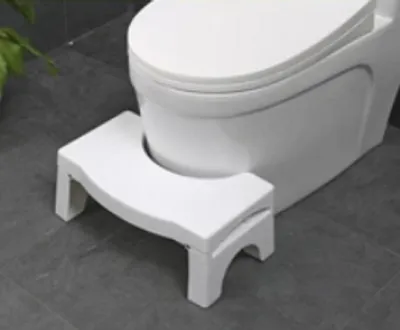
![[SG Stock]Anti Slip Design Bathroom Chair Squat Step Stool Potty Toilet Portable Sturdy Footstool Toilet Training](https://img.lazcdn.com/g/p/6aef88552f03e0481efb01a91808244c.jpg_400x400q80.jpg_.webp)
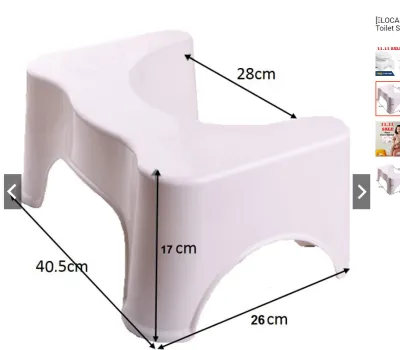
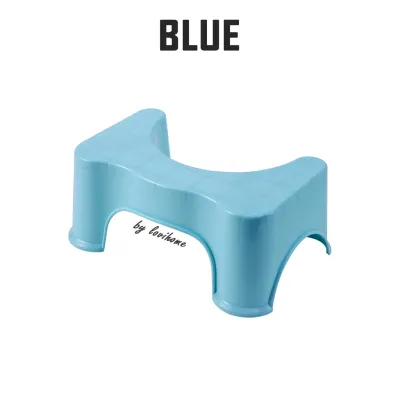
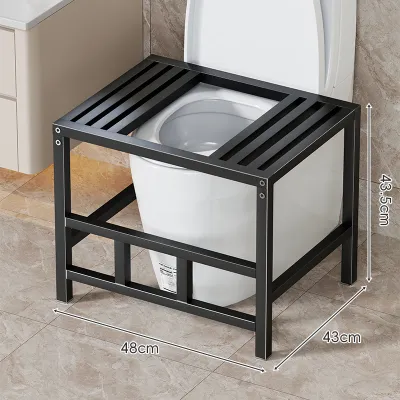
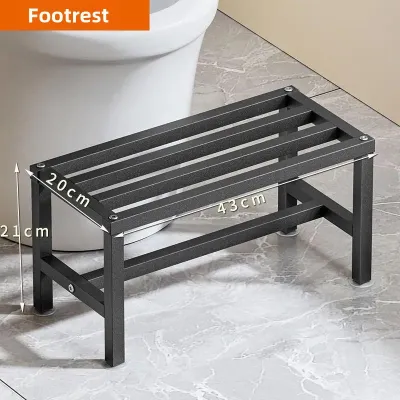
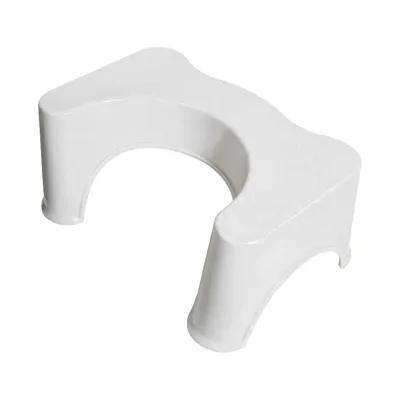
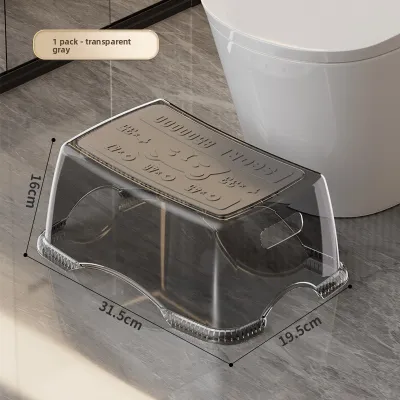
Prices are valid at publication and may change. Please refer to the product page for the latest price.
Why Posture Matters: The Role of a Toilet Squat Stool
Standard adult toilets are designed for convenience and modern plumbing, but they force the human body into a ninety-degree sitting angle. For adults, this posture is sub-optimal, but for toddlers with shorter limbs, it can make bowel movements highly inefficient. When a child sits on a standard toilet seat without foot support, their abdominal muscles must work twice as hard to push, often leading to painful straining.
Physiologically, a squatting posture changes the angle of the pelvic floor. A specific muscle wraps around the lower rectum like a sling, keeping the passage bent to prevent accidental leakage when we stand or sit. When your child raises their knees above their hips into a squatting position, this muscle relaxes completely, straightening the rectal path and allowing stool to pass smoothly with minimal effort.
Preventing straining is crucial during potty training because painful bowel movements can lead to stool withholding. If a child associates the toilet with discomfort, they may actively resist using it, leading to chronic constipation and setbacks in their training progress. By encouraging a natural squatting posture early on, you help your child experience easy, pain-free elimination from the start.
Observing your child’s natural alignment on the toilet can give you immediate clues about their comfort level. If you notice them leaning far forward, gripping the sides of the seat tightly, or arching their back, they are likely struggling to find stability. A squat stool provides the necessary leverage, allowing them to lean slightly forward with a relaxed spine and relaxed abdominal muscles.
Choosing the Right Toilet Squat Stool for Your Child
Selecting the ideal toilet squat stool requires careful consideration of your child’s physical proportions and your bathroom’s layout. The primary goal is to find a stool that elevates your child’s knees above their hips when they are seated. Because toddlers grow rapidly, look for models that offer adjustable height settings or multi-step designs that can adapt to their changing height over time.

Safety features should be your top priority when evaluating different models on the market. Look for a stool with a wide, stable base that resists tipping even if your child steps on the very edge. The top surface must feature robust, non-slip treads or rubberized patterns to prevent slipping when your child has wet feet or is wearing socks.
Equally important are the non-slip grips on the bottom of the stool. Bathroom floors are frequently exposed to moisture and condensation, especially in humid climates. High-quality rubber feet on the base of the stool prevent it from sliding across slick tiles when your child climbs up or shifts their weight during use.
Always verify the manufacturer’s weight capacity and age recommendations on the product packaging before making a purchase. While some stools are lightweight and designed solely for toddlers, others are built to support adult weight, allowing the whole family to use them. Choosing a durable, high-capacity model ensures the stool remains safe and stable as your child grows.
Finally, consider the physical space available in your bathroom. In compact bathrooms, such as those found in typical apartments or HDB flats, a bulky stool can quickly become a tripping hazard for other family members. Look for wrap-around designs that contour closely to the base of the toilet bowl when not in use, or foldable models that can be easily tucked away beside the vanity.
Step-by-Step Guide to Introducing the Stool
Introducing a new object into the bathroom can sometimes trigger resistance in a cautious toddler. To prevent this, start by allowing your child to explore and familiarize themselves with the squat stool outside the bathroom environment. Place the stool in the living room or play area for a few days, letting them sit on it, step on it, or even use it as a seat during storytime.
Once the stool feels familiar and non-threatening, you can begin demonstrating its purpose. Show your child how you or an older sibling use a similar posture, or use a favorite stuffed animal to model proper foot placement. Explain in simple, positive terms how putting their feet on the stool helps their tummy feel better when they need to go.
When you move the stool into the bathroom, establish a consistent routine by keeping it in the exact same location. Toddlers thrive on predictability, and knowing exactly where their footrest is helps reduce performance anxiety. Position the stool firmly against the toilet base so it is ready for use whenever your child shows signs of needing to go.
During the initial attempts, guide your child as they climb onto the toilet and help them position their feet flat on the stool’s surface. Encourage them to lean slightly forward, resting their elbows on their knees if that feels comfortable. This posture naturally aligns their body and helps them feel secure on the large adult seat.
Use positive reinforcement to celebrate their efforts, focusing on their willingness to try the new posture rather than whether they successfully produce a bowel movement. Simple praise, a high-five, or a colorful sticker chart can build positive associations with the stool. Be patient and avoid showing frustration if they prefer to step down without using it at first.
Consistency is key to making the squat stool a natural part of their daily routine. Encourage its use during every toilet visit, even for quick urination attempts, so the physical habit of stepping up becomes second nature. Over time, the muscle memory of placing their feet on the elevated platform will make the transition automatic.
Ensuring Safety and Proper Setup in the Bathroom
Creating a secure bathroom environment is essential to prevent slips, trips, and falls during potty training. Always place the squat stool on a dry, flat, and level floor surface. Avoid placing it on top of plush bath mats or uneven rugs, which can compromise the stool’s stability and cause it to wobble when stepped on.
Keep the area surrounding the toilet clear of potential hazards, such as sharp cabinet corners, glass containers, or heavy cleaning supplies. If your child loses their balance while climbing, you want to ensure they do not collide with any dangerous objects. Maintaining a clean, uncluttered path to the toilet is especially important for those sudden, rushed bathroom trips.
Active caregiver supervision is vital, particularly during the early weeks of introducing the stool. Toddlers are still developing their gross motor skills and balance, making the climb onto an elevated seat a complex physical task. Stand close by to offer a steadying hand as they step up, turn around, and settle onto the toilet seat.
Regularly inspect the squat stool for signs of wear, structural fatigue, or damage. Check that the plastic or wood has no cracks, that all screws or joints remain tight, and that the non-slip rubber pads on the feet are still securely attached. Over time, exposure to bathroom moisture can degrade adhesives or cause materials to warp.
If you notice any instability, wobbling, or degradation of the non-slip surfaces, stop using the stool immediately. Consult the manufacturer’s documentation for troubleshooting steps or replacement parts. It is always safer to temporarily pause using the stool than to risk a fall that could frighten your child and set back their potty training progress.
Troubleshooting Common Potty Training Challenges
It is entirely normal for toddlers to exhibit resistance or refusal when a new element is introduced to their routine. If your child refuses to use the squat stool, avoid turning it into a power struggle. Simply take a break, move the stool out of sight for a few days, and reintroduce it later using a highly playful, low-pressure approach.
If your child complains of leg fatigue or if their feet keep slipping off the sides, the stool’s height or positioning may need adjustment. Ensure their feet are resting flat on the surface rather than dangling off the edge. If the stool is too high, it can over-flex their hips and cause discomfort; if it is too low, they will not achieve the necessary knee elevation.
Sometimes, resistance to the stool is a sign that your child is not yet developmentally ready for potty training as a whole. If they show extreme anxiety, refuse to sit on the toilet altogether, or experience frequent accidents despite your best efforts, it may be wise to pause training. Give them a few weeks to mature before trying again.
As your child grows taller, their physical relationship with the toilet and the stool will naturally change. You will eventually notice that their knees are elevated too high or that their feet can comfortably reach the floor without assistance. This is the natural signal to transition away from the squat stool, allowing them to use the toilet like an adult.
Frequently Asked Questions (FAQ)
At what age should I introduce a toilet squat stool?
Rather than focusing on a specific chronological age, look for key physical and developmental milestones in your child. Your child should be able to sit upright unassisted with excellent trunk control and show a basic interest in using the family toilet. These milestones typically emerge between eighteen months and three years of age, though every child develops at their own unique pace.
Before introducing any accessory, always check the specific product label for the manufacturer’s minimum age and weight guidelines. These specifications are designed to ensure the stool can safely support your child’s weight and physical proportions during use.
Can a regular step stool replace a dedicated squat stool?
While a standard step stool is excellent for helping your child climb onto the toilet seat or reach the sink to wash their hands, it often falls short of providing the correct ergonomic positioning for bowel movements. Standard step stools are typically too low or too narrow to allow a child to plant their feet wide apart and elevate their knees above their hips.
Regardless of the type of stool you use, the key is to observe your child’s knee-to-hip angle while they are seated. If their knees are not positioned higher than their hips, they will not benefit from the relaxed pelvic floor muscles that a true squatting posture provides.
How do I clean and maintain the squat stool?
Maintaining proper hygiene is essential for any bathroom accessory used during potty training. To clean the stool, wipe it down regularly with a soft cloth dampened with mild soap and warm water. Avoid using harsh chemical cleaners, bleach, or abrasive scrubbing pads, as these can degrade the plastic, wear away non-slip textures, and damage rubber feet.
Always refer to the specific cleaning and maintenance instructions provided in your product’s manual. Some materials may have unique care requirements, and following the manufacturer’s guidelines ensures the stool remains hygienic, safe, and durable for long-term use.

Community discussion
Share your experience or ask a question. Comments are reviewed before publication.