
Integrating a wearable breast pump like the Momcozy M5 into your daily routine offers a practical way to balance milk expression with the demands of modern parenting. Successfully blending hands-free pumping with direct nursing or a structured pumping schedule relies on establishing a consistent preparation, usage, and maintenance workflow. By aligning your pumping sessions with your body’s natural lactation patterns and ensuring a secure, comfortable fit, you can maintain your milk supply while reclaiming flexibility in your day.
Preparing for Hands-Free Pumping with the Momcozy M5
Before you begin your daily pumping routine, taking a few minutes to prepare your equipment ensures each session is both comfortable and highly efficient. The foundation of successful hands-free pumping is a correct flange fit. Using a flange that is too large or too small can lead to reduced milk expression, discomfort, or even tissue irritation. To find your correct size, use the manufacturer’s measuring tool or a standard measuring tape to determine the diameter of your nipple base before a pumping session, then consult the sizing guide provided in the product packaging to select the matching flange or insert.
Once you have identified the correct size, assembling the wearable parts securely is the next critical step. Wearable pumps rely on a tight, precise seal between the silicone parts, the collector cup, and the motor unit to maintain consistent suction. Carefully align the diaphragm, valve, and flange according to the user manual, pressing firmly along the edges to eliminate any gaps. A misaligned valve or a loose seal can cause the pump to lose suction mid-session or, worse, lead to milk leaking onto your clothing as you move around.
Products mentioned in this guide


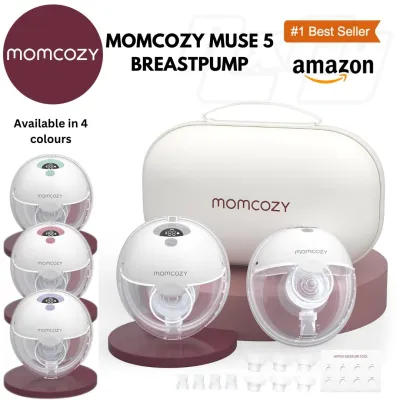
Prices are valid at publication and may change. Please refer to the product page for the latest price.
Finally, always check the battery indicator on the motor unit before positioning the pump. Wearable devices require regular charging to perform at their best, and starting a session with a low battery can result in a sudden shutdown before you have finished expressing. Plug the device in using the manufacturer-approved cable after your final session of the day, ensuring it is fully charged and ready for your morning routine. Keeping a consistent charging habit prevents the frustration of a dead battery when you are in the middle of a busy task.
Building a Daily Pumping and Nursing Schedule
Creating a balanced schedule requires coordinating your pumping sessions with your baby’s feeding patterns and your body’s natural milk production cycle. For many mothers, milk volume peaks during the early morning hours due to natural hormonal fluctuations. Scheduling a pumping session shortly after your baby’s first morning feed, or replacing a morning feed with a pump session if your partner is bottle-feeding, can help you maximize your daily output.

If you are combining direct breastfeeding with pumping, finding the right balance is essential to avoid oversupply or painful engorgement. Pumping too frequently in addition to full nursing sessions can signal your body to produce more milk than your baby needs, which may lead to clogged ducts. To maintain a stable supply, consider pumping about 30 to 60 minutes after a nursing session, or use the wearable pump during times when you are physically separated from your baby, such as during work hours or running errands.
Your daily schedule should remain flexible enough to adapt to your changing physical comfort and daily demands. Monitor your milk output and how your breasts feel throughout the day; if you notice areas of hardness or feel uncomfortably full, you may need to add a short expression session to relieve pressure. Conversely, as your supply stabilizes and your baby’s feeding intervals lengthen, you can gradually adjust the timing of your sessions to match their updated routine, ensuring your pumping schedule remains sustainable for the long term.
Using the Momcozy M5 for Multitasking
The primary benefit of a wearable pump is the freedom to move, but successful multitasking requires the right support and a realistic approach to physical activity. To keep the pump units securely in place, you must wear a supportive, full-coverage bra. A loose bra or a standard nursing bra without sufficient structure can allow the pumps to shift, breaking the suction seal and causing the flanges to rub uncomfortably against your skin. A dedicated pumping bra or a snug, stretchy sports bra typically provides the compression needed to hold the cups firmly against your breasts.
While the hands-free design allows you to complete light household chores, work at a desk, or care for your baby, certain movements should be avoided. High-impact activities, heavy lifting, and bending forward at the waist can shift the position of the cups or cause milk to spill through the pouring holes at the top of the collector. Instead of bending over to pick up items from the floor, practice squatting at the knees to keep your torso upright, preserving both the suction seal and the collected milk.
During your session, remain mindful of how the pump feels and check the cups periodically. If you experience a sudden drop in suction, a sensation of wetness on your skin, or localized discomfort, pause the session immediately to inspect the alignment. Wearable pumps are designed to fit discreetly inside your clothing, but checking the fit in a mirror or looking down into your bra can help you catch minor alignment issues before they lead to leaks or skin chafing.
Cleaning and Maintaining the Pump Between Sessions
Maintaining strict hygiene is vital for your baby’s health, and establishing a streamlined cleaning routine prevents this task from becoming overwhelming. After completing a session, carefully pour the expressed milk into a sterile storage bag or bottle. If you are at home and plan to pump again soon, follow the manufacturer’s guidelines for temporary storage or quick rinsing of the washable components. Always wash your hands thoroughly before handling any pump parts to prevent the introduction of bacteria.
At the end of each day, dedicate time to a thorough wash and sterilization of all parts that come into contact with breast milk. Disassemble the pump completely, separating the silicone flanges, diaphragms, valves, and collector cups from the motor. Wash them in warm, soapy water using a mild dish soap and a dedicated brush, then rinse them thoroughly under clean running water. Allow all parts to air dry completely on a clean, dedicated drying rack in a well-ventilated area, as assembling wet parts can compromise suction and encourage mold growth.
Regularly inspecting your pump’s consumable parts is equally important for maintaining optimal performance. Over time, silicone components like valves and diaphragms naturally stretch and wear out from regular use and cleaning, which can lead to a gradual loss of suction. Check these parts weekly for tiny tears, warping, or cloudiness. Replacing these components according to the manufacturer’s recommended timeline—typically every one to three months depending on usage frequency—ensures your pump continues to express milk efficiently.
Troubleshooting Common Routine Disruptions
Even with a well-planned routine, you may encounter occasional disruptions, such as a sudden drop in milk output or physical discomfort. If you experience nipple pain or notice your output decreasing, experiment with the pump’s different suction modes and intensity levels. Wearable pumps often feature multiple settings, such as stimulation and expression modes; starting with a gentle stimulation mode to trigger your let-down reflex before switching to a comfortable expression level can improve both comfort and milk flow. Avoid using the highest suction setting if it causes pain, as discomfort can actually inhibit your let-down.
If a busy day causes you to miss a scheduled pumping session, you may experience sudden engorgement or develop a clogged duct. To manage this, use a warm compress or take a warm shower before your next session to help encourage milk flow. Gently massage any firm areas of the breast while pumping to help clear the blockage. If you are unable to pump immediately, manual expression can provide temporary relief until you can access your wearable device.
It is crucial to recognize when physical symptoms require professional guidance. While minor adjustments can resolve many common issues, persistent pain, localized redness, warmth, fever, or a continuous drop in milk supply are signs that you should pause and seek help. Consult a certified lactation consultant or your healthcare provider to address ongoing discomfort or supply concerns, ensuring you receive personalized support tailored to your breastfeeding journey.
Frequently Asked Questions (FAQ)
Can I sleep while wearing the Momcozy M5?
You should avoid sleeping while wearing the Momcozy M5 or any similar wearable breast pump. The manufacturer’s safety guidelines explicitly advise against using the device while sleeping or lying down, as the pump is designed to operate in an upright position. Lying flat can cause milk to leak out of the collector cups, potentially damaging the motor unit and creating a mess. Additionally, sleeping with the pump on increases the risk of prolonged, unmonitored suction and pressure on your breast tissue, which can lead to skin irritation, nipple damage, or blocked milk ducts. For nighttime expression, it is best to sit up comfortably in bed or use a traditional bedside pump setup that allows you to rest safely between sessions.
How do I know if my pumping schedule is maintaining my milk supply?
To evaluate whether your pumping routine is successfully maintaining your supply, track your daily expressed volume alongside your baby’s feeding patterns. If you are exclusively pumping, comparing your total daily output to your baby’s typical intake requirements provides a clear picture of your supply. For those combining pumping with direct nursing, monitoring your baby’s indicators of health is the most reliable method. Keep track of their weight gain, overall satisfaction after feeds, and the number of wet and dirty diapers they produce daily. Additionally, pay attention to your own physical cues; feeling a sense of fullness in your breasts before a session and a noticeable softness afterward indicates that your body is actively regulating and responding to the demand.

Community discussion
Share your experience or ask a question. Comments are reviewed before publication.