
Finding the right commercial snacks for your toddler involves looking beyond marketing claims to evaluate actual nutritional value and ingredient safety. Because individual dietary needs vary and product formulations frequently change, there is no single universal list of the best brands. Instead, identifying trustworthy toddler snack food requires a systematic approach to reading labels, understanding nutritional baselines, and recognizing reliable manufacturing standards. This guide provides a comprehensive framework to help you evaluate and select healthy snack options available in local supermarkets and online stores.
When shopping in Singapore, parents are often faced with an overwhelming array of colorful boxes and pouches in the baby food aisle. Many of these products feature appealing buzzwords like “all-natural,” “veggie-packed,” or “no added sugar.” However, regulatory definitions for these terms can vary, and some snacks may still contain high levels of sodium, concentrated fruit sugars, or processing additives. By learning how to analyze the nutritional panel and ingredient list yourself, you can confidently select snacks that support your child’s growth and development while avoiding common dietary pitfalls.
What Makes a Toddler Snack Truly Healthy?
A truly healthy toddler snack serves as a mini-meal that bridges the nutritional gaps between main meals, rather than simply acting as a distraction or a treat. At this rapid stage of growth, toddlers have small stomachs but high nutrient requirements. Therefore, every bite should ideally offer some nutritional value. A balanced snack should combine complex carbohydrates for sustained energy with a small amount of healthy fat or protein, which helps slow digestion and keeps your child satisfied for longer periods.
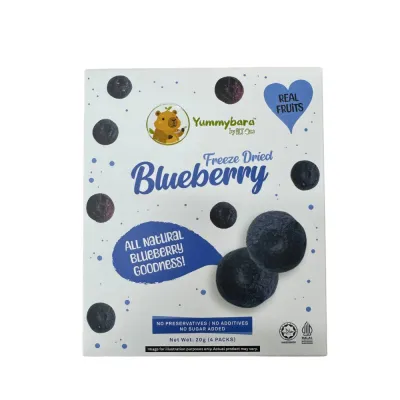
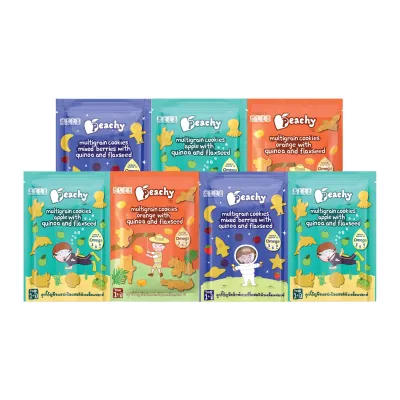
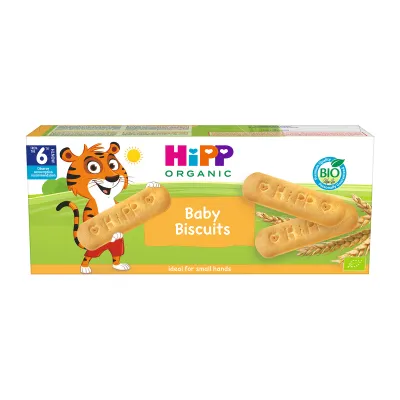
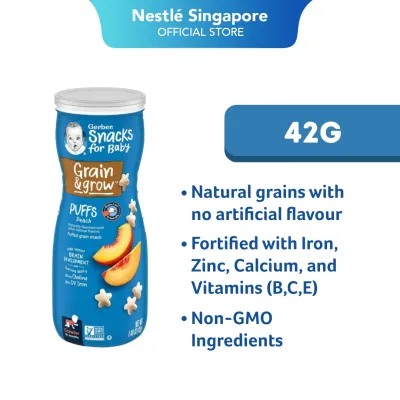
Products mentioned in this guide
![[Assorted Bundle of 4] Gerber Puffs 42g - From 8 Months](https://img.lazcdn.com/g/p/8615efba00d05b443ca76db50133a10a.jpg_400x400q80.jpg_.webp)
Prices are valid at publication and may change. Please refer to the product page for the latest price.
Establishing safe, age-appropriate limits for added sugars and sodium is a cornerstone of toddler nutrition. General pediatric guidelines recommend that children under the age of two consume zero added sugars, as early exposure can shape lifelong taste preferences toward overly sweet foods and increase the risk of dental decay. Sodium should also be strictly limited; a toddler’s developing kidneys are not fully equipped to process large amounts of salt. When evaluating commercial snacks, look for options that keep sodium to an absolute minimum, ideally under 100 milligrams per serving, though you should always verify specific daily limits with your pediatrician.
Prioritizing whole-food ingredients and minimal processing is key to finding high-quality snacks. Whole grains, such as oats, quinoa, and brown rice, retain their natural dietary fiber, vitamins, and minerals. Fiber is particularly important for supporting healthy digestion and preventing constipation in young children. Highly processed snacks often strip away these natural nutrients, replacing them with empty calories and synthetic fortifiers. By focusing on snacks that list recognizable, whole-food ingredients at the top of their ingredient list, you ensure your child is getting genuine nutrition.
Finally, safety must always accompany nutritional value. No matter how healthy a snack’s ingredients are, its physical shape, size, and texture must align with your child’s developmental abilities. Caregivers must provide active supervision during all snack times to prevent choking hazards, ensuring the child is seated upright and focused on eating rather than playing or running.
Decoding Nutrition Labels on Toddler Snack Packaging
To truly understand what goes into a toddler snack, you must look past the front-of-pack marketing and focus on the ingredient list and the nutrition information panel. Ingredients are always listed in descending order by weight, meaning the first few ingredients make up the majority of the product. If a snack claims to be a “vegetable puff” but lists rice flour and sugar before any vegetable powder, the vegetable content is minimal. Look for products where whole grains, fruits, or vegetables are listed as the primary ingredients.

Spotting hidden sugars is one of the most challenging aspects of reading toddler food labels. Manufacturers often use alternative names or different types of sweeteners to avoid listing “sugar” as the first ingredient. Keep a sharp eye out for terms like fruit juice concentrate, cane syrup, brown rice syrup, dextrose, maltodextrin, agave nectar, and barley malt. Even though fruit juice concentrate sounds natural, the concentration process removes the beneficial fiber and leaves behind highly concentrated fructose, which behaves similarly to refined sugar in the body.
Evaluating sodium content requires a quick mathematical check against realistic serving sizes. The nutrition information panel lists values per serving and sometimes per 100 grams. Always check the serving size specified by the manufacturer and compare it to how much your child actually consumes. A small bag of crackers might contain three servings, meaning if your toddler eats the entire bag in one sitting, they are consuming three times the sodium and sugar listed for a single serving. Aim for snacks that contain minimal sodium per serving and avoid those with added table salt.
Unnecessary artificial additives, synthetic colors, and chemical preservatives offer no nutritional benefit and are best avoided in early childhood. Ingredients like artificial flavors, sodium benzoate, and sulfur dioxide are often added to extend shelf life or enhance appearance. A clean, high-quality toddler snack should have a short, simple ingredient list filled with recognizable foods. If you encounter a long list of chemical names and preservatives, it is usually a sign of a highly processed product.
Trust Signals and Certifications to Look For
When navigating the crowded shelves of Singapore’s retail stores, third-party certifications can serve as helpful indicators of quality and safety. Legitimate organic certifications, such as the USDA Organic seal, the EU Organic leaf, or the Australian Certified Organic logo, indicate that the ingredients were grown without synthetic pesticides, herbicides, or genetically modified organisms (GMOs). While organic certification is a positive indicator of farming practices, parents should remember that an organic cookie is still a cookie; organic status does not automatically make a snack nutritionally balanced.
In Singapore, all imported and locally manufactured food products must comply with the strict food safety standards enforced by the Singapore Food Agency (SFA). These regulations ensure that foods sold in the market meet baseline safety criteria regarding hygiene, labeling, and permitted additive levels. However, SFA compliance is a legal baseline for import, not an endorsement of nutritional superiority. It remains the caregiver’s responsibility to evaluate whether a product fits into a healthy, balanced diet for their specific child.
Another important trust signal is a brand’s transparency regarding contaminant testing. Heavy metals like arsenic, lead, and cadmium can naturally occur in soil and water, and certain crops—particularly rice—are more prone to absorbing them. Trustworthy brands often share information on their sourcing practices and independent batch-testing protocols on their official websites. Look for brands that actively participate in voluntary purity standards or provide clear, accessible reports on their safety testing, helping you make informed choices to minimize cumulative exposure to environmental contaminants.
Assessing Popular Toddler Snack Categories
Different categories of toddler snacks come with unique nutritional profiles and potential drawbacks that parents should carefully evaluate before purchasing.
Puffs, Melts, and Extruded Snacks
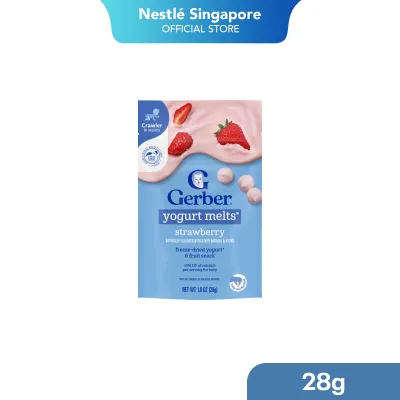
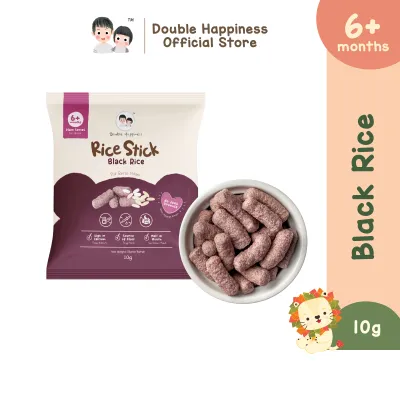
These light, airy snacks are highly popular because they dissolve easily in a toddler’s mouth, making them a common choice for early self-feeding. However, many commercial puffs are highly processed and primarily made of refined rice flour, which offers very little fiber or protein. Additionally, rice-based products can carry a higher risk of trace arsenic exposure. When choosing puffs, look for those made from alternative grains like oats, quinoa, or sorghum, and verify that they do not contain added sugars or salt. Yogurt melts are another common option, but they are frequently high in added sugars and gelatin; check the label to ensure they are made with real yogurt and minimal sweeteners.
Fruit Pouches and Purees
Fruit pouches are incredibly convenient for on-the-go snacking, but they should be used mindfully. The pasteurization and blending process used to make purees breaks down the natural cellular structure of the fruit, stripping away much of the beneficial dietary fiber. This results in a rapid release of fruit sugars into the bloodstream. Furthermore, sucking purees directly from a pouch bypasses the chewing process, which is crucial for oral-motor development and jaw strength. To mitigate these drawbacks, treat pouches as occasional conveniences rather than daily staples, and prioritize serving whole, fresh fruits that encourage chewing.
Biscuits, Crackers, and Teething Rusks
Many traditional biscuits and teething rusks marketed for babies contain refined wheat flour, palm oil, and added sugars or sodium to improve flavor and texture. Teething rusks are designed to be hard so babies can gnaw on them to soothe sore gums, but parents must monitor their use closely. As rusks soften with saliva, large pieces can break off and present a serious choking hazard. When shopping for crackers or biscuits, look for whole-grain options with zero trans fats, minimal sodium, and no added sugar, and always ensure the texture is appropriate for your child’s current chewing ability.
Dairy and Yogurt-Based Snacks
Dairy products are excellent sources of calcium, protein, and essential fats needed for brain development. However, commercial yogurts and dairy snacks designed for toddlers are often heavily sweetened with fruit concentrates or cane sugar to appeal to young tastes. High sugar content can negate the benefits of the beneficial probiotics found in yogurt. A healthier approach is to purchase plain, unsweetened Greek yogurt and mix in your own fresh fruit purees or mashed bananas at home, giving you complete control over the sugar content.
Building a Safe and Nutritious Snack Rotation
Creating a successful snack plan involves matching the physical properties of the food to your child’s developmental milestones. Children develop oral-motor skills at different rates, so age recommendations on packaging should only be used as a starting point. A toddler who is still mastering the pincer grasp and chewing motion requires soft, easily dissolvable textures. As they grow and develop more teeth, they can gradually transition to firmer, textured foods. If you are ever unsure about your child’s readiness for a specific snack texture, consult your pediatrician or a pediatric feeding specialist for personalized guidance.
Managing food allergens is another critical aspect of snack selection. When introducing common allergens—such as peanuts, tree nuts, soy, wheat, dairy, or eggs—do so in a controlled environment at home, one at a time, and monitor your child closely for any signs of an allergic reaction. Always read commercial snack labels carefully, paying close attention to precautionary allergen labeling, such as “may contain” or “processed in a facility that handles” statements, especially if your child has a known sensitivity.
To ensure a broad spectrum of nutrients and minimize the risk of cumulative exposure to any single contaminant, establish a diverse snack rotation. Avoid relying on the same brand or snack type day after day. Instead, alternate between different grain bases, and balance commercial snacks with fresh, whole foods. For example, you might offer a few whole-grain crackers paired with fresh avocado slices one day, and a small portion of unsweetened yogurt with fresh berries the next. This variety not only supports optimal nutrition but also helps prevent your toddler from developing rigid food preferences.
Frequently Asked Questions (FAQ)
When is it appropriate to introduce commercial snacks to a toddler?
Most pediatricians recommend focusing primarily on breast milk, formula, and nutrient-dense whole foods during the first year of life. Commercial snacks can be gradually introduced around 12 months of age to supplement main meals, provided your toddler has developed the necessary oral-motor skills to chew and swallow safely. Always consult your pediatrician before introducing new snack types to ensure your child is developmentally ready.
How can I manage my toddler's daily sugar intake from snacks?
To manage sugar intake, carefully read the nutrition facts panel and prioritize snacks with zero added sugars. You can also balance commercial options by pairing them with fresh, whole foods. For instance, serve a small portion of commercial whole-grain puffs alongside fresh cucumber sticks or mashed avocado, which provides healthy fats and fiber to help slow down sugar absorption.
Do organic labels guarantee a snack is completely free from contaminants?
No, organic labels do not guarantee that a snack is entirely free from environmental contaminants. Organic certifications primarily regulate agricultural practices, such as prohibiting the use of synthetic pesticides and chemical fertilizers. However, heavy metals and other contaminants can still exist naturally in the soil and water where organic crops are grown. Parents should look for brands that practice transparent batch testing for heavy metals and contaminants.

Community discussion
Share your experience or ask a question. Comments are reviewed before publication.