
As your baby transitions from crawling to taking their first tentative steps, your home suddenly transforms into a landscape of potential hazards. Low-lying coffee tables, sharp TV consoles, and dining table corners present immediate risks to an unsteady toddler. While a quick search on e-commerce platforms reveals thousands of cheap, generic corner edge protectors, selecting a truly reliable brand requires looking far beyond basic marketing claims. To ensure your child’s safety, you must learn how to evaluate material non-toxicity, adhesive durability under local environmental conditions, and the structural integrity of the guards. Making an informed choice helps prevent painful bumps while ensuring the products do not introduce secondary hazards like choking risks or toxic chemical exposure.
What Defines a Trusted Corner Edge Protector Brand?
A trusted baby safety brand distinguishes itself through complete transparency in its manufacturing processes and material sourcing. Reputable manufacturers do not hide behind vague descriptions; they clearly label their products with the exact materials used, such as food-grade silicone or high-density Nitrile Butadiene Rubber (NBR). They also openly state the country of origin and provide verifiable contact information, allowing parents to reach out with specific questions regarding product safety or chemical composition.
Furthermore, reliable brands provide comprehensive, easy-to-read product manuals and clear usage guidelines. These documents should outline the specific age ranges for which the protector is suitable, detailed installation steps, and explicit safety warnings. A brand that takes child safety seriously will always emphasize that edge guards are meant to complement, not replace, active adult supervision. They will also clearly state when a product should be retired or replaced based on wear and tear.
Products mentioned in this guide
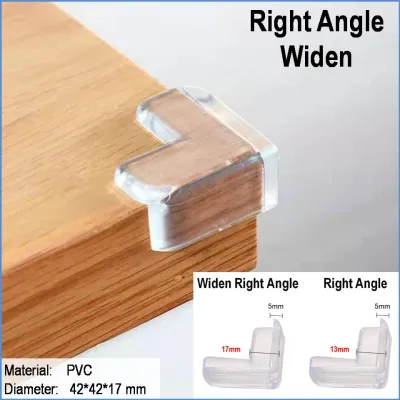
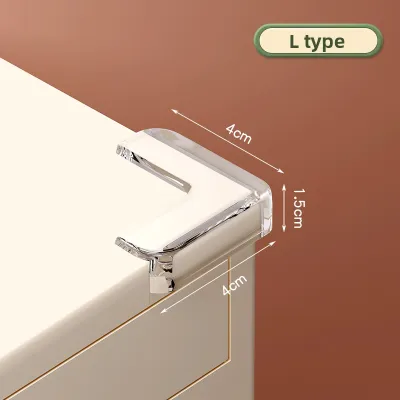
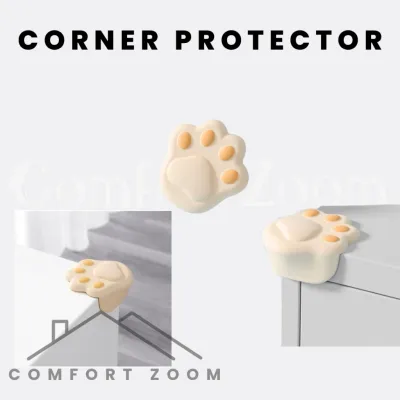


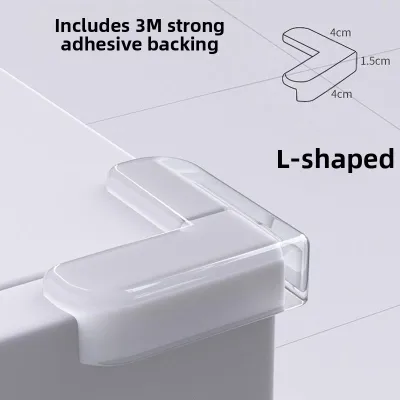
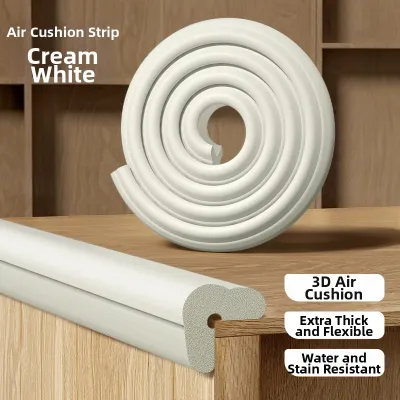
Prices are valid at publication and may change. Please refer to the product page for the latest price.
Customer support responsiveness is another critical hallmark of a reputable brand. When dealing with child safety, you need a manufacturer that actively monitors customer feedback, responds promptly to inquiries about adhesive failures, and maintains a clear protocol for handling product defects or safety recalls. If a brand lacks an official website, customer service email, or clear batch numbers on its packaging, it is highly likely a generic white-label product that has not undergone rigorous quality control.
Finally, consistency across production batches is what separates established safety brands from fly-by-night sellers. Trusted brands invest in standardized manufacturing processes to ensure that the corner protector you buy today has the exact same density, tear resistance, and adhesive strength as the one reviewed by other parents months ago. This consistency ensures that the product performs reliably in real-world conditions, preventing unexpected peeling or tearing that could compromise your child’s safety.
Essential Safety Features and Material Checks
Because infants and toddlers naturally explore their environment using their mouths, the chemical safety of any corner protector is just as important as its physical cushioning. When evaluating different brands, look for explicit packaging declarations stating that the materials are non-toxic, BPA-free, lead-free, and phthalate-free. Many low-cost plastics and low-grade foams contain harmful plasticizers or chemical flame retardants that can pose health risks if chewed on. Parents should actively verify these claims by checking if the brand references compliance with recognized international toy safety standards, such as EN71 in Europe or ASTM F963 in the United States.

Physical durability and shock absorption are equally vital factors to verify before purchase. A high-quality edge guard must possess sufficient density to absorb the impact of a falling child without bottoming out against the hard furniture corner underneath. You can test this by firmly pressing the material between your thumb and forefinger; it should offer firm resistance and quickly spring back to its original shape rather than remaining compressed. Additionally, the material must exhibit high tear resistance to prevent teething toddlers from biting off small pieces, which can quickly become a severe choking hazard.
The adhesive backing supplied with the protectors also requires careful scrutiny. A trusted brand will typically partner with reputable adhesive manufacturers or supply custom-engineered acrylic tapes that provide a secure bond without emitting strong chemical odors. The adhesive must be strong enough to resist the constant pulling and tugging of a curious toddler, yet formulated to be removable without stripping away expensive wood veneers, paint, or leaving behind a sticky, toxic residue that is difficult to clean.
It is important to recognize that visual inspection alone cannot confirm whether a product is truly safe and non-toxic. When a brand makes premium safety claims, do not hesitate to request formal safety test certificates or compliance documents directly from their customer support team. Reputable brands are usually happy to share independent laboratory test reports (such as those from SGS, TÜV, or Intertek) that verify their products are free from heavy metals and harmful volatile organic compounds (VOCs). If a manufacturer ignores such requests or provides altered, unreadable documents, it is best to choose a different brand.
Evaluating Parent Reviews and Brand Reputation
Navigating online marketplaces requires a critical eye, as high sales volumes and low price points do not automatically guarantee a product’s safety or quality. When reading parent reviews, bypass generic, one-word feedback like “good” or “fast delivery” and focus instead on detailed, long-term user experiences. Look for reviews that specifically describe how well the adhesive held up after several months of daily exposure, how the material reacted when a baby tried to bite or peel it, and whether the protector successfully cushioned an actual fall.
Be alert to common red flags that indicate manipulated or incentivized reviews. A sudden spike in five-star ratings over a short period, repetitive phrasing across different user accounts, or reviews that sound like marketing copy are strong indicators of artificial feedback. Trusted brands build their reputation slowly and organically, meaning their review sections will feature a realistic mix of feedback, including constructive critiques about furniture compatibility or adhesive performance on specific surfaces.
To get an unbiased perspective, cross-reference online marketplace reviews with organic discussions in local parenting communities, forums, and social media groups in Singapore. Local parents can provide invaluable insights into how specific brands perform in Singapore’s unique tropical climate. High humidity levels can significantly impact adhesive performance, and local parenting forums are excellent places to find honest recommendations for edge guards that have successfully withstood both humid conditions and active toddlers.
Remember that a low price tag often comes with hidden compromises in material safety and quality control. While spending S$2 to S$5 on a generic pack of corner guards might seem like a bargain, these products often use cheap industrial adhesives that fail within days or emit strong chemical fumes. Investing in a reputable, slightly more expensive brand ensures that you are paying for thoroughly tested materials and reliable adhesives that protect both your child and your furniture over the long term.
Choosing the Right Protector Style for Your Furniture
Selecting the right style of corner protector depends heavily on the design of your furniture and your child’s current developmental stage. Pre-cut corner pieces are highly effective for sharp, 90-degree angles on square or rectangular tables, desks, and shelves. They provide targeted protection exactly where impacts are most likely to occur. For long, continuous edges—such as the sides of a low TV console, a long coffee table, or the curved edges of a round dining table—a continuous roll-on edge guard is a much better choice, as it can be cut to custom lengths to cover the entire exposed perimeter.
You must also decide between transparent silicone and opaque foam protectors, each of which offers distinct functional and aesthetic advantages. Transparent silicone protectors are highly discreet, making them ideal for modern glass, metal, or high-end wood furniture where you want to maintain the home’s aesthetic. Because silicone is dense and tough, it is highly resistant to bite marks and tearing, though it provides a slightly firmer cushion than foam. Opaque foam guards, usually made of NBR, offer superior, soft impact absorption for high-velocity bumps, making them excellent for active toddlers. However, they are highly visible and their soft texture can sometimes tempt curious children to bite or peel them.
Adhesive compatibility varies significantly across different furniture surfaces, and choosing the wrong combination can lead to premature peeling. Smooth, non-porous surfaces like glass, polished marble, metal, and laminate bond exceptionally well with clear acrylic adhesives. In contrast, porous, matte, or oiled wood surfaces may require stronger, specialized double-sided tapes to prevent the edges from lifting. Before applying any adhesive, always check the manufacturer’s guidelines to ensure compatibility with your specific furniture finish to avoid permanent damage or discoloration.
As your baby grows, their safety needs will shift, requiring you to adapt your baby-proofing strategy. Early crawlers are primarily at risk from low-lying corners, such as the bottom shelves of bookcases or table legs, which require soft, low-profile guards. Once your toddler begins pulling themselves up to stand and take their first steps, their head and eye levels align with dining table edges and kitchen countertops. At this stage, you should install thicker, high-density edge guards at waist and chest height to protect them from painful head injuries during sudden falls.
Safe Installation and Knowing When to Replace
Proper surface preparation is the single most important step in ensuring a long-lasting adhesive bond. Before applying any corner protector, thoroughly clean the furniture surface with rubbing alcohol or a mild, residue-free soap to remove all dust, grease, fingerprints, and polish buildup. Allow the surface to dry completely; any remaining moisture or oily residue will severely compromise the adhesive’s ability to cure. If your furniture has a delicate or painted finish, test a small, inconspicuous area first to ensure the cleaning agent does not cause damage.
When applying the protector, peel off the adhesive backing and position the guard precisely on the corner. Press down firmly and evenly across the entire surface of the protector for at least 30 to 60 seconds to activate the pressure-sensitive adhesive. Once applied, it is absolutely crucial to let the adhesive cure undisturbed for at least 24 hours before allowing your child near it. Pulling or testing the bond too early will disrupt the curing process, leading to peeling edges that your baby can easily rip off, creating a dangerous choking hazard.
Regularly inspect all installed edge guards for signs of wear, degradation, or loss of adhesion. Over time, exposure to dust, cleaning products, and physical impacts can cause the adhesive to weaken, leading to lifting corners. If you notice any tearing, discoloration, deep bite marks, or loose edges, stop using the protector immediately and replace it. A damaged foam guard can easily be torn into small pieces by a teething child, presenting an immediate choking risk that requires urgent intervention.
When it is finally time to remove the corner protectors, doing so safely prevents damage to your furniture and avoids the use of harsh chemicals near your child. Use a hairdryer on a low, warm setting to gently heat the adhesive backing for a few minutes; this softens the glue and allows you to slowly peel the protector away from the furniture. To clean up any remaining sticky residue, apply a small amount of mild vegetable oil, olive oil, or a dedicated baby-safe adhesive remover to a soft cloth, gently rub the area, and wipe it clean with soapy water.
Frequently Asked Questions (FAQ)
Are transparent silicone protectors safer than foam ones?
Both materials offer excellent safety benefits, but their suitability depends on your child’s habits and the specific furniture type. Foam protectors (typically made of NBR) provide superior, pillowy shock absorption, making them highly effective at preventing bruising from high-impact bumps. However, because foam is soft, teething babies can easily bite chunks out of it, creating a serious choking hazard. Transparent silicone protectors are much tougher and virtually bite-proof, making them a safer option for babies who tend to chew on furniture, though they offer a slightly firmer cushion upon impact.
How often should I check the adhesive strength of edge guards?
You should perform a quick visual and physical check of all installed edge guards at least once a week. Gently tug on the edges to ensure the adhesive remains firmly bonded and check for any lifting corners that a child could exploit. In Singapore’s warm and highly humid climate, adhesives can degrade more rapidly than in cooler, drier environments. High humidity can cause the adhesive backing to soften or slide, meaning regular inspections are essential to catch failing bonds before your child does.
Can I use household double-sided tape if the original adhesive fails?
It is highly discouraged to use standard household or industrial double-sided tapes to repair baby-proofing products. Many general-purpose household tapes contain strong chemical solvents, volatile organic compounds (VOCs), or toxic adhesives that are unsafe for a child who might put their mouth on the protector. Additionally, standard tapes often lack the specific shear strength required to resist a toddler’s pulling force. If the original adhesive fails, purchase high-quality, non-toxic replacement adhesive strips specifically designed and certified for baby safety products.

Community discussion
Share your experience or ask a question. Comments are reviewed before publication.