
Navigating Singapore’s transport network with a young child requires balancing convenience and safety. While public buses and the MRT do not require child restraints, traveling in private hire vehicles, car-sharing services, or family cars demands a reliable safety solution. For children who have outgrown their toddler car seats but are not yet tall enough for adult seatbelts, a portable booster seat is an essential travel companion. However, the market is flooded with various compact options, making it crucial to identify which brands are genuinely certified, legally compliant, and structurally trustworthy.
Selecting a portable booster seat involves more than finding a lightweight model that fits into a backpack. Because these devices are designed to position the vehicle’s seatbelt correctly over a child’s skeletal frame, a non-compliant or counterfeit seat can fail during a sudden stop or collision. By understanding international safety standards, knowing how to verify certification labels, and evaluating key design features, parents can make an informed decision that prioritizes their child’s protection on the road.
Understanding Safety Standards for Portable Booster Seats
Before purchasing any portable booster seat, caregivers must understand the international safety standards that govern these products. Legitimate booster seats sold in Singapore typically adhere to European safety regulations, which are widely recognized by local transport authorities. The two primary standards you will encounter are ECE R44/04 and the newer ECE R129 (often referred to as i-Size).
Products mentioned in this guide
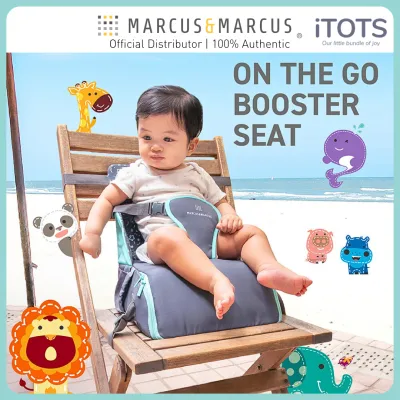
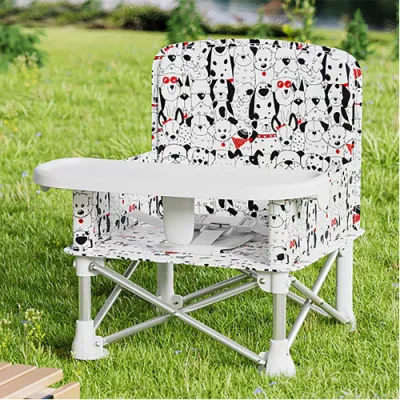
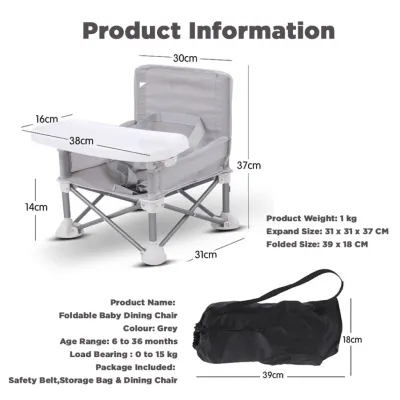
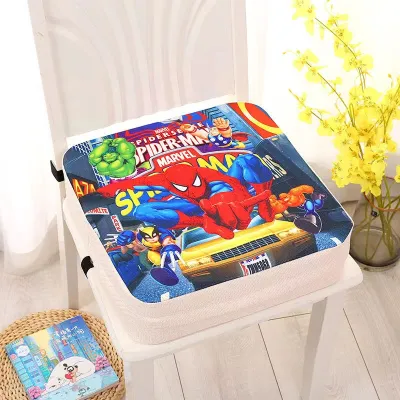
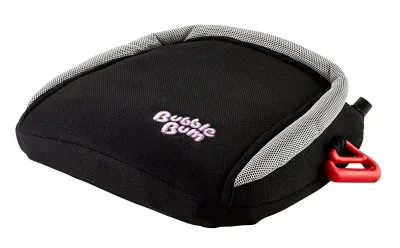
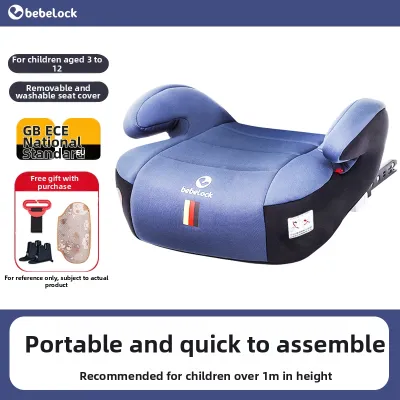
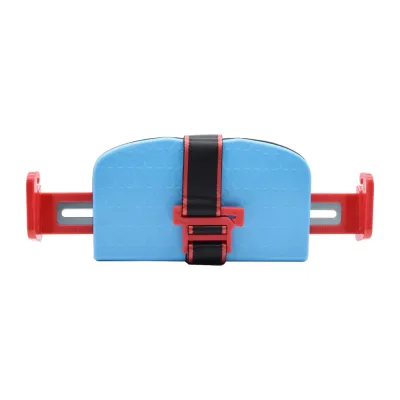
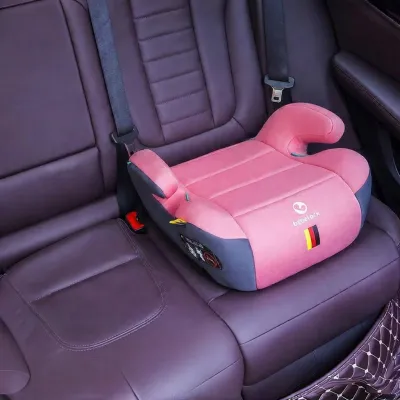
Prices are valid at publication and may change. Please refer to the product page for the latest price.
The ECE R44/04 standard categorizes booster seats based on the child’s weight. Under this framework, Group 2 booster seats are generally designed for children weighing 15 to 25 kilograms, while Group 3 seats cater to those weighing 22 to 36 kilograms. Many portable boosters are approved for both groups, covering a weight range of 15 to 36 kilograms. It is vital to check the manufacturer’s documentation to confirm the exact weight limits for the specific model you are considering.
In contrast, the ECE R129 (i-Size) standard classifies child restraints based on the child’s height rather than weight. This standard also subjects seats to more rigorous testing, including mandatory side-impact collision assessments. When evaluating an i-Size certified portable booster, you must verify the minimum and maximum height limits specified by the manufacturer, as height is a more accurate indicator of how a vehicle’s seatbelt will fit across a child’s body.
To confirm compliance, look for the physical orange approval label permanently attached to the booster seat. This label, often called the E-mark, contains critical information, including the specific standard met (such as ECE R44/04 or R129), the weight or height limits, and an approval number. The label also features a circle containing the letter “E” followed by a number, which indicates the country where the certification was granted (for example, “E1” for Germany or “E11” for the United Kingdom). If a product lacks this physical orange label, it should not be trusted as a certified safety device.
Singapore’s Road Traffic Act mandates that all passengers under 1.35 metres in height must be secured with an approved child restraint appropriate for their height and weight when traveling in private cars and private hire vehicles. While public taxis are legally exempt from this requirement due to practical constraints, the physical laws of motion remain the same in every vehicle. Utilizing a certified portable booster seat in every car ride, including taxis, is a highly recommended practice to ensure continuous protection.
How to Verify Brand Trustworthiness and Certifications
With the rise of global e-commerce, uncertified and counterfeit child restraints have become increasingly common on online marketplaces. These products often mimic the appearance of reputable brands but lack the internal structural integrity required to withstand crash forces. To protect your child, you must take active steps to verify a brand’s safety claims before making a purchase.

Start by cross-referencing the approval number found on the orange E-mark label with official regulatory databases. Trustworthy manufacturers will clearly display this approval number in their product manuals or on their official websites. You can verify these numbers through European transport authority databases or by contacting the manufacturer directly to request the official conformity certificates. If a brand is hesitant to provide these documents or if the approval number does not match any official records, avoid the product entirely.
When browsing online marketplaces or ecommerce platforms, watch out for common red flags. Listings that feature vague safety promises, such as “meets international standards” without naming specific regulations like ECE R44/04 or R129, are highly suspect. Other warning signs include a complete absence of photos showing the physical orange certification label, missing manufacturer contact information, and unusually low prices. A genuine, certified portable booster seat requires rigorous engineering and testing, meaning extremely cheap models (such as those priced under S$30) rarely meet legitimate safety standards.
To ensure authenticity, prioritize purchasing from authorized distributors or reputable physical baby stores in Singapore. Authorized distributors maintain direct relationships with manufacturers, ensuring that the products they sell are genuine, up-to-date, and compliant with local regulations. Buying from these verified channels also ensures you receive a valid manufacturer’s warranty and access to customer support should you have questions about installation or product recalls.
Key Features to Evaluate Beyond Basic Compliance
While basic compliance with safety standards is non-negotiable, not all certified portable booster seats are designed equally. Parents should evaluate specific design and usability features to ensure the seat fits their child correctly and matches their daily travel patterns. The primary function of a booster seat is to position the vehicle’s adult seatbelt properly, making seatbelt routing guides a critical feature to inspect.
A high-quality portable booster seat must feature clear, color-coded seatbelt routing guides (typically red under ECE R44/04 or green under ECE R129). These guides ensure the lap belt sits low across the child’s pelvis and hips, rather than riding up onto the soft abdomen, which can cause severe internal injuries during a crash. Additionally, shoulder belt positioners or clips are essential for backless portable boosters, as they keep the diagonal shoulder strap centered on the child’s collarbone and away from their neck.
Structural integrity is another vital consideration, especially for foldable or highly compact models. Evaluate the materials used in the seat’s construction; reputable brands often utilize high-density plastics, metal reinforcements, or specialized energy-absorbing foams. While backless and foldable models offer excellent portability, they generally do not provide side-impact protection. If your child frequently travels in vehicles without side-curtain airbags, or if you desire extra head and torso protection, a portable high-back booster with folding capabilities may be a safer choice than a simple backless cushion.
Finally, consider the practical aspects of portability. If you frequently transition between taxis, private hire cars, and car-sharing vehicles in Singapore, you need a seat that is lightweight, quick to install, and easy to carry. Look for models that fold compactly, feature integrated carrying straps or travel bags, and weigh under two kilograms. However, ensure that convenience does not compromise stability; the booster seat must sit flat and secure on various vehicle seat shapes without sliding or tipping during turns.
Where to Buy and What to Check Before Checkout
When you are ready to purchase a portable booster seat, choosing the right retail channel is key to ensuring product safety. Visiting established physical baby specialty stores in Singapore allows you to inspect the product firsthand. Many of these retailers have trained staff who can demonstrate how to fold, unfold, and install the seat correctly. If you prefer shopping online, stick to the official brand storefronts on major ecommerce platforms or the dedicated websites of authorized local distributors.
Before finalizing your purchase, always check the manufacturing date of the booster seat. This information is typically stamped directly into the plastic shell of the seat or printed on a white tracking label underneath. Avoid purchasing units that have been sitting in storage for several years, as child restraints have a limited lifespan. Singapore’s hot and humid tropical climate can accelerate the degradation of plastics, adhesives, and foam materials, especially if the seat is stored in a warm car trunk for extended periods.
Upon receiving your portable booster seat, perform a thorough physical inspection before using it with your child. Verify that the package contains the complete, original user manual in English, as proper installation is critical to the seat’s performance. Check that all stitching on the webbing and carrying straps is intact, the plastic frame shows no signs of stress marks or cracks, and any folding mechanisms or buckles lock securely into place. If you notice any defects or missing components, contact the retailer immediately for a replacement.
Remember that child passenger safety is highly dependent on correct usage. Always read the specific manufacturer’s instructions regarding age, weight, and height limits before placing your child in the seat. If you are ever unsure about the fit of the booster seat in a particular vehicle or whether your child is developmentally ready for a portable booster, consult a certified child passenger safety technician for professional guidance.
Frequently Asked Questions (FAQ)
Can I use a portable booster seat on an airplane?
No, portable booster seats cannot be used during takeoff, landing, or turbulence on commercial flights. Aviation safety regulations, including those set by the Civil Aviation Authority of Singapore and international bodies like the FAA, require child restraint systems used on aircraft to be approved for use with a two-point lap belt. Because booster seats require a three-point lap-and-shoulder belt to function correctly, they cannot be safely installed on standard airplane seats. However, you can pack your portable booster seat in your carry-on luggage or check it as baggage so that it is ready for use in taxis or rental cars once you arrive at your destination.
Do portable booster seats expire?
Yes, portable booster seats do expire. Most manufacturers specify a lifespan ranging from six to ten years from the date of manufacture, though this varies by brand. Over time, the materials used in the seat—particularly the plastic shell and energy-absorbing foam—can degrade due to exposure to UV rays, extreme temperature fluctuations, and everyday wear and tear. In Singapore, where temperatures inside parked vehicles can rise significantly, material degradation may occur more rapidly. Always locate the manufacturing date sticker on the base of the seat and consult the user manual to determine the exact expiration timeframe for your specific model.
Is a backless booster seat as safe as a high-back model?
While both certified backless and high-back booster seats meet basic safety standards, they offer different levels of protection. A high-back booster seat provides crucial side-impact protection, head support, and consistent shoulder belt routing, making it the safer choice for younger children or vehicles lacking side-curtain airbags. A backless portable booster is highly convenient for travel and quick vehicle transfers, but it relies entirely on the vehicle’s seatback and headrest to protect the child’s head and neck from whiplash. If using a backless model, you must ensure the vehicle’s headrest is adjusted correctly to support the back of your child’s head up to the top of their ears.

Community discussion
Share your experience or ask a question. Comments are reviewed before publication.