
Commuting in Singapore with young children requires careful planning, especially when transitioning from a bulky infant car seat to a booster seat. Under Singapore’s Road Traffic Act, anyone under the height of 1.35 meters must be secured with an approved child restraint appropriate for their height and weight when traveling in a motor vehicle. While taxis are legally exempt from this requirement, private hire vehicles and private family cars are not. This makes finding a reliable, compliant booster seat a top priority for local parents. Navigating the market can be overwhelming with numerous international brands claiming safety features. To make an informed decision, parents must understand how to evaluate safety certifications, assess brand reliability, and choose the correct type of booster seat for their child’s developmental stage.
Understanding Safety Standards and Fit Requirements
To ensure a booster seat provides adequate protection, it must comply with recognized international safety standards. In Singapore, the Land Transport Authority and the Traffic Police recognize specific certifications, most notably the United Nations Economic Commission for Europe (UNECE) regulations. The two primary standards you will encounter are UNECE R44/04 and the newer UNECE R129 (commonly known as i-Size). Understanding the differences between these two standards is the first step in making an informed purchase.
The UNECE R44/04 standard categorizes booster seats based on the child’s weight. Under this framework, booster seats typically fall into Group 2 (15 to 25 kg) and Group 3 (22 to 36 kg). The newer UNECE R129 standard, however, shifts the focus from weight to the child’s height. This standard also introduces mandatory side-impact testing and utilizes advanced crash-test dummies equipped with highly sensitive sensors to simulate crash forces more accurately. When shopping, look for the orange ECE approval label affixed to the seat. This label displays the specific regulation standard, the approved weight or height range, and an “E” mark followed by a number indicating the country where the certification was granted.
Products mentioned in this guide
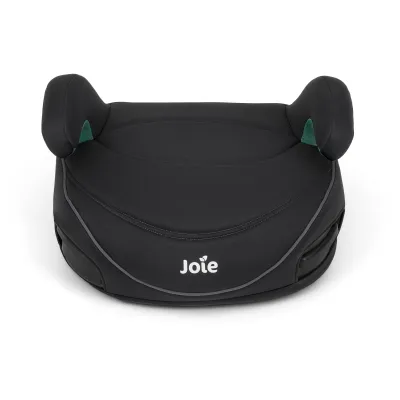
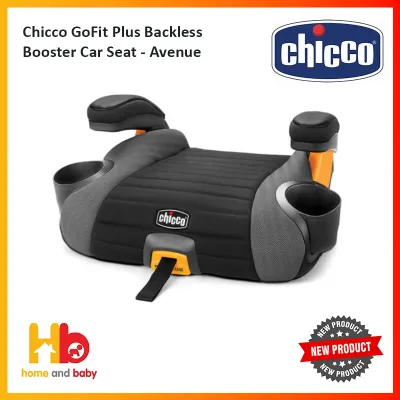
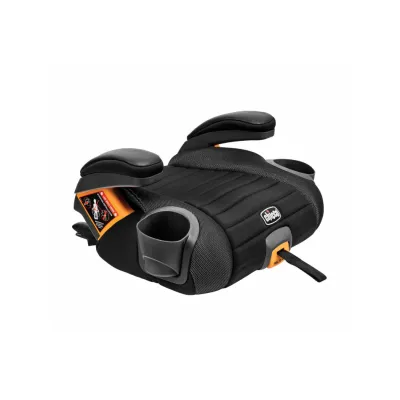
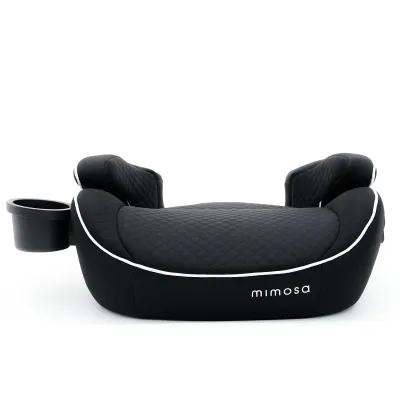
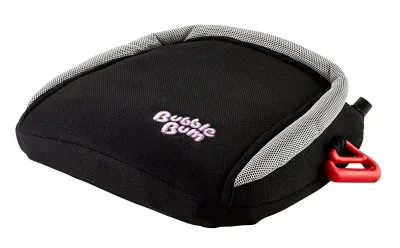
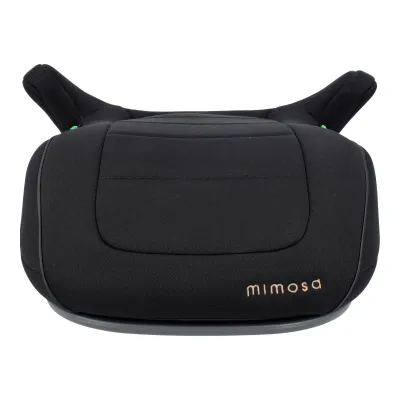
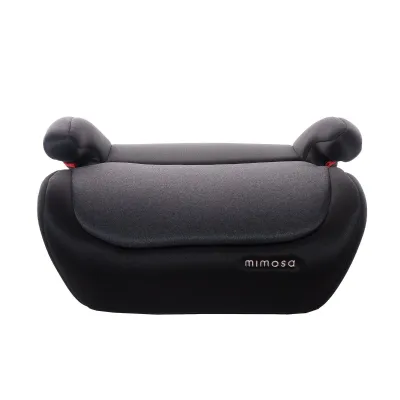
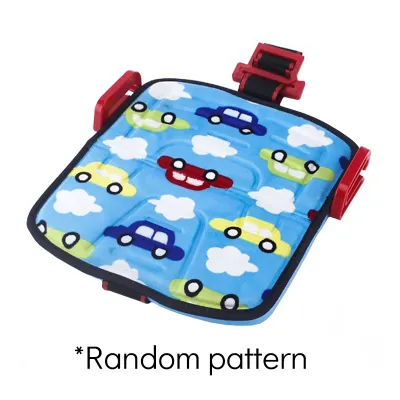
Prices are valid at publication and may change. Please refer to the product page for the latest price.
A booster seat does not protect a child on its own; rather, it positions the child so that the vehicle’s adult seat belt can function correctly. To verify a proper fit, you must perform a physical check once the child is seated. The shoulder belt must rest flat across the center of the child’s shoulder, away from their neck and face. The lap belt must sit low across the hips and upper thighs, anchoring against the strong pelvic bones rather than riding up onto the soft, vulnerable abdomen. Additionally, the child’s knees should bend comfortably over the front edge of the seat cushion while their back remains flat against the booster’s backrest. If the child’s knees do not bend at the edge of the seat, they may slouch forward, causing the lap belt to ride up onto their stomach, which poses a severe risk of internal injuries in a collision.
Transitioning a child to a booster seat too early is a common safety mistake. Parents should resist the urge to transition based on age alone. Instead, rely strictly on the child’s physical measurements and the manufacturer’s specified limits. A child is generally ready for a booster seat only when they have outgrown the maximum height or weight limit of their forward-facing car seat with an internal harness. Furthermore, the child must possess the developmental maturity to sit properly for the entire duration of every trip without slouching, leaning over, or pulling the seat belt out of position. If a child cannot maintain this posture, they should remain in a harnessed seat, which provides superior restraint.
Evaluating Recognized Booster Seat Brands
When exploring the Singapore market, you will encounter several internationally recognized brands such as Britax, Cybex, Maxi-Cosi, Joie, and Graco. These manufacturers are widely regarded for their long-standing commitment to child passenger safety, extensive research and development, and adherence to rigorous testing protocols. However, evaluating a brand requires looking beyond marketing claims and focusing on observable indicators of quality and transparency.

Reputable brands distinguish themselves through transparency and rigorous internal testing that often exceeds baseline regulatory requirements. Many of these companies publish detailed crash test data or participate in independent European consumer tests, such as those conducted by ADAC or ÖAMTC. These independent tests evaluate seats on criteria beyond basic compliance, including safety in frontal and side crashes, ease of handling, ergonomics, and the presence of harmful chemicals in the fabrics. They also maintain clear, accessible recall policies and provide robust customer support channels to assist parents with installation queries or replacement parts. When researching a brand, look for a history of proactive safety measures and clear communication regarding product updates.
Different brands often emphasize distinct design philosophies and safety technologies. For instance, some brands focus heavily on advanced side-impact protection systems, incorporating energy-absorbing shells, specialized foam layers, or deployable side pods designed to reduce lateral crash forces. Other brands prioritize lightweight, highly portable designs featuring folding mechanisms, which are particularly convenient for Singaporean families who rely on taxis, car-sharing services, or rental vehicles. Additionally, look at the ease of adjustability; high-quality brands design headrests and shoulder belt guides that can be adjusted smoothly with one hand to accommodate a growing child.
It is vital to remember that a brand’s overall reputation does not guarantee the safety or suitability of every specific model in their lineup. A highly rated brand may produce a model that does not fit your specific vehicle’s seat contour or seat belt geometry. Therefore, you must independently verify the certification label, the manufacturing date, and the expiration date of the exact model you intend to purchase. Car seats and booster seats degrade over time due to environmental exposure, and manufacturers typically specify an expiration date—often between 6 to 10 years from the date of manufacture—after which the plastic components may no longer perform as intended under crash conditions. In Singapore’s hot and humid climate, heat buildup inside parked cars can accelerate the aging of plastics, making the expiration date an even more critical factor to verify.
Choosing the Right Type of Booster Seat
Booster seats generally fall into two categories: high-back boosters and backless boosters. Understanding the structural differences and safety implications of each type is essential for selecting the right option for your child’s developmental stage and your family’s lifestyle.
High-back booster seats feature a built-in backrest, side-impact wings, and adjustable headrests with integrated seat belt guides. This structure provides crucial support for the child’s head, neck, and torso, keeping them properly aligned even if they fall asleep during the journey. The side-impact protection offered by high-back models is particularly important, as vehicle side airbags are rarely positioned to protect small children. High-back boosters are highly recommended for younger children who are just transitioning from a harnessed car seat, as they provide a more secure, enclosed feeling and help maintain proper seat belt positioning.
Backless booster seats, on the other hand, consist solely of a raised cushion with belt positioning guides or clips. They are designed to raise the child’s body so that the vehicle’s lap and shoulder belts fit correctly. Backless boosters are lightweight, compact, and highly portable, making them an attractive option for older, taller children who still require a boost to meet the 1.35-meter height requirement. They are also exceptionally convenient for families who frequently switch between different vehicles, use private hire cars, or travel abroad. However, because they lack lateral support and side-impact protection, they should only be used when the child is physically mature enough to maintain an upright sitting posture throughout the ride.
Before finalizing your choice, you must evaluate the compatibility of the booster seat with your specific vehicle. Check the shape of your vehicle’s seats and the position of the headrests; some high-back boosters require the vehicle headrest to be removed or raised to allow the booster to sit flush against the seatback. Additionally, consider whether the booster seat features ISOFIX connectors. While the vehicle’s three-point seat belt is what secures the child in a booster seat, ISOFIX connectors are highly beneficial because they anchor the booster seat directly to the vehicle’s chassis. This prevents the seat from shifting during turns and, crucially, keeps the booster secured when unoccupied, preventing it from becoming a dangerous projectile in the event of a sudden stop. For families with smaller vehicles or those needing to fit three car seats across the back row, the external width of the booster seat is another critical dimension to measure.
Where to Buy and Pre-Purchase Verification
In Singapore, purchasing a booster seat through authorized and reputable channels is critical to ensuring you receive a genuine, compliant product. Authorized baby gear specialty stores, official brand boutiques, and major department stores are the safest options. These retailers source their inventory directly from official distributors, ensuring that the products meet local safety standards and are backed by valid manufacturer warranties.
Conversely, parents should exercise extreme caution when browsing unverified online marketplaces or considering second-hand purchases. Online marketplaces often host third-party sellers offering parallel imports or counterfeit seats that may not comply with Singapore’s recognized safety standards. Parallel imports may also lack local warranty coverage, making it difficult to obtain replacement parts or support if a component fails. Second-hand booster seats carry significant hidden risks; plastic degrades over time, especially in Singapore’s hot and humid climate, and a seat that has been involved in even a minor collision may have invisible structural micro-fractures that compromise its safety. Unless you can verify the complete history of the seat from a trusted source, it is always safest to purchase a new booster seat.
Before completing your purchase, perform a thorough physical inspection of the booster seat. Verify that the orange UNECE certification label is present and intact. Inspect the plastic shell for any signs of stress marks, discoloration, or physical damage. Check that all components, including the instruction manual, registration card, and any included belt-positioning clips or ISOFIX guides, are present in the box. Ensure that the manufacturing date is clearly stamped on the seat shell so you can calculate its remaining useful lifespan.
Immediately after purchasing, take the time to register the product online with the manufacturer using the registration card or the serial number found on the seat. This simple step is crucial, as it ensures the manufacturer can contact you directly in the event of a product recall or safety update. Keeping your contact information up to date with the manufacturer is one of the most effective ways to maintain your child’s safety over the lifespan of the booster seat.
Frequently Asked Questions (FAQ)
Can a booster seat be used in the front passenger seat?
Under Singapore’s Traffic Police regulations, passengers under 1.35 meters must be secured in an approved child restraint. While the law does not explicitly forbid placing a booster seat in the front passenger seat, safety experts strongly advise against it. The front passenger airbag is designed to protect adults and deploys with immense force, which can cause severe head, neck, or chest injuries to a child. The rear seat remains the safest location for children. If you must place a booster seat in the front passenger seat due to unavoidable circumstances, you must deactivate the front passenger airbag if your vehicle allows, and slide the vehicle seat as far back as possible to maximize the distance between the child and the dashboard.
Additionally, it is helpful to understand how these rules apply to different modes of transport in Singapore. While private cars and private hire vehicles require child restraints for passengers under 1.35 meters, public buses and taxis are exempt. However, even when traveling in a taxi, using a portable booster seat is highly recommended to ensure your child’s safety.
How do I clean a booster seat without compromising its safety?
Maintaining a clean booster seat is essential, especially in Singapore’s humid climate where sweat and spills can lead to mold or odors, but cleaning must be done carefully to preserve the seat’s structural integrity. Always refer to the manufacturer’s instruction manual for specific cleaning guidelines. Most fabric covers are removable and can be machine-washed on a gentle cycle or hand-washed with mild detergent; avoid using bleach or harsh chemical stain removers. For the plastic shell and energy-absorbing foam, wipe them down with a damp cloth and mild soap, ensuring you do not submerge the foam or expose it to high heat. Crucially, never wash, submerge, or use harsh chemicals on the seat belt straps or harness components, as water and strong detergents can degrade the tensile strength of the webbing, compromising its ability to hold the child securely in an accident.
If the seat cover is not removable, spot cleaning with a damp cloth and a mild, fabric-safe soap is the best approach. Allow the seat to air dry completely in a well-ventilated indoor area before reinstalling it in your vehicle. Avoid leaving the seat in direct, intense sunlight to dry, as prolonged exposure to UV rays can weaken both the fabric fibers and the underlying plastic structure over time.
Community discussion
Share your experience or ask a question. Comments are reviewed before publication.