
Finding a reliable changing pad in Singapore involves looking beyond aesthetic designs to focus on material safety, structural stability, and how well the product fits your specific living space. With many international and local baby brands available, parents must evaluate how manufacturers source their materials and whether their products can withstand Singapore’s warm, humid climate. A trusted changing pad provides a secure, easy-to-clean surface that simplifies daily diaper changes while keeping your baby comfortable and safe. By focusing on verifiable product specifications, transparent brand histories, and practical design features, you can confidently select a changing pad that meets your family’s needs.
What Defines a Trusted Changing Pad Brand?
When searching for a changing pad, evaluating the brand’s history and specialization in nursery furniture or baby gear is an excellent starting point. Brands that focus exclusively on infant care often invest more in research and development, resulting in designs that prioritize ergonomic support and child safety. A long-standing presence in the global or local market typically indicates that a brand has refined its manufacturing processes based on years of parent feedback and safety evaluations.
Transparency in manufacturing and material sourcing is another hallmark of a reputable brand. Trusted manufacturers openly share information regarding the materials used in their changing pads, including the specific types of foam, plastics, or fabrics. They make it easy for consumers to access product manuals, care instructions, and safety guidelines. If a brand hides its material composition or uses vague terms like “baby-safe materials” without further elaboration, it is wise to approach with caution.
Products mentioned in this guide
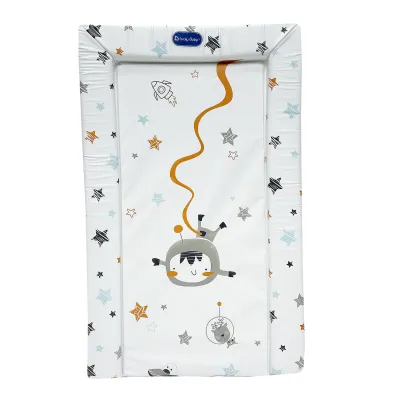
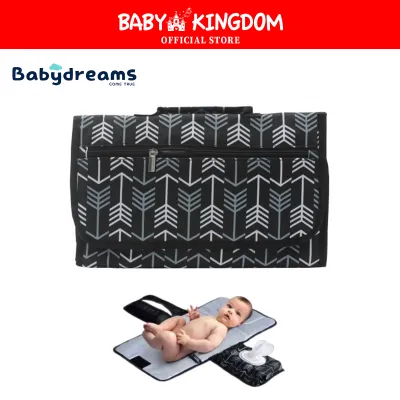
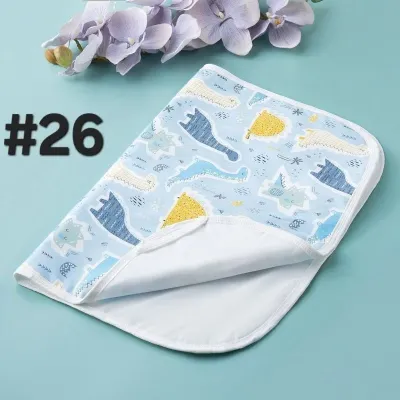
![[SG Ready Stock] Portable Baby Reversible Changing Reusable Washable Waterproof Travel Mat Diaper Pad [Little Gems]](https://img.lazcdn.com/g/p/2fd3237e65a47e6fed3b575c2546a5e4.jpg_400x400q80.jpg_.webp)
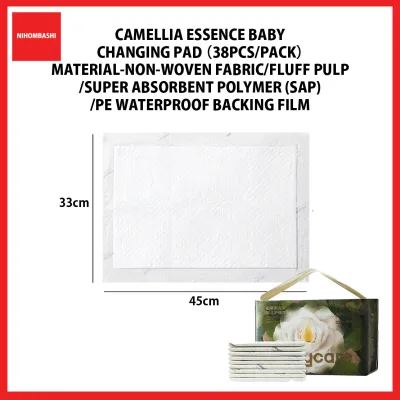
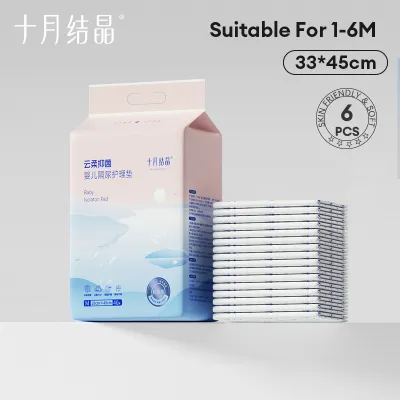
Prices are valid at publication and may change. Please refer to the product page for the latest price.
Analyzing parent reviews and community feedback provides valuable insights into how a changing pad performs over months of continuous use. Look for reviews from parents living in Singapore, as they can offer realistic feedback on how the materials hold up against local humidity and frequent washing. Pay attention to comments regarding the durability of the outer cover, the resilience of the inner foam, and how easy it is to wipe down the surface after messy changes. Consistent complaints about peeling surfaces, lingering odors, or flattening foam are clear indicators of subpar quality.
Conversely, several red flags can help you filter out unreliable brands during your research. A lack of responsive customer support or missing contact information on the brand’s official website suggests that resolving warranty claims or obtaining replacement parts will be difficult. Vague product descriptions that omit dimensions, weight limits, or cleaning instructions are also warning signs. A reputable brand stands behind its products with clear documentation and accessible customer service channels to assist parents with any queries or concerns.
Essential Features of Reliable Changing Pads
The primary function of a changing pad is to provide a hygienic and comfortable space for diaper changes, which makes the surface material a critical consideration. Reliable changing pads feature wipeable, waterproof surfaces that prevent liquids from soaking into the inner padding. It is essential to verify that these materials are non-toxic, lead-free, and phthalate-free, as your baby’s delicate skin will come into direct contact with the surface. Polyurethane covers or specialized easy-wipe coatings are common choices that allow for quick sanitization without degrading over time.

Adequate padding thickness and ergonomic contouring are vital for supporting your baby’s body during changes. High-quality changing pads utilize dense, supportive foam that does not bottom out under your baby’s weight. Contoured designs, which typically feature raised sides and a slightly sunken center, help keep your baby centered on the pad. This contouring provides a gentle physical barrier that discourages rolling, though it should never replace active caregiver supervision.
Safety straps and secure fastening mechanisms add an extra layer of security to the changing setup. Many stationary changing pads come equipped with an adjustable safety belt that secures around the baby’s torso, along with security straps on the underside to anchor the pad to a changing table or dresser. When evaluating different brands, check the quality of the buckles and the strength of the straps. The fastening mechanisms should be easy for a caregiver to operate with one hand while keeping the other hand on the baby at all times.
Understanding the distinction between portable and stationary designs allows you to choose a product that aligns with your lifestyle. Stationary changing pads are typically thicker, heavier, and designed to remain in a fixed location, such as on top of a dedicated changing table. Portable changing mats, on the other hand, are lightweight, foldable, and often feature compact storage pockets for diapers and wipes. Some brands specialize in high-tech, stationary polyurethane pads that require no fabric covers, while others focus on ultra-portable, travel-friendly mats that fit easily into a diaper bag.
Where to Find and Verify Reputable Brands in Singapore
In Singapore, parents have access to a variety of retail channels to source and verify changing pads. Visiting specialty baby retailers and physical showrooms across the island is highly recommended for a hands-on inspection. Handling the product in person allows you to assess the density of the foam, the texture of the outer material, and the sturdiness of the safety straps. Showroom staff can also provide detailed information on product specifications and demonstrate how to secure the pad to different types of furniture.
When shopping online, it is safest to purchase from official brand stores or authorized distributors on major ecommerce platforms. This ensures you receive an authentic product rather than a counterfeit or substandard imitation. Authorized sellers are also more likely to provide accurate product descriptions, clear warranty details, and reliable customer support. Be cautious of third-party listings with unusually low prices or generic branding, as these products may not meet basic safety standards.
Before finalizing your purchase, take the time to verify the local warranty terms and return policies. A trusted brand or distributor in Singapore should offer a clear return policy in case the product arrives damaged or does not fit your changing table. While simple changing mats may have limited warranties, premium stationary changing pads often come with manufacturer warranties covering structural defects or material degradation. Keep your purchase receipt and register the product online if required by the manufacturer.
Additionally, check the product packaging and labels for compliance with general consumer safety guidelines. Look for clear labels indicating the manufacturer’s details, country of origin, and care instructions. While specific safety certifications can vary globally, reputable products sold in Singapore often reference compliance with international standards, such as those from the European Union (EN) or the United States (ASTM). Verifying these details on the physical product or the manufacturer’s official website provides peace of mind regarding the safety of the materials used.
Matching the Right Changing Pad to Your Nursery Setup
Selecting the ideal changing pad requires a careful assessment of your home’s layout and your daily caregiving routines. For homes with a dedicated nursery room, a contoured stationary changing pad paired with a changing table or a sturdy chest of drawers is a popular and highly functional choice. This setup provides a comfortable, waist-height station that reduces strain on your back during frequent diaper changes. Ensure that the dimensions of the changing pad match the top surface of your furniture precisely to prevent any overhang or instability.
In Singapore, where space-saving solutions are often necessary for HDB flats and apartments, portable or foldable changing pads offer excellent flexibility. A compact, roll-up changing mat can turn any flat, stable surface—such as a bed, a clean floor, or a dining table—into a temporary changing station. These portable options are easy to store in a drawer or hang behind a door when not in use, keeping your living spaces clutter-free. Many parents choose to own both a stationary pad for home use and a portable mat for outings.
Multi-functional designs that integrate seamlessly with existing nursery furniture are also worth considering. Some changing pads are designed to attach directly to the rails of a wooden cot or playpen, providing a secure changing surface without requiring extra floor space. When opting for these integrated designs, it is crucial to follow the manufacturer’s instructions precisely to ensure the pad is locked securely in place before placing your baby on it. Always verify the maximum weight limit, age recommendations, and specific method of use from the manufacturer’s documentation before purchasing, rather than relying on the product name alone.
Finally, balance your aesthetic preferences with practical cleaning requirements. While fabric-covered changing pads with beautiful patterns can complement your nursery decor, they require frequent laundering and the use of waterproof covers to protect the inner foam. On the other hand, solid polyurethane changing pads offer a modern, minimalist look and can be wiped clean instantly without the need for additional laundry. Consider how much time you can realistically dedicate to washing covers when deciding between these material options.
Safety Checks and Maintenance for Long-Term Use
To ensure your changing pad remains a safe and hygienic environment for your baby, regular maintenance and safety checks are essential. Before using the pad for the first time, inspect its structural integrity thoroughly. Check that all seams are intact, the safety buckle functions smoothly, and any attachment straps are securely stitched to the body of the pad. If you are using a stationary pad, ensure it is correctly anchored to the changing table or dresser using the provided hardware or non-slip grip pads to prevent any sliding during use.
Establishing a consistent routine for cleaning and disinfecting the changing pad is vital for maintaining hygiene. For wipeable surfaces, use a mild, baby-safe detergent or specialized sanitizing wipes after each diaper change to remove any residue. Avoid using harsh chemical cleaners, bleach, or abrasive scrubbing pads, as these can degrade the waterproof coating and cause the material to crack over time. If your changing pad uses fabric covers, wash them regularly in hot water with a gentle, fragrance-free detergent to eliminate bacteria and allergens.
Over months of daily use, changing pads will naturally experience wear and tear, making regular inspections necessary. Look out for signs of material degradation, such as cracking, peeling, or tearing of the outer waterproof layer. Once the outer barrier is compromised, moisture can penetrate the inner foam, leading to the growth of mold, mildew, or bacteria that cannot be easily cleaned. If you notice any deep cracks, exposed foam, or a loss of structural firmness, it is time to replace the changing pad immediately. If your baby develops any skin irritation or allergic reactions from contact with the changing pad surface, stop using the pad immediately and consult a qualified healthcare professional.
Lastly, always prioritize active supervision whenever your baby is on the changing pad. No matter how secure the safety straps or how high the contoured edges of the pad are, they are designed as secondary safety aids and cannot prevent falls if a baby is left unattended. Keep all changing essentials—such as clean diapers, wipes, creams, and fresh clothes—within arm’s reach before you place your baby on the pad. This ensures you never have to turn your back or step away from the changing station, keeping your baby safe at all times.
Frequently Asked Questions (FAQ)
Do I need to look for specific safety certifications for changing pads?
While there is no single mandatory local certification specifically for changing pads in Singapore, parents should look for indicators of material safety and structural quality. Check product labels or manufacturer specifications for mentions of non-toxic, lead-free, and phthalate-free materials, as well as compliance with recognized international standards such as European (EN) or American (ASTM) safety guidelines. These standards often cover aspects like chemical safety, physical durability, and the strength of safety straps. Always verify these claims directly on the manufacturer’s official documentation rather than relying solely on retail descriptions.
Can I use a regular waterproof mattress protector instead of a dedicated changing pad?
Using a regular waterproof mattress protector or a simple flat towel is not a recommended substitute for a dedicated changing pad, especially for routine use. Dedicated changing pads are specifically engineered with safety features such as contoured, raised edges and adjustable safety straps that help keep your baby centered and reduce the risk of rolling off the changing surface. A flat mattress protector lacks these physical containment features and does not provide the dense, supportive cushioning necessary to keep your baby comfortable and secure during changes. For safety and peace of mind, it is always best to use a product designed specifically for diaper changes.

Community discussion
Share your experience or ask a question. Comments are reviewed before publication.