
Parents in Singapore prioritizing nursery safety often look for bed corner guards that balance high impact absorption with reliable adhesion. Because Singapore’s humid climate can affect adhesive performance, choosing a trusted brand involves verifying material certifications, adhesive types, and structural designs rather than relying on brand names alone. By focusing on verifiable safety standards and practical design features, you can secure your child’s sleeping environment against sharp wooden or metal bed frames.
When baby-proofing a bedroom, the bed frame is often one of the most challenging obstacles. Low-profile platform beds, wooden tatami-style frames, and classic wooden cribs frequently feature sharp, hard corners at exactly the height of a crawling baby or a toddler taking their first steps. Selecting the right protective guards requires understanding how different materials interact with your furniture and how to verify that the products you bring into your home are safe for your child to be around daily.
What Makes a Bed Corner Guard Brand Reliable?
To identify a reliable manufacturer, parents should first look closely at material safety. Because infants and toddlers naturally explore their surroundings using their mouths, any corner guard installed within their reach must be completely non-toxic. Trusted brands will explicitly state that their products are free from harmful substances such as bisphenol A (BPA), phthalates, heavy metals, and toxic flame retardants. When shopping, look for physical packaging or product listings that reference recognized safety standards, such as European Union toy safety standards (EN 71-3) or REACH compliance, which indicate the materials have undergone chemical safety screening.
Products mentioned in this guide

![[SG] Transparent Corner Protector | Corner Guard Baby Safety Corner Protector for Table & Furniture Corner Edge Bumper](https://img.lazcdn.com/g/p/2c50bffc2ff9a577f539ca8b522b78f3.jpg_400x400q80.jpg_.webp)
Prices are valid at publication and may change. Please refer to the product page for the latest price.
Adhesive quality is another critical factor that separates reliable brands from substandard options. A corner guard is only effective if it remains firmly attached when a child bumps into it or attempts to pull it off. Many reputable manufacturers partner with established adhesive brands to supply high-quality double-sided tapes, such as acrylic-based adhesives, which offer a strong initial bond and cure fully over a 24-hour period. Additionally, parents should verify whether the brand provides clear instructions for clean, residue-free removal, ensuring that the adhesive will not permanently ruin expensive wood finishes or painted surfaces when the guard is eventually taken down.
Finally, the physical construction of the guard determines its ability to absorb impact. High-density foam, such as Nitrile Rubber (NBR), is widely favored for its excellent cushion-like properties and ability to bounce back after compression. When evaluating different brands, look for density indicators or thickness measurements in the product specifications. A denser, thicker foam will distribute the force of a sudden impact much more effectively than a thin, overly soft alternative, preventing the sharp corner of the bed frame from causing injury during a fall.
Key Design Features to Match Your Furniture
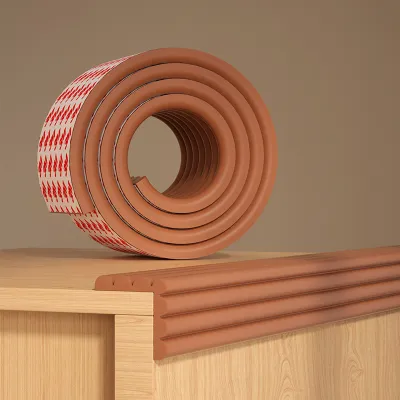
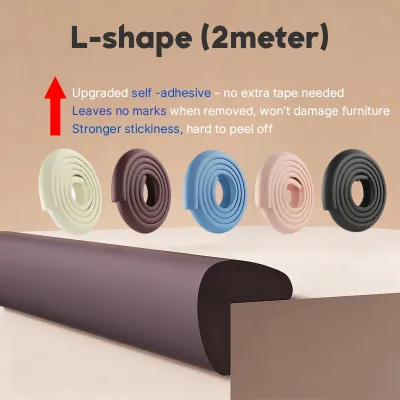
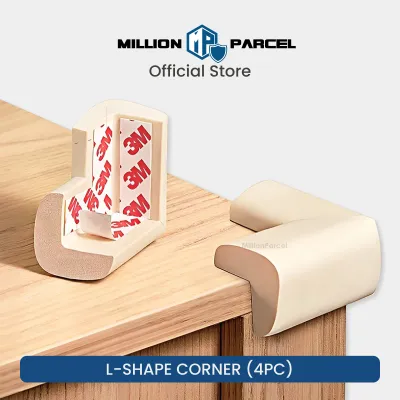
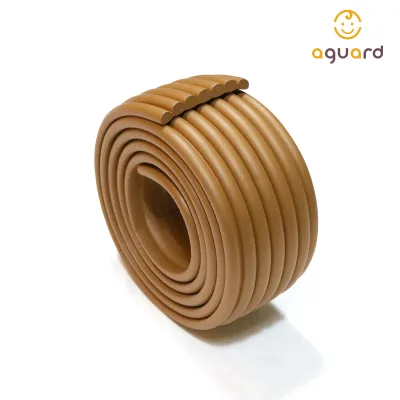
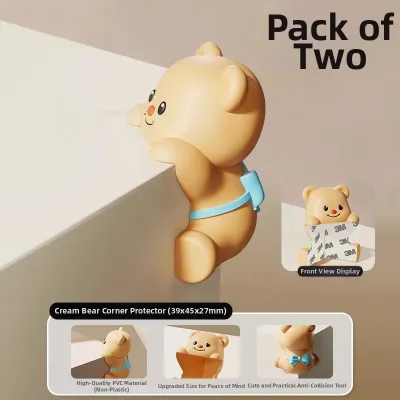
Selecting the right shape and style of corner guard is essential for ensuring both safety and compatibility with your specific bed frame. Parents generally choose between pre-cut corner pieces and customizable edge rolls. Pre-cut corner guards are designed to fit standard 90-degree angles perfectly, making them incredibly easy to install on the sharpest points of a bed frame. However, if your bed has long, exposed wooden rails or irregular edges, a customizable edge roll is often the better choice. These rolls allow you to measure, cut, and apply continuous protection along the entire length of the frame, eliminating gaps where a child could still get hurt.

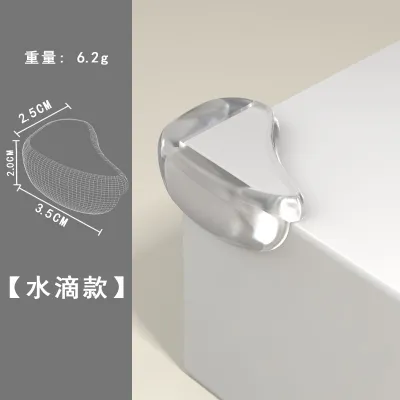
Aesthetic preferences also play a significant role in the selection process. High-visibility foam guards, often available in bright colors, make hazards obvious to adults but can also attract a curious child’s attention. If a toddler sees a bright, contrasting object on their bed, they are more likely to pull, pick, or bite at it. To minimize this temptation, many parents opt for transparent silicone or PVC corner guards. These clear options blend seamlessly into natural wood, white, or dark-painted bed frames, maintaining the room’s decor while keeping the protective barrier discreetly out of the child’s focus.
It is also important to check the edge profile of the guard to ensure it matches the thickness of your furniture. A guard that is too large for the bed frame will overhang, creating a lip that can easily snag blankets, clothing, or even a parent’s foot, potentially causing a tripping hazard. Conversely, a guard that is too small will not cover the entire sharp edge, leaving vulnerable areas exposed. Carefully measure the width and depth of your bed frame’s corners before purchasing to ensure a flush, secure fit.
Where to Buy and How to Verify Authenticity
In Singapore, parents have several options for sourcing baby-proofing products, ranging from official brand storefronts and specialized physical baby boutiques to general online marketplaces. While purchasing from large e-commerce platforms offers convenience and a wide selection, it is crucial to buy directly from official brand stores or authorized local distributors. This ensures you receive genuine products that meet the manufacturer’s safety specifications, rather than counterfeit items that may use cheaper, potentially toxic materials or inferior adhesives.
When shopping online, look out for red flags that indicate substandard or counterfeit products. A suspiciously low price compared to the market average is often the first sign of a low-quality imitation. Additionally, product listings that lack clear brand names, detailed material specifications, or contact information for customer support should be avoided. Genuine, trusted brands will readily provide documentation or clear labeling regarding their safety testing and material composition, giving you peace of mind before installation.
Reading and filtering parent reviews can provide valuable insights into how a corner guard performs in real-world conditions. When browsing reviews, look for feedback from buyers who live in humid climates like Singapore. High humidity can cause low-grade adhesives to fail prematurely, so reviews that mention long-term adhesion and durability are particularly useful. Pay attention to comments regarding how well the guards withstand daily wear and tear, and whether other parents experienced issues with their children easily peeling the guards off.
Installation and Maintenance for Lasting Safety
Proper installation is key to ensuring that your chosen bed corner guards remain secure and functional over time. Before applying any adhesive, the surface of the bed frame must be meticulously cleaned to remove dust, oils, and furniture polish. Wipe the area down with a mild detergent or rubbing alcohol, ensuring the surface is completely dry before proceeding. Once the surface is prepared, peel the backing from the adhesive, position the guard carefully, and press down firmly along all edges for at least 30 seconds to establish a strong initial bond.
After installation, it is vital to allow the adhesive to cure fully before subjecting it to any stress. Most high-quality adhesives require at least 24 hours to reach maximum bonding strength, during which time children should be kept away from the area. Once cured, establish a weekly inspection routine to check the condition of each guard. Look closely for any signs of peeling edges, tearing foam, or bite marks. If your child is teething, they may attempt to chew on soft foam guards; if you notice any damage or missing pieces, replace the guard immediately to prevent a choking hazard.
When the time comes to remove the corner guards, doing so carefully will protect your furniture’s finish from damage. Avoid pulling the guards off forcefully, as this can tear away paint, varnish, or wood veneers. Instead, use a hair dryer on a low, warm setting to gently heat the adhesive backing. The heat will soften the glue, allowing you to slowly and safely peel the guard away from the bed frame. Any remaining adhesive residue can usually be rolled off with your fingers or cleaned with a mild, furniture-safe adhesive remover.
Frequently Asked Questions (FAQ)
Can I use bed corner guards on fabric or leather headboards?
Standard adhesive-backed corner guards are designed specifically for hard, non-porous surfaces such as wood, metal, glass, and plastic. They do not bond effectively to textured fabrics, suede, or leather, as the uneven surface prevents the adhesive from making full contact. Furthermore, applying strong adhesives to these delicate materials can cause permanent staining, discoloration, or tearing when removed. For upholstered bed frames, consider using soft, slip-on fabric padded covers or strategically positioning the bed away from high-traffic play areas to minimize the risk of bumps.
How often should I replace foam corner guards?
Foam corner guards should be replaced immediately if they show any signs of physical degradation, such as cracking, crumbling, or tearing. If your child is teething and has left bite marks on the foam, replace the guards right away to eliminate the risk of small pieces being swallowed. Even in the absence of visible damage, the adhesive backing can weaken over time due to Singapore’s ambient humidity and regular household cleaning. As a general safety practice, inspect the guards weekly and plan to replace them every 6 to 12 months, or as soon as you notice the edges beginning to lift from the furniture surface.

Community discussion
Share your experience or ask a question. Comments are reviewed before publication.