
Parents searching for “HSA-certified” kid shampoos in Singapore should know that the Health Sciences Authority (HSA) does not issue physical certifications, approvals, or safety seals for cosmetic products, including children’s hair care. Instead, Singapore regulations mandate that all cosmetic products must be officially notified with the HSA before they can be legally sold in the local market. This notification process means a local registered company has taken responsibility for the product’s safety, ingredient compliance, and labeling. To ensure a kid shampoo is safe and compliant, parents can verify its notification status using the HSA’s public database and learn to identify key regulatory details on the product packaging.
Understanding HSA Regulations for Kid Shampoos
In Singapore, personal care items such as shampoos, body washes, and baby lotions are classified as cosmetic products. The regulatory oversight for these items is managed by the Health Sciences Authority under the Health Products Act and the Health Products (Cosmetic Products) Regulations. Understanding how these regulations work is the first step in making informed purchasing decisions for your child’s bath time routine.
A common point of confusion for parents is the difference between cosmetic product notifications and therapeutic product registrations. Therapeutic products, such as medicated shampoos designed to treat clinical scalp conditions like severe eczema or psoriasis, must undergo a rigorous evaluation and registration process to obtain HSA approval before sale. Standard kid shampoos, however, are daily-use cosmetics. For these, the local importer or manufacturer must submit a cosmetic product notification to the HSA. This notification is a legal declaration by the company that the product complies with all safety standards, rather than a government-issued certification or endorsement.
Products mentioned in this guide
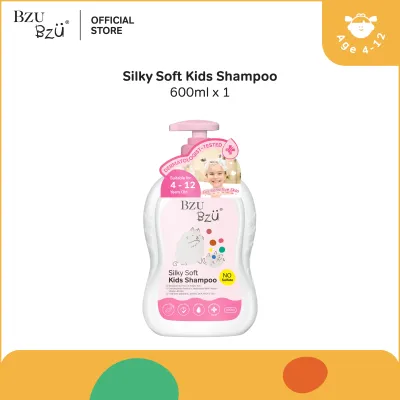
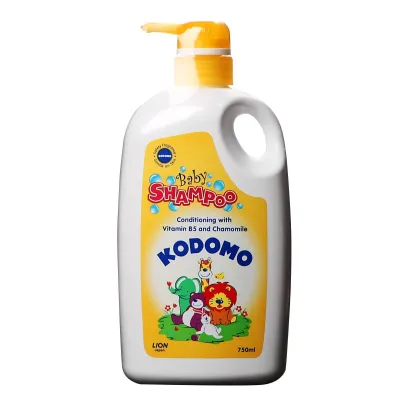
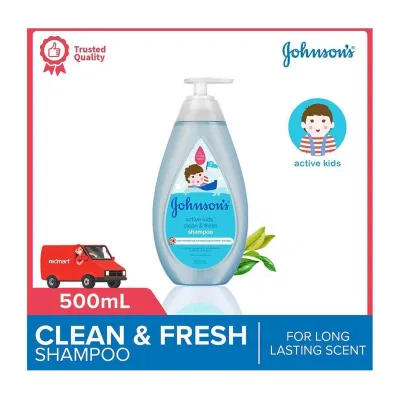
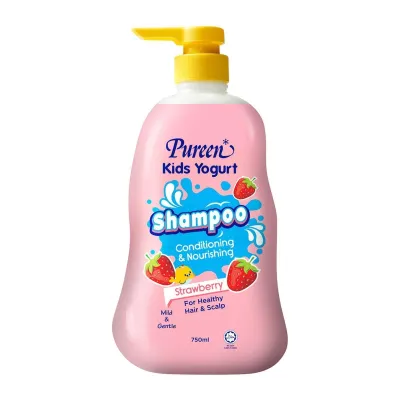
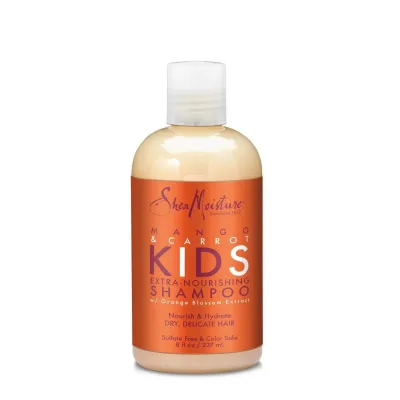
Prices are valid at publication and may change. Please refer to the product page for the latest price.
Singapore’s cosmetic regulations are closely aligned with the ASEAN Cosmetic Directive (ACD). This regional framework harmonizes safety standards across member countries, setting strict limits on the ingredients allowed in personal care products. The ACD maintains a comprehensive list of banned substances, restricted ingredients, and approved preservatives or colorants. For children’s products, these regulations are particularly stringent. Certain ingredients that are permissible in adult formulations may be restricted or require specific warning labels when used in products intended for children under three years old, reflecting the delicate nature of young skin.
It is also important to clarify that compliant kid shampoos do not feature an official “HSA Approved” seal or logo on their packaging. The HSA does not issue physical stamps of approval for cosmetics. Any product label that displays an official-looking HSA logo to claim safety certification is misleading and likely violates local labeling guidelines. True compliance is demonstrated through proper documentation, adherence to ingredient limits, and registration in the official public database.
How to Verify Product Notification and Safety Status
Verifying whether a kid shampoo is legally notified in Singapore is a straightforward process that parents can perform online. The HSA maintains a public database of all notified cosmetic products, allowing consumers to verify the regulatory status of any brand before making a purchase.

To check a product’s status, visit the official HSA website and access the cosmetic product notification search tool, often located under the online information search section. In the search fields, you can enter the brand name or the specific name of the shampoo. A compliant, legally notified product will appear in the search results, displaying its unique notification number, the name of the local notified company, and the country of manufacture. If a product does not appear in the database, it may not be legally registered for sale in Singapore.
In addition to online verification, parents should carefully inspect the physical product label. Under Singapore regulations, all cosmetic products must bear clear English labeling. The label must display the full list of ingredients, the batch number, the country of manufacture, and the name and address of the local company responsible for placing the product on the market. This local address is a critical safety feature; it identifies the importer, distributor, or manufacturer who is legally accountable to the HSA if any safety issues or adverse reactions arise.
If you encounter a kid shampoo that lacks an English label, does not list a local distributor’s address, or cannot be found in the HSA database, it is highly recommended to avoid purchasing it. These products may be parallel imports that have bypassed local regulatory checks, or worse, counterfeit items. Selling unnotified cosmetic products is an offense in Singapore. If you suspect a retailer is selling unauthorized or unsafe children’s products, you can report the matter directly to the HSA’s health products regulation group to protect other families.
Evaluating Ingredient Safety for Sensitive Scalps
While an HSA notification ensures that a kid shampoo meets baseline regulatory safety standards, it does not guarantee that the product is completely free from potential allergens or irritants for every individual child. Children’s skin is significantly thinner, more permeable, and more sensitive than adult skin. Their scalp’s natural protective barrier is still developing, making them highly susceptible to dryness, irritation, and contact dermatitis. Therefore, parents must complement regulatory checks with a careful evaluation of the ingredient list.
When choosing a kid shampoo, there are several common ingredients that parents should look to avoid. Harsh surfactants, such as Sodium Lauryl Sulfate (SLS) and Sodium Laureth Sulfate (SLES), are commonly used in adult shampoos to create a rich, foaming lather. However, these chemicals can strip the scalp of its natural oils, leading to persistent dryness, itching, and irritation. Strong synthetic fragrances and artificial colorants are also frequent culprits behind allergic reactions on sensitive skin. Furthermore, certain preservatives, such as parabens, methylisothiazolinone (MIT), and formaldehyde-releasing agents, carry a higher risk of skin sensitization and should be avoided in children’s hair care products.
Instead, look for formulations that utilize gentle, plant-derived cleansing agents. Ingredients like coco-glucoside, decyl glucoside, and lauryl glucoside are mild surfactants that clean the hair effectively without disrupting the scalp’s moisture barrier. Moisturizing additives such as glycerin, panthenol (Pro-Vitamin B5), and natural lipids help soothe and protect the skin. Additionally, tear-free formulas are specifically pH-balanced to match the natural pH of human tears, which is slightly alkaline. This prevents painful stinging and eye irritation during bath time, making the experience much more comfortable for young children.
Regardless of how gentle a shampoo claims to be, or whether it is fully notified with the HSA, parents should always perform a patch test before introducing a new product to their child’s routine. To do this, apply a small, pea-sized amount of the diluted shampoo to a small area of clean skin, such as the inside of the child’s forearm or behind their ear. Wash it off after a few minutes and monitor the area over the next 24 to 48 hours. If you observe any redness, swelling, itching, or bumps, discontinue use immediately. For children with pre-existing skin conditions like eczema, it is always wise to consult a pediatrician or dermatologist before trying new bathing products.
Where to Buy Authentic and Compliant Kid Shampoos
To ensure you are purchasing authentic, HSA-compliant kid shampoos, selecting the right retail channel is just as important as reading the ingredient label. Buying from reputable sources significantly reduces the risk of exposing your child to counterfeit, expired, or improperly stored products.
The safest retail channels in Singapore are established physical pharmacies, official brand stores, and major local supermarkets. Retailers like Guardian, Watsons, NTUC FairPrice, and Cold Storage have robust supply chain management systems and strict procurement policies. They source their inventory directly from authorized local distributors who ensure that every batch of shampoo has been properly notified with the HSA. This direct supply chain guarantees that the products meet local safety standards and have been stored under appropriate conditions.
Conversely, purchasing from unauthorized third-party sellers on general e-commerce platforms or online marketplaces carries inherent risks. While these platforms offer convenience and sometimes lower prices, they also host independent sellers who may engage in parallel importing. Parallel imports are genuine products intended for other countries, but they may not comply with Singapore’s specific labeling laws or ingredient restrictions. In worse cases, online listings may feature counterfeit products manufactured in unregulated facilities. Additionally, cross-border shipping can expose liquid personal care products to extreme heat and humidity during transit, which can degrade the preservatives and lead to bacterial contamination.
When your purchase arrives, or before you leave the store, take a moment to inspect the packaging. Check that the safety seals are intact and show no signs of tampering. Ensure the printing on the bottle is clear, sharp, and free of spelling errors, which are common indicators of counterfeit goods. The batch number and expiry date should be clearly stamped on the container, allowing you to verify the product’s freshness.
Your Pre-Purchase Safety Checklist for Kid Shampoos
To help streamline your decision-making process, here is a consolidated safety checklist to use before purchasing any kid shampoo in Singapore:
- Verify Local Distributor Details: Check the back of the bottle for the mandatory English label listing the name and address of the local Singapore importer or distributor.
- Check the HSA Database: For unfamiliar brands or online purchases, search the product name on the HSA cosmetic notification database to confirm its legal status.
- Audit the Ingredients: Ensure the formula is free from harsh sulfates (SLS/SLES), parabens, MIT, and strong synthetic fragrances. Look for mild, plant-based surfactants and tear-free formulations.
- Match to Age and Development: Verify that the product is suitable for your child's specific age group. Newborns and infants require specialized, ultra-gentle baby shampoos, while older children can transition to standard kid shampoos. Always follow the manufacturer's age recommendations and warnings.
- Inspect Packaging Integrity: Ensure the bottle is tightly sealed, with no leaks, cracks, or signs of tampering.
- Practice Safe Storage: Once purchased, store the shampoo in a cool, dry place away from direct sunlight. Keep the container tightly closed to prevent water and bacteria from entering, and always store bath products out of reach of young children to prevent accidental ingestion.
Frequently Asked Questions (FAQ)
Do all kid shampoos sold in Singapore need HSA approval?
No, kid shampoos do not require formal approval or certification from the HSA. Instead, they must undergo a cosmetic product notification. The local company importing or manufacturing the shampoo must submit this notification to the HSA before the product can be legally sold. This process is a declaration of safety and compliance by the company, rather than an official endorsement or safety guarantee by the government authority.
What should I do if my child has an adverse reaction to a notified shampoo?
If your child experiences an adverse reaction, such as skin redness, itching, swelling, or hives, stop using the shampoo immediately. Rinse the affected area thoroughly with clean, lukewarm water to remove any remaining product. For mild irritation, you can apply a gentle, fragrance-free moisturizer. If the reaction is severe, covers a large area, or is accompanied by breathing difficulties, seek immediate medical attention from a pediatrician or general practitioner. You should also report the incident to the local distributor listed on the product label and submit feedback to the HSA to help monitor public safety.

Community discussion
Share your experience or ask a question. Comments are reviewed before publication.