
When shopping for baby bath products in Singapore, you might wonder which brands carry official certification from the Health Sciences Authority (HSA). The short answer is that the HSA does not issue physical “certifications” or “safety seals” for baby washes, shampoos, or bubble baths. Instead, the regulatory framework in Singapore requires all cosmetic products—including baby bath items—to be registered through a mandatory notification system before they can be legally sold. This means that rather than looking for an HSA logo on the bottle, you must verify that the brand or its local distributor has successfully submitted a product notification to the authority.
Understanding this distinction is crucial for protecting your infant’s delicate skin. A notified product indicates that the local importer or manufacturer has declared compliance with safety guidelines and ingredient restrictions. As a parent, your best approach is to learn how to verify these notifications, read ingredient labels critically, and purchase from reputable sources to ensure you are using genuine, compliant products.
Understanding Health Sciences Authority Regulations for Baby Bath Products
To navigate the baby care aisle safely, it helps to understand how the Health Sciences Authority regulates different types of skincare. In Singapore, baby bath products like body washes, hair shampoos, and bubble baths are classified as cosmetic products. Under the Health Products (Cosmetic Products – ASEAN Cosmetic Directive) Regulations, these items do not undergo pre-market testing or formal approval by the HSA before they hit the shelves. Instead, the responsibility lies with the company placing the product on the market to ensure it is safe and complies with all local standards.
Products mentioned in this guide
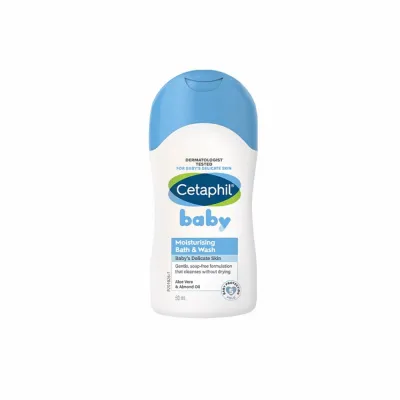
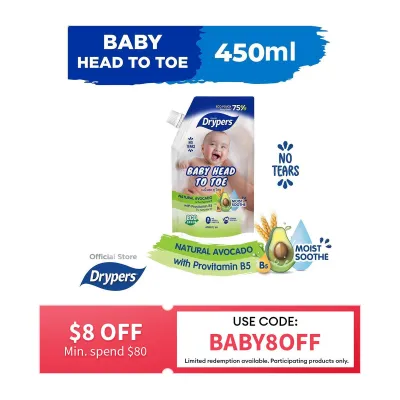
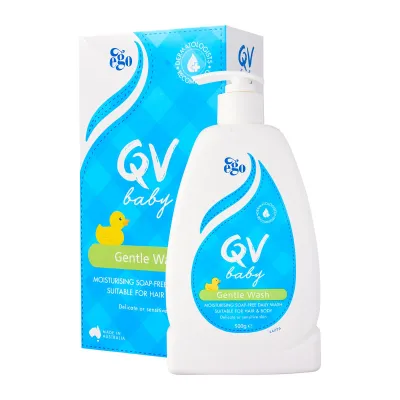
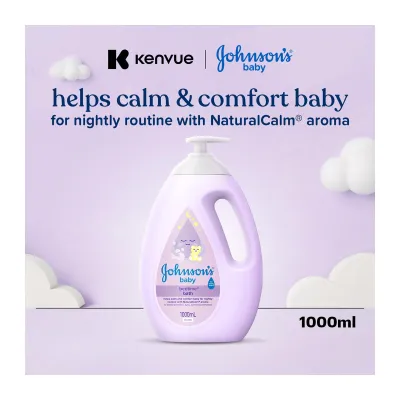
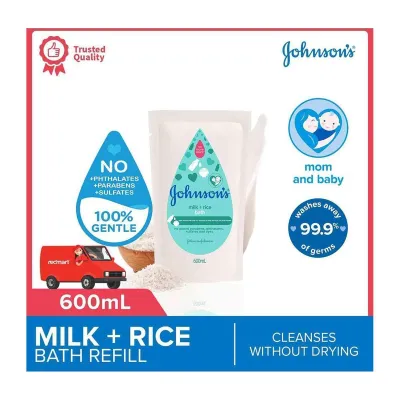
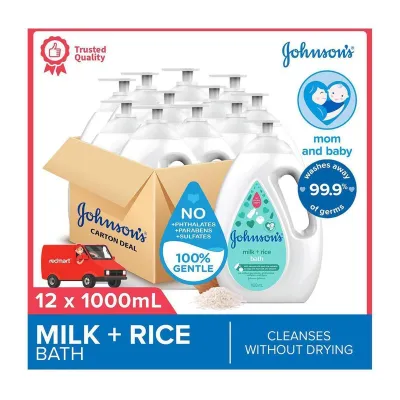
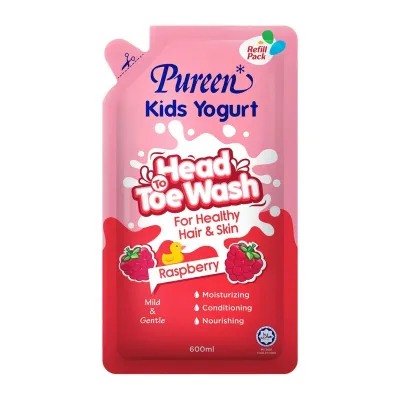
Prices are valid at publication and may change. Please refer to the product page for the latest price.
This cosmetic notification system is different from the rigorous pre-market evaluation required for therapeutic products or medicines. If a baby bath product claims to treat, cure, or prevent a medical condition—such as severe eczema, psoriasis, or fungal infections—it may cross the line into therapeutic territory. Therapeutic products require formal registration and evaluation by the HSA before sale. For standard wash-off baby bath products, however, a simple cosmetic notification is the legal baseline.
Because there is no official “HSA Approved” stamp or physical seal issued for cosmetics, any product label claiming to be “HSA Certified” should be approached with caution. Compliance is demonstrated through administrative records and adherence to labeling laws, not through promotional logos. The local distributor must submit detailed formulation details and safety declarations to the HSA database, which remains active as long as the product is sold in Singapore. This system allows the authority to monitor the market and quickly initiate recalls if safety issues arise.
How to Verify Safety Compliance and Notification Numbers on Labels
Verifying the regulatory status of a baby bath brand starts with a close inspection of the product packaging. Legally compliant cosmetic products sold in Singapore must display specific information in English. Look for the name and address of the local importer or distributor responsible for bringing the product into the country. If this information is missing, or if the label only lists a foreign address without a local contact, the product may not have gone through the mandatory HSA notification process.

Additionally, the packaging must feature a complete ingredient list, a batch reference number, and clear instructions for use. While the HSA does not require the cosmetic notification number to be printed directly on the bottle, many responsible distributors choose to include it for transparency. This number typically follows a specific format, often starting with letters like “CCPN” followed by a series of digits. Having this number handy makes it much easier to verify the product’s legitimacy.
If you want to cross-check a brand’s notification status, you can use the official government portals provided by the HSA. The HSA website features a public search registry for notified cosmetic products. By entering the brand name, product name, or the local distributor’s details into the search field, you can instantly verify whether the item has an active notification. If a search yields no results for a product purchased locally, it could indicate an unauthorized parallel import or a non-compliant item that has bypassed local safety checks.
When inspecting labels, also pay attention to mandatory safety warnings. For example, products intended for infants under three years old often require specific precautionary statements if they contain certain active ingredients like salicylic acid or urea. A fully compliant label will clearly state these age-specific warnings, helping you determine if the wash is appropriate for your baby’s developmental stage.
Key Formulation and Safety Criteria for Sensitive Baby Skin
While regulatory notification ensures a product meets baseline safety standards, it does not guarantee that a specific formula is suitable for your baby’s unique skin type. An infant’s skin barrier is up to thirty percent thinner than an adult’s, making it highly susceptible to dryness, irritation, and chemical absorption. Therefore, you must evaluate the formulation beyond basic compliance. Look for products explicitly labeled as hypoallergenic, pH-balanced, and tear-free, which are formulated to minimize irritation to the skin and eyes.
Reading the ingredient list is the most reliable way to protect your baby from common irritants. Avoid products containing harsh surfactants like Sodium Lauryl Sulfate (SLS) or Sodium Laureth Sulfate (SLES), which can strip natural oils and disrupt the skin barrier. Instead, look for mild, plant-derived cleansing agents such as coco-glucoside or decyl glucoside. Additionally, steer clear of synthetic fragrances and artificial colorants, as these are among the leading causes of contact dermatitis in infants.
Parabens and formaldehydes, often used as preservatives, should also be avoided due to concerns over skin sensitivity and long-term exposure. While preservatives are necessary to prevent bacterial growth in water-based bath products, safer alternatives like sodium benzoate or potassium sorbate are preferred in baby formulations. If you prefer scented products, ensure the scent comes from extremely low concentrations of non-sensitizing natural extracts, though completely fragrance-free options remain the safest choice for newborns.
For babies prone to eczema or extreme dryness, standard baby washes may still be too harsh. In these cases, you should look for specialized bath oils or soap-free emollient cleansers. These products are designed to cleanse while depositing a protective moisture film on the skin. If your baby exhibits persistent redness, scaling, or itching after bath time, stop using the product immediately, rinse the skin thoroughly with clean, lukewarm water, and consult a pediatrician or pediatric dermatologist for a tailored skincare regimen.
Reliable Purchasing Channels to Ensure Product Authenticity
Where you buy your baby bath products is just as important as what brand you choose. To minimize the risk of purchasing counterfeit, expired, or improperly stored items, prioritize established retail channels. Major pharmacy chains, reputable supermarket networks, and official brand stores in Singapore are highly reliable. These retailers source their inventory directly from authorized local distributors who comply with HSA notification requirements and maintain proper temperature-controlled storage.
If you prefer shopping on online marketplaces or ecommerce platforms, extra vigilance is required. Always check the seller’s credentials before adding an item to your cart. Look for official mall tags, verified seller badges, and positive customer reviews that mention product authenticity. Be wary of listings that offer popular international baby brands at prices significantly lower than the standard retail rate, as this is a common red flag for counterfeit goods or expired stock.
Avoid purchasing from unauthorized third-party sellers who ship directly from overseas without a local distributor’s details on the label. These parallel imports may not comply with Singapore’s specific formulation limits or labeling laws. Furthermore, products shipped via unmonitored transit routes may be exposed to extreme heat and humidity, which can degrade the preservatives and active ingredients, rendering the bath wash unsafe for your baby. Always ensure the seller provides a clear return policy and responsive customer service in case you need to verify batch details.
Frequently Asked Questions (FAQ)
Do all baby wash products need a local notification number?
Yes, all baby wash products sold commercially in Singapore must be notified with the HSA before they can be supplied to the public. This rule applies to soaps, shampoos, bubble baths, and cleansing wipes. The only exceptions are products formulated for specific therapeutic medical treatments, which must undergo a more rigorous registration process as therapeutic products rather than standard cosmetics.
What should I do if my baby has an adverse reaction to a bath product?
If your baby develops a rash, hives, redness, or swelling during or after a bath, stop using the product immediately. Gently rinse their skin with plain, lukewarm water to remove any remaining residue. Do not apply self-prescribed medicated creams. If the reaction is severe, covers a large area, or causes distress, consult a pediatrician promptly. You or your healthcare provider can also report the adverse event to the HSA to help monitor product safety.
Are parallel-imported baby bath brands safe to use?
Parallel-imported baby bath products carry higher safety risks because they bypass the local authorized distribution network. While the brand itself might be reputable overseas, parallel imports may lack English labeling, omit mandatory local safety warnings, or contain ingredients not permitted under Singapore’s regulations. Additionally, improper storage and transport conditions can compromise the product’s stability and safety, making locally notified versions a much safer choice.

Community discussion
Share your experience or ask a question. Comments are reviewed before publication.