
Selecting organic carrot baby food in Singapore involves understanding your child’s developmental stage, verifying ingredient quality, and navigating local retail options. Carrots are a popular choice for early weaning due to their mild, naturally sweet flavor and smooth texture when pureed. However, finding the most suitable option for your baby requires looking beyond attractive packaging and marketing claims.
To make an informed decision, parents must evaluate the physical format of the food, scrutinize ingredient labels for hidden additives, and confirm authentic organic certifications. Sourcing these products from reputable distributors ensures that the food has been transported and stored under appropriate conditions, preserving its nutritional value and safety. By establishing a systematic approach to selection, you can confidently introduce this nutritious vegetable into your baby’s diet.
Understanding Organic Carrot Baby Food Formats
Baby food formats progress alongside your child’s physical development, moving from ultra-smooth liquids to textured solids. For infants who are just beginning their weaning journey, typically around six months of age, single-ingredient smooth purees are the standard choice. These purees require minimal oral motor skills, allowing your baby to practice swallowing without the risk of choking on lumps.
Products mentioned in this guide
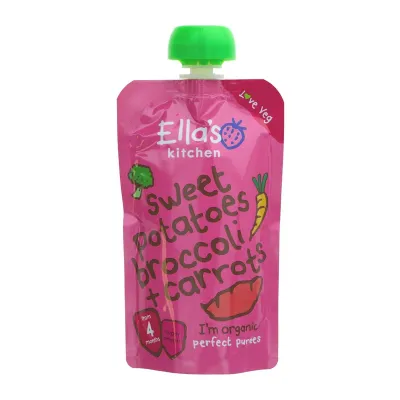
Prices are valid at publication and may change. Please refer to the product page for the latest price.
As your baby grows and begins to show signs of advanced oral readiness, such as chewing motions and the ability to sit unsupported, you can transition to thicker textures. Textured purees and mashed carrots introduce variety and encourage jaw development. These intermediate formats help bridge the gap between liquid nutrition and solid table foods.
For older babies who have developed the pincer grasp—the ability to pick up small objects between the thumb and index finger—organic carrot puffs and soft snacks become appropriate. These finger foods are formulated to dissolve quickly in the mouth, minimizing choking risks while allowing infants to practice self-feeding. They also support hand-eye coordination and fine motor skill development.
Before introducing any new format, it is essential to observe your baby’s specific developmental milestones rather than relying solely on age guidelines. Consult your pediatrician to confirm that your baby is physically ready for textured foods or self-feeding snacks. Always check the manufacturer’s packaging, which typically outlines the specific developmental stage, such as “supported sitter” or “crawler,” required for safe consumption.
Key Criteria for Evaluating Organic Carrot Products
When comparing organic carrot baby food options, the ingredient list should be your primary point of evaluation. High-quality products feature simple, transparent ingredient profiles with minimal components. Ideally, a pureed carrot product should list organic carrots and water as the only ingredients, ensuring your baby receives pure vegetable nutrition without unnecessary dilution.

Avoid products that contain added sugars, salt, or artificial preservatives, as these are unnecessary for infants and can influence their long-term taste preferences. Thickeners and fillers, such as cornstarch, tapioca flour, or rice flour, are sometimes added to bulk up purees. While these ingredients are generally safe, they reduce the overall concentration of carrots and lower the nutritional density of the serving.
Sodium levels should be checked carefully, particularly in processed carrot snacks and puffs. Infants have immature kidneys that cannot process high amounts of salt, so any added sodium is undesirable. Look for products that state “no added salt” or show negligible sodium levels on the nutrition facts panel.
True organic status must be verified through official certification rather than relying on self-declared claims on the front of the packaging. Authentic organic baby foods carry the seal of a recognized certification body, which guarantees that the carrots were grown without synthetic pesticides, herbicides, or genetically modified organisms. This verification is crucial for minimizing your baby’s exposure to agricultural chemical residues.
How to Read and Verify Baby Food Labels
Reading a baby food label requires looking past promotional slogans to find verified regulatory marks. Look for prominent logos from established organic certification bodies, such as the United States Department of Agriculture (USDA) Organic seal, the European Union Organic leaf, or equivalent national standards. These symbols indicate that the product has met strict production, handling, and processing standards from farm to shelf.
Allergen statements are another critical component of the label that requires close inspection. Even if a carrot puree does not contain common allergens like dairy, gluten, soy, or nuts, it may have been processed in a facility that handles these ingredients. If your baby has a known sensitivity or a family history of allergies, look for explicit “allergen-free” labels or precautionary statements regarding shared manufacturing equipment.
The ingredient list is organized by weight, meaning the first ingredient listed is present in the highest quantity. For carrot-based foods, organic carrots should always be the first item on the list. If a product is marketed as a carrot blend, check the order of ingredients to ensure carrots are not outnumbered by sweeter fruit bases like apple or pear puree, which can mask the vegetable flavor.
Finally, always inspect the physical packaging for safety indicators before purchase. Check the expiration or “best before” date to ensure the product is fresh, and examine the batch codes, which are vital in the event of a product recall. For glass jars, ensure the safety button on the lid is down and pops only when opened; for pouches, verify that the plastic seal is intact and the packaging is not bloated or leaking.
Where to Source Organic Baby Food in Singapore
In Singapore, parents have access to a wide range of retail channels for purchasing organic baby food, ranging from physical stores to online platforms. Premium supermarkets and specialized baby boutiques are excellent options for in-person shopping. These retailers typically maintain strict quality control and climate-controlled storage, which is vital for preserving the shelf life of organic products in Singapore’s warm and humid climate.
When shopping online, established e-commerce platforms and official brand stores offer convenience and home delivery. However, purchasing from online marketplaces requires extra vigilance to ensure product authenticity and safety. Always verify the seller’s credentials, looking for authorized distributor badges, high ratings, and positive customer feedback that specifically mentions packaging quality and delivery standards.
Avoid buying baby food from unverified third-party sellers or parallel importers who cannot guarantee how the products were stored or transported. Exposure to extreme heat during shipping or warehousing can compromise the vacuum seal of pouches and jars, leading to premature spoilage or bacterial growth. If a price seems unusually low compared to official retail rates, treat it as a warning sign.
Upon receiving your delivery or selecting items in-store, perform a physical inspection of each product. Check that pouches are firm and do not yield to gentle pressure, which could indicate a micro-puncture or seal failure. For jars, verify that the vacuum seal is intact and that there are no cracks in the glass. If you notice any defects, contact the retailer immediately for a replacement rather than risking your baby’s health.
Safe Feeding Practices and Storage Guidelines
Introducing organic carrot baby food requires adhering to strict safety and hygiene practices to protect your baby’s developing immune system. Active caregiver supervision is mandatory during every feed, regardless of the food format. Even highly soluble carrot puffs or smooth purees can present a choking hazard if a baby swallows prematurely or attempts to eat while distracted or lying down. Ensure your baby is seated upright in a secure high chair during meals.
When feeding purees from a pouch or jar, avoid feeding your baby directly from the container if you plan to save the remainder for later. Saliva from the spoon introduces bacteria into the food, which can multiply rapidly even when refrigerated. Instead, spoon a small portion into a clean bowl and feed from there, discarding any leftovers remaining in the bowl after the meal.
Unopened organic baby food pouches and jars should be stored in a cool, dry pantry away from direct sunlight and heat sources. Once opened, any unused portion must be refrigerated immediately. Most manufacturers recommend consuming refrigerated leftovers within 24 to 48 hours; always consult the specific product packaging for the exact storage window.
Before serving stored baby food, inspect it for any signs of spoilage. An unusual sour odor, discoloration, separation of liquids that does not resolve with stirring, or a bloated container are clear indicators that the food is no longer safe. If you observe any of these signs, or if a pouch has been left at room temperature for more than two hours, discard it immediately to prevent foodborne illness.
Frequently Asked Questions (FAQ)
Can I make my own organic carrot puree at home?
Yes, making organic carrot puree at home is a straightforward process that allows you to control every ingredient. Start by sourcing certified organic raw carrots from reputable local markets or organic grocers in Singapore. Wash, peel, and steam the carrots until they are completely tender, then blend them with a small amount of breast milk, formula, or cooled boiled water to achieve a completely smooth texture. Because homemade purees do not undergo commercial pasteurization, they must be stored with care. Keep homemade puree in an airtight container in the refrigerator for no more than 48 hours, or freeze it in small, individual portions for up to three months to maintain freshness and safety.
Are organic carrot puffs a choking hazard?
Organic carrot puffs are specifically designed to dissolve quickly when they come into contact with saliva, making them a popular choice for babies learning to self-feed. However, they can still pose a choking hazard if they are introduced before a baby is developmentally ready or if the baby is left unsupervised. Ensure your baby has mastered the physical readiness signs, such as sitting independently and demonstrating a chewing motion, before offering puffs. Always supervise your baby closely during snack time, ensuring they take only one puff at a time. If your baby shows any signs of coughing, gagging, or distress, stop feeding immediately and assist them.

Community discussion
Share your experience or ask a question. Comments are reviewed before publication.