
When searching for safe hair care products for your children in Singapore, you might look for options labeled as “HSA-certified.” However, under Singapore’s regulatory framework, standard kids’ conditioners are classified as cosmetic products, which means they do not receive an official “certification” or “approval” from the Health Sciences Authority (HSA). Instead, local importers and manufacturers must submit a cosmetic product notification to the HSA before these items can be legally sold on the market. This notification process ensures that the products comply with safety standards and do not contain prohibited substances, but it is distinct from the rigorous registration required for therapeutic or medical treatments.
Understanding this distinction is crucial for parents who want to make informed decisions about their children’s grooming routines. Rather than searching for a non-existent certification seal, you should focus on verifying that a conditioner has been properly notified to the HSA and contains ingredients suitable for young, sensitive scalps. By learning how to navigate the local regulatory landscape, read product labels, and identify reputable retail channels, you can confidently select safe and effective hair care products that suit your child’s needs in Singapore’s warm, humid climate.
Understanding HSA Regulations for Kids' Hair Care
To protect consumers, the HSA regulates health and beauty products using a risk-based approach that categorizes items according to their intended use and formulation. Children’s hair conditioners generally fall under the category of cosmetic products, which are defined as substances intended to be placed in contact with the external parts of the human body for cleansing, perfuming, or altering the appearance. Because standard conditioners are designed simply to detangle, soften, and moisturize hair, they are subject to the Cosmetic Products Notification system rather than the stricter registration processes applied to medicines or therapeutic devices.
Products mentioned in this guide
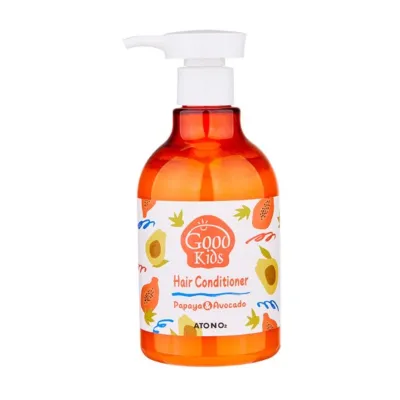
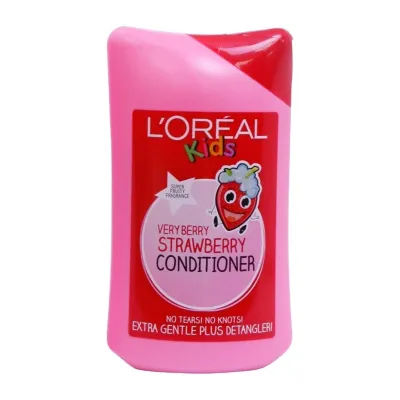
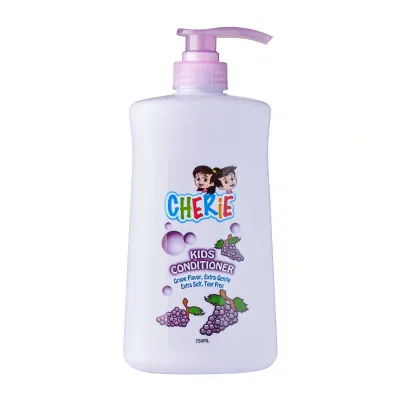
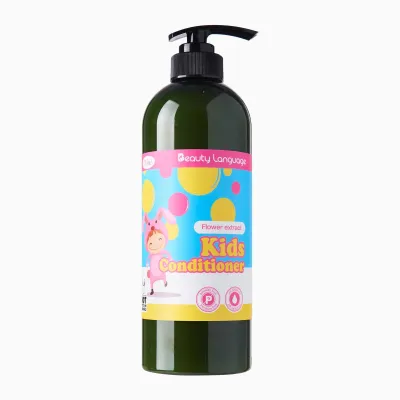
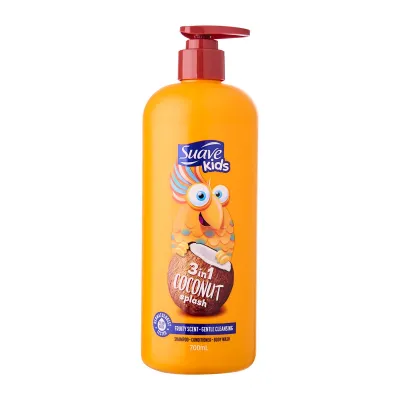
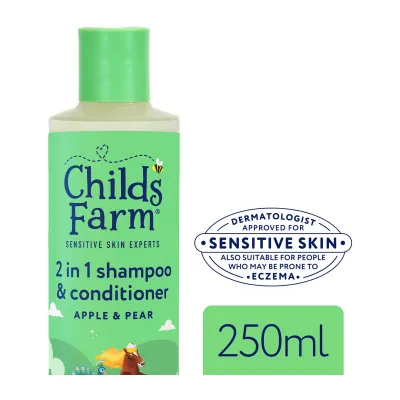
Prices are valid at publication and may change. Please refer to the product page for the latest price.
Under the cosmetic notification system, the company responsible for placing the product on the Singapore market—whether a local manufacturer, distributor, or importer—must notify the HSA before selling the item. This notification requires the company to declare the product’s ingredients, manufacturing details, and safety compliance. While the HSA does not pre-approve or test every cosmetic product before it hits the shelves, the notification system allows the authority to maintain a comprehensive registry of products on the market, facilitate rapid recalls if safety issues arise, and hold local companies accountable for the safety of their imports.
In contrast, therapeutic products are those formulated to prevent, diagnose, or treat specific medical conditions. If a kids’ hair product claims to cure severe scalp eczema, eliminate fungal infections, or treat head lice, it is no longer classified as a simple cosmetic. Instead, it must undergo a rigorous registration process as a therapeutic product or medical device, requiring clinical evidence of efficacy and safety before approval. For everyday hair care, parents should look for standard notified cosmetics, reserving therapeutic products for situations where a pediatrician has diagnosed a specific medical condition.
Because of these regulatory definitions, any marketing claim that a standard kids’ conditioner is “HSA-approved” or “HSA-certified” is technically inaccurate and can be a red flag. The HSA explicitly prohibits cosmetic companies from using its name to imply product endorsement or superior quality. When evaluating products, parents should look for confirmation that the importer has successfully submitted the mandatory cosmetic notification, which indicates that the product is legally registered for sale and subject to local safety monitoring.
How to Verify HSA Compliance Before You Buy
Verifying the regulatory status of a kids’ conditioner in Singapore is a straightforward process that parents can perform independently using official online resources. The HSA maintains a public database of notified cosmetic products, which can be accessed through their official government portal. By entering the exact brand name, product name, or the name of the local importer into the search database, you can verify whether a specific conditioner has a valid, active notification. If a product is missing from this database, it may be an unauthorized import or a counterfeit that has bypassed local safety checks.

In addition to online verification, a physical inspection of the product packaging provides critical clues about its compliance and authenticity. Under Singapore’s cosmetic regulations, all notified products must feature clear, legible labeling in English. The label must display the full ingredient list, the batch number or manufacturing code, the country of manufacture, and the name and address of the local company responsible for placing the product on the market. This local contact information is vital, as it ensures there is a registered entity in Singapore held legally accountable for the product’s safety and quality.
When examining a bottle of kids’ conditioner, parents should also be vigilant for specific red flags that suggest a product may not be compliant with HSA guidelines. One major warning sign is the presence of medical claims on a standard cosmetic label, such as promises to cure psoriasis, heal open wounds, or stimulate rapid hair growth. Under local advertising guidelines, cosmetic products cannot make therapeutic claims. If a product label or online listing uses exaggerated medical language, it is highly likely that the product has not been properly notified or is operating outside of legal regulatory boundaries.
Another common issue in Singapore’s diverse retail market is the prevalence of parallel imports that lack localized labeling. While parallel imports of genuine products are legal, they must still comply with local notification and labeling laws. If you purchase a kids’ conditioner that features no English translation, lacks local importer details, or has its batch numbers scratched off, you cannot verify its storage history or authenticity. These products may have been exposed to extreme heat during transit, compromising the stability of their preservatives and active ingredients.
Key Ingredients and Formulation Checks for Children's Hair
While verifying HSA compliance ensures a product meets basic legal safety standards, parents must also evaluate the formulation to ensure it is gentle enough for a child’s developing skin. Children’s scalps are thinner, more sensitive, and produce less natural sebum than adult scalps, making them highly susceptible to irritation and dryness. When selecting a conditioner, it is wise to avoid harsh surfactants and strong sulfates, such as sodium lauryl sulfate (SLS), which can strip away natural moisture and cause scalp flaking or itching.
Preservatives are necessary in water-based hair products to prevent the growth of harmful bacteria and mold, especially in Singapore’s warm, humid bathrooms. However, certain preservatives are known sensitizers and should be avoided in children’s products. Ingredients like methylisothiazolinone (MIT), methylchloroisothiazolinone (MCI), and formaldehyde-releasing agents have been linked to contact dermatitis in young children. Instead, look for milder preservative systems, such as sodium benzoate or potassium sorbate, which effectively protect the product without irritating delicate skin.
Synthetic fragrances and artificial colorants are also common culprits behind pediatric scalp irritation and allergic reactions. Children’s conditioners should ideally be fragrance-free or scented only with very low concentrations of non-sensitizing, natural extracts. When reviewing the ingredient list, look for beneficial, lightweight moisturizing agents that nourish the hair without leaving a heavy residue. Ingredients such as aloe vera juice, chamomile extract, jojoba oil, and panthenol (pro-vitamin B5) are excellent choices that help soothe the scalp and smooth the hair cuticle.
The local climate in Singapore also plays a significant role in how a conditioner performs on your child’s hair. High humidity can cause fine hair to become limp and greasy, while curly or coarse hair may become frizzy and tangled. For fine hair, choose a lightweight, rinse-out conditioner that focuses on detangling without heavy plant butters. For thick, curly, or highly textured hair, a slightly richer formula containing shea butter or argan oil can help lock in moisture and protect the hair shaft from environmental humidity, keeping tangles at bay without causing scalp buildup.
Where to Safely Purchase Authentic Kids Conditioners in Singapore
To guarantee that the kids’ conditioner you purchase is authentic, properly stored, and fully compliant with HSA regulations, you should buy from reputable, authorized retail channels. Established physical pharmacy chains, major supermarkets, and department stores in Singapore maintain strict quality control standards and source their inventory directly from authorized local distributors. These retailers ensure that products are transported and stored in temperature-controlled environments, preserving the integrity of the formulations before they reach your home.
If you prefer the convenience of online shopping, it is safest to purchase from official brand websites or authorized flagship stores hosted on major e-commerce platforms. Many reputable brands operate official virtual storefronts that guarantee product authenticity and provide direct customer support. When shopping on digital marketplaces, look for verification badges that indicate a seller is an authorized retailer or official brand partner, and avoid purchasing from unverified third-party sellers who cannot prove the origin of their stock.
Buying from unauthorized third-party sellers, unverified social media shops, or unregulated parallel imports carries significant risks. These sellers often source their products from overseas markets where formulation standards, storage conditions, and expiration dates may differ from those approved in Singapore. In some cases, products sold at unusually low prices may be counterfeit, containing unauthorized ingredients or contaminated batches that pose serious health risks to your child.
To protect your family, always evaluate the price of a kids’ conditioner in S$ before making a purchase. If a premium product is listed at a price that seems too good to be true, it is highly likely to be a counterfeit or an expired item. Additionally, check the seller’s return policy and customer reviews, looking for feedback regarding product packaging, consistency, and scent. Upon delivery, inspect the bottle to ensure the safety seal is intact, the batch number is clearly printed, and the local importer’s details are present, confirming that the product has entered Singapore through legitimate, regulated channels.
Frequently Asked Questions (FAQ)
Do all kids' conditioners need an HSA registration number on the bottle?
No, standard kids’ conditioners do not require an HSA registration number to be printed on the bottle. Because they are classified as cosmetic products rather than therapeutic medicines, they undergo a notification process rather than a formal registration. While they do not carry a registration number, they must legally display the name and address of the local importer or manufacturer on the label. This information ensures regulatory traceability and allows parents to verify that the product has been properly notified to the HSA before being offered for sale.
Can I use adult conditioner on my child if it is HSA-compliant?
It is generally not recommended to use adult conditioners on young children, even if the products are fully compliant with HSA regulations. Adult hair care products are formulated for mature scalps and hair, often containing higher concentrations of strong fragrances, synthetic silicones, and active ingredients designed to address concerns like color preservation or intense damage repair. These formulations can be too heavy for a child’s fine hair and may cause irritation, buildup, or allergic reactions on their delicate, sensitive scalps. Children’s conditioners are specifically formulated with milder, tear-free ingredients to match their unique physiological needs.

Community discussion
Share your experience or ask a question. Comments are reviewed before publication.