
Managing a child’s tangled hair in Singapore’s hot and humid climate can be a daily struggle. Active outdoor play, frequent sweat, and regular swimming sessions in chlorinated pools often leave delicate hair dry, knotted, and difficult to comb. While a kids’ hair detangler is a practical solution to ease styling and prevent painful tugging, parents must prioritize safety when choosing these leave-in products. Because children’s scalps are highly sensitive and more permeable than adult skin, verifying the regulatory status and safety profile of any hair care product sold locally is a crucial step for every caregiver.
Many parents search for “HSA-certified” kids’ hair detanglers, assuming that the Health Sciences Authority (HSA) of Singapore conducts rigorous pre-market testing and issues safety certificates for these items. However, the regulatory landscape for cosmetics in Singapore operates differently. Understanding how the HSA regulates children’s personal care products, how to verify their notification status, and how to identify safe ingredients will empower you to make informed, secure purchasing decisions for your family.
Understanding HSA Regulations for Children's Hair Care
In Singapore, children’s hair detanglers, leave-in conditioners, and styling sprays fall under the regulatory category of cosmetic products. The Health Sciences Authority regulates these items under the Health Products Act and the Health Products (Cosmetic Products) Regulations, which align with the ASEAN Cosmetic Directive. This framework dictates that cosmetic products sold in Singapore do not undergo a pre-market approval or certification process by the government. Instead, the responsibility lies with the local company—whether an importer, manufacturer, or distributor—to submit a product notification to the HSA before placing the product on the market.
Products mentioned in this guide
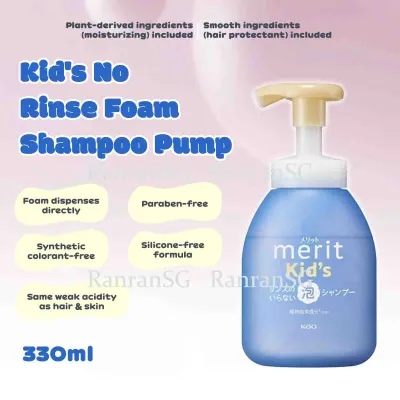
Prices are valid at publication and may change. Please refer to the product page for the latest price.
This distinction between certification and notification is vital for parents to understand. When a product is successfully notified, it means the local company has declared to the HSA that the product complies with all safety standards, contains only permitted ingredients within legal limits, and is manufactured under good manufacturing practices. The HSA maintains a registry of these notified products but does not physically test every bottle before it reaches store shelves. Instead, the authority relies on a robust post-market surveillance system, conducting random testing, monitoring adverse reaction reports, and ordering immediate recalls if a product is found to contain harmful substances.
The regulatory scrutiny is particularly strict for products intended for children, especially those under three years of age. Children’s skin and scalps are significantly thinner and less developed than those of adults. Their skin barrier is more permeable, making them highly susceptible to absorbing topical chemicals into their bloodstream. Furthermore, their immune systems are still developing, which increases the risk of contact dermatitis, allergic reactions, and systemic toxicity from cumulative exposure to harsh chemicals. Consequently, the ASEAN Cosmetic Directive imposes much tighter restrictions on specific preservatives, colorants, and active ingredients in formulations designed for infants and young children.
When evaluating a kids’ hair detangler, parents should look for products that have been officially notified to the HSA by a reputable local distributor. This notification serves as a legal assurance that the product has been vetted against regional safety standards and that there is a registered local entity accountable for its safety. Relying on unnotified products, such as those purchased from unauthorized overseas sellers, exposes your child to unregulated formulations that may contain banned ingredients, heavy metals, or excessive levels of restricted preservatives.
Step-by-Step Guide to Verifying Product Registration
Verifying whether a kids’ hair detangler is legally notified in Singapore is a straightforward process that parents can perform online. The HSA provides a public, searchable database of all notified cosmetic products, allowing you to confirm a product’s regulatory status before making a purchase. To begin, navigate to the official Health Sciences Authority website and locate the online services section, then select the database for notified cosmetic products.

Once you access the database, you can search for the detangler using several parameters. The most effective search terms are the exact product name or the brand name. Because cosmetic names can sometimes be registered under slightly different variations, try searching for the brand name first to see a list of all notified products under that label. If the product is legally registered for sale in Singapore, the search results will display the product name, the name of the local notification holder (the company responsible for importing or distributing it), and the country of manufacture.
In addition to online verification, you can inspect the physical packaging of the detangler for compliance indicators. Under Singapore regulations, all cosmetic products must feature English labeling on their packaging. This label must clearly state the product’s full ingredient list, the batch number, the country of manufacture, and the name and address of the local company responsible for placing the product on the market. The presence of a local distributor’s address is a strong indicator that the product has gone through the official notification process, as this company is legally required to register the product with the HSA.
If your online search yields no results, or if the physical packaging lacks local distributor details and English ingredient lists, the product may not be officially notified for sale in Singapore. This often occurs with parallel imports, where third-party sellers bypass official distribution channels to bring in stock from other regions. While some parallel imports may be genuine, they have not been vetted by a local notification holder under Singapore’s specific regulatory standards. In worse cases, the product could be a counterfeit or an unregulated formulation. If you suspect a product is unregistered or counterfeit, avoid purchasing it and consider reporting the listing to the HSA to protect other consumers.
Ingredient Safety Checklist for Kids' Detanglers
Even when a kids’ hair detangler is properly notified, parents should still review the ingredient list to ensure the formulation suits their child’s specific skin type and hair texture. A reliable ingredient safety checklist helps you identify potential irritants and select nourishing, gentle alternatives. When reading a product label, remember that ingredients are listed in descending order of concentration, meaning the first five to ten ingredients make up the vast majority of the formula.
First, identify and avoid harsh chemical irritants that are commonly found in adult hair care but are unsuitable for children. Sulfates, such as sodium lauryl sulfate (SLS) and sodium laureth sulfate (SLES), are strong surfactants that strip the hair and scalp of natural oils, leading to dryness and irritation. Certain parabens (like propylparaben and butylparaben) used as preservatives should be avoided due to concerns over potential endocrine disruption. Formaldehyde-releasing preservatives, such as DMDM hydantoin, imidazolidinyl urea, and quaternium-15, are known contact allergens and should be bypassed in favor of safer preservation systems. Additionally, avoid products containing high concentrations of synthetic fragrances and artificial colorants, which are leading causes of allergic contact dermatitis on sensitive young scalps.
Instead, look for beneficial, soothing ingredients that naturally lubricate the hair shaft to ease combing without causing irritation. Plant-derived conditioning agents are excellent alternatives to heavy synthetic silicones. Look for ingredients like aloe vera leaf juice, glycerin, and panthenol (Pro-Vitamin B5), which draw moisture into the hair shaft and improve elasticity. Lightweight natural oils, such as jojoba seed oil, argan oil, and sweet almond oil, provide excellent slip, helping to smooth out knots while nourishing the scalp. If silicones are used, look for water-soluble options like dimethicone copolyol, which are easier to wash out and less likely to cause buildup on a child’s fine hair.
To interpret the ingredient list accurately, look for products labeled as “dermatologically tested,” “hypoallergenic,” or “pediatrician-approved.” While these terms are helpful indicators, they are not standardized regulatory claims, so the ingredient list remains your most reliable source of truth. If your child has highly sensitive skin or a history of eczema, always perform a patch test before full application. Apply a small coin-sized amount of the detangler to the inside of your child’s forearm or behind their ear, leave it on for 24 hours, and monitor the area for any signs of redness, swelling, or itching.
Where to Safely Buy Authentic Hair Care Products in Singapore
To ensure you are purchasing authentic, HSA-notified kids’ hair detanglers, you must choose your retail channels carefully. The safest and most reliable option is to buy directly from established local brick-and-mortar pharmacies, such as Guardian, Watsons, or Unity. These major chains have strict quality control protocols and source their inventory directly from authorized local distributors or official brand manufacturers. This guarantees that the products on their shelves have been legally notified to the HSA and stored under appropriate temperature-controlled conditions to maintain their efficacy and safety.
Official brand stores and authorized flagship stores on major e-commerce platforms are also highly secure options. When shopping online, look for the platform’s official mall or preferred seller badges, which indicate that the seller’s identity and business registration have been verified. These official digital storefronts are typically managed by the brand’s local subsidiary or its appointed distributor, ensuring you receive genuine products that comply with Singapore’s regulatory standards.
Conversely, purchasing from unauthorized third-party sellers on general online marketplaces carries significant risks. Red flags to watch out for include unusually low prices that are significantly below the standard retail price, listings that use stock images instead of actual product photos, and sellers shipping directly from overseas without a local business address. These products may be counterfeit, expired, or formulated for overseas markets with different ingredient regulations. When buying from online marketplaces, always check the seller’s ratings, read customer reviews focusing on product authenticity, and ask the seller directly if their stock is HSA-notified and sourced from the local authorized distributor. If they cannot provide clear answers or proof of local distribution, it is safest to purchase elsewhere.
Frequently Asked Questions (FAQ)
Are all kids' hair detanglers considered cosmetics by the health authority?
Yes, the Health Sciences Authority classifies standard kids’ hair detanglers, leave-in conditioners, and styling sprays as cosmetic products. These products are designed to clean, perfume, change the appearance of, or protect the external parts of the human body, including the hair and scalp. However, if a detangling product makes therapeutic claims—such as claiming to treat scalp eczema, cure dandruff, or eliminate head lice—it crosses the boundary from a cosmetic into a therapeutic product or a medical device. Therapeutic products are subject to a much more rigorous registration and evaluation process by the HSA before they can be sold, and they must meet strict standards for efficacy and safety.
What should I do if my child has an allergic reaction to a detangler?
If your child experiences an allergic reaction, such as redness, itching, swelling, or a rash on their scalp, neck, or face, immediately stop using the product. Gently but thoroughly wash your child’s hair and scalp with lukewarm water and a mild, fragrance-free baby shampoo to remove any remaining residue. Monitor their symptoms closely. If the reaction is severe, covers a large area, or causes discomfort, consult a pediatrician or a qualified medical professional promptly. Bring the product packaging with you to the clinic so the doctor can review the ingredient list. You can also report the adverse reaction to the HSA through their online reporting portal for consumers, which helps the authority track product safety and take regulatory action if necessary.

Community discussion
Share your experience or ask a question. Comments are reviewed before publication.