
Choosing the best reusable toddler training pants in Singapore involves matching the fabric design to your child’s developmental stage, verifying the fit against their physical measurements, and selecting materials suited for the local humid climate. While many international and local brands are available in Singapore, the ideal choice is not a single universal brand, but rather the one that fits your toddler’s current accident frequency and your household’s laundry routine. Parents should focus on verifying product specifications, checking manufacturer sizing charts, and sourcing from authorized local distributors to ensure material safety and product authenticity.
Why Switch to Reusable Training Pants?
Reusable training pants serve as a vital developmental bridge between highly absorbent diapers and regular underwear. Unlike disposable diapers that use superabsorbent polymers to lock moisture away instantly, reusable pants allow toddlers to feel the physical sensation of dampness immediately after an accident. This sensory feedback is a crucial part of the cognitive learning process, helping the child connect the physiological urge to urinate with the physical sensation of being wet, which ultimately accelerates their potty training progress.
From an environmental perspective, switching to reusable options significantly reduces household waste. In Singapore, where urban waste management and sustainability are growing priorities, minimizing the use of single-use disposable pull-ups helps reduce the volume of non-biodegradable waste sent to landfills. Additionally, while the upfront cost of a reusable stash is higher than a single pack of disposables, the long-term financial savings are substantial, especially since potty training can span several months or even a year.
Products mentioned in this guide
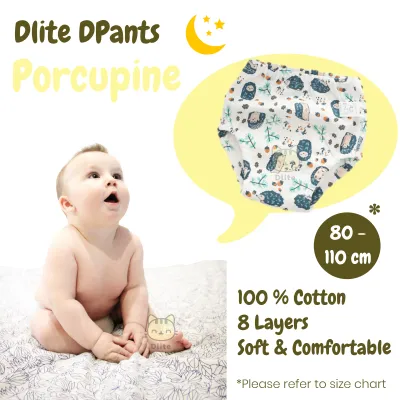
![[SG Ready Stock] Baby Toilet Training Pants 6 Layers Cotton Toddler Kid Potty Training Underwear Washable Cloth Diaper Children Day Gifts](https://img.lazcdn.com/g/p/3987f2eec680cd64554d9932f24c6993.jpg_400x400q80.jpg_.webp)
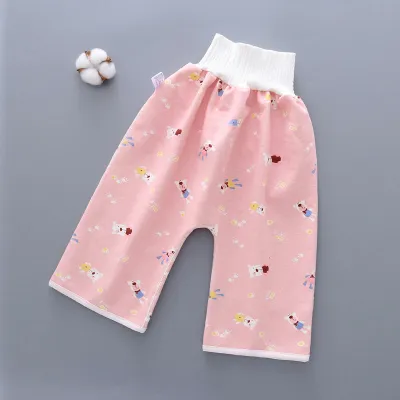
![[SG Ready Stock] Baby Toddler Girls Boys 6 Layer Cotton Toilet Potty Training Pants Rewashable Underwear Diapers [Little Gems] BLO005](https://img.lazcdn.com/g/p/2a916066007ab405e641b91f01fdee67.jpg_400x400q80.jpg_.webp)
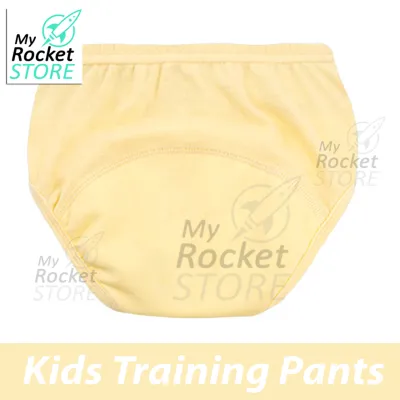
Prices are valid at publication and may change. Please refer to the product page for the latest price.
It is important for parents to understand that reusable training pants have a different containment capacity than standard diapers. They are specifically engineered to catch small leaks and minor accidents, giving the toddler enough time to realize they need to go and walk to the toilet. They are not designed to absorb a full, heavy bladder release without leaking, and expecting them to perform like a high-capacity diaper can lead to frustration and unnecessary cleanups.
Key Features to Evaluate Before Buying
When evaluating different brands of toddler training pants, the quality of the fit and elasticity is paramount. Look for gentle, covered elastics around the waist and thighs that provide a secure seal without digging into the skin. In Singapore’s warm and humid climate, tight or harsh elastics can trap sweat and cause friction, leading to painful red marks or chafing. The elastics must be durable enough to withstand frequent washing while remaining soft and pliable for active toddlers.

Ease of use is another critical factor that varies by design. Standard pull-up styles mimic real underwear, which helps build confidence and independence as toddlers learn to pull them up and down on their own during toilet visits. However, side-snapping designs are incredibly practical for managing messy accidents. If a toddler has a solid accident, side snaps allow caregivers to lay the pants flat and remove them easily without sliding the mess down the child’s legs or requiring them to take off their shoes.
Some brands incorporate subtle wetness indicators to assist caregivers and toddlers. These can range from external fabric patterns that change color slightly when damp to internal layers that make the wetness more obvious to the child without causing immediate discomfort. While not strictly necessary, these visual and physical cues can help you monitor your child’s progress more closely during the initial stages of training.
Sizing accuracy is highly variable across different manufacturers, as some brands use age ranges while others rely on weight or specific physical measurements. Because toddlers of the same age can have vastly different body shapes, always measure your child’s current weight and thigh circumference before purchasing. Compare these measurements directly against the manufacturer’s official size chart rather than relying on generic size labels, and verify if the brand tends to run small or large based on user feedback.
Comparing Materials and Absorbency Designs
The choice of inner lining material directly affects how quickly your child feels an accident and how their skin reacts to moisture. Synthetic stay-dry liners, such as microfleece or polyester suedecloth, wick moisture away from the skin quickly. While this is beneficial for toddlers with highly sensitive skin who are prone to diaper rash, it can delay the potty training feedback loop. Natural fibers like organic cotton, bamboo terry, or hemp allow the child to feel the dampness immediately, providing the necessary sensory feedback while being gentle on sensitive skin.
Absorbent cores come in built-in or modular designs, each suited to different stages of the training process. Built-in padding, often consisting of several layers of cotton or microfiber sewn directly into the crotch, offers a trim fit that feels like regular underwear, making it ideal for active daytime play. Modular insert systems feature pockets or snaps that allow you to customize the absorbency level by adding extra inserts, which is highly useful for nap times, car rides, or transit when a higher volume of liquid might need to be contained.
To prevent wetness from transferring to clothing, bedding, and furniture, look for training pants with an integrated waterproof outer layer. This layer is typically made of Polyurethane Laminate (PUL) or Thermoplastic Polyurethane (TPU). These materials provide an effective waterproof barrier while maintaining a degree of breathability, which is essential for preventing heat rash and maintaining skin health in tropical climates.
Building a Practical Potty Training Stash
To calculate the optimal number of reusable training pants for your household, consider your child’s typical daily accident frequency and your laundry schedule. For a toddler just beginning their potty training journey who may have four to six accidents a day, a stash of 8 to 12 pairs is recommended if you plan to wash laundry every other day. If you wash laundry daily, a smaller stash of 6 to 8 pairs may be sufficient to ensure you always have a clean pair on hand.
Mixing different absorbency levels and styles within your stash is highly practical. You can use trim, lightly padded cotton pants during active daytime hours at home when you are close to a toilet, and keep a few highly absorbent or pocket-style pants ready for nap times, outings, or preschool. This hybrid approach ensures your child remains comfortable and protected across different environments without requiring an excessively large stash of a single style.
When sourcing reusable training pants in Singapore, always purchase from authorized local distributors, official brand stores, or reputable baby retailers. This ensures you receive genuine products made from safe, certified materials that comply with international safety standards. Buying through official channels also provides access to reliable customer support, accurate product documentation, and clear warranty terms if you encounter any manufacturing defects.
Washing and Care Routine for Longevity
Establishing a proper washing routine is essential for maintaining hygiene, preventing persistent odors, and preserving the integrity of the waterproof layers. Begin by running a cold pre-wash or rinse cycle to flush out urine and solid waste before the main wash. Follow this with a warm main wash cycle using a residue-free detergent, ensuring you strictly adhere to the manufacturer’s recommended temperature limits, as excessively hot water can damage the waterproof TPU or PUL laminate.
Avoid using fabric softeners, fabric conditioners, or dryer sheets, as these products leave a chemical residue on the fabric fibers that severely reduces the absorbency of the inner lining over time. Similarly, avoid chlorine bleach and high-heat drying cycles, which can degrade the elastic bands and cause the waterproof lining to crack or delaminate. Line drying in a well-ventilated area is the best way to dry reusable pants, though you should avoid exposing the waterproof layers to intense, direct midday sunlight for extended periods.
If you notice lingering odors or find that liquid is repelling off the inner lining instead of absorbing, the fabric may have a buildup of detergent or minerals. You can troubleshoot this by running a hot wash cycle without any detergent to strip the buildup from the fibers. If your child develops skin irritation or persistent redness, stop using the training pants immediately, verify your washing routine to ensure all detergent is being rinsed out, and consult a qualified healthcare professional if the irritation persists.
Frequently Asked Questions (FAQ)
Can reusable training pants hold a full bladder release?
No, reusable training pants are not designed to contain a full bladder release. Their primary purpose is to catch small leaks and provide sensory feedback so the toddler learns to recognize the need to use the toilet. If your child regularly experiences full voids without warning, or if you are planning a long outing without easy toilet access, consider using a more absorbent option, adding a booster insert, or temporarily using a diaper to prevent leaks.
How do I know if the training pants are too tight or too loose?
You can determine if the fit is correct by performing a quick physical check after your child wears the pants for a short period. If you notice deep red marks or indentations around their thighs or waist, the pants are too tight and may cause chafing or restrict circulation. Conversely, if there are visible gaps between the leg cuffs and your child’s skin when they stand or sit, the pants are too loose and will likely leak during an accident. The waistband should sit comfortably on the hips without slipping down when the child moves.
Are cloth training pants suitable for nighttime potty training?
Nighttime bladder control is a developmental milestone that occurs naturally as a child’s body matures, and it is distinct from daytime training. Because toddlers release a much larger volume of urine during deep sleep, standard cloth training pants are generally not absorbent enough for overnight use. For nighttime, it is often more practical and restful for both parent and child to use highly absorbent, dedicated night diapers or specialized reusable night pants with heavy-duty inserts, rather than risking wet bedding and interrupted sleep.

Community discussion
Share your experience or ask a question. Comments are reviewed before publication.