
Choosing the right toddler training pants is a major milestone in your child’s developmental journey, especially if you are trying to minimize your household’s carbon footprint. In Singapore, where eco-conscious parenting is steadily growing, switching from single-use disposable pull-ups to reusable cloth alternatives represents a powerful step toward zero-waste living. The best reusable training pants for Singaporean parents combine sustainable materials like organic cotton, bamboo lyocell, or recycled polyester with practical, high-performing designs that can withstand the local tropical climate. Brands such as GroVia, Blueberry, and Close Parent are highly regarded choices available through local specialty baby boutiques and online marketplaces, offering a balance of absorbency, breathability, and ease of use.
Transitioning to cloth training pants requires understanding your toddler’s unique physical cues, your household laundry routine, and the specific material properties that suit Singapore’s high humidity. By selecting the right style—whether it is a premium organic cotton pant, a quick-drying bamboo blend, or an adjustable hybrid system—you can support your toddler’s independence while significantly reducing landfill waste.
Why Choose Reusable Training Pants for Potty Training?
One of the most compelling reasons to choose reusable toddler training pants is the immediate and drastic reduction in environmental waste. Traditional disposable pull-up diapers contain synthetic plastics, wood pulp, and chemical super-absorbent polymers that take hundreds of years to decompose in landfills. Because the potty training phase can last anywhere from several months to over a year, a single toddler can go through hundreds of disposable pull-ups. Switching to washable cloth alternatives prevents this massive volume of plastic-heavy waste from entering Singapore’s waste management systems, aligning your daily parenting routines with a more sustainable lifestyle.
Products mentioned in this guide
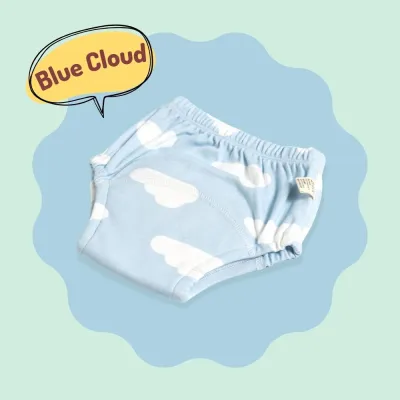
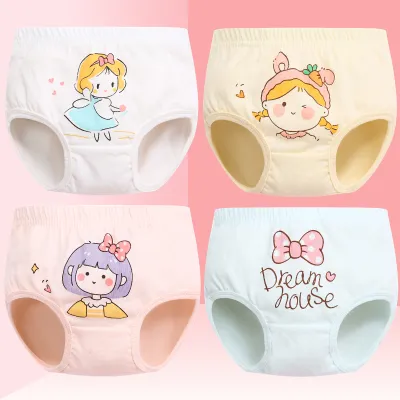
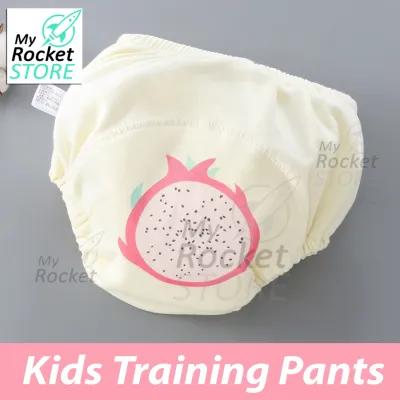
![[Ship from SG] Baby Toddler Kids Children Leakproof urine cloth pants diaper training pants towel potty](https://img.lazcdn.com/g/p/608fa14350bd4a8bb46f9b042bd989f0.jpg_400x400q80.jpg_.webp)
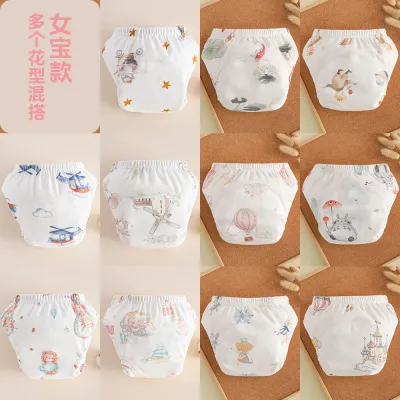
Prices are valid at publication and may change. Please refer to the product page for the latest price.
Beyond the environmental benefits, reusable training pants offer a distinct developmental advantage that can accelerate the potty training process. Disposable pull-ups are designed to lock away moisture instantly, leaving the toddler feeling completely dry even after an accident. While this is convenient, it delays the sensory connection between bladder release and the physical sensation of wetness. Reusable cloth training pants allow your toddler to feel a slight, temporary dampness when they wet themselves. This immediate sensory feedback helps them connect the physical urge to go with the result, fostering cognitive awareness of their bodily functions and encouraging them to use the toilet sooner.
Financial savings represent another major benefit for families. While the upfront cost of purchasing a stash of high-quality reusable training pants is higher than buying a single pack of disposables, the long-term savings are substantial. A typical toddler may require only 8 to 12 reusable pants in total, which can be washed and reused thousands of times. If these garments are cared for properly, they can also be passed down to younger siblings or resold in local parenting communities, further reducing the lifetime cost of diapering and potty training.
How We Selected the Best Eco-Friendly Training Pants
To identify the most reliable and sustainable options for parents in Singapore, we evaluated brands across several key dimensions, starting with material integrity. We prioritized products made from natural, renewable, and certified sustainable fibers, such as Global Organic Textile Standard (GOTS) certified organic cotton, bamboo lyocell, and hemp. These materials are grown without harmful pesticides and processed using methods that minimize environmental toxicity. We also examined whether the brands hold independent certifications, such as Oeko-Tex Standard 100, which ensures the finished textile is free from harmful levels of toxic chemicals and safe for sensitive toddler skin.

Functionality in Singapore’s unique climate was another critical selection criterion. Because Singapore experiences high temperatures and humidity year-round, toddler training pants must be exceptionally breathable to prevent heat rashes and skin irritation. We analyzed the thickness and construction of the absorbent cores, ensuring they provide enough protection to catch small accidents without being so bulky that they restrict movement or take days to dry. The ease with which a toddler can pull the pants up and down independently was also heavily weighted, as self-dressing is a vital part of building confidence during potty training.
Finally, we considered local availability and supply chain reliability. A product is only a viable solution if parents in Singapore can easily purchase it without facing exorbitant international shipping fees or long customs delays. We focused on brands that are regularly stocked by trusted local distributors, eco-friendly baby boutiques, or reliable online marketplaces. This ensures that if you need to expand your stash or replace a size quickly, you can do so through accessible and secure local retail channels.
Top Reusable Training Pants Categories for Eco-Conscious Parents
Premium Organic Cotton Options
Premium organic cotton training pants are widely considered a reliable standard for toddlers with highly sensitive skin or those prone to eczema. Organic cotton is cultivated without synthetic fertilizers or hazardous pesticides, resulting in a pure, hypoallergenic fiber that feels incredibly soft against a toddler’s skin. Because it undergoes minimal chemical processing, organic cotton retains its natural breathability, allowing air to circulate freely around your child’s delicate hip and groin areas. This high breathability is particularly beneficial in Singapore’s tropical climate, where trapped moisture can quickly lead to painful chafing or yeast infections.
For parents seeking top-tier organic cotton, brands like Blueberry Trainers and GroVia My Choice Trainers are excellent examples to verify. Blueberry Trainers feature a plush, multi-layer organic cotton pad sewn directly into the wetness zone, combined with a hidden waterproof layer to protect outer clothing. GroVia My Choice Trainers offer a unique design with a soft organic cotton inner lining and stretchy side panels, giving toddlers the feel of real underwear while maintaining reliable leak protection. These brands focus on premium construction that maintains its shape and softness even after dozens of hot washes.
The primary absorbency mechanism in these premium options relies on multiple layers of woven cotton canvas or terry cloth. This design is highly effective at catching a single, sudden bladder release, giving you enough time to guide your toddler to the toilet before a major leak occurs. Because these pants mimic the fit and feel of standard underwear, they help toddlers transition mentally away from the bulky feeling of baby diapers.
Things to Verify Before Buying:
- Sizing Charts: Organic cotton has very little natural stretch compared to synthetic blends; always measure your toddler's thighs and waist and compare them to the brand's official sizing guide.
- Drying Times: Thick, multi-layered organic cotton is highly absorbent but takes significantly longer to air dry in Singapore's humid air; verify if you have adequate drying space or access to a low-heat dryer.
- Material Blends: Some brands blend organic cotton with polyester or nylon for stretch; check the exact material percentages on the official store listing if you require 100% organic fibers against the skin.
Bamboo-Blend and Quick-Dry Alternatives
Bamboo-blend training pants are highly favored by parents looking for an ultra-soft, silky texture and natural performance features. Bamboo fibers possess inherent moisture-wicking properties, pulling dampness away from the skin while still leaving enough sensory feedback for the toddler to recognize they have had an accident. Additionally, bamboo is naturally odor-resistant, which helps manage the smell of damp training pants if you are out and about and cannot wash them immediately.
When evaluating bamboo options, it is important to understand the environmental nuances of how bamboo is processed into fabric. Most commercial bamboo fabric is bamboo viscose or rayon, which requires intensive chemical solvents to break down the woody plant fibers into soft threads. For a more sustainable choice, look for brands that utilize closed-loop lyocell processing, where the non-toxic solvents are recycled and reused repeatedly, or brands certified by Oeko-Tex to ensure no harmful chemical residues remain. Close Parent Pop-in training pants are a popular bamboo-blend option available in Singapore, featuring a fast-absorbing bamboo viscose inner layer coupled with a waterproof outer shell.
In Singapore’s humid climate, the drying time of your laundry is a constant practical concern. Bamboo-blend fabrics often dry faster than thick, pure organic cotton weaves, especially when blended with a small percentage of quick-drying polyester. This faster turnover rate means you can maintain a smaller overall stash of training pants, saving both money and storage space in your home.
Things to Verify Before Buying:
- Bamboo Percentage: Check the product label to verify the exact percentage of bamboo versus synthetic fibers, as highly synthetic blends may feel less breathable.
- Washing Restrictions: Bamboo fibers can weaken when wet and are sensitive to high heat; verify the manufacturer's recommended washing temperature to prevent premature wear.
- Pilling Tendency: Soft bamboo knits can develop minor pilling over time with heavy friction; verify if the brand recommends washing them inside a mesh laundry bag.
Adjustable and Hybrid Systems for Extended Use
For parents focused on maximizing the lifespan of their purchases, adjustable and hybrid training pants offer unparalleled versatility. Toddlers grow at highly unpredictable rates, and standard sized training pants can quickly become too tight around the thighs or waist, forcing parents to buy an entirely new set of larger sizes. Adjustable systems solve this problem by incorporating snap-down rises, adjustable waist elastics, or stretchy, interchangeable side panels that allow a single pair of pants to grow with your child over several months or even years.
Hybrid systems take this adaptability a step further by combining a reusable, waterproof outer cover with customizable inner absorbency. Brands like SuperUndies and GroVia feature designs where you can adjust the level of protection based on the situation. For example, you can use the pant as a lightweight, thin trainer during active daytime hours at home, and then snap or slide in an extra absorbent cotton or hemp booster pad for car rides, afternoon naps, or outings where immediate changes might be difficult. This modular approach minimizes the total number of individual items you need to buy, making it an exceptionally eco-friendly and cost-effective strategy.
These systems are also highly practical for toddlers who are in daycare or under the care of multiple relatives. The side snaps allow caregivers to easily remove soiled pants like a traditional diaper if a larger accident occurs, preventing the mess of pulling wet pants down the child’s legs.
Things to Verify Before Buying:
- Weight and Size Limits: Check the manufacturer's specified weight range for the adjustable snaps to ensure they will accommodate your child's current growth stage and body shape.
- Insert Compatibility: If buying a hybrid system, verify whether it requires proprietary brand-specific inserts or if it can accommodate standard cloth diaper boosters you may already own.
- Bulkiness: Stretchy side panels and snap systems can sometimes add bulk under fitted toddler clothing; verify if the adjusted fit fits comfortably under your child's regular wardrobe.
Comparing Key Features of Sustainable Training Pants
To help you decide which style fits your household’s daily routine, the table below outlines the primary differences between the main categories of eco-friendly training pants available in Singapore.
| Category / Brand Type | Primary Eco-Material | Absorbency Style | Drying Time Estimate (Singapore Climate) | Best For |
|---|---|---|---|---|
| Premium Organic Cotton | GOTS-Certified Organic Cotton | Built-in multi-layer cotton gusset | Slow to Medium (Requires good air circulation) | Toddlers with highly sensitive skin or eczema |
| Bamboo-Blend | Bamboo Viscose or Closed-Loop Lyocell | Built-in bamboo-blend pad | Medium (Faster than pure cotton) | Parents prioritizing silky softness and odor control |
| Adjustable & Hybrid Systems | Recycled Polyester TPU / Cotton / Hemp | Pocket opening or snap-in booster pads | Fast (When inserts are washed separately) | Heavy wetters, naptime use, and growing toddlers |
When choosing between these options, consider the balance between absorbency and laundry turnover. In Singapore’s high-humidity environment, thick, one-piece organic cotton pants will take longer to line dry indoors compared to hybrid systems where the absorbent insert can be removed and hung separately. If you do not have access to a clothes dryer or outdoor drying space with direct sunlight, opting for bamboo blends or hybrid systems with removable inserts will make your laundry routine much more manageable and prevent the need for an excessively large, expensive stash of pants.
Caring for and Washing Cloth Training Pants in Singapore's Climate
Maintaining a clean, hygienic washing routine is essential to protect your toddler’s skin and ensure your reusable training pants last through the entire potty training journey. The standard eco-friendly routine begins with solid waste management: any solid waste must be dumped directly into the toilet, and the pants should be pre-rinsed. For the main wash, use a mild, residue-free laundry detergent that does not contain fabric softeners, optical brighteners, or synthetic enzymes, as these additives can coat the natural fibers, reduce absorbency, and cause skin irritation. Run a thorough rinse cycle to ensure all soap residue is completely cleared from the dense absorbent layers.
Singapore’s tropical climate poses unique challenges for cloth laundry, primarily due to high humidity levels that can slow down drying times. If training pants remain damp for too long, they become breeding grounds for mildew, mold, and ammonia-producing bacteria, which cause persistent odors and painful diaper rashes. To combat this, ensure your laundry area has excellent air circulation. Using a standing fan to blow air directly over your drying rack, running a dehumidifier in your indoor drying space, or hanging the pants near an open window can drastically speed up drying times and keep fabrics smelling fresh.
Sunlight is a highly effective, natural disinfectant and stain remover, but it must be used with care. Hanging your washed training pants in direct Singapore sunlight can help bleach out stubborn yellow stains and kill residual bacteria. However, prolonged, intense UV exposure can degrade the delicate polyurethane laminate (PUL) waterproof outer layers and damage the elastic waistbands over time. To protect your investment, hang the pants with the inner absorbent lining facing the sun directly, while keeping the outer waterproof shell shaded or turned away from the harshest midday rays.
Before implementing any washing routine, always consult the specific care label sewn into your training pants. Different brands use distinct material blends and laminates that may have strict temperature limits or chemical restrictions. Violating these care instructions can delaminate the waterproof barrier, melt elastic components, and void any manufacturer warranties, leaving you with leaky, unusable garments.
Transitioning from Diapers to Reusable Training Pants
Transitioning your toddler from diapers to reusable training pants is a significant developmental step that should be approached with patience and positive reinforcement. Before introducing training pants, look for clear signs of physical and cognitive readiness. These signs include your toddler showing curiosity about the toilet, staying dry for two hours or more during the day, communicating when they are currently wetting their diaper, or expressing discomfort when their diaper is soiled. Forcing the transition before your child is physically ready can lead to frustration and setbacks for both parent and child.
It is vital to manage expectations and understand that accidents are a completely normal and necessary part of the learning process. Reusable training pants are designed to catch small leaks and dribbles as your child learns to recognize the urge to go; they are not intended to absorb a full, heavy bladder release like a standard overnight diaper. When you first introduce the pants, start with short, low-stress periods at home where your toddler can easily access the potty. Avoid using them during long car rides, grocery store trips, or stressful outings until your child has established a consistent routine of using the toilet at home.
Every child develops at their own unique pace, and potty training is not a race. If you notice persistent resistance, physical discomfort, or if your child seems anxious about the process, it is perfectly acceptable to pause and try again in a few weeks. If you have ongoing concerns about your child’s physical development, bladder control, or readiness milestones, consult your pediatrician or a qualified healthcare professional for personalized guidance tailored to your toddler’s needs.
Frequently Asked Questions (FAQ)
How many pairs of reusable training pants do I need?
For most families, starting with a stash of 8 to 12 pairs of toddler training pants is ideal. This quantity allows for roughly 3 to 4 accidents per day over a two-day period, while giving you a realistic window to wash and dry the soiled pairs. If you wash laundry daily or have a highly efficient clothes dryer, you may comfortably manage with 6 to 8 pairs. Conversely, if you rely solely on indoor line drying in Singapore’s humid weather, keeping 12 to 15 pairs on hand ensures you never run out of clean options while waiting for wet laundry to dry.
Can I use reusable training pants overnight?
Standard reusable training pants are generally not recommended for overnight use or during long naps. Because they feature a trimmed-down absorbent core designed to let toddlers feel wetness, they do not possess the heavy-duty absorbency required to hold a full bladder release over several hours of sleep. For nighttime protection, it is best to use dedicated overnight cloth diapers, which feature thick, highly absorbent layers wrapped in a fully waterproof shell. Alternatively, you can insert a heavy-duty hemp or bamboo booster pad into a hybrid training pant, provided the manufacturer’s design allows for extra inserts without compromising the leg seals.
Are bamboo training pants truly eco-friendly?
Bamboo training pants can be an exceptionally eco-friendly choice, but it depends heavily on how the fibers are processed. While bamboo is a highly renewable, fast-growing crop that requires minimal water and no pesticides, converting the tough stalks into soft fabric often involves intensive chemical processing (resulting in bamboo viscose or rayon). To ensure you are buying a truly sustainable product, look for brands that utilize closed-loop processing methods, such as bamboo lyocell, which recycles the processing water and solvents. Additionally, check for independent certifications like Oeko-Tex Standard 100 or organic certifications, which verify that the finished textile is safe from harmful chemical residues.
Community discussion
Share your experience or ask a question. Comments are reviewed before publication.