
Selecting a postpartum belly wrap in Singapore requires balancing physical recovery needs, daily comfort in a tropical climate, and your personal budget. While many brands are marketed as essential recovery solutions, the right choice depends entirely on your individual healing process, delivery method, and lifestyle. Instead of relying on generic rankings or universal recommendations, comparing wraps based on structural support, material breathability, and long-term value ensures you find a safe and effective option for your postpartum journey.
Every postpartum body heals differently, meaning a wrap that works well for one person may cause discomfort or inadequate support for another. By understanding the mechanical differences between various designs and materials, you can make an informed decision that supports your abdominal muscles and lower back without compromising your skin health or physical mobility.
Key Factors for Comparing Postpartum Belly Wraps
When evaluating the postpartum belly wraps available through local pharmacies, specialty maternity stores, and online marketplaces, you should focus on three primary dimensions: structural support, material comfort, and overall value. Structural support refers to how effectively the wrap stabilizes your core and lower back. Material comfort determines whether you can wear the wrap for extended periods without skin irritation, while overall value reflects how well the product adapts to your changing body over time.
Products mentioned in this guide
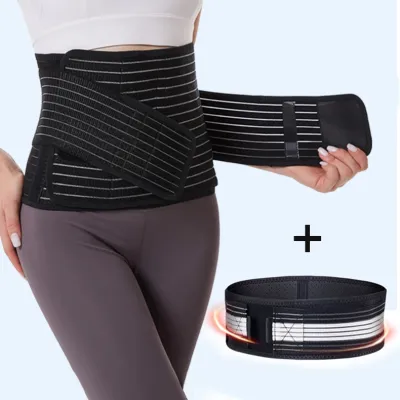
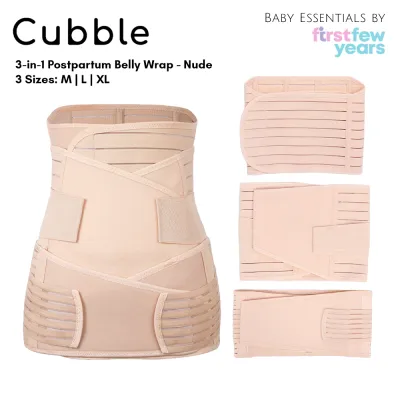
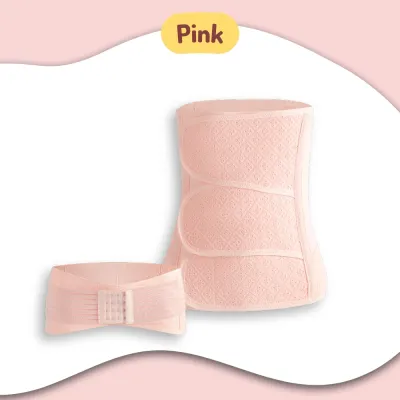
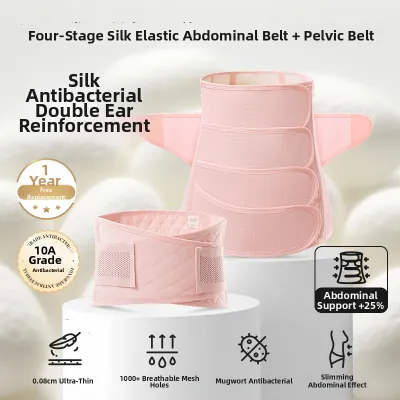
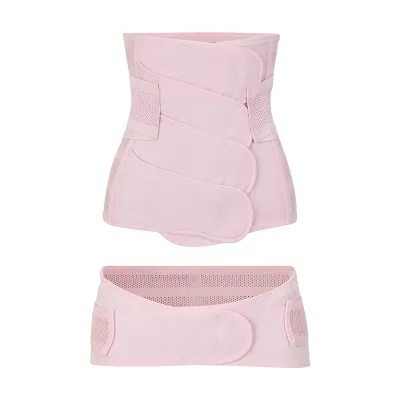
![[READY STOCK] Women High Waist Slim Girdle Pant Control Panties Corset Munafie Bengkung Perempuan Post Pregnancy](https://img.lazcdn.com/g/p/a73ff4e392e64be696b8076dc0871b91.jpg_400x400q80.jpg_.webp)
Prices are valid at publication and may change. Please refer to the product page for the latest price.
Your delivery method plays a critical role in determining your physical needs. For those who have undergone a C-section, the primary concern is protecting the surgical incision from friction and pressure while providing gentle abdominal support. In contrast, those recovering from a vaginal delivery may require more targeted compression around the pelvis and lower abdomen to support ligament recovery and pelvic floor stability.
Before purchasing or wearing any postpartum support garment, it is essential to consult your obstetrician, gynecologist, or a women’s health physiotherapist. Healthcare professionals can verify when it is safe for you to begin wearing a wrap, especially if you experienced complications during delivery. Additionally, always review the manufacturer’s specific guidelines regarding sizing, application, and safety warnings to prevent improper usage.
Evaluating Support Levels and Recovery Needs
Postpartum belly wraps utilize different closure systems to provide compression, and comparing these systems is key to finding the right level of support. Adjustable velcro panels are highly common because they allow you to customize the tightness across different sections of your torso. Some wraps feature a single wide band, while others use a three-stage or multi-strap system that lets you independently adjust the compression around your stomach, waist, and pelvis. Multi-strap systems generally offer superior customization as your body changes shape during the early weeks of recovery.

Another critical structural element to consider is the presence of support stays or boning. Some wraps incorporate flexible plastic or light metal inserts in the back panel to encourage upright posture and relieve lower back pain, which is particularly helpful when sitting to breastfeed. However, highly rigid structural elements can restrict your natural range of motion and make daily tasks, such as bending over to care for your baby, uncomfortable. If daily mobility is your priority, a fully flexible elastic wrap without rigid inserts may be more suitable.
While compression can provide comfort and stability, it is vital to recognize the safety limits of these garments. A wrap should provide gentle, supportive compression rather than extreme restriction. If a wrap causes pain, restricts your breathing, or creates downward pressure on your pelvic floor, it is too tight or improperly positioned. Stop using the wrap immediately if you experience any of these symptoms, as excessive pressure can impede your natural healing process and weaken your core muscles over time.
Assessing Comfort, Breathability, and Skin Safety
Singapore’s hot and humid climate makes material selection one of the most important factors in your comparison. Wearing a thick, non-breathable wrap can trap sweat and heat against your skin, leading to heat rash, contact dermatitis, or wound complications near a C-section incision. When comparing brands, look for lightweight, porous fabrics such as bamboo-derived viscose, open-weave elastic mesh, or cotton blends. Some premium wraps also feature hypoallergenic certifications, which are worth verifying if you have sensitive skin or a history of eczema.
Seam construction and edge softness are equally important for preventing skin chafing. Inspect the wrap’s edges to ensure they are plush or flat-locked rather than stiff and scratchy. Stiff edges can dig into your hips or ribs when you sit down, causing painful red marks and skin irritation. If you are recovering from a C-section, ensure the inner lining of the wrap is completely smooth and free of exposed velcro or rough seams that could catch on your incision site.
Maintaining proper hygiene is essential when wearing a support garment close to your skin daily. Because these wraps absorb sweat and skin oils, they require regular washing to prevent bacterial growth. Before buying, check the manufacturer’s care instructions to see if the wrap is machine-washable or requires hand-washing. Keep in mind that frequent washing can cause lower-quality elastics to stretch out or velcro closures to lose their grip, so verifying the durability of the materials under regular cleaning is crucial for long-term use.
Understanding Price Ranges and Value for Money
Postpartum belly wraps in Singapore generally fall into three distinct price tiers, reflecting differences in materials, design complexity, and durability. Basic wraps typically cost under S$40 and are usually simple, single-panel elastic bands with basic velcro closures. While these are highly accessible and suitable for short-term, light support, they may roll up at the edges, lose their elasticity quickly, or lack the breathability needed for comfortable wear in warm weather.
Mid-range wraps, priced between S$40 and S$90, often feature multi-strap adjustment systems, breathable mesh panels, and softer interior linings. These wraps are widely available at local maternity specialty stores and major pharmacies, offering a balanced combination of structural support and daily comfort. Premium wraps, which can cost anywhere from S$90 to over S$150, typically utilize medical-grade compression fabrics, advanced ergonomic designs, and certified hypoallergenic materials. These high-end options are engineered to maintain their shape and elasticity through months of continuous wear and frequent washing.
To evaluate the true value for money, consider how well a wrap accommodates your changing postpartum body. A wrap with wide adjustability or a multi-piece system can be tightened progressively as your uterus shrinks and your abdominal wall recovers, eliminating the need to purchase a smaller size a few weeks into your recovery. Additionally, some premium wraps offer multi-use potential, transitioning from a pregnancy support belt to a postpartum recovery wrap, which can justify a higher initial investment.
Decision Framework: Choosing the Right Wrap for You
To finalize your choice, match your specific recovery circumstances and lifestyle to the structural and material features of the wraps you are comparing. If you are recovering from a C-section, prioritize wraps with ultra-soft inner linings, gentle compression, and designs that sit well above or completely cover the incision without rubbing. If you have a highly active lifestyle or need to return to daily chores quickly, look for a highly breathable, flexible wrap without rigid boning that allows for comfortable movement and bending.
Before adding a postpartum belly wrap to your cart, use this verification checklist to ensure a safe and successful purchase:
- Check the Sizing Chart: Measure your current waist and hip circumference, and compare them directly to the manufacturer's specific sizing guide. Do not rely on your pre-pregnancy clothing size, as postpartum sizing varies widely between brands.
- Verify the Return Policy: Because postpartum wraps are considered intimate apparel, many local retailers and online platforms do not accept returns or exchanges once the packaging has been opened. Confirm the store's policy before purchasing.
- Confirm Medical Clearance: Ensure your healthcare provider has cleared you to use a compression garment, particularly if you have any pre-existing back issues, pelvic floor dysfunction, or are recovering from a complicated delivery.
By systematically comparing support structures, material breathability, and pricing tiers against your personal recovery needs, you can select a postpartum belly wrap that safely and comfortably assists your body’s natural healing process.
Frequently Asked Questions (FAQ)
How long should I wear a postpartum belly wrap each day?
You should always follow the specific manufacturer instructions and the advice of your healthcare provider regarding daily wear limits. Many professionals recommend starting with short intervals of one to two hours per day to monitor how your body responds, gradually increasing wear time if comfortable. Avoid wearing a wrap continuously for 24 hours a day, as your core muscles need time to engage and rebuild strength naturally without external support. If you experience any numbness, tingling, increased pain, or difficulty breathing, remove the wrap immediately.
Can I wear a belly wrap while sleeping or exercising?
It is generally recommended to remove your postpartum belly wrap while sleeping. Sleeping in a compression garment can restrict your circulation, impede deep diaphragmatic breathing, and prevent your core muscles from relaxing and recovering naturally. For exercise, light walking while wearing a supportive wrap is generally safe and can provide helpful pelvic stability. However, you should avoid wearing highly restrictive wraps during strenuous exercise or core-targeted workouts, as your body must rely on its own muscle activation to perform these movements safely.
Do postpartum belly wraps help with diastasis recti?
Postpartum belly wraps provide temporary external support and can help improve your posture, which may make managing the symptoms of diastasis recti (abdominal separation) more comfortable. However, a wrap is not a cure or a medical treatment for this condition. True recovery and closure of abdominal separation require targeted physical therapy, core-strengthening exercises, and professional guidance from a qualified physiotherapist. Relying solely on a compression wrap without active rehabilitation will not restore the deep muscle strength needed to resolve diastasis recti.

Community discussion
Share your experience or ask a question. Comments are reviewed before publication.