
Selecting the right pee pad for toddlers requires looking beyond brand names and focusing on the technical specifications that dictate absorbency, leak protection, and skin safety. As toddlers grow, diaper changes become more challenging due to increased liquid volume and active movement on the changing table. A high-quality pee pad acts as a critical barrier, protecting both your nursery furniture and your child’s sensitive skin from moisture-related irritation.
To make an informed decision, parents must evaluate how different brands construct their absorbent cores, secure their waterproof backings, and formulate their top sheets. This guide provides a structured framework to compare popular toddler pee pads based on verifiable label indicators, material science, and practical usage scenarios, helping you choose the most effective option for your home.
Core Criteria for Comparing Absorbency and Leak Protection
The primary function of any toddler pee pad is to absorb liquid rapidly and prevent it from spreading. When comparing different brands, the composition of the absorbent core is the most critical factor to analyze. Most disposable pads rely on a combination of fluff pulp and superabsorbent polymers (SAP) to manage moisture.
Products mentioned in this guide
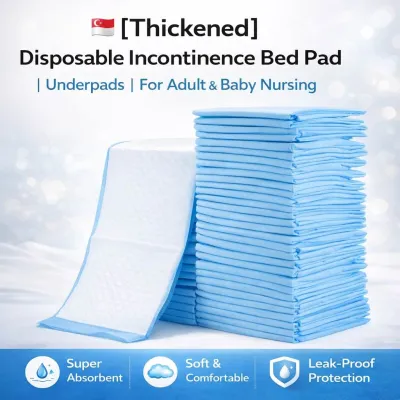
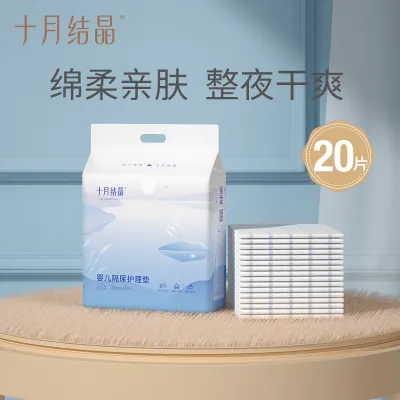
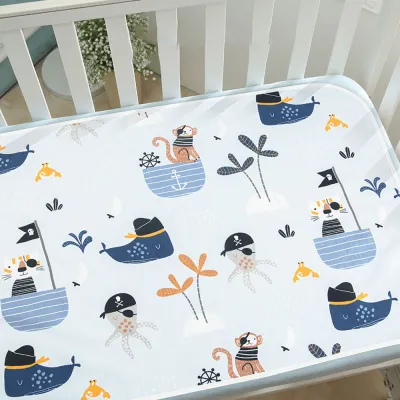
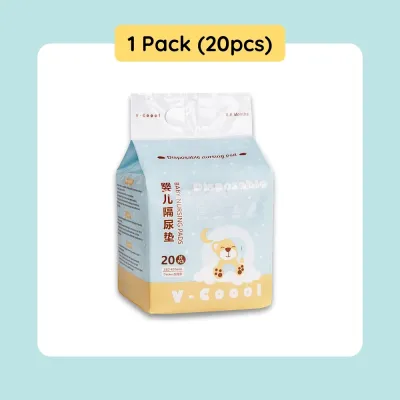
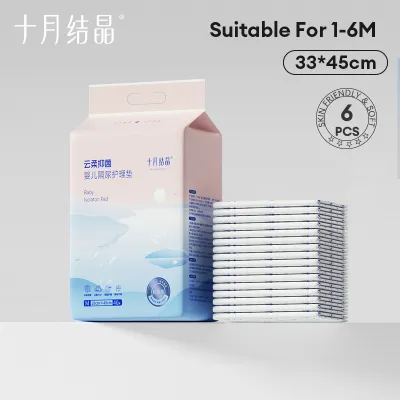
Prices are valid at publication and may change. Please refer to the product page for the latest price.
Fluff pulp, derived from wood fibers, provides the initial loft and quick-wicking capability of the pad. However, fluff pulp alone has limited capacity and tends to bunch up or release liquid when subjected to the weight of an active toddler. Superabsorbent polymers, on the other hand, are tiny beads designed to absorb many times their weight in liquid, transforming the moisture into a stable gel. When evaluating capacity claims on product packaging, look for brands that specify a high ratio of SAP to fluff pulp, as this ensures the pad can lock away larger volumes of liquid without backflow.
Leak-proof barrier designs are equally vital for protecting your changing table or mattress. High-quality pads feature hydrophobic side barriers or raised edges that channel liquid toward the center of the pad, preventing lateral runoff. The bottom layer must consist of a reliable waterproof backing, typically made from polyethylene (PE) or polyurethane laminate (PUL). When comparing brands, inspect the thickness and flexibility of this backing; a robust, non-porous barrier ensures that no moisture seeps through to the underlying surface, even during heavy output.
Surface dryness is another essential performance metric that directly impacts your toddler’s comfort. The top-sheet material, which comes into direct contact with the skin, should be made of a hydrophilic non-woven fabric that allows liquid to pass through quickly while remaining dry to the touch. Quilted or embossed patterns on the top sheet help distribute liquid evenly across the core, accelerating absorption and preventing pooling. When comparing brands, look for those that highlight a “dry-touch” or “quick-dry” top layer, as this minimizes the time moisture remains in contact with your toddler’s skin.
Quality and Safety Indicators to Verify on the Label
Beyond basic absorbency, the overall build quality and chemical safety of a pee pad are paramount for safeguarding your toddler’s health. Because a toddler’s skin barrier is still developing, it is highly susceptible to irritation from synthetic additives and harsh manufacturing processes.

When reviewing product packaging, prioritize brands that carry independent dermatological certifications. Labels indicating that a product is “dermatologically tested,” “hypoallergenic,” or certified by recognized third-party safety organizations provide a layer of reassurance. These designations suggest that the materials used have undergone testing to minimize the risk of allergic reactions and skin sensitization.
Durability is another key indicator of quality, particularly during active diaper changes. A toddler who wiggles, kicks, or rolls can easily tear a flimsy pee pad, rendering its waterproof backing useless. To assess durability, look for pads with multi-layered construction and reinforced edges. High-quality disposable pads often feature a tear-resistant backing that maintains its integrity even when subjected to friction and movement. For reusable options, check the stitching quality along the borders to ensure the layers will not separate after multiple wash cycles.
Chemical safety is a critical consideration when selecting any product that contacts your child’s skin. Many commercial pads contain added fragrances, lotions, or chemical dyes designed to mask odors or improve appearance. However, these additives are common triggers for contact dermatitis and diaper rash. Parents should carefully verify that the product label explicitly states the pads are free from chlorine, phthalates, parabens, artificial fragrances, and latex. Choosing fragrance-free and elemental chlorine-free (ECF) pads reduces the chemical load on your toddler’s skin and supports a healthier nursery environment.
Matching Pad Features to Your Toddler’s Needs
Every toddler has unique physical and behavioral characteristics, meaning a pad that works well for one family may not be ideal for another. To find the perfect match, parents should align specific pad features with their toddler’s daily routines and skin sensitivity.
For toddlers who produce a high volume of liquid or for situations where diaper changes are prolonged, high-capacity polymer pads are the most reliable choice. These pads utilize advanced SAP technology to lock away substantial amounts of moisture quickly, making them ideal for overnight changes or transition periods during potty training. The rapid gel-locking mechanism ensures that the surface remains dry, preventing leaks even under pressure.
If your toddler has highly sensitive skin or is currently experiencing a diaper rash flare-up, prioritize pads with ultra-soft, highly breathable top sheets. In Singapore’s warm and humid climate, choosing a pad with high breathability is particularly important to prevent heat rash and keep your toddler comfortable. These pads often feature organic cotton or premium non-woven fibers that minimize friction against irritated skin. Enhanced breathability allows heat and moisture vapor to escape, maintaining a cooler, drier microclimate that supports natural skin healing.
For highly active toddlers who constantly move, twist, or attempt to crawl away during changes, standard pads can easily shift out of place. In these scenarios, look for pads equipped with strong adhesive strips on the backing or those featuring an anti-slip, high-friction texture. These features secure the pad firmly to the changing table surface, preventing bunching and ensuring continuous coverage throughout the change.
Before purchasing any pee pad in bulk, it is essential to verify that the dimensions are compatible with your specific changing table model. Measure the flat surface of your changing pad or table, including any contoured edges. Selecting a pad that is slightly larger than the flat area allows you to tuck the edges securely, providing comprehensive coverage and preventing liquid from slipping into the gaps between the changing pad and the table frame.
Practical Setup and Maintenance on Changing Tables
Proper setup and ongoing maintenance are crucial to maximizing the effectiveness of your chosen pee pad and preserving the condition of your nursery furniture. Even the most absorbent pad can fail if it is positioned incorrectly or if the underlying surface is neglected.
When placing a disposable or reusable pad on the changing table, ensure that the waterproof backing is facing down and fully flat. Pay close attention to the corners and seams of the changing table, as these are the areas most vulnerable to liquid runoff. If your changing table has raised safety barriers, position the pad so that it climbs slightly up the inner sides of these barriers, creating a secure basin that catches any stray splatters.
To prevent the pad from shifting during active toddler movements, utilize any built-in adhesive tabs by peeling off the protective backing and pressing them firmly onto the changing table cover. If your preferred brand does not include adhesive strips, you can place a thin, non-slip silicone mesh liner between the changing table and the pee pad. This simple addition increases friction and keeps the pad securely in place without leaving sticky residue on your furniture.
Regularly inspect the changing table surface beneath the pee pad to ensure long-term hygiene and furniture protection. Over time, micro-tears in disposable backings or degraded waterproof membranes in reusable pads can allow trace amounts of moisture to seep through unnoticed. This trapped moisture can damage wooden finishes, promote mold growth, or degrade the adhesive backing of changing table covers. Wipe down the changing table surface with a mild, child-safe sanitizer during your routine cleaning, and allow it to dry completely before laying down a fresh pee pad.
Frequently Asked Questions (FAQ)
Can I use regular baby changing pads for older toddlers?
While standard infant changing pads are suitable for newborns, they often fall short when used for older toddlers. Toddlers produce a significantly larger volume of urine, which can quickly overwhelm the limited absorbent capacity of smaller infant pads, leading to edge leaks. Additionally, toddlers are physically larger and more active, requiring a wider surface area to ensure they remain fully on the protected zone during diaper changes. Upgrading to a larger, high-capacity toddler-specific pad is recommended to prevent messes on your changing table.
How often should I replace a reusable toddler pee pad?
The lifespan of a reusable toddler pee pad depends on the quality of its materials and how frequently it is washed. Generally, you should inspect the pad after every wash cycle for signs of wear, such as thinning fabric, loose stitching, or micro-cracks in the waterproof backing layer. To test if the absorbent core is still functioning effectively, pour a small amount of water onto the pad; if the water pools on the surface or seeps straight through the backing, the pad’s integrity has compromised, and it should be replaced immediately.
Are thicker pee pads always more absorbent?
No, physical thickness is not a reliable indicator of a pee pad’s absorbency. Many traditional or lower-quality pads rely heavily on thick layers of fluff pulp, which look bulky but have limited capacity to lock away moisture under pressure. Modern, high-quality pads often feature a thinner profile because they utilize advanced superabsorbent polymers (SAP) that expand into a gel when wet. When comparing brands, focus on the presence of SAP and multi-layer construction rather than the physical thickness of the pad.

Community discussion
Share your experience or ask a question. Comments are reviewed before publication.