
Finding the right nappy for your baby often feels like a trial-and-error process, especially when faced with dozens of brands claiming superior absorbency and leak protection. While marketing campaigns frequently highlight proprietary technologies, the actual performance of a nappy depends on its physical construction, material composition, and how well its shape matches your baby’s unique body profile. Rather than relying on brand names alone, comparing nappies requires a close look at their core design, barrier elements, and suitability for different daily routines. By understanding these structural differences, caregivers can make informed decisions that keep babies dry, comfortable, and free from skin irritation.
Structural Features That Drive Absorbency
The core of any disposable nappy is its primary engine for moisture management. Traditionally, nappies relied on a thick blend of fluff pulp and Super Absorbent Polymer (SAP) to draw in and hold liquid. While effective, these traditional cores tend to swell unevenly, causing the nappy to sag and clump between the baby’s legs once saturated. Modern structural innovations have introduced channel-core designs, which use specialized stitching or pathways to distribute liquid evenly across the entire length of the absorbent core. This prevents pooling, maintains the structural integrity of the nappy, and allows the baby to move more freely even when the nappy is partially full.
The ratio of SAP to fluff pulp is the critical factor determining overall capacity. SAP consists of tiny, non-toxic sodium polyacrylate beads that can absorb many times their weight in liquid, locking it into a dry gel. When evaluating different brands, look at the manufacturer’s specifications regarding core thickness and layering. A thinner nappy does not necessarily mean lower absorbency; high-quality modern nappies often use a higher concentration of SAP and less fluff pulp to achieve a slim profile without sacrificing capacity. Caregivers should verify the manufacturer’s product details to see if they utilize multi-layer cores designed to separate the initial acquisition layer from the main storage layer.
Products mentioned in this guide
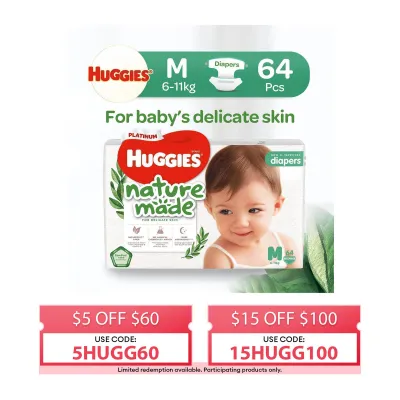
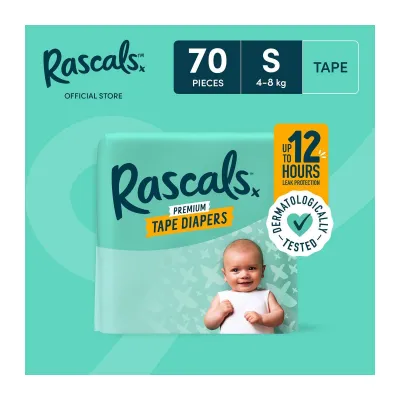
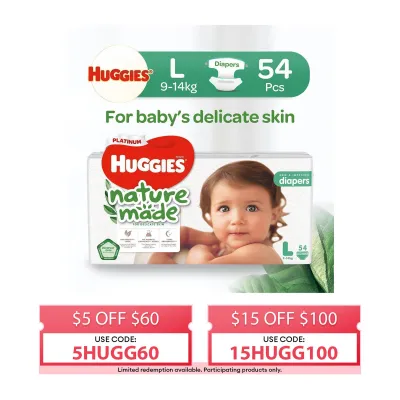
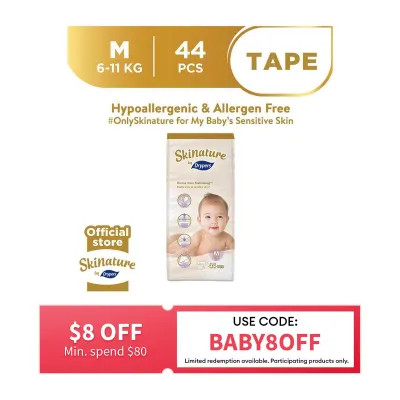
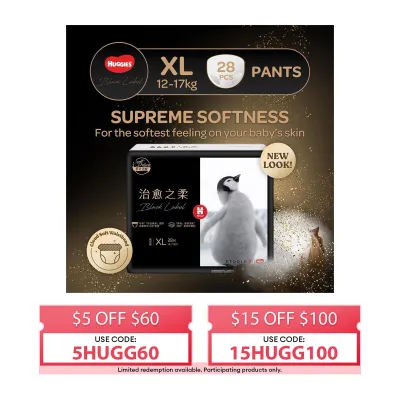
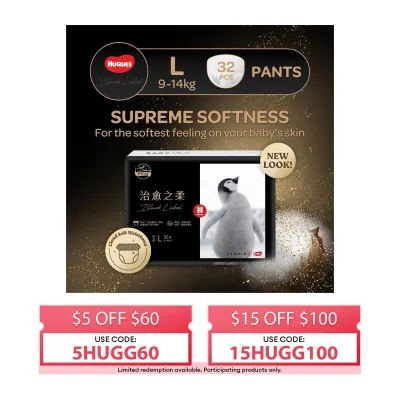

Prices are valid at publication and may change. Please refer to the product page for the latest price.
Beyond the core, the top-sheet—the layer in direct contact with the baby’s skin—plays a vital role in perceived dryness. High-performance top-sheets feature micro-perforations or structured 3D textures that quickly funnel liquid away from the surface, minimizing the time moisture sits against delicate skin. Many brands also integrate wetness indicators, which are external chemical strips that change color when exposed to moisture. While a wetness indicator is a secondary convenience feature rather than an active performance driver, it provides an immediate visual cue to help caregivers monitor saturation levels and prevent over-saturation leaks.
Design Elements Crucial for Leak Protection
Even the most absorbent core will fail if the nappy does not form a secure seal around the baby’s body. The primary defense against leg leaks is the leg cuff system, which typically features elasticated inner and outer gussets. Single-gusset designs offer a basic barrier, but double-gusset systems provide an extra layer of defense by creating two distinct elastic barriers around the thighs. When putting on a nappy, it is essential to run a finger along these cuffs to ensure they flare outward rather than tucking inward. A tucked cuff creates an immediate pathway for liquid to escape, regardless of the brand’s quality.

The waistband and fastening system are equally critical for securing the fit and preventing leaks at the back and waist. High-quality nappies feature highly elastic waistbands that stretch and contract as the baby breathes, eats, and moves. Fastening tabs should be strong, repositionable, and wide enough to distribute tension evenly across the front panel. A nappy with a high-rise cut offers better coverage for babies who spend a lot of time lying down, as it helps contain liquid that flows upward when the baby is on their back. Conversely, a low-rise cut may be more comfortable for older, active toddlers but requires a very secure waistband to prevent slipping.
Ultimately, leak protection is highly dependent on matching the physical shape of the nappy to the baby’s specific body type. Babies vary widely in their proportions; some have rounder bellies and chunky thighs, while others are long and lean. A brand that fits a slim baby perfectly might cause gaps and subsequent leaks on a rounder baby, and vice versa. Caregivers should observe how the nappy sits on the hips and thighs, checking for any visible gaps when the baby bends their legs or rolls over.
Matching Nappy Types to Daily Routines
A single nappy style may not meet all needs throughout a 24-hour cycle, making it practical to match different designs to specific daily routines. For overnight use, the primary goal is uninterrupted sleep and maximum moisture retention. Overnight nappies or high-capacity daytime models with extended-wear claims are designed with denser SAP cores to handle multiple wettings over eight to twelve hours. When selecting an overnight option, prioritize models that emphasize a dry-touch top-sheet and a high-capacity core to keep moisture locked away from the skin during long stretches of sleep.
During active daytime hours, the priorities shift toward flexibility, comfort, and a slim profile. Crawling, cruising, and walking babies require nappies that move dynamically with their bodies. A bulky overnight nappy can restrict movement or shift out of place during play, leading to friction and gap-related leaks. For daytime wear, look for nappies with highly elastic side panels, flexible waistbands, and a contoured fit around the legs. These features ensure the nappy stays securely in place during vigorous movement while minimizing bulk under clothing.
In warm and humid environments, such as Singapore’s tropical climate, skin sensitivity becomes a paramount consideration. High absorbency must be balanced with breathability to prevent heat rash and diaper dermatitis. Look for nappies featuring breathable back-sheets—the outer cover—which allow microscopic air molecules to escape while keeping liquid contained. Caregivers should verify that the materials used are free from added fragrances, elemental chlorine, and harsh chemicals. If your baby develops persistent redness, swelling, or a rash that does not resolve with regular changes and barrier creams, stop using the current brand immediately and consult a qualified healthcare professional or pediatrician.
How to Conduct a Reliable At-Home Test
Rather than relying on marketing claims, caregivers can perform simple, practical observations at home to evaluate how well a nappy performs under real-world conditions. The “squeeze test” is an effective way to assess moisture lock-in. After your baby has worn a nappy for a typical three-to-four-hour interval, gently press your hand against the outside of the nappy to check for dampness, then feel the inside top-sheet. A high-performing nappy should feel dry to the touch on the inside, indicating that the SAP has successfully locked the liquid into a gel and prevented it from resurfacing under pressure.
Evaluating the physical fit requires careful observation during and after wear. When changing your baby, inspect the skin around the waist and thighs. Red marks or deep indentations indicate that the elastic is too tight, the size is too small, or the cut is incompatible with your baby’s body shape. Conversely, if you notice sagging in the crotch or gaps around the legs when the baby moves, the nappy is either too large or lacks sufficient structural support. Always ensure the outer leg ruffles are fully flared outward after fastening the tabs to guarantee the leak barriers are functioning as intended.
To determine whether a leak is caused by a capacity limit or a fit issue, track the frequency and timing of any failures. If a leak occurs shortly after a change or while the nappy still feels relatively light, the cause is almost certainly an improper fit, a misaligned cuff, or an incompatible shape. If leaks only occur after several hours of wear or overnight when the nappy is completely saturated and heavy, the issue is capacity. This tracking helps you decide whether to adjust your fastening technique, switch to a more absorbent model, or transition to a larger size.
Conditional Selection Framework
To simplify your decision-making process, use this condition-based framework to select the right nappy features for your baby’s current stage:
- For heavy wetters and long sleep stretches: Prioritize nappies featuring channel-core technology or high-density SAP designs. These structures ensure rapid liquid distribution and maximum overnight capacity, reducing the risk of wetness-induced wakeups.
- For highly active babies prone to daytime leaks: Select slim-profile, highly elastic designs with double leg gussets and wide, secure fastening tabs. These elements maintain a snug seal during crawling, walking, and climbing without restricting movement.
- For babies with sensitive skin: Verify first that the high-absorbency model features a fully breathable back-sheet and hypoallergenic material certifications. Ensure the product is free from added fragrances and chlorine, and always consult your pediatrician if skin irritation persists despite frequent changes.
Frequently Asked Questions (FAQ)
Does a higher price guarantee better absorbency and leak protection?
A premium price tag does not automatically guarantee superior absorbency or leak protection. Premium pricing often reflects factors such as organic material sourcing, specialized softness, eco-friendly manufacturing certifications, or brand positioning. While some high-end brands offer excellent performance, many mid-range options provide equivalent or even superior absorbency and leak barriers at a lower cost-per-nappy. Caregivers should evaluate a nappy’s value by testing its performance against their baby’s actual leak frequency, skin sensitivity, and comfort, rather than assuming that cost correlates directly with dryness.
How do I know if my baby needs to move up a nappy size?
Several observable signs indicate it is time to transition to a larger nappy size. If you experience frequent leaks at the waist or legs, find that the fastening tabs must be secured at the very edge of the front panel, or notice persistent red marks on your baby’s thighs or tummy, the current size is likely too small. Additionally, if the nappy sits too low on the waist or fails to cover the buttocks completely, it is time to size up. Always check the manufacturer’s weight guidelines on the packaging as a starting point, but keep in mind that a baby’s unique body shape may require moving to a larger size before they reach the official upper weight limit.

Community discussion
Share your experience or ask a question. Comments are reviewed before publication.