
Finding the right diaper for your baby often requires trial and error, as no single brand universally guarantees the best fit or performance for every child. Every baby has a unique body shape, and what works perfectly for one infant might cause frequent leaks or skin irritation for another. Using a sample diaper allows you to evaluate absorbency, comfort, and sizing without committing to expensive bulk purchases.
By taking a systematic approach to testing different brands, you can observe how various materials and cuts interact with your baby’s skin and movement patterns. This guide outlines how to set up a practical testing routine, what key performance indicators to monitor, and how to interpret the results to make an informed decision for your baby’s daily needs.
Why Use Sample Diaper Packs for Testing
Committing to a full carton of diapers before testing them on your baby often leads to unnecessary financial waste. A bulk box of premium diapers can represent a significant upfront cost, and if the cut or material does not suit your baby’s specific body shape, you may be left with dozens of unusable diapers. Utilizing trial sizes or single sample packs allows you to test the waters with minimal financial risk, saving you from spending S$30 or more on a bulk box that might go to waste.
Products mentioned in this guide
![[Sample Pack] SlimDry⁺ Diaper Sample](https://img.lazcdn.com/g/p/35e2a3d5239d0980c567f63f097cd049.png_400x400q80.png_.webp)
![[Sample Pack] AirPlus Diaper Sample](https://img.lazcdn.com/g/p/7e0e3d456564d614739a44fb90ee307b.png_400x400q80.png_.webp)
![Drypers [SAMPLE] Drypers SuperDry Premium Pants Baby Diaper L (9-14kg) - 2pcs](https://img.lazcdn.com/g/p/c8eb83f0f5218aa892276d3c741098c8.jpg_400x400q80.jpg_.webp)
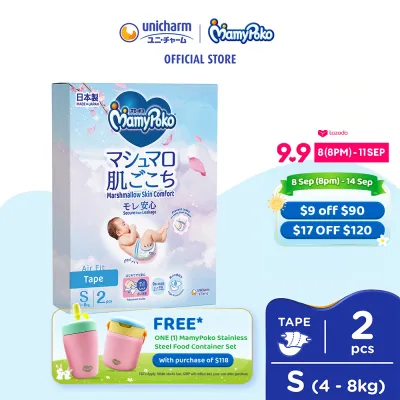
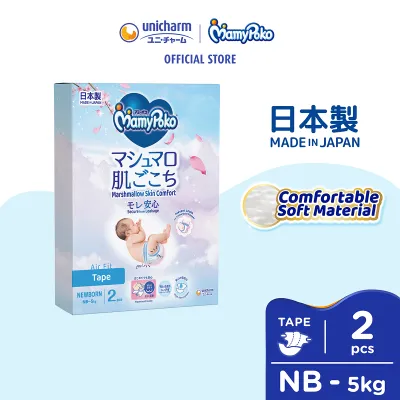
Prices are valid at publication and may change. Please refer to the product page for the latest price.
Babies grow and change shape at an incredibly rapid pace, especially during their first year of life. Their proportions, mobility levels, and liquid output volume shift constantly as they transition from sleeping newborns to active, crawling infants. A brand that fit perfectly last month might suddenly fail to contain messes as your baby’s thighs lean out or their activity level increases. Sample packs provide a flexible way to test a larger size or a different brand’s cut during these developmental transitions.
In warm and humid climates, skin tolerance and breathability are critical factors in preventing diaper rash and heat-related skin irritation. Testing a small sample pack allows you to observe how your baby’s skin reacts to a brand’s specific lining, elastics, and fragrances over a short period. This prevents you from exposing your baby’s delicate skin to a full box of a product that might trigger contact sensitivity or trap excessive moisture.
Key Dimensions to Evaluate During Your Test
When evaluating a sample diaper, absorbency and leak protection should be your primary focus. Observe how well the diaper locks away moisture by gently touching the inner lining during a diaper change; the surface should feel relatively dry to the touch even when the core is full. Pay close attention to structural sagging, as some diapers bunch up and sag heavily when wet, which can pull the waistband down and create gaps. Monitor for side leaks around the leg cuffs and back blowouts, particularly after heavy wetting episodes or bowel movements.

Fit and sizing standards vary significantly across different manufacturers, meaning a size small in one brand may fit completely differently than a size small in another. When fitting the sample diaper, assess the snugness of the leg cuffs, which should wrap securely around the groin crease without leaving visible gaps or being too tight to slide a finger through. Check the elasticity of the waistband to ensure it stretches comfortably as your baby’s tummy expands after feeding, while still maintaining a secure seal at the back.
Comfort and skin reaction require close, daily observation during your trial period. After removing a diaper, inspect your baby’s skin for deep red marks or indentations left by the elastic bands around the thighs or waist, which indicate a restrictive fit or a cut that is incompatible with your baby’s build. Look for friction points where the material rubs against the skin during movement, and monitor the diaper area for any signs of trapped moisture, persistent redness, or early diaper rash.
How to Set Up a Fair Diaper Testing Routine
To ensure your comparison is consistent and reliable, it is essential to control as many external variables as possible during the testing period. Try to evaluate different diaper brands under similar daily conditions, such as during typical feeding schedules, regular hydration levels, and standard change intervals. Comparing a diaper worn during a highly active afternoon outing to one worn during a quiet, short nap will not yield a fair comparison of their actual performance.
Keeping a simple daily log on your phone or a notepad is an effective way to track and compare the performance of each specific brand. For each sample diaper tested, note down the brand name, the size, and any occurrences of leaks, blowouts, or skin redness. Documenting these observations immediately prevents different trials from blurring together, making it much easier to identify clear patterns and choose a winner at the end of your test.
It is also highly beneficial to separate your evaluations into daytime and nighttime testing scenarios, as diapers serve different purposes during these periods. Daytime testing should focus on flexibility, ease of movement, and secure leg cuffs as your baby plays, crawls, or sits. Nighttime testing, on the other hand, requires evaluating the diaper’s ability to handle high volume and extended wear over several hours of sleep without leaking or causing dampness against the skin.
Decision Framework: Choosing the Right Brand for Your Baby
You should choose a specific brand if it consistently prevents leaks during extended sleep, handles heavy wetting without sagging, and maintains a dry surface against your baby’s skin. These results indicate that the diaper’s absorbent core and distribution channels align well with your baby’s output volume and sleeping positions. A reliable overnight diaper reduces sleep disruptions and keeps your baby comfortable throughout the night.
Consider choosing an alternative brand if you find a diaper that offers a slimmer, more flexible fit that moves seamlessly with your baby during active daytime hours. If this diaper leaves no restrictive red marks on the thighs or waist and prevents leaks during movement, it is an excellent candidate for daytime use, even if it lacks the heavy-duty absorbency required for overnight wear. Many parents find that using one brand for daytime play and a different, more absorbent brand for nighttime sleep offers the best balance of comfort and performance.
If neither brand seems to fit, or if your baby shows persistent signs of contact irritation, chafing, or consistent leaks across multiple sizes, it is a sign that the tested cuts or materials are not compatible with your baby’s current proportions or skin sensitivity. In such cases, verify the manufacturer’s weight and sizing charts, as you may need to size up or down. If skin irritation or redness persists despite changing brands, stop using the samples and consult a pediatrician or healthcare professional for guidance.
Where to Find and Request Diaper Samples
Acquiring trial packs is a straightforward process if you know where to look for legitimate and safe distribution channels. Many local hospitals, maternity clinics, and government-backed parenting initiatives in Singapore provide complimentary newborn welcome kits that include a variety of diaper samples. These kits are excellent resources for expectant parents looking to build a diverse testing toolkit before their baby arrives.
Official brand websites are another highly reliable source for obtaining sample diapers. Most major manufacturers feature dedicated sample request forms or offer low-cost trial bundles on their websites, often requiring only a nominal shipping fee to deliver a small pack directly to your home. Signing up for brand newsletters or joining official parent clubs can also unlock exclusive trial offers and discount vouchers for future purchases.
Additionally, keep an eye out for sample distributions at local baby expos, maternity fairs, and parenting community events, where brands frequently hand out trial packs to attendees. Verified online marketplaces and official brand stores on ecommerce platforms also occasionally offer single-pack trial options or promotional sample bundles. Utilizing these diverse channels allows you to gather a wide selection of brands to test systematically without a large financial commitment.
Frequently Asked Questions (FAQ)
How many diapers do I need to test a brand effectively?
To conduct a reliable evaluation, you should aim to test at least a full day’s worth of diapers, which typically translates to 5 to 8 changes. Testing a single diaper is rarely sufficient, as a baby’s output, movement, and feeding patterns vary throughout the day. Using a sample pack over a 24-hour period allows you to observe how the diaper performs across different activities, feeding times, and sleep cycles, ensuring your final assessment is not skewed by a single unusual event or blowout.
What should I do if a sample diaper causes a rash?
If you notice skin redness, irritation, or a rash developing during your trial, stop using the suspected sample brand immediately. Allow your baby’s skin to breathe by incorporating diaper-free time throughout the day, and apply a standard barrier cream to protect the sensitive area from moisture. If the rash persists, worsens, or is accompanied by other symptoms such as a fever or broken skin, consult a pediatrician or qualified healthcare professional for proper diagnosis and treatment.

Community discussion
Share your experience or ask a question. Comments are reviewed before publication.