
Selecting the ideal baby backpack is less about finding the largest total capacity and more about how that volume is structured. While a bag might boast a generous twenty-litre capacity, poor pocket placement can leave you rummaging through a chaotic mess during a diaper emergency. The right organisation system keeps high-frequency items within arm’s reach, balances weight comfortably across your shoulders, and adapts to your daily outings.
Understanding how different brands approach internal layouts, pocket accessibility, and material choices allows you to make an informed decision. By evaluating these design elements against your personal packing style and routine, you can find a backpack that simplifies outings rather than adding to the stress of traveling with a baby.
Key Organisation Features to Evaluate in Baby Backpacks
The way a backpack opens determines how quickly you can locate items under pressure. Wide clamshell zippers, which allow the main compartment to open flat like a suitcase, offer maximum visibility and let you access items at the bottom without disturbing everything on top. In contrast, top-loading designs or drawstring closures with top flaps often create a deep well, requiring you to stack items vertically and dig through layers to find a spare change of clothes.
Products mentioned in this guide
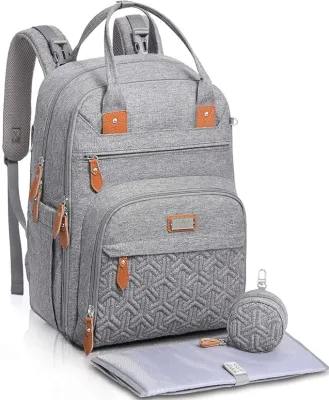
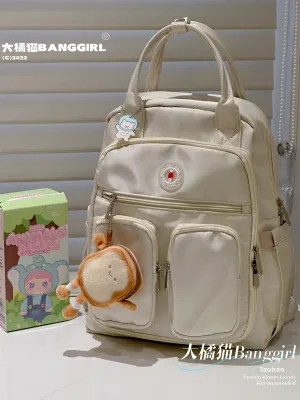
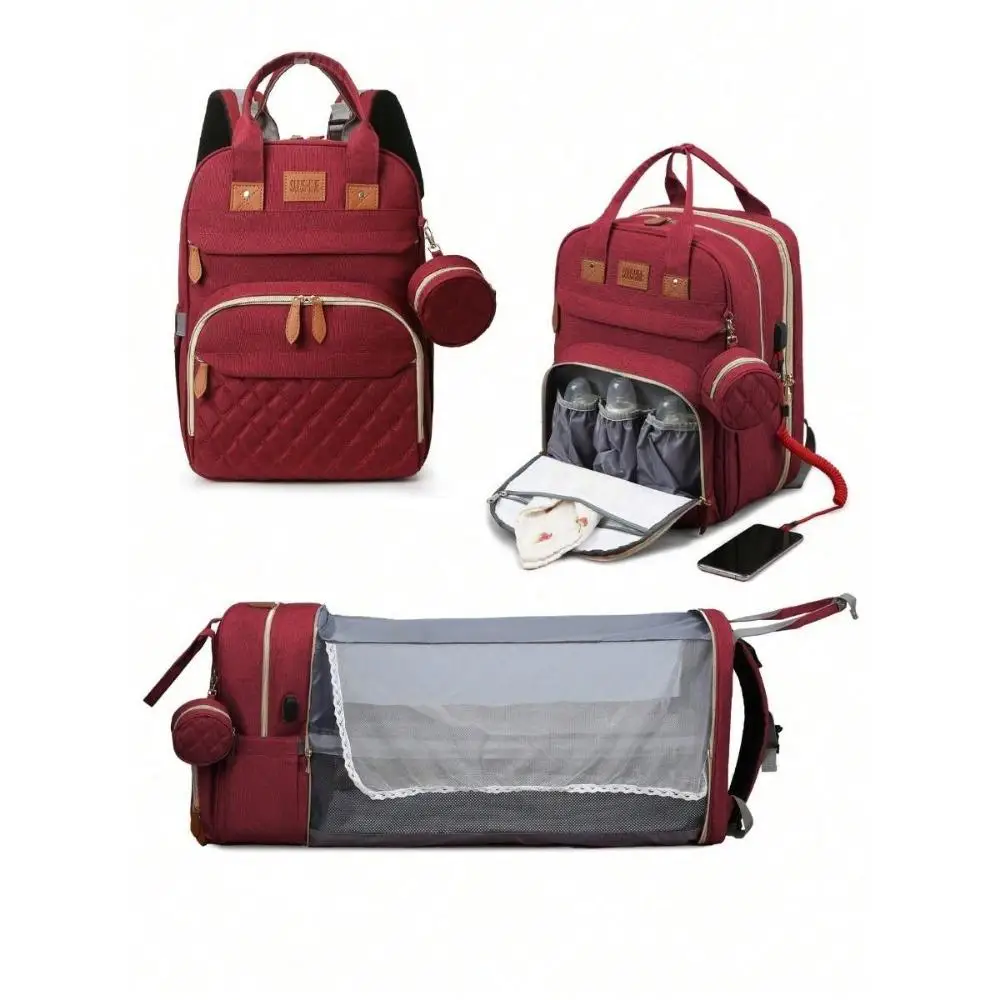
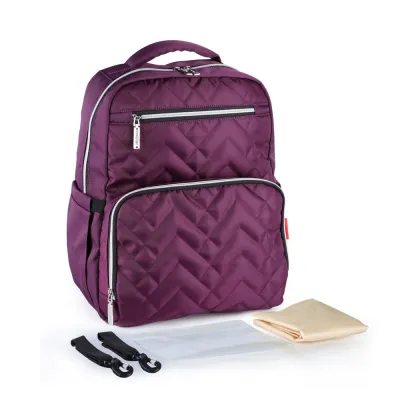
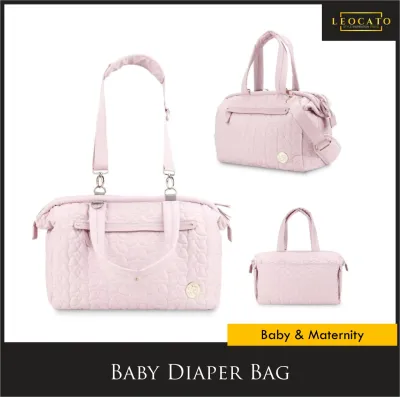
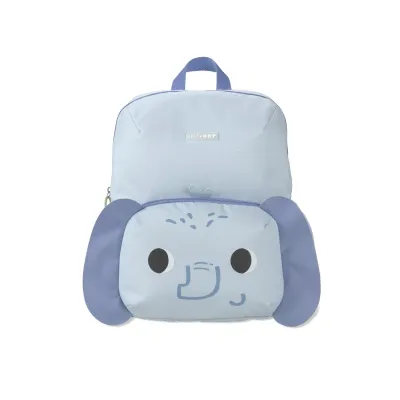
Prices are valid at publication and may change. Please refer to the product page for the latest price.
Dedicated, easy-reach zones for high-frequency items are essential for smooth transitions. Look for external pockets specifically designed for wet wipes, featuring magnetic flaps or zippered slits that allow you to pull a single wipe out with one hand. Similarly, a dedicated compartment for a changing pad should be positioned on the exterior or just inside the main zipper, ensuring you can lay down a clean surface instantly without unpacking the entire bag.
Insulated bottle pockets are another critical feature, but their placement significantly affects the bag’s ergonomics. Front-pocket insulation is common, but packing multiple heavy bottles in the very front can pull the backpack’s center of gravity away from your body, causing shoulder strain. Side-pocket insulation keeps the weight closer to your spine, improving carrying comfort during long walks through shopping malls or outdoor parks.
Comparing Internal Layouts and Pocket Placement
An effective baby backpack balances quick-access exterior storage with secure interior compartments. External quick-grab pockets are perfect for items you need to seize in seconds, such as pacifiers, hand sanitiser, or a teething toy. However, these pockets are less secure for caregiver valuables; look for backpacks that feature a hidden, zippered anti-theft pocket on the back panel to keep your phone, wallet, and keys safe and pressed against your body.

To prevent smaller items from shifting to the bottom of the bag, evaluate the depth, elasticity, and structure of the internal pockets. Deep pockets without elasticised tops allow creams, nail clippers, and spare socks to slip out and accumulate in a cluttered heap at the base. Look for interior dividers made of tight elastic mesh or zippered pockets that keep small essentials visible and securely anchored in their designated spots.
Physical separation between caregiver essentials and baby supplies prevents cross-contamination and saves time. Some brands design a distinct “parent zone” pocket at the top or front of the bag, complete with key clips and pen holders. This layout ensures you never have to dig past soiled clothes or sticky snack containers to find your house keys or transit card when returning home.
Matching Storage Systems to Your Daily Routine
Your packing habits and outing styles should dictate the level of compartmentalisation you choose. If you prefer a highly structured approach where every item has a permanent home, a backpack with numerous fixed internal dividers, dedicated bottle slots, and labeled pockets is highly beneficial. This setup is particularly useful for full-day trips, complex feeding schedules, or when multiple caregivers share the same bag and need to know exactly where everything is kept.
Conversely, if you prefer a flexible, modular packing style, an open-concept main compartment with minimal built-in pockets may suit you better. This design allows you to use your own color-coded packing cubes or wet bags, which can be easily swapped out depending on the destination. A modular setup is ideal for short neighborhood walks where you only need a diaper, a travel pack of wipes, and a single bottle, leaving the rest of the bag free for personal items.
Stroller compatibility is another crucial factor for active parents. When hanging a backpack horizontally from stroller hooks, gravity shifts, and the bag’s internal layout behaves differently than when worn vertically. Ensure the backpack features dedicated stroller straps or integrated D-rings, and verify that the zippers are positioned so that items will not spill out when the bag is suspended horizontally on your stroller handle.
How to Verify Brand Specifications Before Buying
Manufacturer dimensions and volume ratings can sometimes be misleading, as stiff materials or bulky external pockets can reduce the actual usable space inside the main compartment. To get an accurate sense of a bag’s capacity, cross-reference the official measurements with user-uploaded photos and videos on online marketplaces and parenting forums. Seeing the backpack worn by parents of different heights or packed with real-world baby gear provides a much clearer picture of its true scale.
Pay close attention to product labels and descriptions regarding the material linings used in different compartments. Look for water-resistant, wipeable linings like polyester, nylon, or PEVA, especially in areas designated for bottles, food, or wet clothing. In warm, humid climates, damp items stored in non-breathable or non-washable pockets can quickly lead to mold and mildew, making easily sanitised linings a priority.
Before committing to a purchase, plan a physical packing test at home using your current baby gear. Keep the tags on the backpack and pack it fully with your typical daily essentials, including diapers, wipes, bottles, a change of clothes, and your personal items. Test how easy it is to operate the zippers with one hand, check the weight distribution on your shoulders, and ensure you can access key items quickly; if the layout feels awkward, utilise the retailer’s return policy to find a design that better matches your workflow.
Frequently Asked Questions (FAQ)
Are insulated bottle pockets standard in all baby backpacks?
While many modern baby backpacks include insulated pockets, they are not a universal standard, and their performance and sizing vary significantly. Some brands only insulate a single side pocket, while others feature a dedicated front compartment with multiple insulated slots. Additionally, some pockets are designed only for standard slim bottles and may not accommodate wide-neck bottles, sippy cups, or larger flasks. Always check the manufacturer’s specific pocket dimensions and insulation details to ensure they are compatible with your preferred bottle brand.
How do I clean the interior compartments of a baby backpack?
To maintain hygiene and prevent mold, always check the manufacturer’s care label inside the backpack first. For standard water-resistant linings, wipe down the compartments regularly using a damp cloth, warm water, and a mild, baby-safe soap. Avoid using harsh chemical cleaners, bleach, or submerging the bag in water unless the manufacturer explicitly states it is machine washable, as this can degrade waterproof coatings and damage internal structural boards. Always allow the backpack to air dry completely with all pockets zipped open in a well-ventilated area before repacking it.

Community discussion
Share your experience or ask a question. Comments are reviewed before publication.