
When your baby has a urine accident on a portable mat, the key to preserving the mat’s hygiene and longevity lies in immediate containment, gentle cleaning, and thorough drying. Because these mats often feature specialized waterproof backings and delicate fabrics designed for sensitive baby skin, using the correct cleaning sequence prevents permanent stains and lingering odors. By acting quickly with baby-safe cleaning agents and avoiding harsh chemicals, you can keep your portable changing pad or play mat fresh, sanitary, and ready for your next family outing.
Immediate Steps to Contain the Urine
Swift action is essential to prevent urine from soaking deep into the inner padding or structural layers of your portable mat. Begin by placing the mat on a flat, stable surface where you can easily access the affected area. Take a clean, highly absorbent microfiber cloth or a thick layer of paper towels and press down firmly on the wet spot. Use a blotting motion rather than a rubbing motion, as rubbing can spread the liquid outward and push the moisture deeper into the fabric fibers.
If your portable mat features a multi-layer design with detachable covers, outer sleeves, or removable padded inserts, separate these components immediately. Isolating the wet layers prevents the urine from migrating to the dry sections of the mat, making the subsequent washing process much more manageable. Check the seams and zippers to ensure no liquid has pooled in the crevices during disassembly.
Products mentioned in this guide
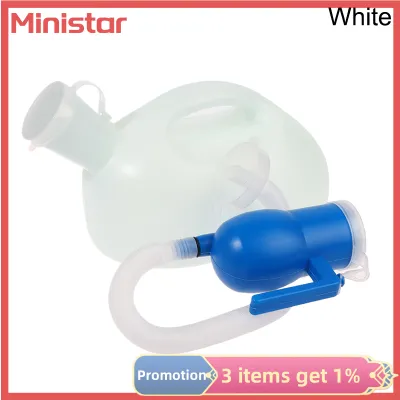
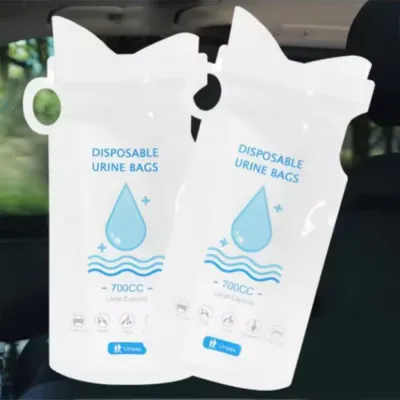
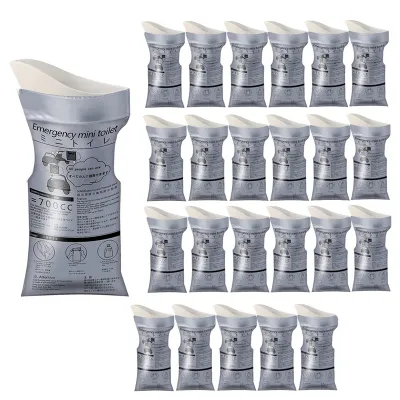
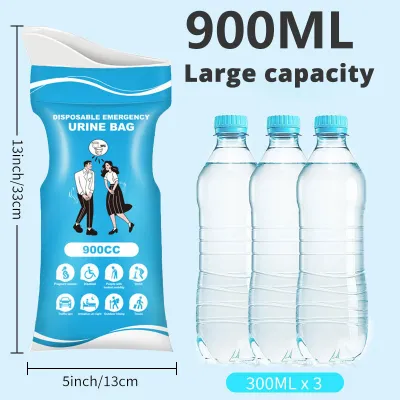
Prices are valid at publication and may change. Please refer to the product page for the latest price.
Stop wiping as soon as the surface moisture is mostly absorbed. Continuing to rub or scrub a wet spot without a cleaning solution can damage the delicate fibers and compromise any water-resistant coatings on the surface. Once you have contained the bulk of the liquid, prepare the mat for a targeted wash rather than letting the remaining moisture air-dry, which can lock in odors.
Gathering Safe Cleaning Supplies
Selecting the right cleaning agents is crucial for protecting your baby’s sensitive skin and maintaining the structural integrity of the mat. Look for mild, fragrance-free baby detergents or specialized enzymatic cleaners that are formulated to break down organic waste. Avoid standard household detergents that contain optical brighteners, synthetic fragrances, or harsh surfactants, as these residues can linger on the fabric and cause skin irritation.

Before applying any product, verify its compatibility with the specific materials of your mat by checking the manufacturer’s product documentation. Portable mats are commonly constructed from a variety of materials, including thermoplastic polyurethane (TPU) waterproof backings, polyester blends, or organic cotton surfaces. Enzymatic cleaners are highly effective for breaking down uric acid, but you must ensure the product label explicitly states it is safe for the specific fabric and waterproof membrane of your gear.
Gather your cleaning tools before you begin the washing process to avoid interruptions. A soft-bristled brush, such as a clean baby hairbrush or a soft utility brush, is ideal for gently working solutions into the fabric without causing pilling. You will also need several clean microfiber cloths, a spray bottle for controlled application of liquid solutions, and a basin of lukewarm water for rinsing. Avoid abrasive scrubbing pads or stiff brushes, which can tear delicate fibers or strip away waterproof laminates.
Step-by-Step Cleaning and Odor Removal
Once you have contained the spill and gathered your supplies, you can begin the deep cleaning phase to eliminate both the physical stain and the underlying odor. Always consult the manufacturer’s care label on your specific mat before applying any liquid solutions, as some materials require highly specific handling.
Removing Stains and Residue
To lift the urine stain effectively, lightly mist the affected area with your prepared cleaning solution using a spray bottle. If you are using a commercial baby-safe cleaner or a mild detergent mixture, allow it to sit on the fabric for the duration recommended on the product label. This dwell time allows the cleaning agents to loosen the bond between the urine proteins and the fabric fibers without oversaturating the inner padding.
Using your soft-bristled brush or a clean microfiber cloth, gently work the solution into the fabric using light, circular motions. Focus on the edges of the stain where the liquid may have dried slightly, working your way toward the center. Avoid applying excessive pressure, especially on mats with laminated waterproof backings, as aggressive scrubbing can cause the layers to delaminate or peel.
After working the solution into the fabric, rinse the area thoroughly to remove all soap residue. Dampen a clean microfiber cloth with fresh, lukewarm water and press it repeatedly onto the cleaned spot to lift the soap. Repeat this rinsing process several times until the water from the cloth runs completely clear and no soapy bubbles form, as dried detergent residue can attract dirt and irritate your baby’s skin during future use.
Neutralizing Odors Without Harsh Chemicals
Urine odors can be persistent because uric acid crystals do not dissolve easily with water and standard soap alone. To neutralize these odors completely, apply an enzymatic cleaner designed specifically for organic stains, ensuring you follow the manufacturer’s instructions for application and dwell time. The enzymes in these cleaners actively consume the uric acid and proteins, converting them into harmless, odorless byproducts rather than simply masking the smell with synthetic perfumes.
If you prefer an alternative mild deodorizing method, baking soda can be highly effective when used with care. Once the mat is damp but not soaking wet, sprinkle a thin, even layer of baking soda over the affected area and let it sit to absorb the remaining odors. After the baking soda has dried completely into a powder, use a clean hand vacuum or a vacuum attachment to remove every trace of the powder, ensuring none remains in the seams where a baby might touch or inhale it.
Never use bleach, ammonia, or strong essential oils to clean or deodorize a baby mat. Ammonia shares chemical properties with urine components and can actually attract pets or leave a lingering scent that mimics the original odor, while bleach can degrade waterproof TPU coatings and release toxic fumes. Strong essential oils, even when natural, can trigger respiratory irritation or allergic skin reactions in infants and should be avoided entirely in baby gear maintenance.
Drying and Preparing the Mat for Storage
Proper drying is a critical step in the maintenance process, particularly in humid climates like Singapore, where trapped moisture can quickly lead to mold, mildew, and musty smells. After cleaning and rinsing, gently press the mat between two dry, clean towels to extract as much excess water as possible. Avoid wringing or twisting the mat, as this mechanical stress can warp the internal padding or damage the waterproof backing.
Lay the mat flat on a clean drying rack or hang it in a well-ventilated indoor area with good airflow, perhaps near an open window or a fan. If the manufacturer’s care label permits, you may dry the mat in a shaded outdoor area, but avoid placing it in direct, intense sunlight unless specifically authorized by the instructions. Prolonged exposure to harsh ultraviolet rays can degrade waterproof coatings, fade fabric colors, and cause synthetic materials to become brittle.
Before folding the mat for storage, conduct a thorough physical check for any hidden moisture. Feel along the seams, zippers, folded edges, and thickest padded sections, as these areas dry much slower than the flat surface fabric. If the mat feels cool to the touch or slightly damp, allow it to air-dry for several more hours. Store the completely dry mat in a cool, dry, and well-ventilated cupboard, avoiding airtight plastic bins which can trap residual humidity and foster microbial growth.
Verifying Material Care Labels and Limits
Every portable mat is engineered differently, meaning there is no single cleaning method that applies universally to all brands. Locate the care tag sewn into the seam of your mat and carefully read the symbols and text instructions before proceeding with any wash. Pay close attention to temperature limits, machine washability permissions, and specific warnings against tumble drying or dry cleaning.
If you are using a new cleaning product or an enzymatic spray for the first time, always perform a spot test to prevent accidental damage. Apply a tiny drop of the solution to an inconspicuous area of the mat, such as the underside of a strap or the inner edge of a seam. Wait for the recommended dwell time, rinse the spot, and let it dry completely to check for color bleeding, fabric weakening, or changes in the texture of the waterproof layer.
If your portable mat features specialized water-repellent coatings, delicate decorative elements, or complex internal structures that make home cleaning risky, stop and consult the manufacturer’s customer service. When care instructions are unclear or missing, reaching out to the brand directly or consulting a professional cleaner is the safest way to preserve your warranty and ensure the mat remains safe for your baby.
Frequently Asked Questions (FAQ)
Can I machine wash a portable baby mat after a urine accident?
Whether you can machine wash your portable baby mat depends entirely on the manufacturer’s care label instructions. Many modern travel mats feature polyester or TPU layers that can tolerate a gentle machine cycle, but you must verify the maximum water temperature and spin speed limits first. If the label permits machine washing, always place the mat inside a mesh laundry bag to protect its straps, buckles, and delicate seams from getting tangled or damaged by the washing machine’s agitator. Use a mild, baby-safe liquid detergent and select a gentle or delicate cycle with a low spin speed. Avoid fabric softeners completely, as they leave a chemical coating on the fabric fibers that can drastically reduce the absorbency of the mat and degrade the performance of waterproof backings over time.
What should I do if the urine has already dried on the mat?
If you discover a urine stain after it has already dried, you will need to rehydrate the area to loosen the dried uric acid crystals before cleaning. Dampen a clean microfiber cloth with lukewarm water and press it gently onto the dried stain, allowing the moisture to penetrate the fibers for a few minutes. Once the spot is damp, apply your baby-safe enzymatic cleaner and allow it to sit for a slightly longer dwell time than usual, as specified by the product instructions, to give the enzymes ample time to break down the hardened residue. Gently work the solution into the fabric with a soft brush, rinse thoroughly with a damp cloth, and inspect the area once dry. If a faint odor or stain remains, repeat the entire cleaning cycle carefully while monitoring the fabric for any signs of wear or material degradation.

Community discussion
Share your experience or ask a question. Comments are reviewed before publication.