
Selecting the ideal portable baby mat for outdoor outings in Singapore requires a careful balance between tropical weather resilience, transportability, and safety. With high humidity and sudden rain showers being common local conditions, a mat must serve as a reliable barrier against damp grass, hot sand, and hard public surfaces. Parents should prioritize mats that offer verified water resistance, compact folding designs, and non-toxic materials that can withstand frequent cleaning. Rather than relying solely on popular brand names, the most effective approach is to evaluate how specific mat materials and designs perform under local outdoor conditions.
Key Features to Evaluate in a Portable Baby Mat
The material composition of an outdoor baby mat directly dictates its performance, durability, and safety. Look for materials such as thermoplastic polyurethane (TPU) or cross-linked polyethylene (XPE) foam, which are known for their lightweight properties and closed-cell structures. These materials do not absorb moisture, making them highly resistant to damp ground conditions often found in local parks. Alternatively, heavy-duty polyester or Oxford fabric mats with a water-resistant polyurethane (PU) backing offer excellent durability against rough surfaces, though they may require more effort to clean if mud or spills soak into the fabric fibers.
Water resistance is a non-negotiable feature for any mat intended for outdoor use. A truly waterproof bottom layer prevents ground moisture from seeping through to your baby’s clothing and skin, which is especially important on morning grass or damp soil. When evaluating a mat, check the manufacturer’s specifications to confirm whether the water resistance is a temporary surface coating or an inherent property of the material itself. Inherent water resistance is highly preferable, as surface coatings can degrade over time with repeated washing and exposure to friction.
Products mentioned in this guide
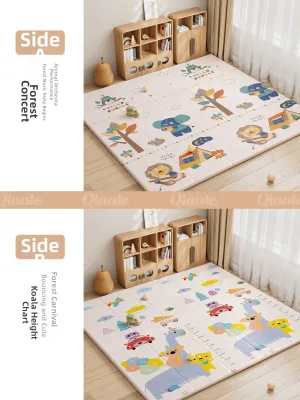
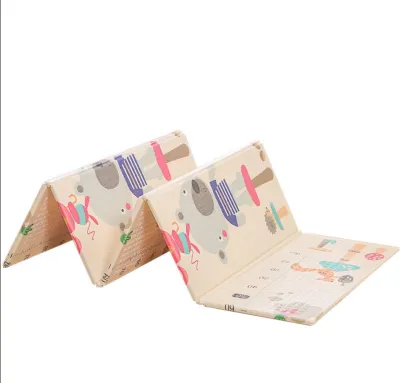
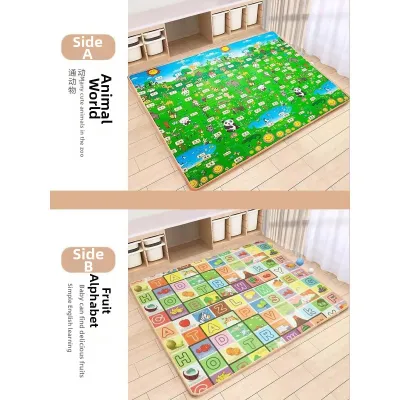
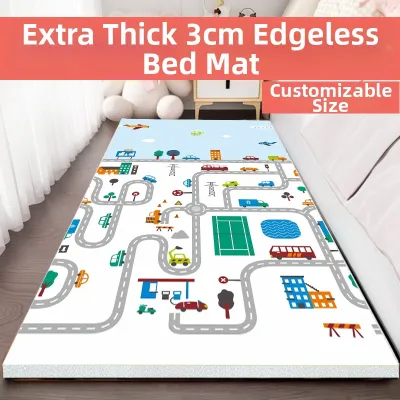
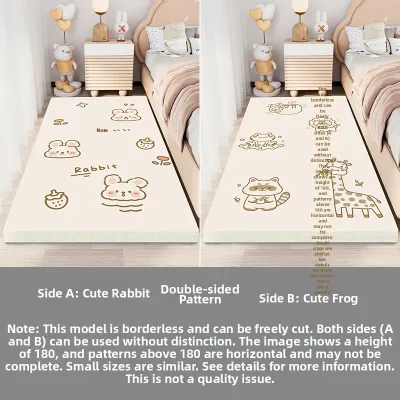
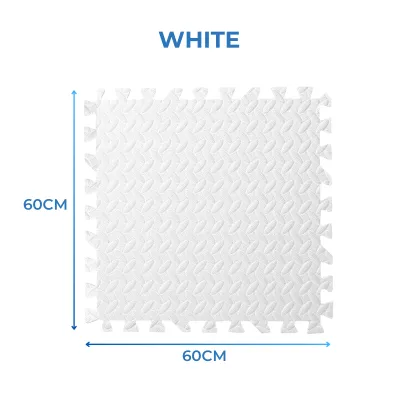
![[Buy 10 Free 2] 2.5cm Thick Interlocking Foam Floor Tiles 30x30cm EVA Foam Play Mats for Babies and Toddles Puzzle PlayMat](https://img.lazcdn.com/g/p/94a77a980b04e18d614dcbe5b227e5c1.jpg_400x400q80.jpg_.webp)
Prices are valid at publication and may change. Please refer to the product page for the latest price.
Portability is another critical factor that determines how often you will actually use the mat. Consider the overall weight of the product, aiming for options that weigh under one kilogram if you plan to carry them alongside other baby gear. The folding mechanism should be straightforward and manageable with one hand, as caregivers often have their hands full. Accordion-style folding mats are generally easier to pack up quickly compared to roll-up designs, which can sometimes curl at the edges during use. Look for integrated carrying straps, built-in handles, or dedicated travel bags that protect the clean surface of the mat from dirt during transit.
The trade-off between cushioning thickness and packability is a common challenge for parents. Thicker mats, such as those with 1 to 2 centimeters of XPE foam, provide superior impact absorption and comfort on hard or uneven ground, making them excellent for babies who are learning to sit or crawl. However, these thicker mats are inherently bulkier and take up significant space in a stroller basket or car trunk. Conversely, thin fabric mats fold down to the size of a small book but offer minimal cushioning, making them better suited for older infants who already have stable motor skills and only need a clean surface to sit on.
Surface texture plays a vital role in ensuring your baby’s safety and comfort on varied outdoor terrains. A completely smooth surface can become slippery when wet or sweaty, increasing the risk of slips during active play. Look for mats with embossed patterns, textured grids, or slip-resistant backings that help keep the mat firmly in place on grass, sand, or wooden decking. These textures also provide traction for your baby’s hands and feet, supporting their physical development and movement during outdoor tummy time.
Matching Mat Specifications to Your Outdoor Scenarios
Different outdoor environments demand different mat characteristics, meaning the best choice depends heavily on where you plan to spend your family time. For classic park picnics on grassy areas, such as the lawns of the Singapore Botanic Gardens or East Coast Park, your primary concerns are ground moisture and uneven terrain. In these settings, a thicker, closed-cell foam mat with a robust waterproof bottom layer is ideal. The cushioning protects your baby from hidden twigs, small stones, and hard soil, while the moisture barrier ensures they stay dry even if the grass is saturated from a recent tropical downpour.

If your outings primarily involve urban environments like cafes, restaurants, or indoor-outdoor transit spaces, your priorities should shift toward compact dimensions and rapid cleaning. In tight dining spaces or busy shopping districts, a large, bulky foam mat is impractical. Instead, opt for a compact, foldable fabric mat with a non-porous, wipe-clean surface. These mats can be quickly spread over cafe bench seating or clean floor areas, providing a hygienic boundary for your baby without obstructing walkways or disturbing other patrons. They can also be wiped down with a simple baby wipe in seconds if food or drinks are spilled.
For long-distance travel, public transit commutes, or situations where stroller storage is highly limited, ultra-lightweight designs are essential. When navigating buses, trains, or crowded escalators, every gram of weight and centimeter of bulk matters. Look for travel-specific mats that utilize high-density, thin materials that fold flat or roll into a compact cylinder. These designs should easily slide into a standard diaper bag compartment or hang from stroller hooks without throwing off the stroller’s balance. While these mats offer minimal padding, their primary function is to provide a clean, familiar, and portable sanitary barrier wherever your travels take you.
How to Verify Brand Reliability and Product Safety
With numerous brands available on online marketplaces and in local baby boutiques, verifying product safety claims is a crucial step before making a purchase. Parents should look for visible safety standard labels on the product packaging or official manufacturer listings. Recognized international safety standards include EN71 (European standard for toy safety), ASTM F963 (US standard), and CPSIA (Consumer Product Safety Improvement Act). These certifications indicate that the mat has undergone testing for mechanical safety, flammability, and the presence of heavy metals or hazardous chemicals.
In addition to safety standards, verify that the materials are certified as non-toxic and free from harmful substances such as bisphenol A (BPA), phthalates, lead, latex, and formaldehyde. Because babies have sensitive skin and frequently explore objects with their mouths, the mat’s surface must be completely safe for direct, prolonged skin contact. Reliable brands will readily provide access to their chemical testing reports or third-party certification documents on their official websites. If a brand makes vague claims of being “eco-friendly” or “safe” without referencing specific, verifiable certifications, treat those claims with caution.
Always verify the manufacturer’s explicitly stated age, weight, and developmental stage limits for the specific mat model you are considering. Some mats are designed specifically for newborn tummy time and may not be durable enough to withstand the active movements of crawling toddlers or older children. Using a mat outside its intended developmental range can lead to premature wear, tearing, or safety hazards such as tripping. This information is typically found in the product manual or on the manufacturer’s official product page, and should be reviewed carefully prior to purchase.
Before finalizing your purchase, review the return policies, warranty terms, and customer support accessibility offered by the official brand store or authorized retailer. While budget options under S$20 exist on various online marketplaces, investing in a high-quality mat with verified safety certifications is highly recommended for long-term durability. A reputable brand should offer a clear warranty period against manufacturing defects, such as delamination of the waterproof layers or unraveling seams. Purchasing from authorized local distributors ensures that you have access to reliable customer service if you encounter issues with the product. Avoid purchasing from unverified third-party sellers on online marketplaces where product authenticity and warranty support cannot be guaranteed.
Evaluating long-term durability feedback in user reviews can provide valuable insights into how a mat performs over months of real-world use. Look for specific comments regarding seam strength, color fading under sun exposure, and whether the material begins to peel or flake after multiple cleanings. Pay close attention to reviews from users who live in warm, humid climates, as these conditions can accelerate the degradation of certain plastics and adhesives. A mat that maintains its structural integrity and waterproof properties after repeated outdoor use represents a much better long-term investment.
Safety Boundaries and Maintenance for Outdoor Use
Using a portable baby mat outdoors requires strict adherence to safety boundaries to protect your infant from environmental hazards. Never place a baby mat on highly uneven terrain, steep slopes, or near water hazards such as swimming pools, ponds, or drainage canals. Ensure the mat is positioned far away from steep drops, rocky areas, or potential falling hazards like dead tree branches. Always maintain direct, uninterrupted caregiver supervision while your baby is on the mat, and never leave them unattended even for a brief moment.
Sun exposure poses a significant risk when using baby mats outdoors, particularly in tropical regions where solar radiation is intense. Many synthetic mat materials, especially darker plastics or fabrics, can absorb heat rapidly and reach temperatures that can burn a baby’s delicate skin. Always place the mat in a fully shaded area, such as under a park pavilion or a dense tree canopy. Before placing your baby on the mat, perform a physical temperature check by pressing the back of your hand firmly against the surface for several seconds to ensure it is cool to the touch.
Proper post-use maintenance is essential to preserve the hygiene and material integrity of your portable mat. After returning from an outdoor outing, establish a routine of cleaning the mat to remove dirt, grass stains, sand, and sweat. Always refer to the manufacturer’s specific care label before applying any cleaning agents, as some materials can be damaged by harsh detergents or alcohol-based sanitizers. For most waterproof mats, a gentle wipe-down with a damp cloth and mild, baby-safe soap is sufficient. If the manufacturer permits rinsing or washing, ensure you follow their temperature and cycle guidelines precisely.
Thorough air-drying is a critical step that must never be skipped, especially in humid climates where mold and mildew can develop rapidly. After cleaning, hang the mat in a well-ventilated, shaded indoor area until it is completely dry on both sides. Never fold or store a damp mat in its carrying bag, as trapped moisture will lead to mold growth, unpleasant odors, and the degradation of waterproof coatings. If you notice any signs of mold, deep punctures, visible tearing, or peeling layers, stop using the mat immediately, as these compromises can harbor bacteria or present choking hazards for your baby.
Frequently Asked Questions (FAQ)
Can I use a standard indoor play mat for outdoor outings?
While it may be tempting to bring your standard indoor play mat to the park, doing so is generally not recommended due to differences in design and material properties. Indoor mats are often bulkier, heavier, and lack the specialized waterproof backing required to block ground moisture effectively. Bringing an indoor mat outside exposes it to rough surfaces like concrete, gravel, and twigs, which can easily puncture or tear delicate indoor materials. Furthermore, porous indoor mats can trap outdoor contaminants, dirt, and pests, which are then carried back into your clean home environment, compromising indoor hygiene.
What is the safest way to clean a portable mat after a park visit?
The safest way to clean your portable mat is to always start by checking the manufacturer’s care label for specific instructions and restrictions. Generally, you should shake the mat thoroughly to remove loose sand, grass, and debris before wiping the surface down with a soft cloth dampened with warm water and a mild, baby-safe detergent. Avoid using abrasive scrubbing pads, bleach, or harsh chemical cleaners, as these can degrade the waterproof layers and leave harmful residues. Allow the mat to air-dry completely in a shaded, well-ventilated area before folding it for storage to prevent mold and mildew growth.
Community discussion
Share your experience or ask a question. Comments are reviewed before publication.