
When your baby develops diaper rash, choosing the right zinc oxide ointment depends entirely on the current state of their skin. For daily prevention and very mild pinkness, a low-concentration ointment (typically containing 10% to 15% zinc oxide) provides a lightweight, breathable barrier. If you notice moderate redness or early signs of irritation, a mid-range concentration (around 15% to 20%) offers stronger protection. For severe, bright red rashes or overnight use, a high-concentration paste (containing 30% to 40% zinc oxide) is necessary to block out moisture completely. You can easily locate this active ingredient percentage by checking the “Drug Facts” or active ingredients panel on the back of the product packaging. If the rash does not improve after two to three days, begins to ooze, or is accompanied by a fever, stop using over-the-counter ointments and consult your pediatrician immediately.
Understanding Zinc Oxide Concentrations for Diaper Care
Zinc oxide is a time-tested ingredient valued in pediatric skin care for its ability to act as a physical moisture barrier. Unlike standard lotions that absorb fully, zinc oxide sits on the skin’s surface, forming a protective shield that repels wetness, urine, and digestive enzymes. This physical block is essential because prolonged contact with wetness is the primary trigger for diaper dermatitis.
The concentration of zinc oxide directly dictates both the level of barrier protection and the physical texture of the ointment. Generally, a higher percentage of zinc oxide means there are more solid particles suspended in the formula, resulting in a thicker, more occlusive paste. Conversely, lower percentages allow for a creamier, more fluid base that is easier to spread over large areas.
Products mentioned in this guide
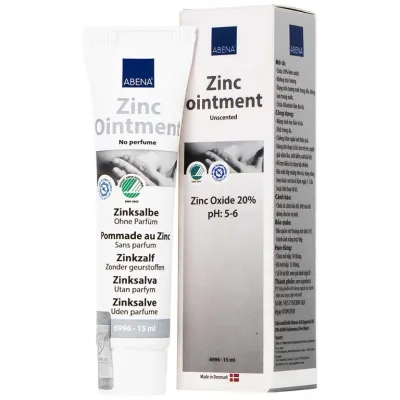
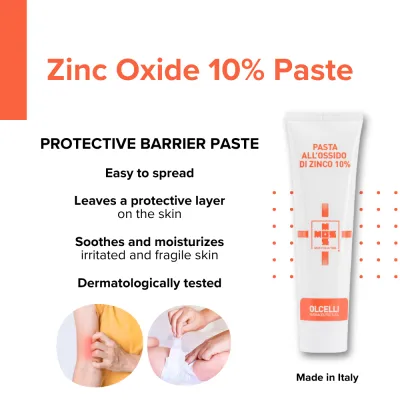
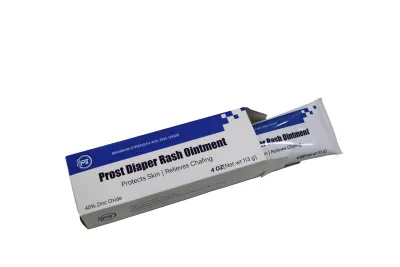
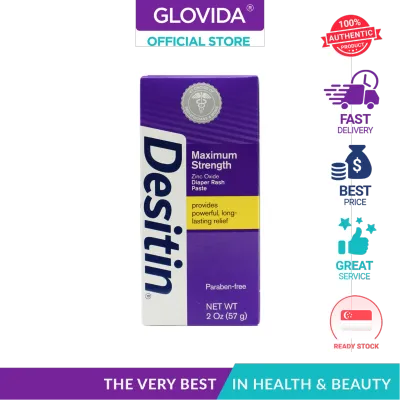
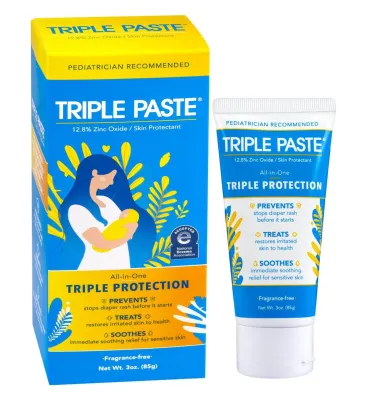
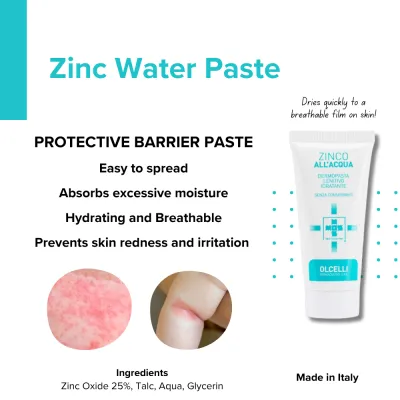
Prices are valid at publication and may change. Please refer to the product page for the latest price.
Choosing between these formulations involves a clear trade-off between maximum protection and ease of use. Thicker, high-concentration pastes provide an incredibly durable shield that stays in place even during long overnight stretches, but they require more effort to apply and clean off. Lighter, low-concentration creams spread effortlessly with minimal friction, making them highly convenient for quick daytime diaper changes.
Low to Moderate Concentration for Prevention and Mild Irritation
Low to moderate concentration zinc oxide ointments, typically ranging from 10% to 15%, are designed primarily for daily maintenance and the early stages of skin irritation. In Singapore’s warm and humid tropical climate, babies are particularly prone to sweat accumulation and friction around the diaper edges. Using a lightweight barrier cream during daily diaper changes helps prevent chafing before it develops into a more painful rash.
The primary benefit of these lower-concentration formulations lies in their user-friendly texture. They glide smoothly onto delicate skin without requiring heavy pressure, which is crucial when dealing with a squirming baby or slightly tender skin. Because they are less occlusive than heavy pastes, they allow the skin to breathe while still offering a reliable defense against occasional wetness.
When selecting a daily-use cream, perform a thorough label check. Since this product will be applied multiple times a day, ensure the base formulation is free from potential sensitizers. Look for clean, simple ingredient lists and verify that the product does not contain synthetic fragrances, essential oils, or harsh preservatives that could cause cumulative irritation over time.
High Concentration for Severe Rash and Maximum Barrier Protection
High-concentration zinc oxide pastes, which generally contain between 30% and 40% of the active ingredient, are formulated to address severe diaper rash and compromised skin barriers. When a baby’s skin is already raw, bright red, or peeling, the natural skin barrier is severely damaged. In these situations, a heavy-duty physical block is required to isolate the healing skin from the highly irritating effects of urine and stool.
Applying these thick pastes requires a specific technique to avoid causing further discomfort. Instead of rubbing the paste into the skin as you would with a standard lotion, apply it in a thick, even layer, much like frosting a cake. This thick layer ensures that the irritated skin is completely covered and protected from friction, allowing the underlying tissue to heal undisturbed.
Removing these high-concentration pastes also requires careful handling. Because they are designed to resist moisture, they do not wash away easily with water alone. Attempting to scrub the paste off completely during every diaper change will cause painful friction and further damage the delicate skin barrier. Instead, gently cleanse away any soiled material from the top layer of the paste, leaving the clean base layer intact to continue protecting the skin.
Formulation and Ingredient Checks for Sensitive Skin
While zinc oxide is the primary active ingredient responsible for creating a physical barrier, the inactive ingredients in the formulation play a significant role in how well your baby’s skin tolerates it. A well-formulated ointment should not only block moisture but also support the skin’s natural recovery process. Parents should look for beneficial soothing additives and barrier enhancers on the ingredient list, such as panthenol (provitamin B5), allantoin, and natural emollients like shea butter or sunflower seed oil. Lanolin is another highly effective emollient commonly used to lock in moisture, though it is worth noting that some babies with extremely sensitive or eczema-prone skin may have a sensitivity to it.

Conversely, there are several ingredients that parents should actively verify or avoid, particularly if their baby has a history of eczema or reactive skin. Synthetic fragrances are the most common culprits behind contact dermatitis and should be avoided entirely in diaper care products. Similarly, parabens, phthalates, and certain formaldehyde-releasing preservatives should be bypassed in favor of gentler, food-grade preservative systems. If your baby has highly sensitive skin, look for products that are explicitly labeled as fragrance-free and hypoallergenic.
To make an informed choice, it is essential to cross-reference the marketing claims on the front of the packaging with the actual ingredient list on the back. Front-of-pack terms like “natural,” “organic,” or “dermatologist-tested” are often used loosely for marketing purposes and do not have strict, standardized definitions. By turning the product over and reading the ingredient list (often listed under “Inactive Ingredients”), you can verify the presence of any potential irritants and ensure that the formula aligns with your baby’s specific skin needs.
How to Compare and Select the Right Ointment
Navigating the diaper care aisle at local pharmacies or browsing online marketplaces can be overwhelming. To simplify your decision, use a structured framework based on your baby’s current skin condition, skin sensitivity, and your personal application preferences.
Consider this decision matrix:
- Choose a low-concentration cream (10% to 15% zinc oxide) if: Your baby's skin is healthy and you want a daily preventative barrier, you prefer a product that is easy to apply and wipe away, or you are dealing with very mild, occasional pinkness.
- Choose a high-concentration paste (30% to 40% zinc oxide) if: Your baby has an active, bright red diaper rash, you need maximum barrier protection for long overnight stretches, or your baby is experiencing frequent loose stools.
Before buying, perform three key label verification steps. First, check the active ingredient percentage to ensure it matches your current needs. Second, locate the expiry date, as expired ointments can separate and lose effectiveness. Third, verify the manufacturer’s age suitability guidelines to ensure the product is safe for your baby’s developmental stage.
To help you compare the different product formats available in Singapore, the table below outlines the key characteristics of tubes versus tubs:
| Product Format | Typical Concentration | Texture & Consistency | Best Suited For | Hygiene & Usability |
|---|---|---|---|---|
| Squeeze Tube | Low to Moderate (10% – 20%) | Creamy, smooth, and easy to spread | Daily prevention and mild irritation | High hygiene; easy to dispense on the go without contaminating the remaining product |
| Tub or Jar | High (20% – 40%) | Thick, heavy, and paste-like | Severe rash treatment and overnight protection | Moderate hygiene; requires clean hands or a spatula to prevent introducing bacteria into the jar |
By understanding these distinctions, you can select a product format that fits seamlessly into your daily diapering routine while providing the precise level of protection your baby’s skin requires.
Application, Safety, and When to Consult a Professional
To get the best results from your chosen zinc oxide ointment, establishing a proper application routine is essential. Always begin by gently cleaning the diaper area with lukewarm water or a fragrance-free wipe during a diaper change. Once clean, pat the skin completely dry with a soft, clean towel, or allow it to air-dry for a few moments. This step is critical: applying a physical barrier ointment over damp skin will trap moisture against the skin, which can worsen irritation and create an environment where yeast or bacteria can thrive. Once the skin is dry, apply a generous layer of the ointment to the affected areas.
Proper storage and hygiene are also vital for maintaining the safety and efficacy of the product. Store your zinc oxide ointment in a cool, dry place away from direct sunlight. In Singapore’s tropical climate, exposing these products to high heat can cause the emulsion to break down, leading to oil separation. Always wash your hands thoroughly before and after every application to prevent the spread of bacteria.
While home care is highly effective for standard diaper irritation, you must know when to seek professional medical advice. Stop using over-the-counter ointments and consult a pediatrician immediately if you notice any red flags. These include the rash worsening despite consistent care, the appearance of blisters, pus-filled bumps, or peeling skin, or if the rash does not show clear signs of improvement after three days of treatment.
Frequently Asked Questions (FAQ)
Can I use zinc oxide ointment on a newborn?
Yes, but you must exercise extra caution. Newborn skin is significantly thinner, more delicate, and more permeable than the skin of older infants. Always check the manufacturer’s packaging for explicit age recommendations before application. For newborns, it is highly recommended to choose fragrance-free, hypoallergenic formulations with minimal inactive ingredients to minimize the risk of skin sensitization.
How do I safely remove thick zinc oxide paste without scrubbing?
To remove stubborn, high-concentration zinc oxide paste without irritating your baby’s skin, apply a small amount of baby-safe mineral oil or coconut oil to a soft cotton pad and gently wipe the area. The oil will naturally dissolve the thick barrier paste, allowing it to slide off easily. Additionally, if the diaper is only wet and not soiled with stool, you do not need to scrub off the clean layer of paste; simply wipe away the wetness and apply a fresh layer on top to avoid unnecessary friction.
Is it safe to use zinc oxide ointment with cloth diapers?
Traditional zinc oxide ointments, especially those with petroleum, mineral oil, or paraffin bases, are generally not compatible with cloth diapers. These heavy barrier ingredients can coat the fabric fibers, creating a waterproof buildup that causes the diapers to repel moisture instead of absorbing it. If you use cloth diapers, always check the manufacturer guidelines for both your diapers and the ointment. You may need to use a biodegradable diaper liner or select a specialized, cloth-safe cream formulated with plant-based oils that wash out easily.

Community discussion
Share your experience or ask a question. Comments are reviewed before publication.