
Singapore’s tropical climate is famous for its sudden, heavy downpours that can catch school children and families off guard during daily commutes or weekend park visits. When rainwater penetrates a child’s bag, it does more than just ruin homework and textbooks; it can damage expensive school-issued tablets, spoil packed lunches, and create a breeding ground for mold in our persistent high humidity. Finding the right waterproof bag requires a careful balance between robust weather protection, ergonomic comfort, and practical storage layouts.
By understanding what features to look for, how materials perform under pressure, and how to match a bag’s capacity to your child’s physical development, you can make an informed purchase that keeps their belongings dry and their shoulders supported. This guide helps parents navigate material specifications, design features, and scenario-specific needs to build a tailored shortlist of suitable bags from official brand stores and online marketplaces.
Key Features to Look for in Kids' Waterproof Bags
Children’s bodies are still developing, making proper weight distribution a critical health priority when choosing any backpack. Look for bags with wide, S-shaped padded shoulder straps that distribute weight evenly across the shoulders rather than digging into the neck. A padded back panel with breathable mesh channels helps reduce sweat buildup in Singapore’s heat while cushioning the spine against sharp book edges. Adjustable chest straps are essential for keeping the shoulder straps securely in place, preventing the bag from swaying or slipping off during active movement. For older children carrying heavier loads, an adjustable waist strap helps transfer a portion of the weight from the shoulders to the stronger pelvic region.
Products mentioned in this guide
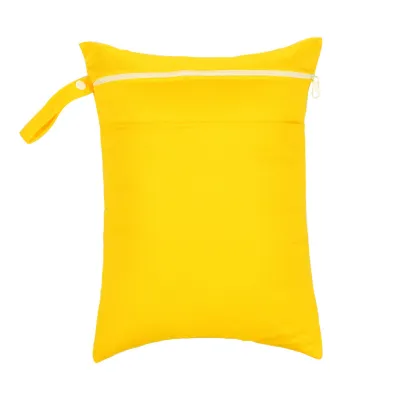
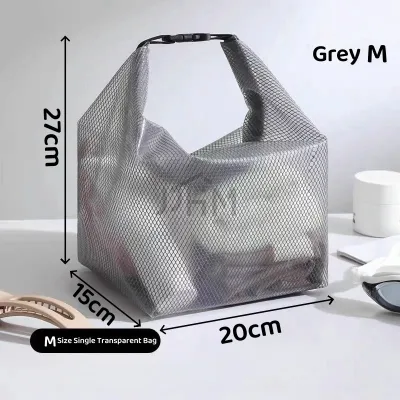
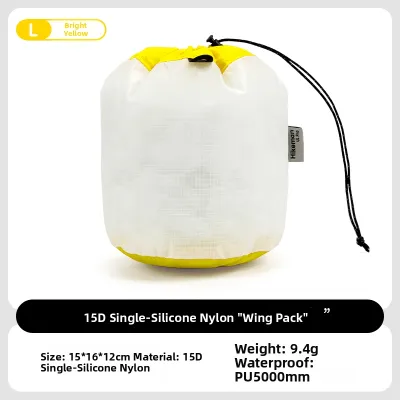
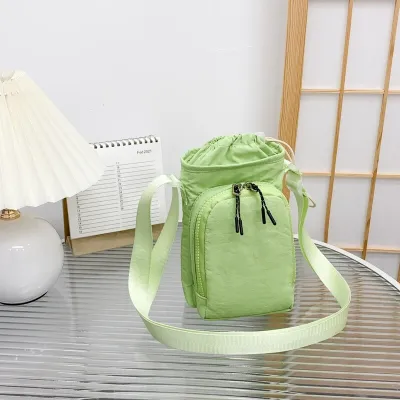
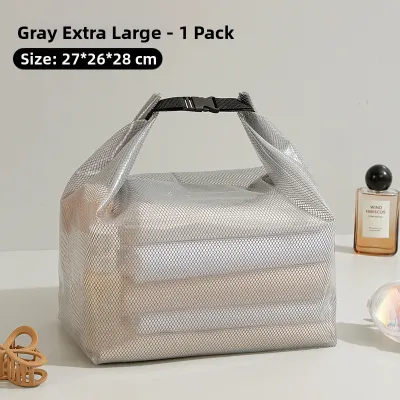
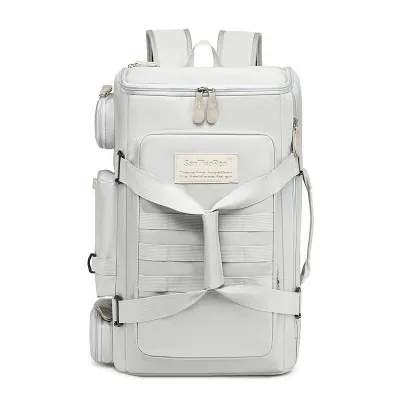
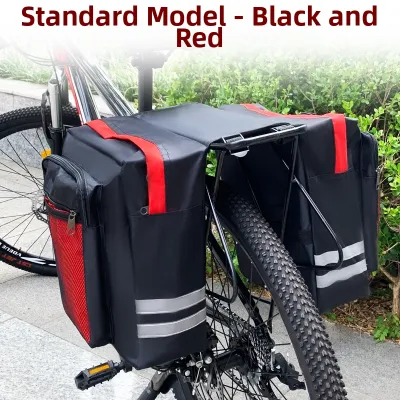
Prices are valid at publication and may change. Please refer to the product page for the latest price.
The way a bag closes is often the primary point of failure during a heavy downpour. Standard zippers allow water to seep through the teeth almost instantly unless they are specifically rated as water-resistant or covered by a thick fabric storm flap. Roll-top designs, adapted from outdoor dry bags, offer superior protection by rolling down several times and buckling securely, creating a highly reliable barrier against water ingress. Flap-top designs with quick-release buckles provide a middle ground, offering fast access to the main compartment while shielding the opening from direct rainfall.
Children can be tough on their gear, frequently dragging bags across concrete playgrounds, dropping them on wet school canteen floors, or stuffing them into tight lockers. High-wear areas require reinforced construction to prevent premature tearing and subsequent water leaks. Examine the base of the bag; it should feature a thicker, abrasion-resistant material or a molded rubber bottom that keeps moisture from seeping upward when placed on wet ground. Check the stitching at critical stress points, such as where the shoulder straps and top handle attach to the main body, looking for double-stitching or bar-tack reinforcement to ensure long-term durability.
Matching the Bag to the Activity: School vs. Weekend Outings
A school bag must accommodate structured learning materials and daily essentials. Look for internal compartments that keep heavy textbooks close to the child’s back, which helps maintain better posture. Padded sleeves are increasingly necessary to protect school-issued tablets or laptops from impact and moisture. Ensure the main compartment is wide enough to fit standard A4 folders and worksheets without bending the corners. External water bottle pockets are another must-have feature; they should be deep and elasticated to hold bottles securely, keeping condensation or accidental leaks entirely separate from the dry books inside.

For weekend trips to the beach, nature reserves, or indoor play areas, a school bag is often too bulky and structured. Outing bags should prioritize lightweight, flexible construction that allows children to move freely. Look for simplified layouts with one or two easy-access pockets for quick grabs of sunscreen, insect repellent, or hand sanitizer. The exterior surface should be highly wipe-clean, allowing you to easily brush off mud, sand, or spilled drinks after a day of outdoor play.
Choosing the right volume is a delicate balance between carrying capacity and physical safety. As a general rule, a loaded school bag should not exceed 10% to 15% of a child’s body weight. For preschool and kindergarten children, a capacity of 5 to 10 liters is usually sufficient for a change of clothes and a water bottle. Primary school students typically require 15 to 22 liters to accommodate textbooks, files, and lunchboxes. For older children or weekend family excursions, a 25-liter bag may be appropriate, provided the bag’s physical dimensions match the child’s torso length. Measure your child’s back from the shoulder line to the waist to ensure the bag does not hang below their lower back, which can cause them to lean forward and strain their muscles.
Understanding Waterproof Materials and Construction
It is common to see terms like “water-resistant,” “water-repellent,” and “waterproof” used interchangeably in marketing, but they represent very different levels of protection. Water-resistant fabrics can withstand light drizzle for a short period, but water will eventually penetrate under sustained rain. Water-repellent bags feature an external coating (such as Durable Water Repellent, or DWR) that causes water to bead up and roll off the surface, though heavy downpours can still force moisture through the fabric. Fully waterproof bags are constructed from completely impermeable materials and designed to prevent water entry even when temporarily subjected to torrential rain.
Thermoplastic Polyurethane (TPU) is a popular choice for high-quality kids’ bags because it is lightweight, highly flexible, and free from harmful toxins often associated with older plastics. Polyvinyl Chloride (PVC) is extremely durable and completely waterproof, but it tends to be heavier and stiffer, making it less comfortable for daily wear. Coated nylon or polyester fabrics offer a classic backpack look while providing excellent water resistance, though they require periodic maintenance to preserve their protective coatings. Always check the manufacturer’s care instructions, as some coatings can degrade if exposed to harsh detergents or extreme heat.
Even the most waterproof fabric will fail if water can enter through the stitching holes. High-performance waterproof bags utilize seam-sealing tape on the interior joints to cover needle holes, or they employ high-frequency welded seams that fuse the fabric panels together without any stitching at all. Additionally, look for storm flaps that fold over zippers, or specialized water-resistant zippers with polyurethane coatings that seal shut when closed. These construction details are what separate a bag that merely sheds light rain from one that keeps contents bone-dry during a tropical thunderstorm.
Building Your Shortlist and Pre-Purchase Checks
Before committing to a purchase, look past the promotional slogans and carefully read the technical specifications provided by the manufacturer. Check for specific material listings and water-resistance ratings, such as an IP (Ingress Protection) rating if available, which indicates the level of protection against dust and water. Avoid relying on generic product titles on online marketplaces; instead, cross-reference the details on the official brand website to ensure the bag meets your expectations.
Kids’ bags are prone to spills, crumbs, and dirt. Inspect the interior lining of the bag to see if it can be easily pulled inside out for thorough cleaning. A smooth, non-porous interior lining allows you to quickly wipe away spilled milk, crushed snacks, or leaked ink with a damp cloth. Avoid bags with deep, unreachable crevices or absorbent fabric linings that can trap moisture and organic matter, as these quickly become breeding grounds for bacteria and unpleasant odors in Singapore’s warm climate.
A high-quality waterproof bag is an investment, so it is wise to check the manufacturer’s warranty coverage and return policies. Look for brands that offer warranties against manufacturing defects, such as failing seams or broken zippers. Additionally, check if the brand sells replacement parts like chest buckles, strap adjusters, or zipper pulls. Children can easily crack a plastic buckle in a car door or lose a zipper tab, and being able to purchase a cheap replacement part can save you from having to replace the entire bag prematurely.
Frequently Asked Questions (FAQ)
Can I put a waterproof bag in the washing machine?
No, you should generally avoid putting a waterproof bag in the washing machine. The aggressive agitation, spinning cycles, and harsh laundry detergents can quickly strip away water-repellent coatings, delaminate internal waterproof membranes, and damage sealed seams. Instead, clean the bag by hand using a soft sponge, lukewarm water, and a mild, pH-neutral soap. Gently wipe down the exterior and interior surfaces, rinse thoroughly with clean water, and allow the bag to air-dry completely in a shaded, well-ventilated area away from direct sunlight.
How do I prevent mold inside a waterproof bag?
To prevent mold in Singapore’s humid climate, never store a damp waterproof bag or leave wet items, like sweaty sports gear or damp umbrellas, sealed inside the compartments. After every rainy commute or outing, empty the bag completely, open all the zippers and compartments, and hang it upside down in a well-ventilated indoor space to dry. You can also place silica gel packets or reusable dehumidifier sachets inside the pockets to absorb residual moisture. Periodically wiping the interior with a diluted white vinegar solution can also help naturally inhibit mold spore growth without damaging the fabric.

Community discussion
Share your experience or ask a question. Comments are reviewed before publication.