
Organizing a nursery requires a system that balances quick access with long-term protection. As infants grow rapidly, their wardrobe, toy collection, and daily essentials change almost monthly, leaving parents with the constant task of sorting, storing, and rotating items. Transparent storage bags have become a staple in modern nursery organization because they eliminate the guesswork of traditional opaque bins, allowing caregivers to identify contents at a single glance without rummaging through stacked containers.
However, selecting the right transparent storage bags is not merely a matter of picking the first clear plastic pouches available online. A nursery environment demands strict attention to material safety, durability, and practical design. Because these bags will hold everything from delicate organic cotton onesies to heavy wooden blocks and sensitive feeding accessories, understanding how to match the bag’s specifications to the specific needs of your nursery is essential for maintaining an orderly, safe, and hygienic space.
To build an efficient storage system, parents must evaluate their specific space constraints, understand the physical demands of different baby items, and verify that the materials used are entirely safe for a child’s environment. This guide provides a comprehensive framework to help you assess your nursery storage needs, choose the correct bag styles for various item categories, verify critical safety features, and implement safe maintenance practices.
Products mentioned in this guide
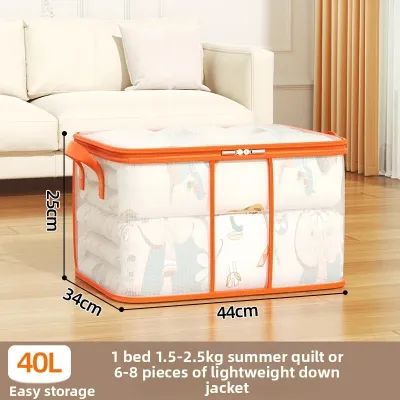
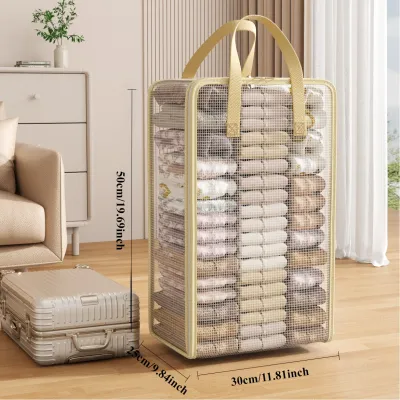
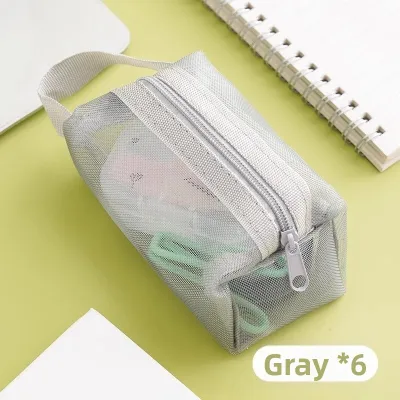
Prices are valid at publication and may change. Please refer to the product page for the latest price.
Assessing Your Nursery Storage Needs
Before purchasing any storage solutions, a thorough audit of your nursery inventory is necessary to determine the types and quantities of bags required. Start by categorizing your baby items into three distinct groups: daily essentials in active rotation, items for future use (such as next-size-up clothing and seasonal gear), and long-term keepsakes. This categorization prevents active storage spaces from becoming cluttered with items that will not be needed for several months, allowing you to allocate the most accessible areas of the nursery to daily necessities.
Once your items are categorized, measure the physical dimensions of your available storage areas to establish strict size limits for your bags. In typical urban apartments where floor space is premium, maximizing vertical closet space, under-crib clearance, and open shelving is crucial. Measure the height, width, and depth of your closet shelves, and note the exact vertical clearance under the crib. These measurements will prevent the common mistake of buying bags that are too tall to slide under the bed frame or too deep to allow closet doors to close fully. When planning your nursery budget, allocating S$15 to S$40 for a set of high-quality, non-toxic organizers is a practical investment that pays off in long-term durability.
Environmental factors within the nursery also play a significant role in determining the material requirements of your storage bags. In warm, tropical climates characterized by high humidity, enclosed spaces can easily trap moisture, creating an environment ripe for mold and mildew growth on fabrics. Conversely, items stored on open shelves are highly susceptible to dust accumulation. Identifying whether your primary storage challenge is humidity, dust, or a combination of both will guide you toward either airtight, sealed options or breathable, structured designs.
Selecting Bag Styles for Specific Baby Items
Matching the physical design and structural features of transparent bags to the unique requirements of different baby gear categories is key to a functional nursery. Different items demand varying levels of visibility, accessibility, and structural support. For instance, items in daily use require quick-access openings, while items stored for the long term benefit from high-compression, airtight seals that minimize the physical footprint of bulky textiles.

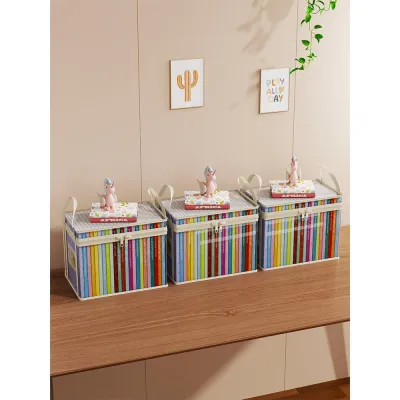
When choosing bag styles, consider the trade-offs between flexible, rigid, and compressible structures. Flexible bags, such as standard clear zippered pouches, conform easily to irregular spaces and are excellent for packing into diaper bags or drawers, but they do not stack well on their own. Rigid or semi-rigid transparent bags, often reinforced with internal wire frames or fabric borders, maintain their shape and stack neatly on open shelves, though they occupy a fixed amount of space regardless of how full they are. Compressible vacuum bags offer the ultimate space-saving solution for soft goods but restrict access and can damage delicate fabrics if compressed too tightly.
Clothes, Blankets, and Textiles
Storing baby clothing, swaddles, and bedding requires a solution that protects delicate fabrics from environmental damage while keeping different sizes clearly organized. For seasonal clothing, heavy blankets, or travel gear, vacuum-seal bags are highly effective at reducing volume and sealing out dust and moisture. However, for items in active rotation—such as the next size of onesies that your baby will grow into within a few weeks—standard zippered transparent bags are far more practical, as they allow you to retrieve individual items quickly without needing to re-vacuum the entire bag.
In humid environments, trapping moisture inside a sealed plastic bag is a major risk that can lead to mold, mildew, and unpleasant odors. To prevent this, always ensure that all textiles are completely dry before placing them in any sealed container. If you live in a high-humidity region, consider placing small, non-toxic moisture-absorbing silica gel packets inside the bags, or opt for transparent bags that feature breathable fabric side panels, which allow air circulation while still keeping the contents visible through the clear front window.
The physical construction of the bag is equally important when storing textiles, as a full load of blankets or winter wear can be surprisingly heavy. Look for bags equipped with reinforced, wide handles that are securely stitched to the body of the bag, preferably with double-stitched seams or cross-stitching. This reinforcement ensures that when you pull a fully loaded bag down from a high closet shelf, the handles will not tear away from the plastic, preventing sudden drops and potential injuries.
Toys and Bulky Gear
Toys and larger nursery gear present a different set of storage challenges due to their irregular shapes, hard edges, and varying weights. Standard thin plastic storage bags are highly susceptible to punctures and tears when loaded with wooden blocks, plastic toy cars, or metal-rimmed play accessories. For these items, prioritize heavy-duty, puncture-resistant transparent materials such as thick TPU (thermoplastic polyurethane) or reinforced clear mesh bags, which can withstand sharp corners without splitting.
Before loading heavy toys, play mats, or large plush items into a transparent bag, verify the manufacturer’s specified weight limits and structural integrity. Overloading a bag beyond its capacity can strain the seams and zipper track, leading to sudden failure during transport. If you plan to store heavy wooden toys or large collections of plastic blocks, look for bags with reinforced base panels or heavy-duty webbing that wraps completely around the bottom of the bag to distribute the weight evenly.
To make loading and unloading large or irregular items easier, prioritize bags designed with wide openings and gusseted bottoms. A U-shaped zipper that opens across three sides of the bag allows the top flap to fold back completely, giving you full access to the interior space. Gusseted bottoms allow the bag to stand upright on its own when empty, freeing up both of your hands to gather and pack toys quickly during post-playtime cleanups, while also providing a stable base for neat stacking on the floor or in a closet.
Small Accessories and Daily Essentials
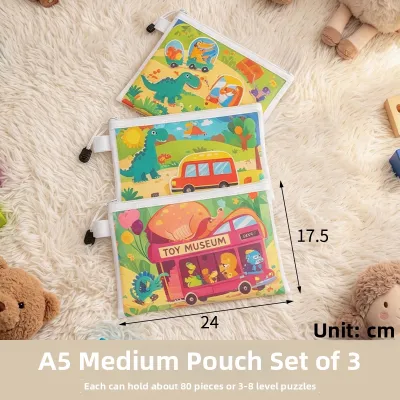
Small accessories such as pacifiers, baby socks, mittens, hair bows, grooming tools, and diapering supplies can easily become lost or tangled if thrown into a large, single-compartment storage bag. For these tiny essentials, select multi-pocket, grid-style, or divided transparent bags. These specialized designs keep small items separated and upright, allowing you to locate a specific pair of socks or a clean pacifier instantly without having to dump the entire contents of the bag onto the floor.
The quality of the closure mechanism is critical when dealing with small parts that could easily slip out of a partially open bag. Ensure the bags feature secure, smooth-gliding nylon zippers with tight-fitting teeth that prevent tiny items from spilling out during transport or when the bag is tipped over. Avoid bags with loose press-and-seal closures for small items, as these can easily pop open under slight pressure, scattering small parts that could pose choking hazards to a crawling baby.
To maximize floor and shelf space in smaller nurseries, consider utilizing vertical storage solutions such as hanging organizers with transparent pockets. These organizers can be hung over the nursery door or suspended from a closet rod, turning underutilized vertical space into a highly visible storage hub. Clear pockets allow you to see exactly where each item is located, making it easy for parents, grandparents, or babysitters to find daily essentials quickly during diaper changes or grooming routines.
Essential Material and Safety Features to Verify
When introducing any storage product into a nursery, safety must be your primary consideration. Because infants and toddlers are naturally curious and explore their surroundings by touching and mouthing objects, any storage bag kept within their reach must meet strict safety standards. Always check product labels, packaging, and manufacturer specifications to verify that the transparent bags are made from non-toxic, food-grade, or medical-grade materials that are explicitly certified as BPA-free, lead-free, and phthalate-free. Avoid cheap, low-grade PVC bags that emit a strong, chemical odor, as this off-gassing can introduce volatile organic compounds (VOCs) into your baby’s sleeping environment.
In addition to chemical safety, inspect the physical closure mechanisms of the bags to ensure they operate smoothly and safely. Zippers should glide easily along the track without snagging, sticking, or requiring excessive force to open, which could cause the bag to jerk and spill its contents. Examine the zipper pull tab itself; it should be large, sturdy, and securely attached to the slider. Flimsy, brittle plastic or thin metal pull tabs can easily snap off under pressure, creating a small, sharp object that poses an immediate choking hazard to young children.
The durability of the transparent material under environmental stress is another critical factor to verify. Some low-quality plastics degrade rapidly when exposed to ambient warmth, humidity, or indirect sunlight, causing them to turn yellow, become sticky, or grow brittle and crack over time. Look for high-grade polymers, such as TPU or heavy-duty EVA, that are formulated to resist UV degradation and temperature fluctuations, ensuring the bags remain clear, flexible, and structurally sound throughout years of use.
Finally, conduct a thorough physical inspection of the bag’s construction before placing it in the nursery. Run your fingers along the edges, corners, and seams to ensure there are no sharp, heat-sealed plastic points or rough fabric edges that could scratch a baby’s sensitive skin. Check that all seams are tightly bound and free of loose threads that could wrap around a baby’s fingers or toes. Ensure there are no small, decorative, or detachable parts—such as plastic toggles, beads, or loose metal rings—that could easily be pulled off and swallowed by a curious child.
Safe Usage and Maintenance Practices
Implementing safe usage and maintenance practices is essential to keeping your nursery organized and hazard-free. When placing fully loaded storage bags, always store heavy items—such as wooden blocks, books, or bulky gear—on lower shelves, in bottom drawers, or directly on the floor. Storing heavy bags on high closet shelves creates a serious tipping hazard; if a bag is pulled down improperly, it could fall and cause injury to a caregiver or a child playing nearby. Reserve higher shelves exclusively for lightweight items like extra blankets, pillows, or out-of-season clothing.
Maintaining the clarity and hygiene of your transparent storage bags requires regular, gentle cleaning. Because these bags are handled frequently, they can easily accumulate dust, fingerprints, and sticky residues. Wipe the exterior and interior surfaces of the bags with a soft microfiber cloth dampened with warm water and a mild, baby-safe soap. Avoid using harsh chemical cleaners, bleach, or alcohol-based sanitizing sprays, as these substances can chemically react with the plastic, causing it to become cloudy, brittle, or sticky. Always allow the bags to air-dry completely in a well-ventilated area before sealing any items inside to prevent trapping moisture.
Regularly inspect your storage bags for signs of wear and tear to ensure they remain safe for continued use. Over time, frequent opening and closing can stress the seams, zipper tracks, and handles. Check the integrity of the stitching and the plastic material at least once every few months. If you notice any splitting seams, cracked plastic, failing zippers, or loose components, remove the bag from the nursery immediately and replace it. Promptly addressing damaged storage gear prevents accidental spills and eliminates potential physical hazards before they can cause issues.
To prolong the lifespan of your transparent bags and protect the items stored within them, keep the bags away from direct sunlight and direct heat sources. Placing plastic bags near a sunny window, radiator, or steam sterilizer can accelerate the degradation of the polymer material, leading to warping, discoloration, and premature brittleness. Store your bags in cool, dry, and shaded areas of the nursery, such as inside closets, under the crib, or within closed cabinet units, to preserve both the structural integrity of the bags and the quality of your baby’s stored belongings.
Frequently Asked Questions (FAQ)
Can transparent storage bags be used for storing baby food or feeding accessories?
General-purpose transparent storage bags should not be used to store baby food, breast pump parts, bottles, or pacifiers unless they are explicitly certified as food-grade and safe for direct food contact. Standard utility storage bags may contain chemical additives, plasticizers, or manufacturing residues that are unsafe for items that go directly into a baby’s mouth. Always check the manufacturer’s specifications for official food-safety certifications, such as FDA compliance or local food-grade standards, before using any bag for feeding accessories. If a bag lacks these explicit certifications, restrict its use to non-feeding items like clothing, toys, and linens.
How do I prevent mold from forming inside sealed storage bags?
To prevent mold and mildew from developing inside sealed transparent bags, you must ensure that every item is 100% dry before it is packed away. Even a tiny amount of residual moisture from washing, spit-up, or high ambient humidity can become trapped in an airtight bag, creating an ideal breeding ground for mold. For added protection in humid climates, place a few non-toxic, baby-safe silica gel desiccant packets inside the bag to absorb any lingering moisture. Alternatively, for items in active use, choose storage bags that feature breathable fabric panels or mesh sections that allow continuous air circulation while still keeping the contents visible.
Are vacuum storage bags safe for all types of baby clothing materials?
While vacuum storage bags are excellent for saving space on bulky items, they are not suitable for all types of baby clothing materials. High compression can permanently crease, flatten, or damage delicate fabrics, structured garments, and natural fibers such as wool, silk, or down-filled items. Always check the garment care labels on your baby’s clothing before vacuum sealing. For delicate or heirloom items, it is safer to use standard, uncompressed transparent storage bags that allow the fabrics to retain their shape and loft, preventing fiber degradation over long periods of storage.

Community discussion
Share your experience or ask a question. Comments are reviewed before publication.