
Trimming a newborn’s paper-thin, rapidly growing nails can be one of the most nerve-wracking tasks for new parents. Because infant fingers are incredibly small and babies are prone to sudden, unpredictable movements, the fear of accidentally nicking their delicate skin is entirely natural.
While no single grooming tool can completely eliminate the need for careful handling, choosing a dedicated kids nail clipper designed specifically for tiny fingers significantly reduces the risk of injury. By selecting a tool with specialized safety features and understanding how to use it correctly, you can transform a stressful chore into a calm, routine grooming session.
This guide explores the essential safety mechanisms to look for when shopping, compares the primary types of infant nail care tools available on the market, and outlines how to verify product specifications. You will also find practical, step-by-step techniques for safe trimming and answers to common questions about early nail care.
Products mentioned in this guide
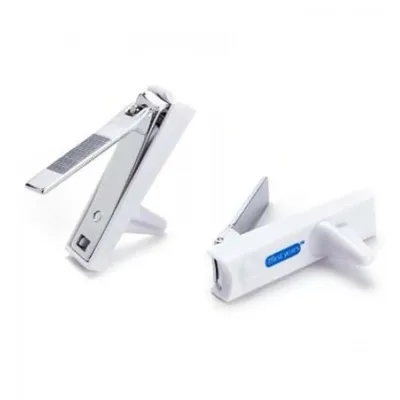
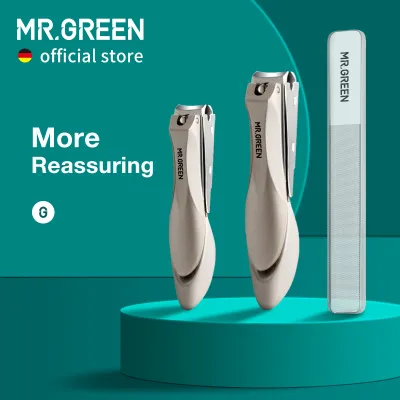
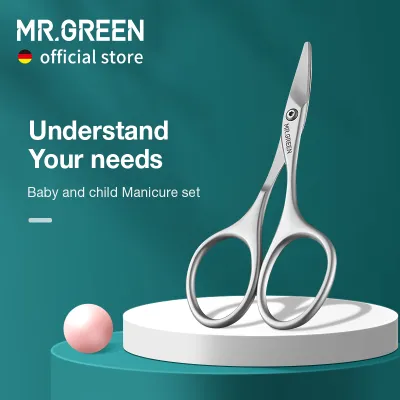
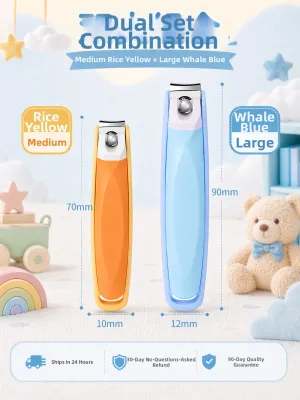
![[TPP] Baby Nail Trimmer Pedicure Care Kit 防抓伤多功能婴儿电动磨甲器儿童指甲剪 SG INSTOCK](https://img.lazcdn.com/g/p/d4f9082b86431839465f7b4dd8204268.png_400x400q80.png_.webp)
![[SG SELLER] Electric Baby Nail Trimmer with LED Light 6 in 1 Baby Nail File Kit No Claws Hurt for Newborn Toddler](https://img.lazcdn.com/g/p/02552c6b2758eefb2cb6fa7e9c4e898d.jpg_400x400q80.jpg_.webp)
Prices are valid at publication and may change. Please refer to the product page for the latest price.
Key Safety Features to Look for in a Kids Nail Clipper
When evaluating a kids nail clipper, the primary goal is to maximize visibility and control while minimizing the exposure of the baby’s skin to the cutting edge. Standard adult clippers lack these protective design elements, making specialized infant tools a necessity for safe grooming.
One highly effective feature to look for is an integrated magnifying glass or spyglass attachment. These small lenses are typically mounted directly above the clipper blades, enlarging the view of the tiny nail bed and the exact cutting line. This visual aid helps you clearly distinguish between the nail tip and the underlying skin, which is especially helpful when dealing with the microscopic nails of a newborn.
Built-in LED lights offer another significant safety advantage. Many parents prefer to trim their baby’s nails while the infant is asleep or feeding, which often occurs in dimly lit rooms. A clipper equipped with a small, focused LED light illuminates the immediate cutting area, casting away shadows and ensuring you do not have to strain your eyes or rely on harsh overhead lighting that might wake your sleeping child.
Physical barriers, such as safety guards, curved grooves, or recessed blades, provide a mechanical line of defense. These designs are engineered to catch only the protruding edge of the nail while keeping the surrounding skin of the finger pad safely away from the cutting mechanism. Some clippers feature a protective guard that limits how much of the nail can enter the cutting slot, preventing you from cutting too close to the quick.
In addition to the handle grip, the tension and alignment of the clipper blades themselves are critical safety factors. High-quality infant clippers are calibrated to have a smooth, controlled resistance when pressed. This prevents the lever from snapping shut too quickly or with excessive force, giving you a split second to stop if the baby makes a sudden movement. Properly aligned blades also ensure a clean, single-pass cut, eliminating the need to twist or pull the clipper, which can cause painful tearing of the delicate nail bed.
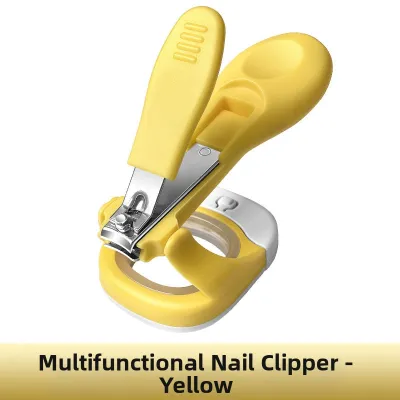
Finally, the handle design plays a critical role in preventing slips. Look for clippers with wide, ergonomic handles made from non-slip materials, such as textured rubber or contoured BPA-free plastic. A larger grip area allows your adult hand to maintain a stable, secure hold, reducing the likelihood of the tool twisting or slipping mid-cut.
Comparing Types of Infant Nail Care Tools
Selecting the right tool depends largely on your personal comfort level, your baby’s age, and the texture of their nails. Different grooming instruments offer distinct advantages, and many parents find that their preferences shift as their child grows.

Electric Nail Files vs. Manual Clippers
Electric baby nail files, often referred to as nail trimmers or buffers, use rotating cushioned pads to gently file down the nail edge. Because they rely on friction rather than a sharp blade, they carry an exceptionally low risk of cutting or pinching the skin. This makes them highly suitable for the first few weeks of life when a newborn’s nails are incredibly soft, pliable, and closely bonded to the surrounding skin. However, electric files generally take longer to complete a full trim, and they require ongoing battery management or recharging. You must also verify that you are using the correct age-graded filing pad, as the grit level varies to match the hardness of the nail at different developmental stages.
When using an electric file, it is also important to consider the noise level and vibration of the motor. A loud or heavily vibrating motor can startle a sensitive infant, making them resistant to future grooming sessions. Many modern electric files are designed with whisper-quiet motors specifically to allow for trimming during deep sleep without disturbing the baby. On the other hand, manual clippers are completely silent, which eliminates the risk of noise-induced startle reflexes but still requires careful physical stabilization of the baby’s hand.
In contrast, manual kids nail clippers offer a quick, precise cut that is highly efficient for older infants whose nails have begun to harden. Manual clippers do not require batteries and are highly portable, making them a reliable long-term tool. The trade-off is that they demand a much steadier hand, excellent lighting, and a cooperative baby, as a sudden flinch can lead to an accidental nick if the blade is positioned incorrectly.
Baby Nail Scissors vs. Standard Clippers
Baby nail scissors feature short, thin blades with rounded safety tips to prevent accidental puncture wounds. They offer exceptional visibility of the cutting line because the scissor blades do not block your view of the nail bed in the way that bulkier clipper jaws sometimes do. This high level of maneuverability makes scissors excellent for trimming soft, curved newborn nails with smooth, sweeping motions. However, using scissors requires a specific cutting technique and a confident grip, as you must actively control the angle and pressure of both blades simultaneously.
Another consideration when choosing between scissors and standard clippers is the learning curve involved. For many first-time parents, holding a pair of scissors feels more intuitive and offers a familiar range of motion. The long handles of baby scissors provide excellent leverage and allow your fingers to remain further away from the cutting edge, which can improve your overall line of sight. Standard clippers, while highly compact and efficient, require a pinching motion that some caregivers find harder to control precisely when working on a microscopic scale.
Standard baby clippers utilize a traditional lever-action mechanism to pinch and cut the nail in a single motion. This mechanical leverage makes them highly effective for thicker, tougher nails as your baby grows into childhood. While they are incredibly fast and easy to operate, the physical structure of the clipper head can sometimes obscure your direct line of sight. To compensate for this, many high-quality baby clippers incorporate the magnifying glasses or LED lights mentioned earlier to restore visibility.
How to Build Your Shortlist: Checking Specs and Labels
Before purchasing a kids nail clipper from an online marketplace or a local retailer, it is essential to carefully review the manufacturer’s specifications and packaging labels. This step ensures the tool is appropriate for your child’s current developmental stage and meets basic safety standards.
Always check the age and developmental stage recommendations printed on the product packaging. Manufacturers design tools with specific age brackets in mind; for example, a clipper intended for infants aged six months and older may have a wider blade opening that is unsafe for a newborn. Conversely, tools designed for the newborn stage are scaled down to match the tiny dimensions of a newborn’s fingers.
Material quality is another critical factor to verify in the product description. Look for clippers featuring high-quality stainless steel blades, which resist rust and maintain their sharpness over time, ensuring clean cuts rather than tearing the nail. The plastic components should be labeled as BPA-free and phthalate-free to ensure they are safe to have around your baby, who may inevitably try to grab or mouth the tool.
Review the manufacturer’s cleaning and sterilization instructions before making a decision. Because baby grooming tools come into close contact with skin and potential minor cuts, maintaining hygiene is vital. Some clippers can be wiped down with isopropyl alcohol, while others may have removable parts that can be washed. Ensure the cleaning process fits easily into your routine and does not risk rusting the metal components.
When examining packaging labels, also look for clear instructions regarding replacement parts. For instance, electric nail files rely on replaceable grinding pads that wear down over time. A manufacturer that offers easily accessible replacement pads of varying grits ensures that the tool remains safe and effective as your baby grows. If replacement pads are difficult to find or purchase separately, the entire device may become obsolete once the initial pads lose their effectiveness.
Lastly, check the retailer’s return policy and pay close attention to the physical dimensions of the tool. A clipper that looks perfect online might turn out to be too small or awkwardly shaped for your hands to hold securely. Verifying that you can return or exchange the product if the grip does not feel stable in your hand is a practical way to avoid being stuck with an unusable tool.
Safe Nail Trimming Practices for Newborns
Even the safest kids nail clipper requires proper technique and a calm environment to prevent accidents. Establishing a consistent, careful routine will help keep your baby safe and reduce the anxiety associated with nail trimming.
Timing is perhaps the most crucial element of a successful grooming session. Attempting to trim the nails of an active, wiggly baby is highly challenging and increases the risk of injury. Instead, choose a time when your baby is deeply relaxed, feeding, or fast asleep. Many parents find that trimming nails during a nap or immediately after a bath—when the nails are at their softest—provides the quietest window of opportunity.
Your physical setup should prioritize stability and visibility. Ensure you are seated in a comfortable, well-lit area with direct light shining on the baby’s hand. If you are trimming while the baby is awake, hold them securely in your lap, facing away from you, so you can control their arm movements while maintaining a clear view of their fingers. If possible, enlist the help of a partner to gently hold the baby’s arm still while you focus on the trimming.
When using a manual clipper or scissors, always employ the “press and cut” technique. Gently press the fleshy pad of the baby’s finger downward and away from the nail edge before positioning the tool. This action creates a clear space between the nail and the skin, significantly reducing the chance of catching the skin in the blades. Make small, shallow cuts across the nail rather than trying to clip the entire nail in one large squeeze, and avoid cutting down into the corners to prevent ingrown nails.
Post-trimming care is another aspect of a safe routine. After clipping or filing, gently run your own finger pad over the edges of your baby’s nails to check for any remaining sharp corners or rough spots. If you find any, use a soft emery board to smooth them out with light, downward strokes. This final check is crucial because even short nails can cause deep scratches on a baby’s sensitive face if they have sharp, jagged corners left behind by the cutting process.
Knowing when to stop is a fundamental safety rule. If your baby becomes fussy, starts squirming, or shows signs of distress, pause the session immediately and try again later. It is far better to trim only one or two nails at a time than to rush through a full session with an uncooperative child. Additionally, if you ever notice signs of redness, swelling, pus, or an ingrown nail on your baby’s fingers or toes, do not attempt to treat it yourself; stop using all grooming tools and consult a pediatrician or qualified healthcare professional for guidance.
Frequently Asked Questions (FAQ)
When should I start using a kids nail clipper on my newborn?
A newborn’s nails grow remarkably fast, but during the first few weeks of life, they are often incredibly soft, paper-thin, and closely attached to the underlying skin bed. Because of this close attachment, using a manual clipper immediately after birth carries a higher risk of cutting the skin. Many pediatricians and manufacturers recommend waiting a few weeks until the nails harden slightly and separate from the skin before introducing a manual kids nail clipper. During those initial weeks, you can manage sharp edges by using a very gentle baby nail file or emery board. Always consult the specific tool’s packaging to verify the manufacturer’s minimum age and developmental guidelines before use.
Can I use adult nail clippers if I am careful?
Using adult nail clippers on an infant is highly discouraged by safety experts. Adult clippers are designed for much larger, thicker, and wider nails, meaning their cutting arc is too broad for a baby’s tiny, curved fingers. This size mismatch makes it extremely difficult to see where the blade ends and the skin begins, greatly increasing the risk of pinching the finger pad or cutting too deep into the nail bed. Furthermore, adult clippers lack the specialized safety features—such as magnifying attachments, LED lights, and protective guards—that are specifically engineered to keep a baby’s delicate skin out of harm’s way. Investing in a dedicated kids nail clipper is a simple and effective way to ensure safe, stress-free grooming.

Community discussion
Share your experience or ask a question. Comments are reviewed before publication.