
Choosing the right wet bag for your child depends entirely on where they are going and what they are carrying. A bag that keeps a dripping-wet swimsuit from soaking a school backpack is very different from one designed to hold a day’s worth of soiled clothes during a family holiday. By matching the bag’s size, material, and closure style to specific activities like swimming, school outings, and travel, you can keep dampness, dirt, and unwanted odours completely contained.
Selecting the perfect wet bag requires looking beyond cute prints. You must evaluate how the bag’s size, lining material, seam construction, and closure mechanisms align with your child’s specific activities. By matching these product features to your family’s daily routines, you can avoid messy leaks and ensure your gear remains clean, dry, and organised.
Understanding Your Child's Wet Bag Needs by Scenario
To choose the most effective wet bag, it is helpful to first understand the distinct demands of different environments. A wet bag is designed to perform three primary tasks: containing moisture, blocking dirt, and sealing in odours. However, the intensity of these challenges varies significantly depending on whether your child is heading to the pool, attending school, or embarking on a long trip.
Products mentioned in this guide
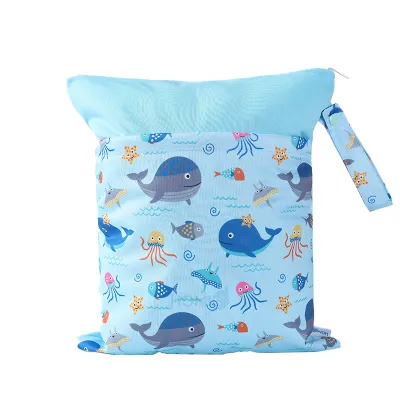
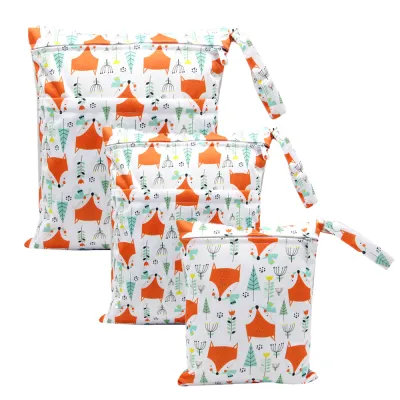
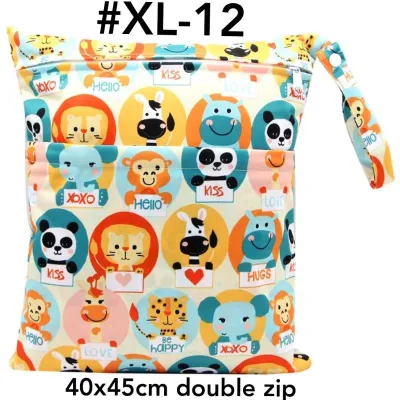
![[Local Shop] Reusable Plain Waterproof Wet Bag Nappy Diaper Nursery Nursing Maternity Childcare Infantcare Mummy Wetbag](https://img.lazcdn.com/g/p/ec62556872de87c5bf97137f364848d5.jpg_400x400q80.jpg_.webp)
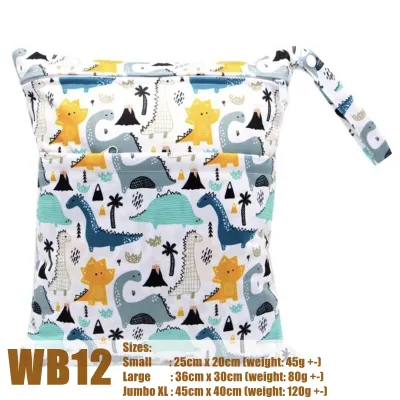
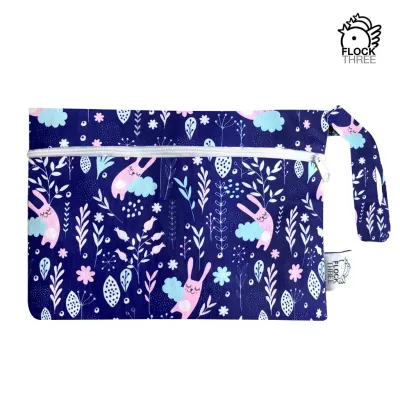
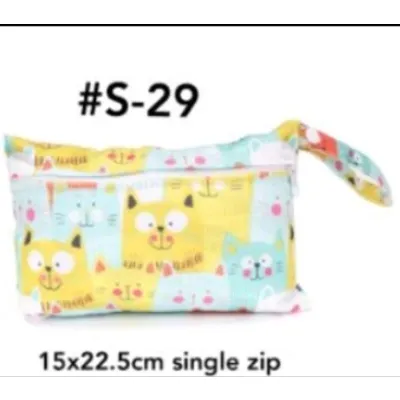
Prices are valid at publication and may change. Please refer to the product page for the latest price.
During swimming lessons and pool days, the main challenge is heavy soaking. Swimsuits and towels absorb a significant amount of water. This moisture is often saturated with chlorine or saltwater, which can transfer chemicals or dampness to other items if not contained. The wet bag used for swimming must be capable of handling dripping-wet items without allowing water to seep through the fabric or the seams.
School outings and daycare attendance present a different set of challenges. Here, the primary issues are dirt, food spills, and the need for quick access. Children frequently return from school trips with muddy socks or clothes damp from spilled snacks. Caregivers and teachers need a straightforward way to pack these soiled items quickly, while the child needs a bag that is simple to open and close.
Family travel and long trips introduce the challenge of time and volume. When you are away from home, you may not have immediate access to laundry facilities. Damp or soiled clothes might need to remain stored inside a wet bag for several days. In these scenarios, containing odours and preventing the growth of mould or mildew becomes the top priority. The bag must also be large enough to hold multiple outfits.
Matching the bag’s design to the specific activity prevents leaks, cross-contamination, and odour build-up. A bag that is perfectly suited for a quick daycare change may fail completely when stuffed with a soaking-wet pool towel. By identifying the primary environment where the bag will be used, you can focus on the specific features that will make your daily routines run smoothly.
Key Features to Evaluate Before Buying
When shopping for a wet bag, look past the aesthetic designs and carefully inspect the product specifications. Understanding the technical details of how these bags are constructed will help you determine if a particular model can handle your child’s messiest days.

Lining and Material Always check the product label to identify the materials used for the inner lining. Most high-quality wet bags utilise Polyurethane Laminate (PUL) or Thermoplastic Polyurethane (TPU) to create a flexible, water-resistant barrier. Note that “water-resistant” and “waterproof” have different practical limits. While the lined fabric itself may resist water, liquid can still escape through the stitching of the seams. For high-moisture activities, look for manufacturer specifications that explicitly mention heat-sealed or taped seams, which prevent liquid from leaking through the needle holes.
Closure Mechanisms The way a wet bag closes determines how well it contains both moisture and odours. Zippers are the most common closure type and offer excellent security, but standard zippers are not airtight. If you require a highly secure seal, look for bags featuring water-resistant zippers that have a protective coating over the teeth. Drawstring closures are convenient for quick packing but do not provide an airtight seal, making them unsuitable for very wet items. Snap buttons are often used on outer straps but should not be relied upon as the primary closure for wet compartments.
Capacity and Dimensions Wet bags are generally categorised into small, medium, and large sizes. To estimate the right capacity, consider your child’s age and the volume of items they typically carry. A small bag (approximately 20 x 25 cm) is ideal for holding a single soiled outfit. A medium bag (approximately 30 x 40 cm) is the most versatile size, comfortably fitting a child’s swimsuit, a small towel, and a change of clothes. Large or jumbo bags (40 x 60 cm or larger) are designed for family travel or storing multiple days’ worth of laundry.
Carrying Options Look for models equipped with snap-on handles, wrist straps, or integrated carabiner clips to make transport easy. These features allow you to attach the wet bag to the exterior of a school backpack, hang it from a stroller handlebar, or clip it to a bathroom hook. When attaching bags to strollers, always ensure the weight does not cause the stroller to tip over, and follow the stroller manufacturer’s safety guidelines regarding hanging loads.
Scenario-by-Scenario Selection Guide
To simplify your buying decision, you can evaluate your options using targeted checklists tailored to each of the three main activities.
Swimming Lessons and Pool Days
For pool days, water containment is your absolute priority. Because swim gear is often packed dripping wet, a standard water-resistant bag may slowly seep moisture over several hours.
- Check for sealed seams: Ensure the product description specifies heat-sealed or taped seams. This construction method bonds the lining together, eliminating the needle holes where water typically leaks out.
- Select a larger capacity: Choose a medium-to-large bag. A child's wet towel, swimsuit, and goggles take up considerable volume, and squeezing them into a bag that is too small can strain the zipper.
- Prioritise easy-to-rinse linings: Chlorine and saltwater can degrade the lining over time. Opt for a bag with a smooth, slick interior that you can easily rinse out under a tap at the pool shower to remove chemical residues.
School Outings, Daycare, and Daily Use
For daily school routines, convenience, portability, and ease of use are key.
- Choose compact, lightweight designs: Select a small or medium bag that fits easily inside a standard child's backpack without taking up all the space meant for lunchboxes and books.
- Look for external attachment options: A snap-on handle or a sturdy carabiner clip is highly beneficial. This allows teachers or caregivers to clip a soiled bag to the outside of the backpack, keeping the interior clean and dry.
- Opt for simple closures: Ensure the zipper is smooth and easy for a young child to operate. Complicated roll-tops or stiff closures may result in the bag being left partially open, leading to accidental spills.
Family Travel and Long Trips
When travelling, you need a wet bag that can handle larger volumes of laundry and keep odours contained over extended periods.
- Invest in jumbo capacities: Look for bags explicitly labelled as "travel" or "jumbo" sizes. These bags can hold several days of dirty clothes, keeping them separate from clean items inside your suitcase.
- Focus on odour containment: Choose bags with high-quality, double-zipper closures or secure roll-top designs. Some travel wet bags feature dual compartments—one dry pocket for clean clothes and one wet pocket for soiled items.
- Check for hanging loops and structured bottoms: A wet bag that can stand upright on a counter or hang securely from a bathroom door hook makes managing dirty laundry in confined hotel spaces much easier.
Can One Wet Bag Cover All Activities?
While a “one-size-fits-all” wet bag seems economical, it often introduces practical challenges. For example, using a jumbo travel wet bag for a child’s daily daycare needs is highly inefficient. The excess fabric will take up too much space in a small backpack, and the bag will be unnecessarily bulky. Conversely, a compact daycare bag will quickly overflow if you try to pack a wet beach towel and swimsuit after a pool day.
A more practical strategy is to adopt a hybrid approach. Investing in a small, coordinated set of two or three bags of varying sizes typically provides the best utility and value. You might dedicate one medium-to-large, heavy-duty bag with sealed seams exclusively for swimming lessons and family travel, and keep one or two smaller, lightweight bags on hand for daily school use, daycare changes, or unexpected spills.
To determine the ideal number of wet bags for your household, consider the following decision framework:
- Your family's weekly schedule: If your child attends swimming lessons on the same day they have school outings, you will need at least two separate bags in active use to avoid cross-contamination.
- Your laundry routine: If you run laundry cycles daily, you can manage with fewer bags. If you prefer to wash clothes only on weekends, having a larger rotation of bags ensures you always have a clean one available.
- The age and independence of your child: Toddlers and infants generate more frequent messes, requiring multiple small bags throughout the day. Older children can often manage with a single medium bag for their specific extracurricular activities.
Care, Cleaning, and Preventing Odours in Humid Climates
In warm, humid environments like Singapore, proper maintenance is essential to prevent mould, mildew, and musty smells. If damp clothes are left sealed inside a bag for too long, or if the bag itself is not dried correctly, bacteria will quickly multiply, ruining both the bag and your clothes.
To keep your wet bag hygienic and functional, establish a consistent post-use routine. Always empty the bag as soon as you return home. Never leave wet swimsuits or damp towels zipped inside overnight. If the interior is soiled, rinse it thoroughly with clean, cold water to remove dirt, sand, or chlorine.
Always check the manufacturer’s care label before washing. While many wet bags are machine washable, they require gentle care. Use a gentle cycle with cold or lukewarm water and a mild detergent. Avoid using fabric softeners, bleach, or harsh stain removers, as these chemicals can break down the polyurethane laminate (PUL) or thermoplastic polyurethane (TPU) lining over time.
Drying the bag correctly is just as important as washing it. Turn the wet bag completely inside out so the water-resistant lining is exposed to the air. Hang it to dry in a well-ventilated area. Avoid placing the bag in a hot clothes dryer or exposing it to direct, intense sunlight for extended periods, as excessive heat can cause the inner lining to melt, crack, or peel away from the outer fabric.
Regularly inspect the interior of your wet bags for signs of wear and tear. If you notice that the inner lining has started peeling, cracking, or showing signs of severe degradation, the bag will no longer be able to contain moisture effectively. In such cases, stop using the bag immediately to prevent leaks, and consult the manufacturer’s guidelines or replace the bag to maintain proper hygiene.
Frequently Asked Questions (FAQ)
Are wet bags completely waterproof?
Most reusable fabric wet bags are highly water-resistant rather than completely waterproof. They are designed to contain damp garments, wet swimwear, and soiled clothes under normal conditions. However, if you pour liquid directly into the bag or pack soaking-wet items without wringing them out first, moisture may eventually seep through the zipper teeth or the stitched seams. For absolute moisture containment, always squeeze out excess water from swimsuits and towels before placing them in the bag, and check product specifications for heat-sealed seams.
How many wet bags should I pack for a trip?
When travelling with children, it is highly recommended to pack at least two wet bags. This allows you to designate one bag specifically for wet swimwear and pool gear, and a second bag for dry-but-dirty daily clothes or soiled diapers. Having a minimum of two bags also ensures that you have a spare to use while one bag is being washed and air-dried back at your accommodation.

Community discussion
Share your experience or ask a question. Comments are reviewed before publication.