
Finding the right gear for school swimming lessons can be a challenging task for parents. When children participate in school swim programmes, they need a reliable way to transport wet swimwear, caps, and towels back home. A high-quality wet bag is the most practical solution to keep damp items isolated, preventing moisture from ruining schoolbooks, homework, and electronic devices. By choosing a bag with the correct materials, size, and closure style, you can ensure your child’s school backpack remains completely dry and organized throughout the school week.
Why Regular Plastic Bags Fail for School Swimming
Many parents initially rely on single-use plastic bags or standard reusable grocery totes to pack wet swim gear. While these options are cheap and readily available, they frequently fail during a typical school day. Single-use plastic bags are highly susceptible to micro-tears and punctures caused by sharp objects like goggle clips, hairpins, or locker keys. Once a plastic bag is punctured, chlorinated water slowly seeps out, soaking everything in the child’s backpack.
Another major issue with standard plastic bags is condensation, often referred to as “sweating.” Even if the plastic bag has no holes, the temperature difference between the wet swimsuit inside and the warm classroom air outside causes moisture to condense on the exterior of the plastic. This external dampness transfers directly to paper-based schoolbooks, worksheets, and pencil cases, often causing permanent damage to important schoolwork.
Products mentioned in this guide


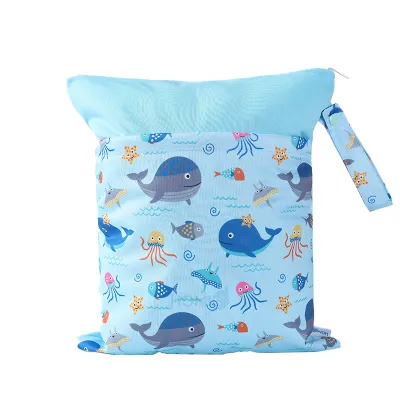
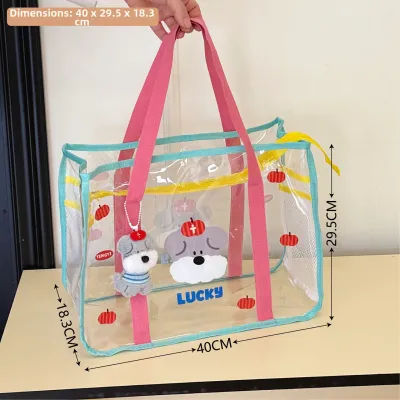

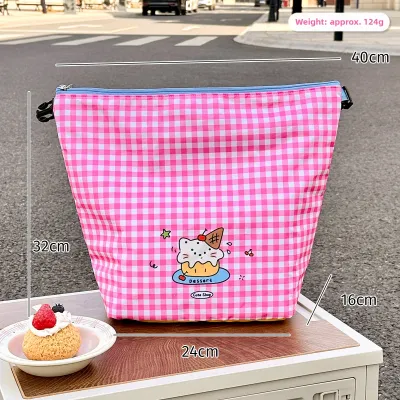
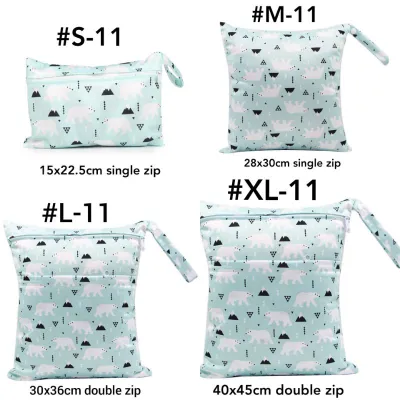
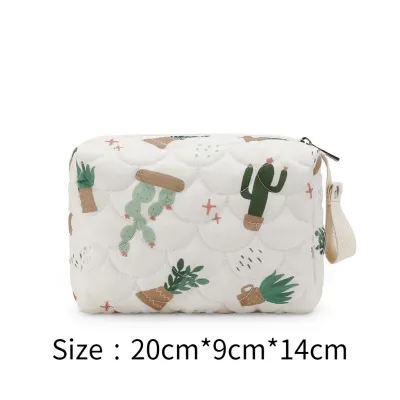
Prices are valid at publication and may change. Please refer to the product page for the latest price.
Trapped chlorine odours represent another significant drawback of improvised bags. Cheap plastic and non-specialized totes do not have the barrier properties required to contain chemical smells. The strong scent of chlorine and damp fabric can easily permeate the entire backpack, making the child’s school gear smell unpleasant. Over time, this trapped moisture can also degrade the interior fabric of the school bag itself.
Using a reusable, purpose-built wet bag offers a far more hygienic and environmentally friendly alternative. These bags are designed specifically to lock in moisture and odours while resisting the wear and tear of daily school commutes. By investing in a dedicated wet bag, you eliminate single-use plastic waste and protect expensive school supplies from accidental water damage.
Core Features to Evaluate When Buying a School Wet Bag
Selecting the right wet bag requires looking beyond attractive patterns and brand names. To ensure the bag performs reliably in a child’s hands, parents must evaluate several technical and practical design dimensions.

Leak-Proof Materials and Construction
When assessing a wet bag, the material composition is the most critical factor. Look for bags lined with Thermoplastic Polyurethane (TPU) or Polyurethane Laminate (PUL). These are advanced fabrics where a waterproof membrane is heat-bonded or chemically laminated to a polyester or cotton outer layer. Avoid cheap polyester bags that rely on simple water-resistant spray-on coatings, as these temporary barriers quickly wear off after a few washes.
Seam construction is just as important as the fabric itself. Standard stitched seams leave thousands of tiny needle holes along the edges of the bag. Under the weight and pressure of a sodden cotton towel, water will naturally wick through these needle holes and leak into the school bag. To prevent this, choose wet bags that feature heat-taped, welded, or double-bound seams, which seal the stitching and keep moisture locked inside.
Always check the manufacturer’s specifications and care labels to verify the waterproof capabilities of the bag. Some bags are rated as water-resistant rather than fully waterproof, meaning they can handle damp items but will leak if filled with soaking wet gear. Ensuring the bag is rated for wet storage prevents unexpected leaks in transit.
Size, Capacity, and School Bag Compatibility
A practical school wet bag must hold all necessary swim gear without taking up excessive space in a child’s backpack. A standard primary school swim kit typically includes a child-sized swimsuit, a pair of goggles, a swim cap, and a compact towel. A medium-sized wet bag measuring approximately 30 by 40 centimetres is generally the ideal size to accommodate these items comfortably.
Compatibility with the school backpack is essential for a smooth daily commute. School bags are often packed tightly with textbooks, files, and lunchboxes, leaving very little spare room. The wet bag should be flexible enough to fold or slide into narrow gaps, or it should feature external attachment points so it does not have to be packed inside the main compartment.
Avoid purchasing oversized travel wet bags, which are often designed for multi-day trips or family use. These large bags encourage overpacking and can hold a significant volume of water, making the child’s school bag excessively heavy. A heavy backpack can strain a young child’s back and shoulders, so keeping the wet bag compact is key to their physical comfort.
Kid-Friendly Closures and Attachment Options
A wet bag is only effective if your child can close it properly. Water-resistant zippers offer a highly secure seal that prevents water from splashing out, but they require a certain level of fine motor skills and two hands to operate. If the zipper is too stiff, a younger child might leave the bag partially open, defeating its purpose.
Roll-top closures secured with plastic buckle clips are another excellent option. They are highly effective at preventing leaks and allow you to adjust the size of the bag by rolling it down. However, they can be somewhat bulky. Snap buttons are very easy for small hands to snap shut, but they do not provide a watertight seal and can easily pop open if the bag is compressed inside a tight backpack.
Attachment options like snap-handle loops, D-rings, or sturdy carabiners add great versatility. These features allow the wet bag to be clipped directly onto the external straps or top handle of the school backpack. This external placement saves valuable internal space and ensures that even if a minor spill occurs, it happens outside the backpack rather than near books and electronics.
Odor Control and Easy Cleaning
Because wet swim gear is often left in a bag for several hours during the school day, odour control is a common concern for parents. Some brands market “anti-microbial” chemical coatings, but these treatments often wash out after a few laundry cycles. True odour control relies on proper ventilation, prompt emptying, and regular, thorough cleaning.
Verify that the wet bag is fully machine washable and tumble-dry safe on a low setting. Being able to toss the bag into the washing machine with the rest of the laundry makes maintenance simple and ensures that chlorine residues and bacteria are regularly removed. Always refer to the manufacturer’s care label, as high heat can melt or delaminate the waterproof TPU or PUL lining.
It is also wise to avoid dark, non-breathable inner linings. Dark interiors make it very difficult to spot trapped mold spores, mildew, or dirt in the corners of the bag. A light-colored or semi-transparent lining allows parents to quickly inspect the bag’s interior and ensure it is completely clean and dry before the next use.
Which Wet Bag Style Fits Your Child's School Routine?
Different wet bag styles suit different packing habits and school routines. Understanding the pros and cons of each design will help you choose the best match for your child’s independence level and daily commute.
Clip-On Hanging Wet Bags
Clip-on hanging wet bags are designed with a built-in strap that features a snap button, or a dedicated fabric loop meant for a carabiner. This design allows the bag to dangle securely from the exterior of a school backpack rather than taking up space inside.
- Primary Benefit: This style completely isolates wet swim gear from the interior of the school bag. If any condensation or minor zipper seepage occurs, your child's textbooks, homework, and tablets remain entirely safe and dry.
- Key Limitations: An externally hanging bag can swing back and forth as the child walks, which can be distracting or unbalance a younger student. Additionally, the bag is more exposed to outdoor dirt, rain, and dirty schoolyard floors when the backpack is set down.
Standalone Zippered Pouches
Standalone zippered pouches are flat, rectangular, or gusseted bags that are designed to be packed directly inside the main or front compartment of a school backpack. They offer a clean, self-contained look.
- Primary Benefit: These pouches keep the exterior of the school bag looking neat and streamlined. There are no dangling straps or clips to get caught on bus doors, school gates, or desk corners, and the wet gear is shielded from external dust and dirt.
- Key Limitations: This style places the wet bag in direct contact with vulnerable school items. Parents must rely entirely on the zipper and seam integrity of the pouch to prevent water from soaking through to nearby homework and books.
Dual-Compartment (Wet/Dry) Bags
Dual-compartment bags feature two separate pockets, usually built back-to-back. One compartment is fully lined with waterproof PUL or TPU for wet items, while the other is made of mesh or standard dry fabric for clean, dry clothes.
- Primary Benefit: This design consolidates all swim gear into a single organized unit. Your child can carry their clean clothes and towel in the dry pocket, and then swap them into the wet pocket after their lesson, reducing the risk of leaving items behind in the changing room.
- Key Limitations: Dual-compartment bags are inherently bulkier and heavier than single-pocket designs. They can easily overwhelm a smaller primary school backpack, sometimes forcing the child to carry the wet bag separately by hand.
Daily Packing and Drying Routine for Humid Climates
In highly humid climates like Singapore, where relative humidity often exceeds 80 percent, proper care and maintenance of your wet bag are essential. Damp fabrics left in closed spaces will rapidly develop mold, mildew, and stubborn musty odours. Implementing a consistent daily care routine will protect your child’s health and extend the lifespan of the bag.
- Immediate Emptying: Make it a strict rule to empty the wet bag as soon as your child returns home from school. Leaving a damp swimsuit and cotton towel sealed inside a dark bag in a warm room creates an ideal breeding ground for bacteria and mildew within just a few hours.
- Rinsing and Drying: After removing the wet gear, rinse the interior of the wet bag with cool, clean water to wash away chlorine, salt, or pool chemicals. Turn the bag completely inside out and hang it to dry in a well-ventilated, shaded area. Avoid placing the bag in direct, harsh sunlight, as intense ultraviolet rays can cause the delicate TPU or PUL waterproof membrane to crack and degrade over time.
- Washing Schedule: Establish a regular machine-washing routine. Wash the wet bag once or twice a week on a gentle cycle using a mild detergent. Avoid fabric softeners, bleach, or high concentrations of vinegar, as these chemicals can strip or dissolve the waterproof laminate lining. Always check the manufacturer's care label for the maximum safe water temperature.
- Storage: Once the wet bag is completely dry, store it in an open, airy space. Do not zip the bag closed or leave it crumpled at the bottom of a dark school bag, as any residual trace of moisture can still trigger mold growth.
How to Fix Leaks, Odors, and Broken Zippers
Regular school use will eventually lead to wear and tear. Knowing how to troubleshoot common issues can save you the cost of a replacement and prevent school bag disasters.
- Persistent Odors: If the wet bag develops a stubborn musty smell, check the care label first. If permitted, soak the bag in cool water mixed with a cup of white vinegar or a tablespoon of baking soda for 30 minutes, then rinse thoroughly and air-dry. Never use chlorine bleach or boiling water, as these will permanently destroy the waterproof laminate.
- Minor Leaks: If you notice dampness on the outside of the bag, inspect the seams and zippers. Often, tiny grains of sand, lint, or stray hairs can get trapped in the zipper teeth, preventing a complete seal. Clean the zipper teeth gently with a soft, damp toothbrush. If you inspect the bag and find that the inner TPU lining is peeling, cracking, or flaking, the waterproof barrier is permanently damaged and the bag must be replaced.
- Zipper Maintenance: Stiff or stuck zippers can be restored by rubbing a simple graphite pencil or a specialized silicone-based zipper lubricant along the teeth. Avoid using cooking oils, petroleum jelly, or WD-40, as these organic and chemical compounds can degrade plastic zipper teeth and damage the surrounding waterproof fabric.
- Replacement Signals: A wet bag has reached the end of its useful life when the inner laminate delaminates (peels away from the fabric), the seams split, or persistent mold stains appear that cannot be washed out. Continuing to use a damaged bag risks ruining expensive school textbooks and electronics.
Frequently Asked Questions (FAQ)
Can I use a standard plastic bag or reusable grocery tote for swim gear?
Standard plastic bags are highly prone to punctures and trap condensation on the outside, which dampens surrounding schoolbooks. Reusable grocery totes are typically made of woven polypropylene or canvas, which lack waterproof linings and sealed seams, allowing chlorinated water to seep directly into the school bag.
How often should I wash the wet bag during the school week?
In humid climates, the wet bag should be emptied, rinsed, and air-dried inside out after every single use. For a child with weekly school swimming lessons, a thorough machine wash once a week is highly recommended to eliminate chlorine residues and bacteria.
Are mesh panels useful for wet bags used in school?
Mesh panels are highly useful when located on the outside of the bag or in a separate dry compartment, as they provide ventilation for damp goggles or swim caps. However, any mesh on the main wet compartment defeats the leak-proof purpose, as water will escape and soak the interior of the school backpack.
Community discussion
Share your experience or ask a question. Comments are reviewed before publication.